
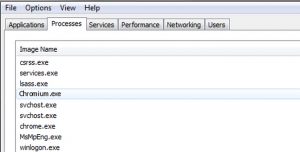
Chromium.exe can be completely legitimate, but it can also appear as part of an unwanted bundled browser. Chromium is an open-source browser project that aims to provide a safer, faster, and more stable web experience. Many real browsers are based on Chromium. The problem is that unwanted programs can also ship modified Chromium builds with aggressive ads, unwanted search settings, or difficult uninstall behavior.
What is Chromium.exe?
Chromium.exe is the executable name used by Chromium-based browser builds. A legitimate Chromium installation can be installed intentionally by a user, developer, or organization. Chromium-based browsers are also used inside many apps through embedded browser frameworks.
Suspicious cases usually involve a Chromium build the user did not choose, an uninstall entry that fails, browser settings changed without consent, or a copy that runs from a strange user folder.
Safe vs suspicious signs
| Usually legitimate | Suspicious |
| You installed Chromium or a known Chromium-based browser intentionally. | It appeared after bundled freeware, fake updates, cracks, or download managers. |
| Located in a clear browser/application folder. | Runs from AppData with random folder names or no clear publisher. |
| Uninstalls normally and does not change settings without permission. | Returns after uninstall, changes homepage/search, or pushes notifications. |
| No suspicious extensions or policy entries. | Unknown extensions, forced policies, redirects, or ad injection. |
Why Chromium can look suspicious
Chromium is open source, so different parties can build and package it. That openness is useful for legitimate browsers and developers, but it also allows unwanted vendors to wrap Chromium in installers that change search settings, add extensions, or promote ads. The executable name alone does not identify the build quality or trustworthiness.
How to verify Chromium.exe
- Open Task Manager, right-click Chromium.exe, and choose Open file location.
- Check the installation folder and publisher.
- Open the browser and review installed extensions.
- Check browser policies by visiting
chrome://policyif the build supports it. - Review installed apps for recently added unknown browsers or bundles.
- If uninstall fails, check startup entries and scheduled tasks.
How to remove unwanted Chromium builds
First try normal uninstall from Windows settings. Then remove unknown extensions, reset browser settings, and check startup apps. If Chromium returns, look for a scheduled task, service, or updater in the same folder. Delete browser data folders only after exporting bookmarks or passwords you need.
When to scan for malware
Scan if Chromium appeared without consent, injects ads, changes search settings, creates forced policies, or runs from an odd path. Also scan if Defender or another antivirus reports bundled/unwanted behavior. Browser hijackers often arrive with other unwanted programs, so check the whole system rather than only the browser folder.
Practical example
If you installed Chromium for testing and it lives in a clear app folder, it is likely fine. If it appeared after installing a “free downloader” and keeps redirecting search, treat it as an unwanted browser bundle and remove the updater, policies, and extensions together.
After removal
After cleanup, reboot and check that Chromium.exe does not return. Open your primary browser and confirm homepage, search engine, extensions, notification permissions, and policies are clean. If unwanted settings return, the parent bundle is still present.
Decision tree for Chromium.exe
If you knowingly installed Chromium or a known Chromium-based browser, check whether the folder and publisher match that choice. If Chromium appeared without consent, came with another installer, or changed search settings, treat it as an unwanted browser bundle. If a company manages the browser, check policies before removing it.
If Chromium runs in the background, inspect extensions and startup behavior. A legitimate browser can run background apps, but unwanted builds often use background tasks to restore extensions, search settings, or notification permissions.
Browser policy and extension checks
Open the browser and check extensions. Remove anything you did not install. Then check browser policies. Forced policies can lock the search provider, homepage, extension list, or update behavior. If policies are present on a personal PC and you did not set them, remove the parent program that created them.
Clean removal path
- Export bookmarks and needed passwords first.
- Uninstall Chromium or the unknown browser from Windows settings.
- Remove unknown extensions from all installed browsers.
- Check Startup Apps and Task Scheduler for browser updaters.
- Reset homepage, search engine, and notification permissions.
- Reboot and confirm Chromium.exe does not return.
Common false alarms
Not every Chromium.exe is bad. Developers, testers, and some privacy-focused users intentionally use Chromium. Some apps also embed Chromium-based components. The suspicious cases involve unclear install source, unwanted search changes, difficult uninstall behavior, and aggressive ads.
What to record before cleanup
Before removing an unwanted build, record the install folder, extension IDs, policy names, and recently installed apps. This helps identify the parent bundle. If settings return after cleanup, that parent bundle or updater is still active.
FAQ
Is Chromium.exe a virus?
Not by itself. Chromium can be legitimate, but unwanted Chromium builds are common.
Is Chromium the same as Chrome?
No. Chrome is Google’s browser built from Chromium with additional Google features. Chromium is the open-source project.
Why does Chromium keep coming back?
An updater, scheduled task, service, or bundled program may reinstall it. Remove the parent component.



Leave a Comment