
ATL80.DLL is a dynamic link library (DLL) file that is associated with the Microsoft Active Template Library (ATL) version 8.0. The ATL is a set of software components provided by Microsoft for developing applications in C++.
Like any other DLL file, ATL80.DLL can potentially be used by malware to carry out malicious activities. However, the genuine ATL80.DLL file itself, which is a legitimate component of the Microsoft Active Template Library (ATL) version 8.0, is not considered malware. It is an essential system file used by various applications and should not be removed or tampered with.
To avoid potential malware infections, always ensure that you download software and DLL files from official and trusted sources. Regularly update your operating system and security software to protect your system from known threats.
What Does ATL80.DLL Do?
ATL80.DLL contains functions and resources that are used by applications developed using the ATL framework. It provides support for various features such as component object model (COM), ActiveX controls, and other functionality commonly used in Windows software development.
You should not remove ATL80.DLL unless you have a specific reason to do so. This file is an integral part of the ATL framework, and removing it can cause applications that rely on it to malfunction or fail to run altogether.
| File Name | ATL80.DLL |
|---|---|
| Description | ATL80.DLL is a dynamic link library (DLL) file that is a part of the Microsoft Active Template Library (ATL) version 8.0. |
| Developer | Microsoft Corporation |
| File Version | 8.0.50727.762 |
| Size | 97.5 KB |
| Location | C:\Windows\System32 |
| Purpose | ATL80.DLL is a crucial component of the Microsoft ATL, which is a set of C++ classes for creating ActiveX controls, components, and other reusable software components. |
| Functionality | ATL80.DLL provides essential functionalities and services to applications that use the ATL framework. It facilitates the creation of COM objects and simplifies the development of software components for Windows operating systems. |
| Safe File | ATL80.DLL is a safe and legitimate file that is a part of the Microsoft operating system. It is not known to be malicious and should not be removed or tampered with. |
Please note that the information provided here is based on the knowledge available up to the specified date and may be subject to updates or changes in the future. Always verify the authenticity and integrity of DLL files before making any modifications or removals to ensure the security and stability of your system.
Common Errors with ATL80.DLL
ATL80.DLL errors can occur due to various reasons, such as:
- Missing or corrupted ATL80.DLL file
- Incompatibility issues with other software components
- Incorrectly registered DLL file
- Malware or virus infections
How to Fix ATL80.DLL Errors?
If you encounter errors related to ATL80.DLL, here are some troubleshooting steps you can take:
- Restore from Backup: If you have a recent backup of your system, you can try restoring the ATL80.DLL file from the backup to replace any corrupted or missing versions.
- Reinstall Affected Software: If the error is specific to a particular application, try reinstalling the software. This process often replaces the DLL files associated with the application.
- Update Windows: Keeping your Windows operating system up to date can help resolve compatibility issues and ensure that the necessary system files, including ATL80.DLL, are updated.
- DLL File Repair Tools: There are specialized tools available that can help repair or replace missing or corrupted DLL files. Use them with caution and ensure you download them from reputable sources.
It’s important to note that manually manipulating or modifying DLL files can be risky. If you’re unsure about performing the troubleshooting steps yourself, it’s recommended to seek assistance from a qualified professional or consult Microsoft’s official support channels.
By following the above steps, you should be able to resolve common ATL80.DLL errors and ensure the smooth functioning of applications that rely on the ATL framework.
How to Remove Malware?
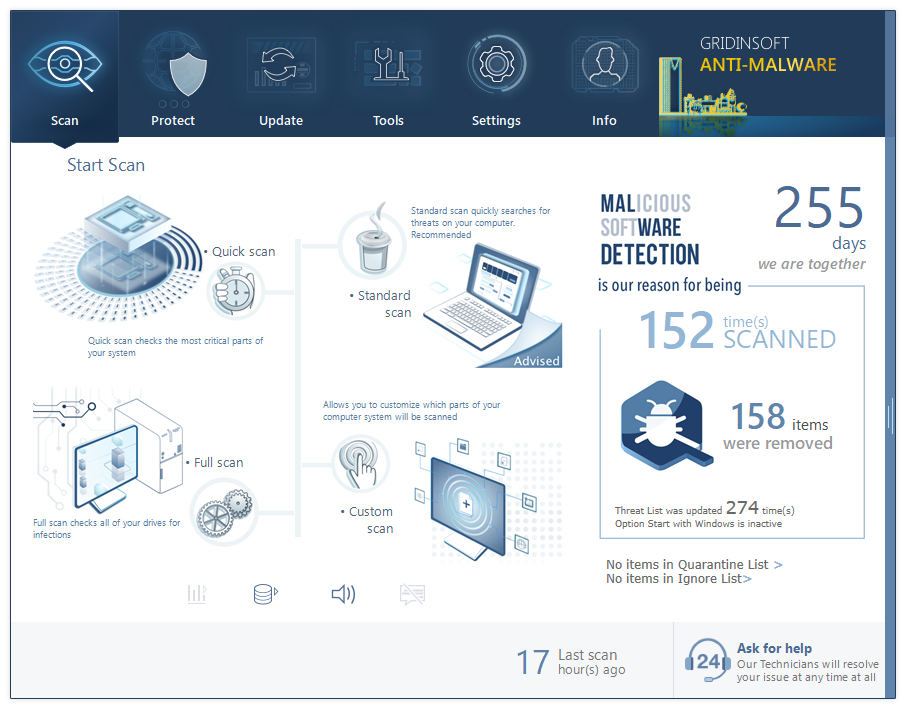
Step 1: Perform a Full System Scan
Go to the “Scan” tab and choose the type of scan you want to perform. For comprehensive malware removal, select the “Full Scan” option. Click the “Full Scan” area to initiate the scanning process.
Step 2: Remove Detected Malware
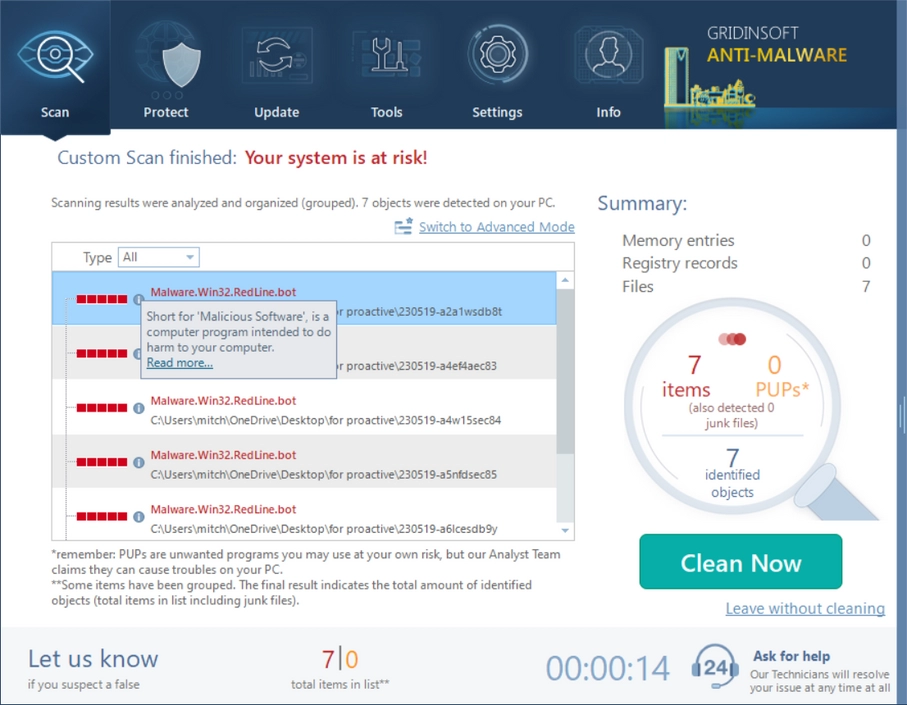
Was Found Malware on infected PC
Step 3: Restart & Enable Real-Time Protection
After the removal process is complete, restart your computer to finalize the changes and ensure that the malware is completely eliminated.
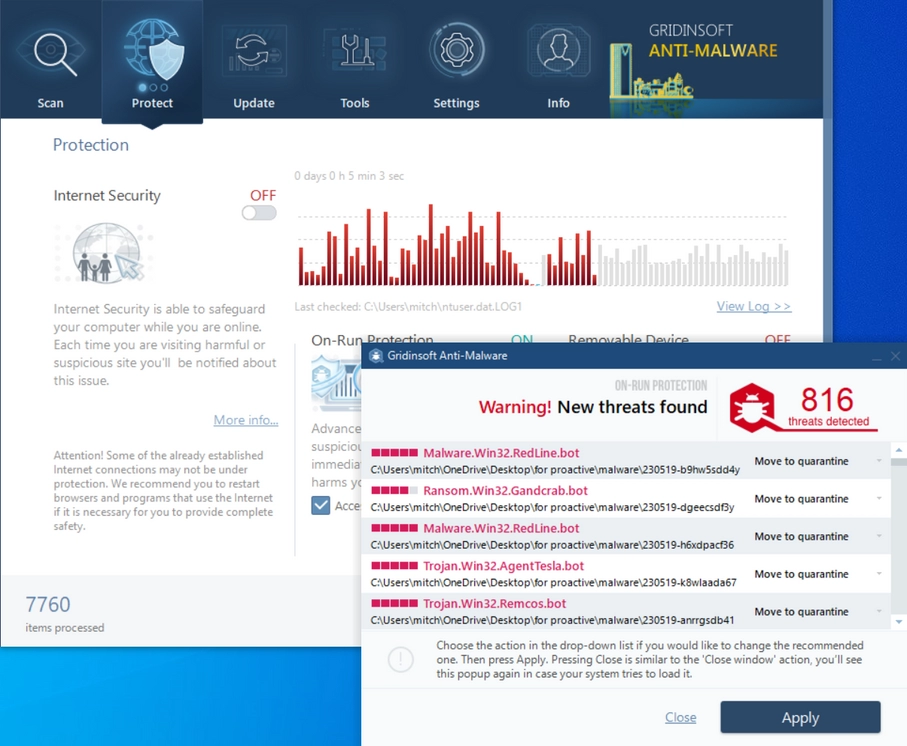
PC Protection in process
Conclusion
ATL80.DLL can be legitimate when it belongs to the expected software and is stored in the correct program folder. If the file location, signature, or behavior looks unusual, update the related application first, then scan the system and remove only confirmed unwanted or malicious items.


Leave a Comment