
DAX3APIDLL.dll is a dynamic link library (DLL) file associated with the DAX3API (Dolby Atmos Extension) software. It is primarily used to enable Dolby Atmos audio technology on compatible systems.
If you encounter issues or errors related to DAX3APIDLL.dll, it is essential to ensure that the file is genuine and has not been tampered with by malicious programs. To do this, you can perform a thorough scan of your system using reliable antivirus or anti-malware software to detect any potential threats.
Remember, maintaining a robust security posture and staying vigilant against potential threats is crucial to safeguarding your system and data from malware and other cyberattacks.
How to Fix DAX3APIDLL.dll Errors?
If you encounter errors or issues related to the DAX3APIDLL.dll file, there are several steps you can take to resolve them:
- Update the DAX3API Software: Ensure that you are using the latest version of the DAX3API software. Check for updates from the official Dolby website or the software provider.
- Reinstall the DAX3API Software: If the DLL errors persist, try uninstalling the DAX3API software and then reinstalling it. This process can help resolve any corrupted or missing DLL files.
- Scan for Malware: Perform a comprehensive scan of your system using reliable antivirus or anti-malware software to ensure that the DAX3APIDLL.dll file is not infected or being used by malicious programs.
- Update Device Drivers: Outdated or incompatible device drivers can sometimes cause DLL errors. Update your audio drivers and other relevant drivers to the latest versions compatible with your system.
- System File Checker (SFC) Scan: Run a System File Checker scan to check for and repair any corrupt or missing system files, including the DAX3APIDLL.dll file. Open Command Prompt as an administrator and run the command:
sfc /scannow.
By following these steps, you can address common DAX3APIDLL.dll errors and ensure the proper functioning of Dolby Atmos technology on your system.
DAX3APIDLL.dll File Info
| File Name | DAX3APIDLL.dll |
|---|---|
| File Type | Dynamic Link Library (DLL) |
| Developer | Dolby Laboratories |
| Product | Dolby Atmos Extension |
| Description | DAX3APIDLL.dll is a critical component of the Dolby Atmos Extension software, which provides advanced audio capabilities, including spatial sound, on compatible systems. |
| Location | Usually located in the “C:\Windows\System32” folder on Windows operating systems. |
| Potential Issues | Although DAX3APIDLL.dll itself is not malware, it can be targeted by malicious programs if system security is compromised. Ensure the file’s integrity by performing regular system scans using trusted antivirus or anti-malware software. |
| Recommendations | Keep your system and software up to date to prevent vulnerabilities that could be exploited by malware. Download DLL files from official sources, and avoid downloading files from untrusted websites. |
Remember, it is always recommended to exercise caution when modifying DLL files or making changes to system files. If you are uncertain or uncomfortable with performing these troubleshooting steps, seek assistance from a qualified technician or consult the official support channels for the DAX3API software.
How to Remove Malware?
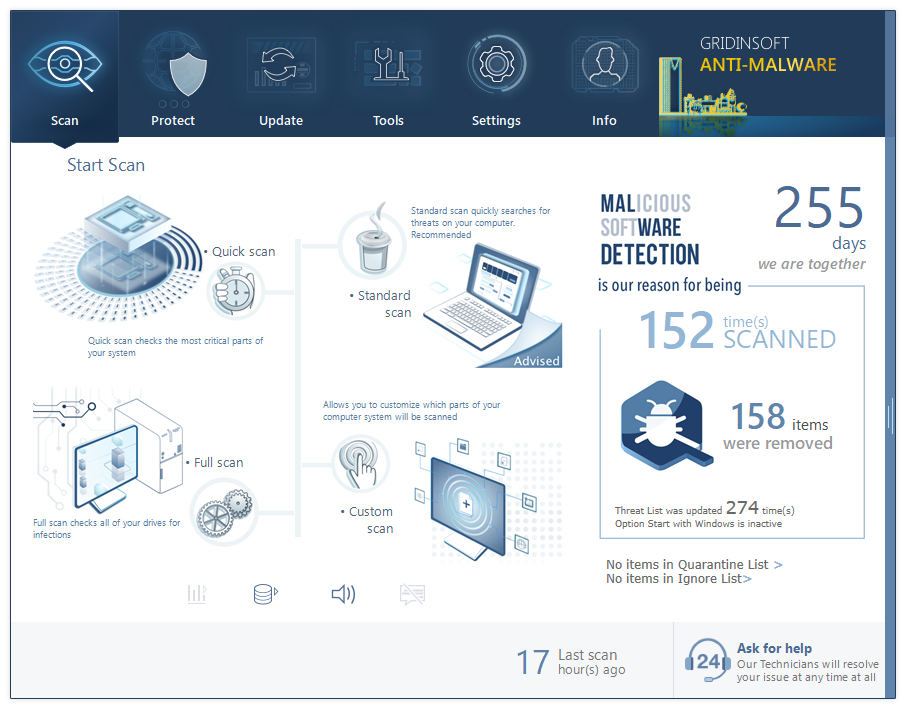
Step 1: Perform a Full System Scan
Go to the “Scan” tab and choose the type of scan you want to perform. For comprehensive malware removal, select the “Full Scan” option. Click the “Full Scan” area to initiate the scanning process.
Step 2: Remove Detected Malware
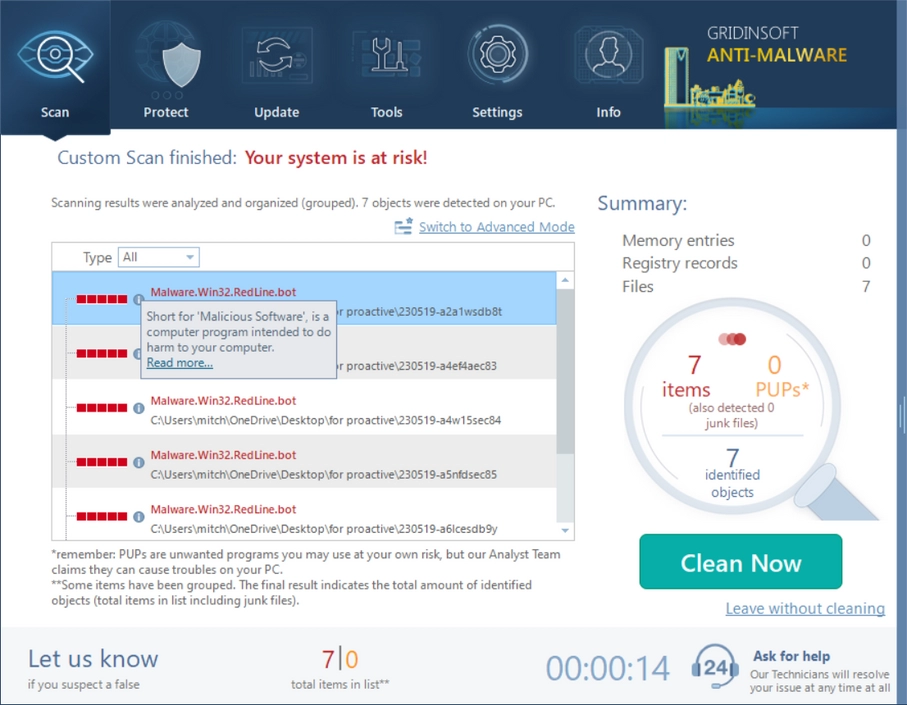
Was Found Malware on infected PC
Step 3: Restart & Enable Real-Time Protection
After the removal process is complete, restart your computer to finalize the changes and ensure that the malware is completely eliminated.
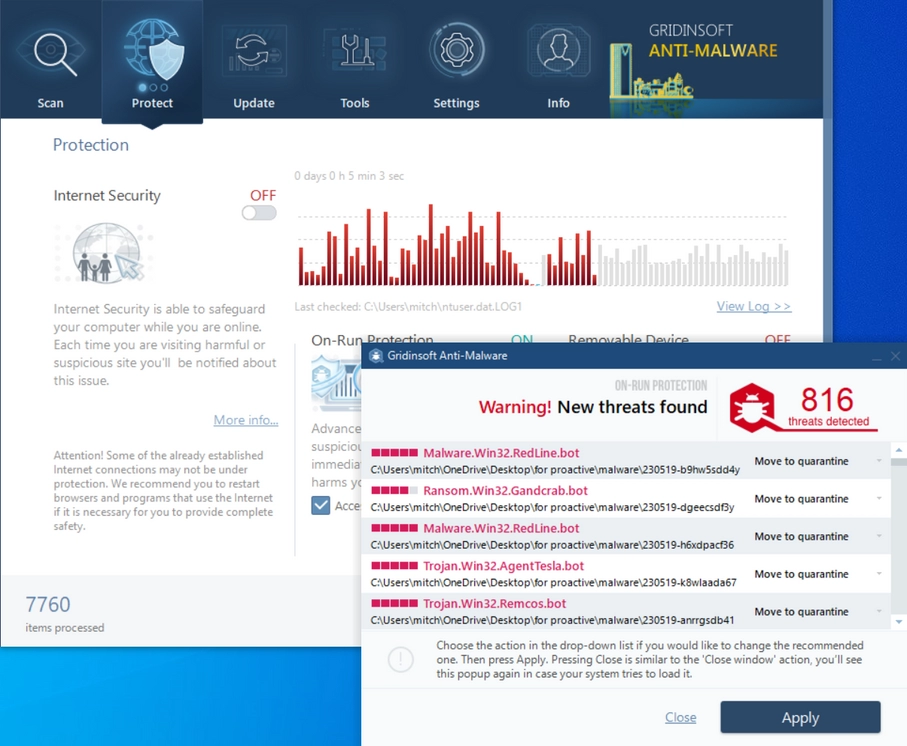
PC Protection in process
Conclusion
DAX3APIDLL.dll can be legitimate when it belongs to the expected software and is stored in the correct program folder. If the file location, signature, or behavior looks unusual, update the related application first, then scan the system and remove only confirmed unwanted or malicious items.


Leave a Comment