
The Ziver virus falls under the ransomware type of infection. Harmful software of such sort encrypts all the data on your computer (images, text files, excel tables, music, videos, etc) and appends its own extension to every file, creating the +README-WARNING+.txt text files in each directory containing encrypted files.
Ziver virus: what is known so far?
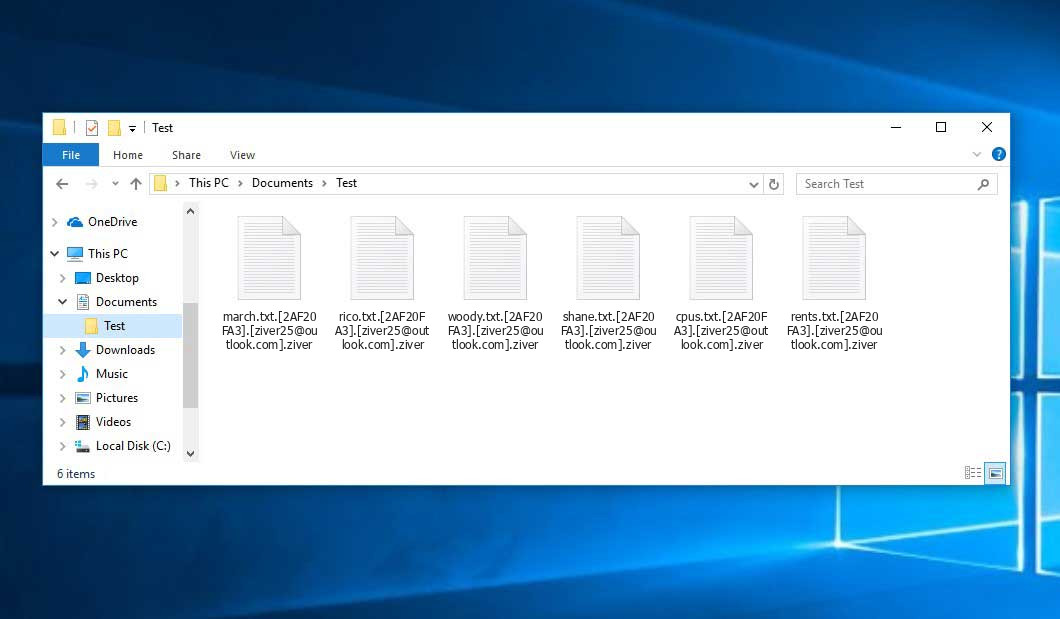
The pattern of renaming is this: .ziver. After the encryption, a file entitled, for example, “report.docx” will be turned into “report.docx.[2AF20FA3].[[email protected]].ziver”.
In every folder containing the encoded files, a +README-WARNING+.txt file will appear. It is a ransom money memo. Therein you can find information about the ways of contacting the racketeers and some other information. The ransom note most probably contains instructions on how to buy the decryption tool from the racketeers. You can get this decoding tool after contacting [email protected] through email. That is pretty much the scheme of the felony.
Ziver Summary:
| Name | Ziver Virus |
| Extension | .ziver |
| Ransomware note | +README-WARNING+.txt |
| Contact | [email protected] |
| Detection | Trojan:Win32/Tnega!MSR Removal, Win32:Adware-DNA [Adw] Virus Removal, Win32:Secat [Trj] Virus Removal |
| Symptoms | Your files (photos, videos, documents) have a .ziver extension and you can’t open them. |
| Fix Tool | See If Your System Has Been Affected by Ziver virus |
The +README-WARNING+.txt file coming in package with the Ziver ransomware states the following:
Files on your server are encrypted and compromised, stolen for the purpose of publishing on the internet.
You can avoid many problems associated with hacking your server.

We can decrypt your files, we can not publish files on the internet - To do this, you need to contact us as soon as possible.
To clarify the details of decryption, write to us using email.

<<>>

Avoid contacting intermediary companies that promise to decrypt files without our help - This is not true and you can lose access to your files forever.
They know how to tell a beautiful story, but they are not able to do anything without our help.
Be sure to contact us before using their help and we will show you that intermediaries can do nothing except their beautiful stories.

Email: [email protected]
In the picture below, you can see what a directory with files encrypted by the Ziver looks like. Each filename has the “.ziver” extension added to it.
An example of encrypted .ziver files.
How did my computer get infected with Ziver ransomware?
There is a huge number of possible ways of ransomware injection.
There are currently three most exploited ways for evil-doers to have the Ziver virus working in your digital environment. These are email spam, Trojan introduction and peer file transfer.
- If you open your mailbox and see letters that look just like notifications from utility services providers, postal agencies like FedEx, Internet providers, and whatnot, but whose sender is strange to you, beware of opening those letters. They are most likely to have a harmful item enclosed in them. Therefore, it is even more dangerous to open any attachments that come with letters like these.
- Another thing the hackers might try is a Trojan horse scheme. A Trojan is an object that gets into your PC pretending to be something legal. Imagine, you download an installer of some program you want or an update for some software. However, what is unpacked turns out to be a harmful agent that compromises your data. As the installation wizard can have any title and any icon, you’d better be sure that you can trust the resource of the things you’re downloading. The best way is to use the software companies’ official websites.
- As for the peer file transfer protocols like torrents or eMule, the threat is that they are even more trust-based than the rest of the Internet. You can never guess what you download until you get it. Our suggestion is that you use trustworthy websites. Also, it is reasonable to scan the directory containing the downloaded objects with the anti-malware utility as soon as the downloading is done.
How do I get rid of ransomware?
It is crucial to note that besides encrypting your data, the Ziver virus will probably install Vidar Stealer on your computer to seize your credentials to various accounts (including cryptocurrency wallets). That program can extract your credentials from your browser’s auto-filling cardfile.
Remove Ziver with Gridinsoft Anti-Malware
We have also been using this software on our systems ever since, and it has always been successful in detecting viruses. It has blocked the most common Ransomware as shown from our tests with the software, and we assure you that it can remove Ziver as well as other malware hiding on your computer.
To use Gridinsoft for remove malicious threats, follow the steps below:
1. Begin by downloading Gridinsoft Anti-Malware, accessible via the blue button below or directly from the official website gridinsoft.com.
2.Once the Gridinsoft setup file (setup-gridinsoft-fix.exe) is downloaded, execute it by clicking on the file.
3.Follow the installation setup wizard's instructions diligently.
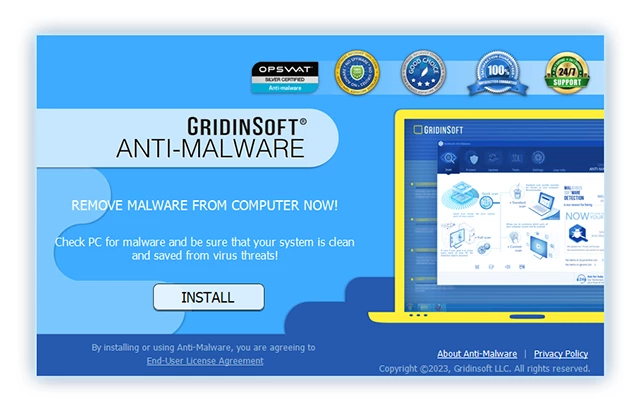
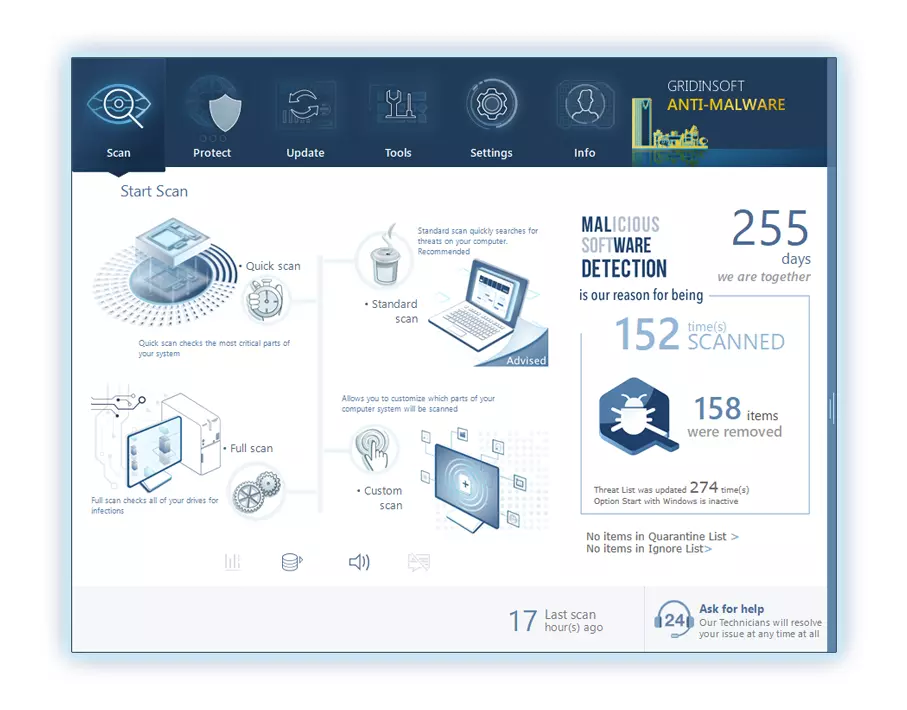
4. Access the "Scan Tab" on the application's start screen and launch a comprehensive "Full Scan" to examine your entire computer. This inclusive scan encompasses the memory, startup items, the registry, services, drivers, and all files, ensuring that it detects malware hidden in all possible locations.
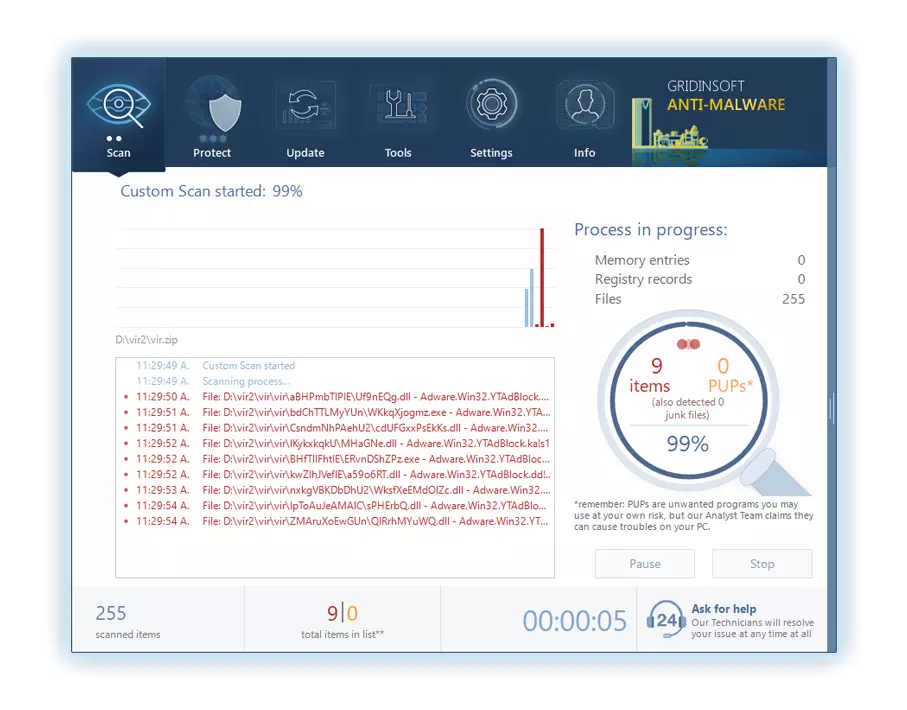
Be patient, as the scan duration depends on the number of files and your computer's hardware capabilities. Use this time to relax or attend to other tasks.
5. Upon completion, Anti-Malware will present a detailed report containing all the detected malicious items and threats on your PC.
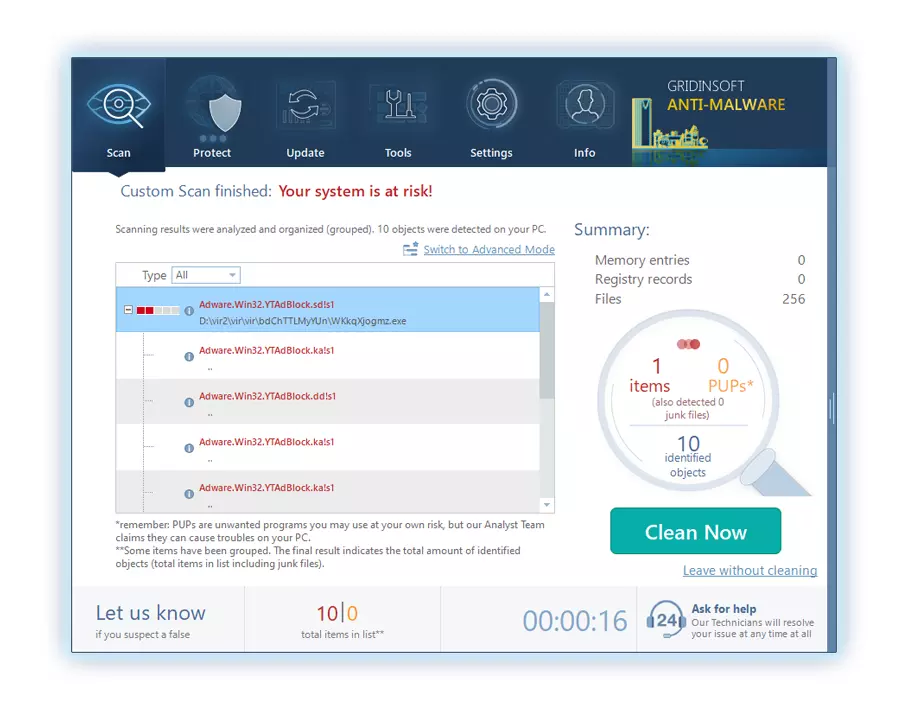
6. Select all the identified items from the report and confidently click the "Clean Now" button. This action will safely remove the malicious files from your computer, transferring them to the secure quarantine zone of the anti-malware program to prevent any further harmful actions.
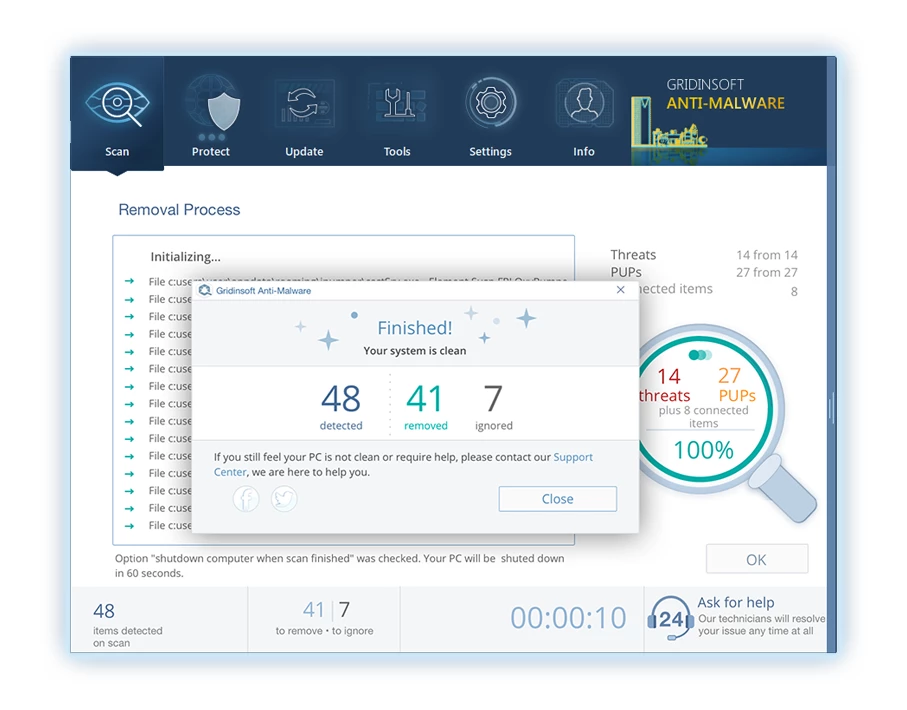
8. If prompted, restart your computer to finalize the full system scan procedure. This step is crucial to ensure thorough removal of any remaining threats. After the restart, Gridinsoft Anti-Malware will open and display a message confirming the completion of the scan.
Remember Gridinsoft offers a 6-day free trial. This means you can take advantage of the trial period at no cost to experience the full benefits of the software and prevent any future malware infections on your system. Embrace this opportunity to fortify your computer's security without any financial commitment.
Trojan Killer for “Ziver” removal on locked PC
In situations where it becomes impossible to download antivirus applications directly onto the infected computer due to malware blocking access to websites, an alternative solution is to utilize the Trojan Killer application.
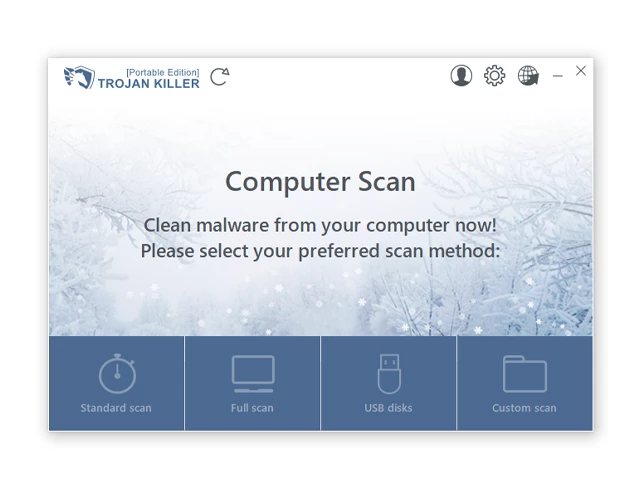
There is a really little number of security tools that are able to be set up on the USB drives, and antiviruses that can do so in most cases require to obtain quite an expensive license. For this instance, I can recommend you to use another solution of GridinSoft - Trojan Killer Portable. It has a 14-days cost-free trial mode that offers the entire features of the paid version. This term will definitely be 100% enough to wipe malware out.
Trojan Killer is a valuable tool in your cybersecurity arsenal, helping you to effectively remove malware from infected computers. Now, we will walk you through the process of using Trojan Killer from a USB flash drive to scan and remove malware on an infected PC. Remember, always obtain permission to scan and remove malware from a computer that you do not own.
Step 1: Download & Install Trojan Killer on a Clean Computer:
1. Go to the official GridinSoft website (gridinsoft.com) and download Trojan Killer to a computer that is not infected.
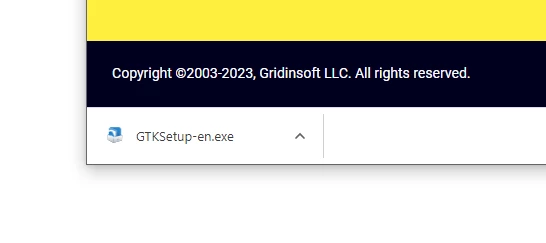
2. Insert a USB flash drive into this computer.
3. Install Trojan Killer to the "removable drive" following the on-screen instructions.
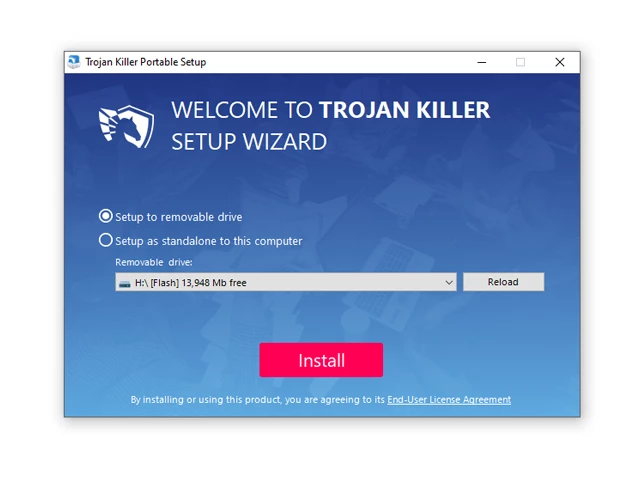
4. Once the installation is complete, launch Trojan Killer.
Step 2: Update Signature Databases:
5. After launching Trojan Killer, ensure that your computer is connected to the Internet.
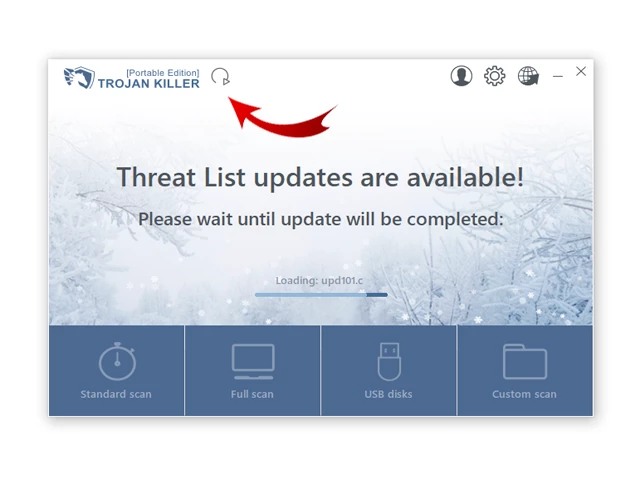
6. Click "Update" icon to download the latest signature databases, which will ensure the tool can detect the most recent threats.
Step 3: Scan the Infected PC:
7. Safely eject the USB flash drive from the clean computer.
8. Boot the infected computer to the Safe Mode.
9. Insert the USB flash drive.
10. Run tk.exe
11. Once the program is open, click on "Full Scan" to begin the malware scanning process.
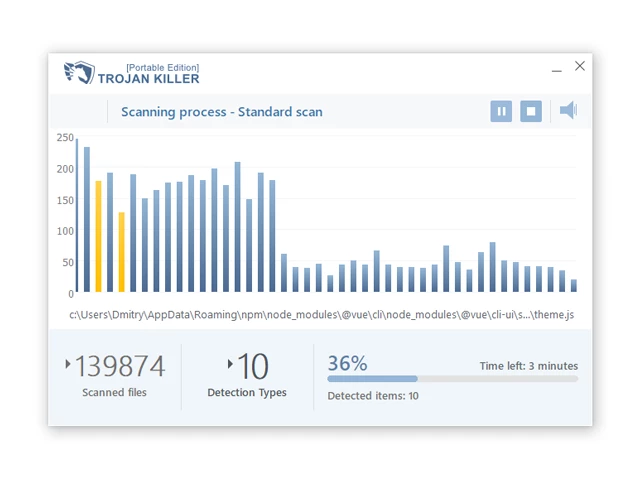
Step 4: Remove Found Threats:
12. After the scan is complete, Trojan Killer will display a list of detected threats.
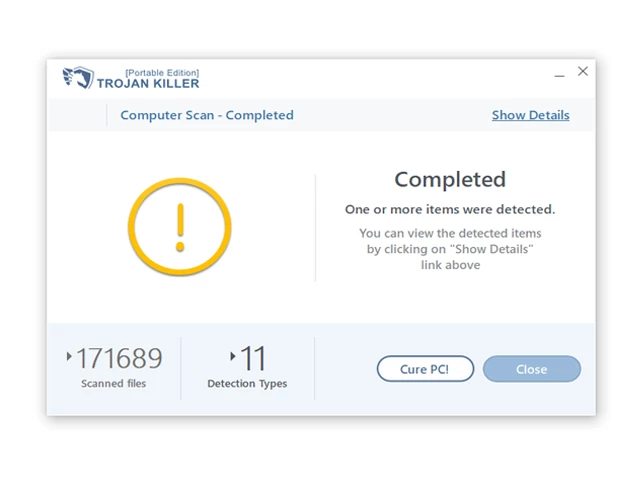
13. Click on "Cure PC!" to remove the identified malware from the infected PC.
14. Follow any additional on-screen prompts to complete the removal process.
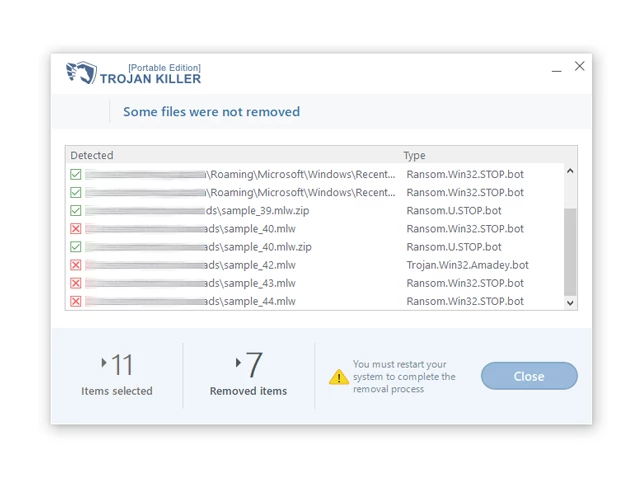
Step 5: Restart Your Computer:
15. Once the threats are removed, click on "Restart PC" to reboot your computer.
16. Remove the USB flash drive from the infected computer.
Congratulations on effectively removing Ziver and the concealed threats from your computer! You can now have peace of mind, knowing that they won't resurface again. Thanks to Gridinsoft's capabilities and commitment to cybersecurity, your system is now protected.
Often criminals would unblock several of your files to prove that they really have the decryption program. Since Ziver virus is a relatively recent ransomware, security software engineers have not yet found a method to undo its work. Nevertheless, the anti-ransomware instruments are constantly updated, so the solution may soon be available.
Understandably, if the hackers do the job of encoding someone’s critical files, the hopeless person will probably comply with their demands. Despite that, paying to racketeers gives no guarantee that you’re getting your blocked information back. It is still dangerous. After receiving the money, the racketeers may send a wrong decryption code to the injured party. There were reports of ransomware developers just vanishing after getting the ransom without even writing back.
The best solution against ransomware is to have a system restore point or the copies of your critical files in the cloud disk or at least on an external disk. Of course, that might be insufficient. Your most important thing could be that one you were working on when it all went down. Nevertheless, it is something. It is also wise to scan your drives with the anti-malware utility after the OS is rolled back.
There are other ransomware products, besides Ziver, that work similarly. Examples of those are Crone, Gunra, Hudson, and some others. The two major differences between them and the Ziver are the ransom amount and the method of encryption. The rest is the same: documents become inaccessible, their extensions changed, ransom notes are created in each directory containing encoded files.
Some fortunate victims were able to decrypt the blocked files with the aid of the free tools provided by anti-ransomware developers. Sometimes the racketeers mistakenly send the decryption key to the victims in the ransom note. Such an epic fail allows the injured part to restore the files. But obviously, one should never expect such a chance. Remember, ransomware is a tamperers’ technology to lay their hands on the money of their victims.
How do I avoid ransomware injection?
Ziver ransomware has no superpower, so as any similar malware.
You can defend your PC from its attack within several easy steps:
- Ignore any emails from unknown senders with unknown addresses, or with content that has nothing to do with something you are expecting (can you win in a lottery without participating in it?). In case the email subject is likely something you are waiting for, check all elements of the dubious letter carefully. A fake email will surely have mistakes.
- Avoid using cracked or untrusted programs. Trojan viruses are often distributed as an element of cracked products, possibly as a “patch” preventing the license check. But untrusted programs are difficult to distinguish from reliable software, as trojans sometimes have the functionality you seek. You can try to find information on this software product on the anti-malware forums, but the best solution is not to use such software.
- And finally, to be sure about the safety of the files you downloaded, use GridinSoft Anti-Malware. This software will be a powerful defense for your PC.
FAQ
🤔 Are the “.ziver” files accessible?
There’s no way to do it, unless the files “.ziver” files are decrypted.
🤔 What should I do to make my files accessible as fast as possible?
Hopefully, you have made a copy of those important files. Otherwise, you might try to employ System Restore. The only question is whether you have saved any Restore Points that would be helpful now. All other solutions require time.
🤔 If GridinSoft deletes the Ziver malware, will it also delete my files that were encrypted?
Absolutely not! Unlike the ransomware program itself, the encrypted files do not jeopardize your system.
GridinSoft Anti-Malware only deals with active threats. The malware that has attacked your PC is probably still functional and it scans your system every so often to encrypt any new files you might create on your PC after the infection. As it has already been said, the Ziver malware does not come alone. It installs backdoors and keyloggers that can steal your account credentials and provide hackers with easy access to your system in the future.
🤔 What actions should I take if the Ziver malware has blocked my computer and I can’t get the activation key.
If that happened, you need to prepare a flash memory card with a previously installed Trojan Killer. Use Safe Mode to execute the procedure. You see, the ransomware runs automatically as the system boots and encodes any new files created or brought into your system. To block this process – use Safe Mode, which allows only the vital applications to run upon system start. Consider reading our manual on booting Windows in Safe Mode.
🤔 What can I do right now?
Some of the encrypted data can be found elsewhere.
- If you exchanged your important files via email, you could still download them from your online mail server.
- You may have shared photographs or videos with your friends or family members. Simply ask them to give those images back to you.
- If you have initially downloaded any of your files from the Internet, you can try downloading them again.
- Your messengers, social networks pages, and cloud drives might have all those files as well.
- It might be that you still have the needed files on your old PC, a portable device, phone, external storage, etc.
HINT: You can use data recovery programs1 to retrieve your lost information since ransomware blocks the copies of your files, deleting the original ones. In the tutorial below, you can see how to use PhotoRec for such a restoration, but remember: you won’t be able to do it before you kill the virus with an antivirus program.
I need your help to share this article.
It is your turn to help other people. I have written this guide to help users like you. You can use the buttons below to share this on your favorite social media Facebook, Twitter, or Reddit.
Brendan SmithUser Review
( votes)References
- Here are Top 10 Data Recovery Software Of 2024.
