
SearchApp.exe is usually part of Windows Search. Windows uses Search to find apps, settings, files, and indexed content from the taskbar and File Explorer. On Windows 10 and Windows 11, search-related components can appear in Task Manager while indexing, showing search UI, or processing a query.
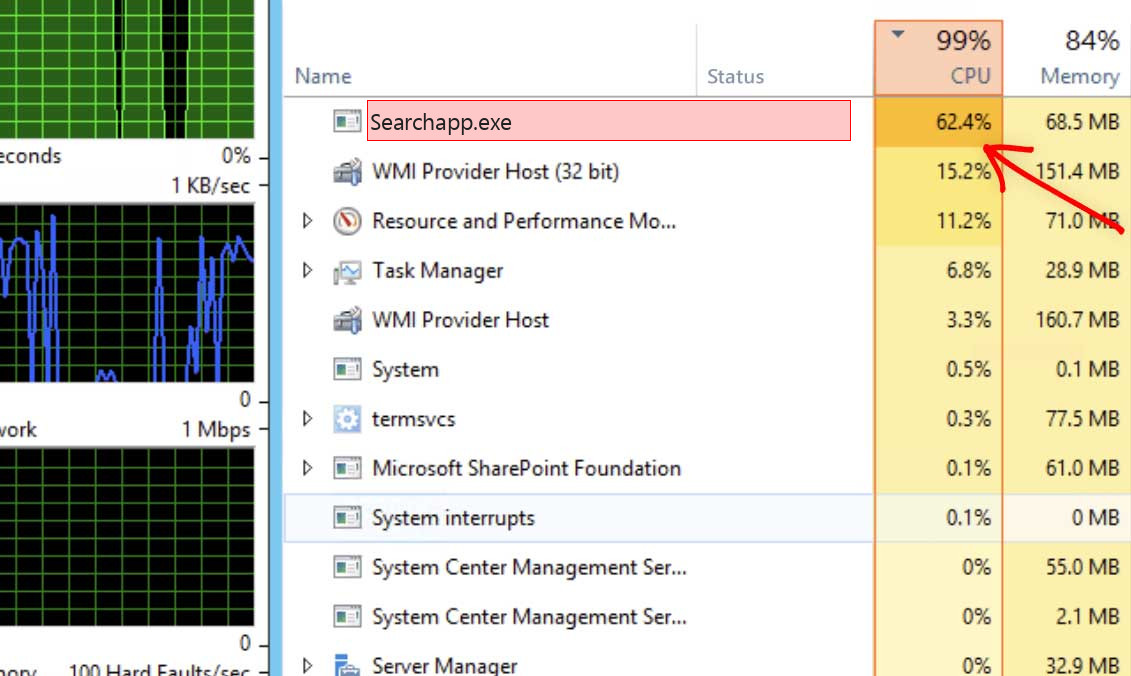
What is SearchApp.exe?
SearchApp.exe is tied to the Windows Search experience. Microsoft describes Windows Search as the feature used from the taskbar or File Explorer to quickly find apps, files, and settings. Search components may run in the background so results are ready when you type.
The real file is not malware. A fake copy can still use the same name, especially if it runs from a user-writable folder or has no Microsoft signature.
Safe vs suspicious signs
| Usually legitimate | Suspicious |
| Located in a Windows system/app package location and signed by Microsoft. | Runs from AppData, Temp, Downloads, Startup, or a random folder. |
| CPU rises while searching or indexing. | High CPU/GPU continues while idle with a suspicious path. |
| Windows Search works normally. | Search redirects to unknown websites or browser settings change. |
| Appears after Windows updates or index rebuilding. | Appears after freeware, cracks, fake updates, or unknown installers. |
Why SearchApp.exe can use CPU
CPU usage can rise when Windows rebuilds the search index, after a large number of files changes, after a Windows update, or while syncing cloud folders. It can also happen if the index is damaged or if a folder with many temporary files is included in indexing.
How to fix high CPU
- Wait a few minutes after login or Windows update.
- Open indexing/search settings and check indexed locations.
- Exclude very large temporary/build folders from indexing if they do not need search.
- Run the Search and Indexing troubleshooter if available.
- Rebuild the search index if results are broken or CPU loops continue.
- Install Windows updates and reboot.
How to verify it
Open Task Manager, right-click SearchApp.exe, and check the file location. Verify the Microsoft signature. If the file is outside Windows locations, scan it and inspect startup entries. Search hijackers usually change browser settings; they do not need the real Windows Search process to function.
When to treat it as malware
Treat it as suspicious if the path is wrong, the publisher is not Microsoft, or the process appears with browser redirects, fake search engines, unknown extensions, or disabled security tools. In that case, clean browser settings and startup entries as well as the file itself.
Decision tree for SearchApp.exe high CPU
If SearchApp.exe is active right after login, after a Windows update, or after adding many files, Windows may be refreshing the search index. Wait and check whether usage drops. If it spikes only when typing in Start or File Explorer, the search UI or index may be slow but not malicious.
If the process runs from a suspicious path, if search opens unwanted websites, or if browser settings change, treat it as a security issue. Windows Search and browser search hijackers are different things, but users often confuse them because both involve “search”.
Indexing locations to review
Exclude folders that do not need Windows Search: build outputs, temporary folders, VM images, large backup folders, package caches, and huge archives. Keep normal document and desktop folders indexed if you rely on Windows Search. Reducing noisy locations is safer than disabling search entirely.
How to rebuild Search cleanly
If search results are missing or CPU loops continue, rebuild the index from Windows indexing options. Rebuilding can take time and may temporarily increase CPU. Do it when the PC can stay on for a while. If the issue returns immediately after rebuild, look for one folder or file type that keeps changing.
After fixing SearchApp.exe
Test Start menu search, Settings search, and File Explorer search. Then check Task Manager while idle. If SearchApp.exe stays quiet and search results work, the fix is good. If redirects or unwanted browser search engines remain, clean browser extensions and search provider settings separately.
Practical example
If SearchApp.exe spikes after syncing thousands of cloud files, reduce indexed folders and let the index settle. If it spikes after opening Start search, rebuild the index. If a “search” problem sends browser queries to Yahoo or another unwanted provider, that is usually a browser hijacker, not Windows Search itself.
This distinction matters because rebuilding Windows Search will not remove malicious browser extensions, and removing browser extensions will not repair a damaged Windows index.
What to record before cleanup
If the suspicious file is not Microsoft-signed, record the path, hash, and startup source. If browser search was hijacked at the same time, note the extension names and search provider URLs before removal. This makes it easier to see whether the problem was Windows Search, a browser extension, or a bundled unwanted app.
For workstations with huge repositories or media libraries, review indexing policy regularly. Search performance improves when Windows indexes useful folders instead of constantly scanning temporary data.
That is especially important on developer PCs where file churn can make indexing look like malware activity.
FAQ
Is SearchApp.exe safe?
The real Microsoft Windows Search component is safe. A fake file using the same name is not.
Can I disable Windows Search?
You can reduce indexing, but disabling Search can make app and file search slower or broken.
Why does it use CPU after updates?
Windows may rebuild or refresh the search index after updates or large file changes.



Leave a Comment