
IDP.ALEXA.54 is the detection of the heuristic engine of your antivirus (like Avast, AVG, or Avira), which may unexpectedly detect this virus. This detection means that it has found something that matches the characteristics of a known or suspected virus, malware, or potentially unwanted program (PUP).
IDP.ALEXA.54
In some cases, “IDP ALEXA 54” detections could be false positives, meaning that Avast or AVG has flagged a harmless file or application as suspicious. False positives can occur due to various reasons, such as outdated virus definitions, heuristics-based scanning, or similarities between the file and known malware patterns.
An Identity Protection Detection (IDP) component of Avast flags your files whenever they perform actions identical to malware that trigger the alert.
If Avast or AVG detects IDP.ALEXA.54, it is advisable to review the specific details provided by another antivirus program (as a second opinion) and adhere to any recommended actions, such as quarantining or removing the flagged files. Furthermore, conducting further research or seeking guidance from your antivirus provider can provide additional information and assistance regarding the handling of this detection.
Is IDP.ALEXA.54 a virus or a false positive detection?
Free versions of Avast, AVG, and Avira do not offer the users an automatic database update, as well as not able to remove viruses. Malware is constantly changing, so using an antivirus solution with the databases for 2017 in 2021 was pretty naive. Heuristic engines have this problem even more expressed. Without the updates, this element may falsely detect the elements of legit programs or files, claiming that they are suspicious. Such a “protection” is just a colander for possible viruses, but the danger of outdated bases is not over. Antiviruses with old detection databases often detect legitimate programs because a security tool thinks it is suspicious of its activity. And IDP.ALEXA.54 is one of such cases.
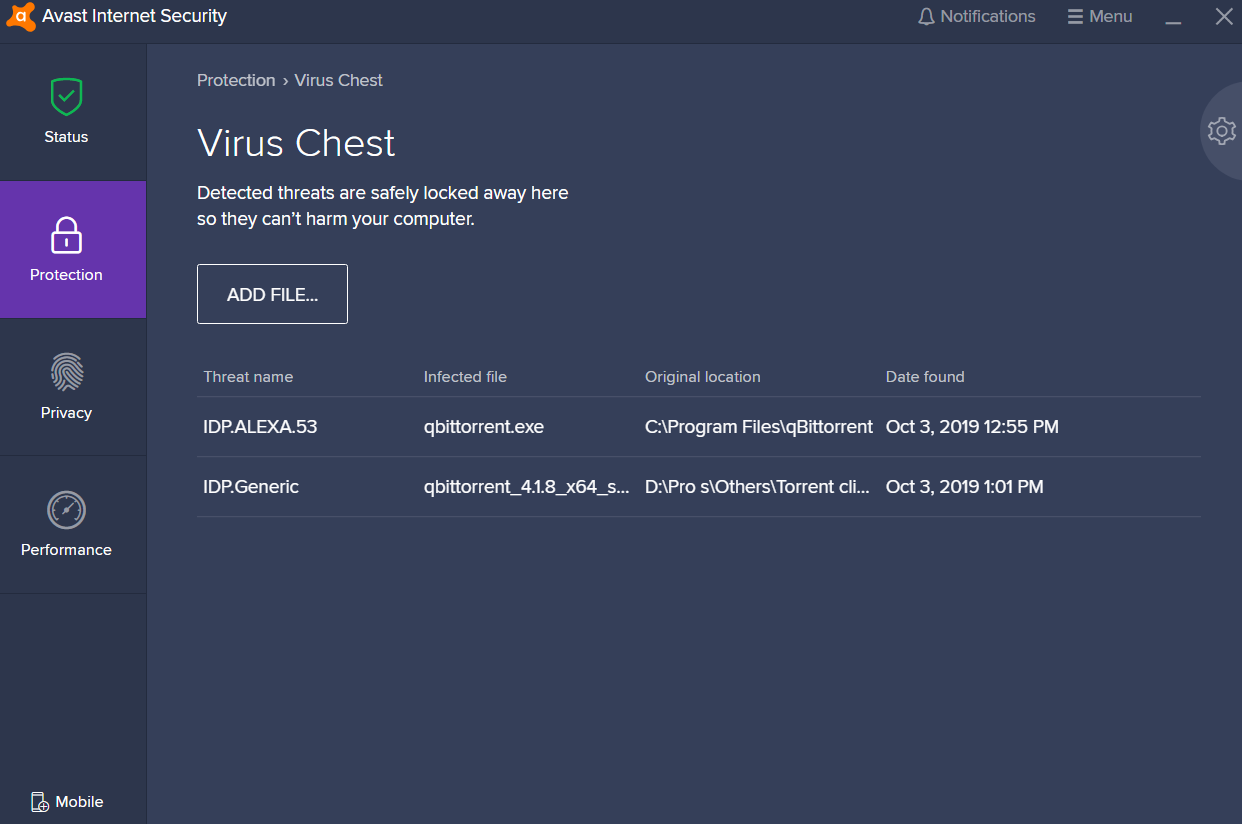
How to IDP.ALEXA.54 virus was detected by Avast
This “virus” may be a part of the program you use every day. It may also be a popular Flash game file called “Lovers” of all false positives. Most of the IDP.ALEXA.54 detections appear during the installation of SeaMonkey or Plants vs. Zombies. These games are 100% legit and do not carry any hazards to your PC. However, as I have already said, you need to be attentive because it is quite easy to miss a hazardous virus. Sometimes, the name ALEXA.54 is assigned to real viruses, usually – browser hijackers or adware.
How dangerous is it?
Here is the short review for this threat:
| Name | IDP.ALEXA.54 |
| Type | False detection, adware, browser hijacker, spyware, coin miner |
| Reason of appearance | Outdated detection databases of the antivirus tool |
| Possible source | Software bundles, email spam, malvertising |
| Removal method |
To remove possible virus infections, try to scan your PC |
Spyware and coin miners are much more stealthy. Their efficiency depends on the time they were active without detection. Quite a straight motivation to leave no paths in your system, isn’t it? And the damage they may carry is much bigger than adware, even if you remove it as soon as possible. Spyware is just a nuke for your privacy since it collects and passes all possible data about you and your system and then transfers it to its control center. Coin miner is easier to detect since it consumes a huge amount of your computer’s resources. But many users ignore enormous CPU load, blaming the bad hardware or unoptimized Windows OS for the lags.
How did I get this virus?
If IDP.ALEXA.54 is a virus, it can spread differently. But these days, the biggest share of virus distribution is after software bundles, email spamming, and malvertising.
Email spamming became a viral malware distribution method since the users do not raise suspicion on notifications from DHL or Amazon about the incoming delivery. However, it is pretty easy to distinguish the nasty email from the original one. The sender’s email address is a perfect indicator of the “originality” of that letter.
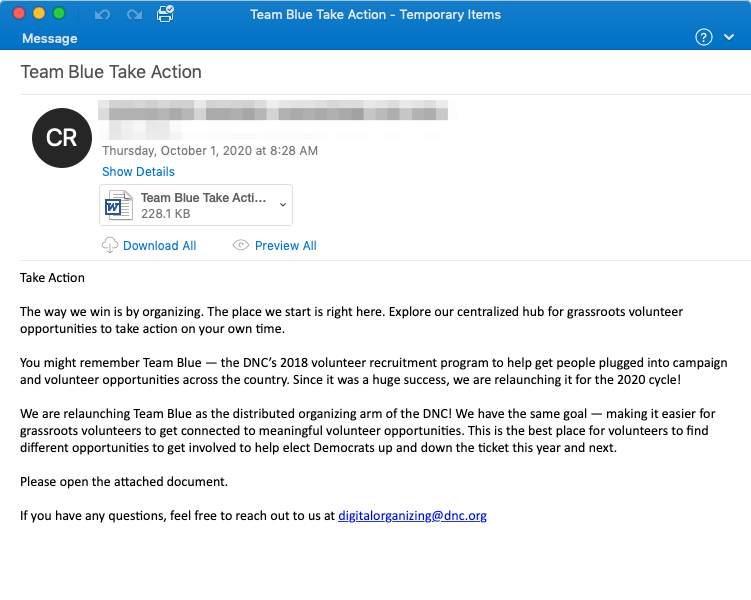
The example of email spam
Malicious advertisements on the web, however, are an old-timer of malware distribution. The advice to stop clicking the blinking advertisements on untrustworthy websites exists as long as the ads are on the Internet. You can also install ad-blocking plugins for your web browser – they will deal with any ads.
Software bundling is a widespread practice among virus developers. Users who hack the programs to make them usable without purchasing a license approve any offer to include another program in the pack because they are gaining money in such a way. Check precisely the installation window for signs like “Advanced installation settings” or so. The ability to switch off the malware installation often hides under such items.
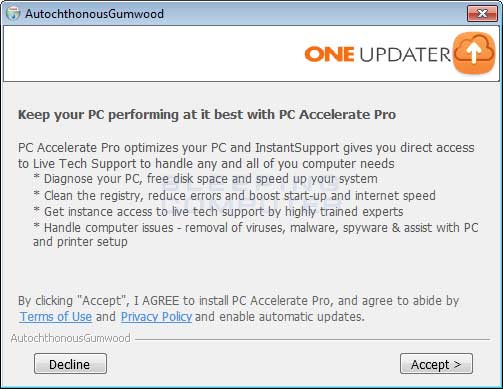
The example of bundle software installation
What to do with IDP.ALEXA.54?
Avast Detections
- FileRepPup: What Avast/AVG Detection Means and How to Remove It
- IDP.HEUR.26: What It Means and How to Check If It Is Safe
- URL:Scam: Avast/AVG Web Shield Detection Explained
- IDP.Generic: Avast/AVG Detection Explained
- IDP.ALEXA.54 Dangerous or Avast (AVG) False Positive?
- Win32:BogEnt Virus (Avast Detection)
- Win32:Trojan-gen Avast Virus
- URL:Phishing Avast Virus Detection: What Is It?
- URL:TechScam Avast Virus (TechScam Detection)
- URL:Blacklist (Blacklisted URL) Avast Detection



Leave a Comment