
The Trojan:Win32/Malgent!MSR detection is a generic Microsoft Defender name of a Trojan active in your system. This particular name is usually assigned to Solarmaker backdoor.
Backdoors like Malgent are flexible threats that may act as stand-alone malware, as well as be used in multi-stage attacks. Their main purpose is to create a remote connection to the infected system, that operates without the owner’s knowledge. To avoid any interruptions, this malware type aims to stay as stealthy as possible.
Win32/Malgent Threat Information
Backdoor Summary:
| Name | Malgent Backdoor |
| Detection | Trojan:Win32/Malgent!MSR |
| Damage | Gain access to the operating system to perform various malicious actions. |
| Similar | Bladabindi, Loda Rat Malware, Rukap, Imecab |
| Fix Tool | See If Your System Has Been Affected by Malgent backdoor |
File Info
Alternative detection names
Malgent Trojan Dangers
Non-harmful malware does not exist, and Trojan:Win32/Malgent!MSR is not an exception. This will likely be a nasty surprise when it can use your PC for its purposes. In addition, it can read your conversations, open your files, and spectate what you do.
Malgent is capable of:
- It can infect your computer, compromising its security and potentially leading to further harm.
- It can steal sensitive data, including personal information, login credentials, financial details, and files. As a result, identity theft, financial losses, or privacy breaches occur.
- It can tamper with system settings and files, causing your computer to become unstable, slow, or prone to crashes. This can disrupt your regular computer usage.
Detailed Malgent Analysis – Video
Manual Trojan:Win32/Vindor!pz Removal
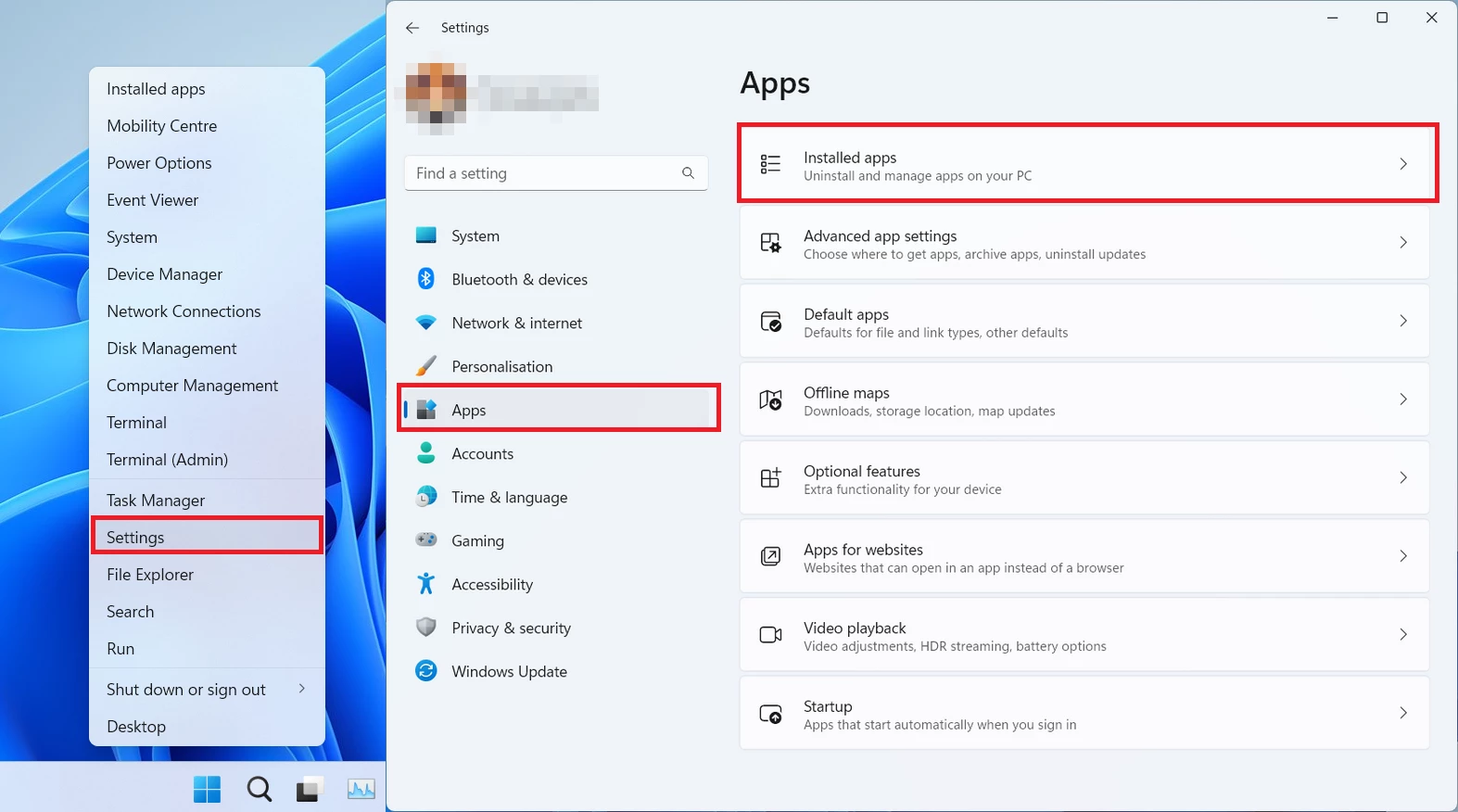
You can try removing Vindor manually, through the system Settings app. Click the Windows button with the right mouse button and find Settings in the appeared list. In Settings, go to Apps → Installed Apps menu.
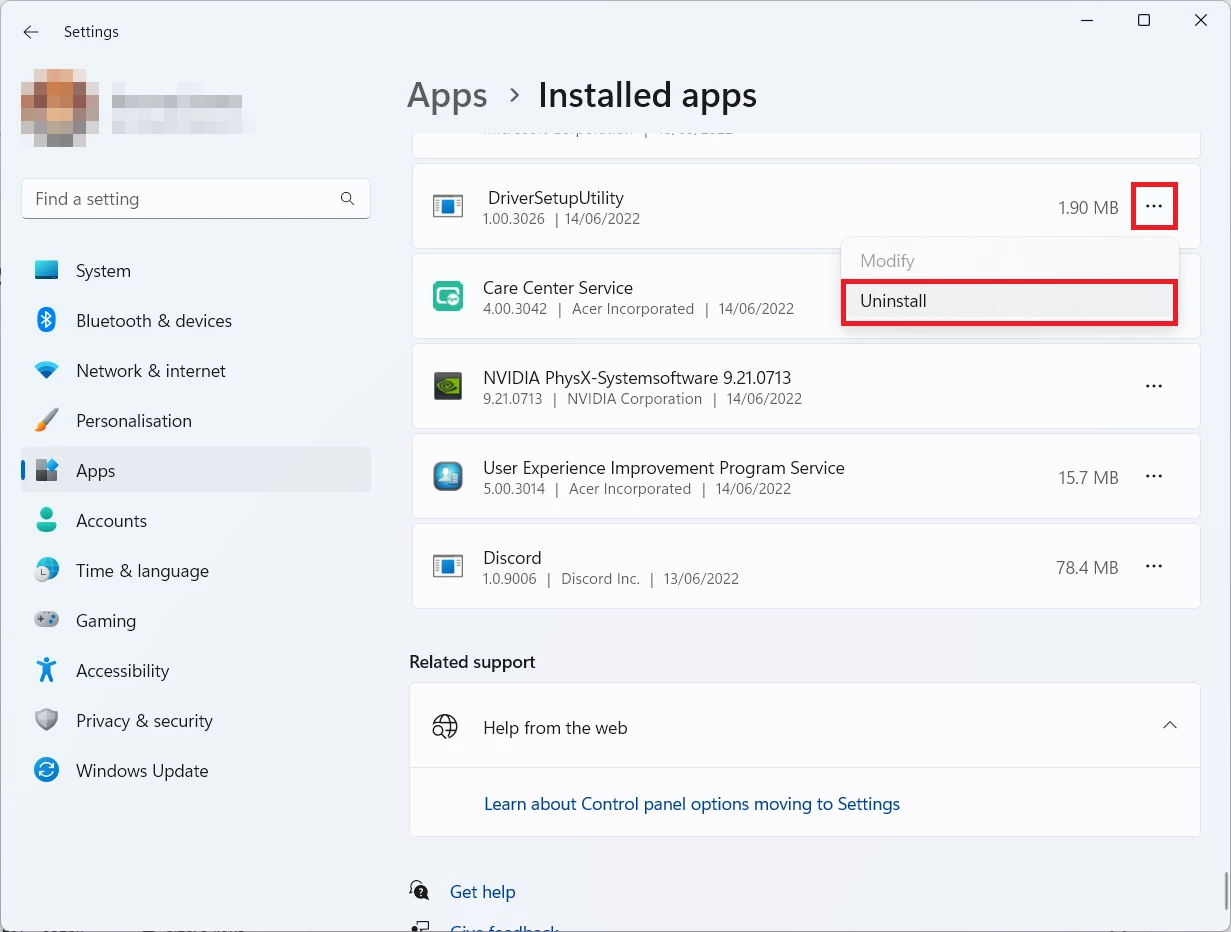
There, find the apps you do not remember installing. If you know a specific one Microsoft Defender is complaining on with the Win32/Vindor!pz detection, seek for them. Click the three-dot symbol to the right, and then choose “Uninstall”.
Reset Browser Settings
To remove any modifications to web browsers that Malgent could have potentially done, I’d recommend resetting your web browsers. Since a lot of sensitive and important information goes through web browsers, it is crucial to keep them clean of any malware.
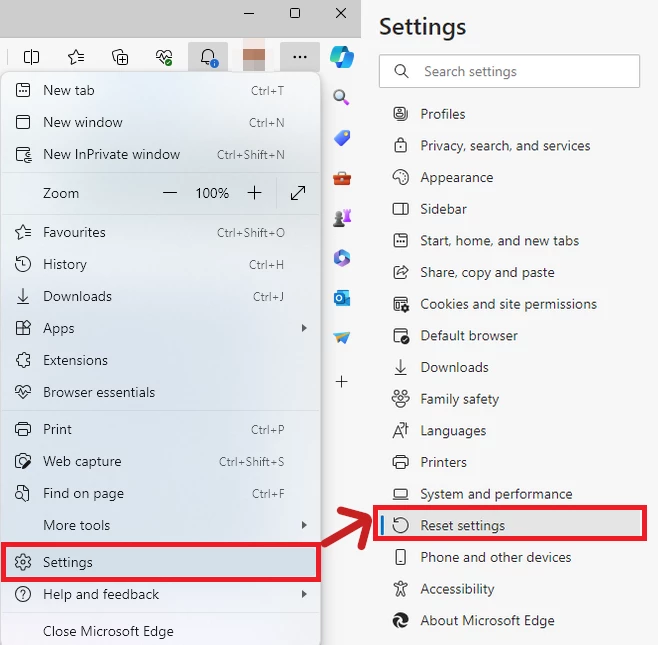
To reset Edge, do the following steps:
- Open “Settings and more” tab in upper right corner, then find here “Settings” button. In the left bar of the appeared menu, choose “Reset settings” option:
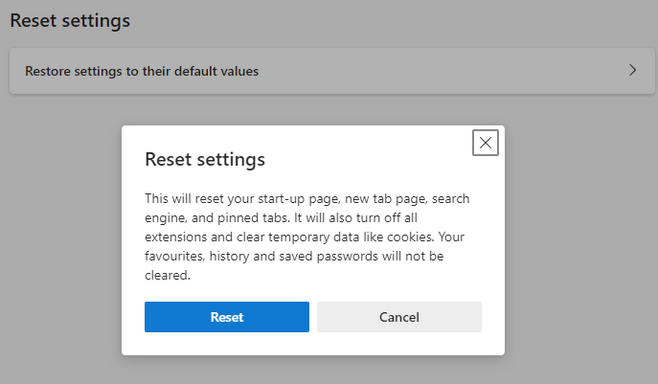
- After picking the Reset Settings option, you will see the following menu, stating about the settings which will be reverted to original:
For Mozilla Firefox, do the next actions:
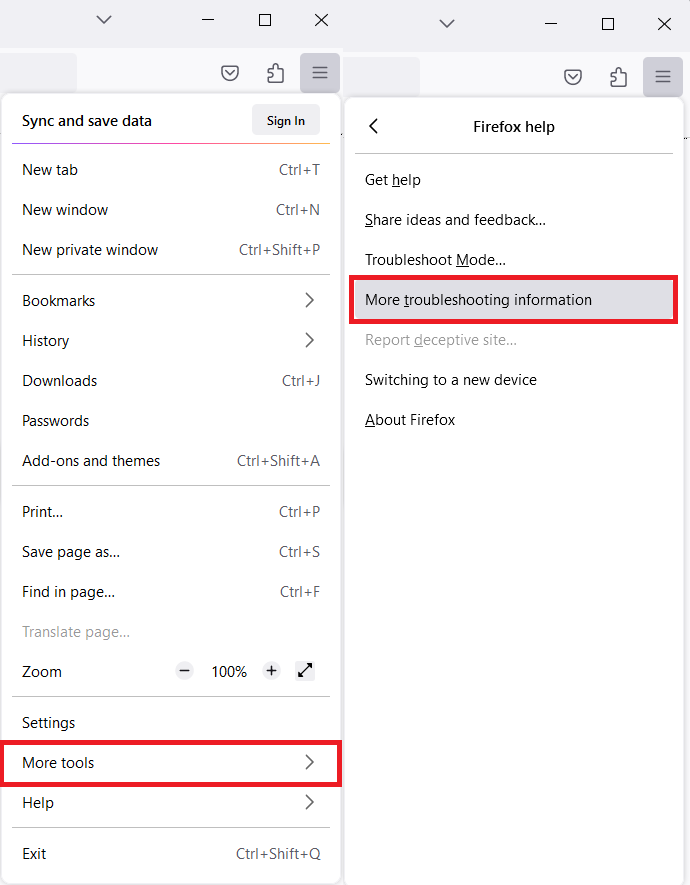
- Open Menu tab (three strips in upper right corner) and click the “Help” button. In the appeared menu choose “More troubleshooting information”:
- In the next screen, find the “Refresh Firefox” option:
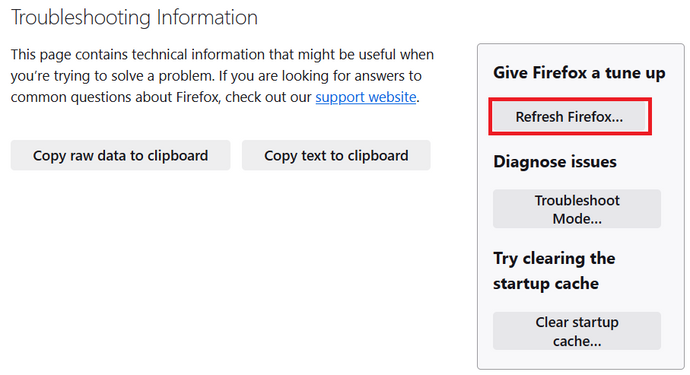
After choosing this option, you will see the warning message. Confirm the reset by pressing “Refresh Firefox”.
If you use Google Chrome
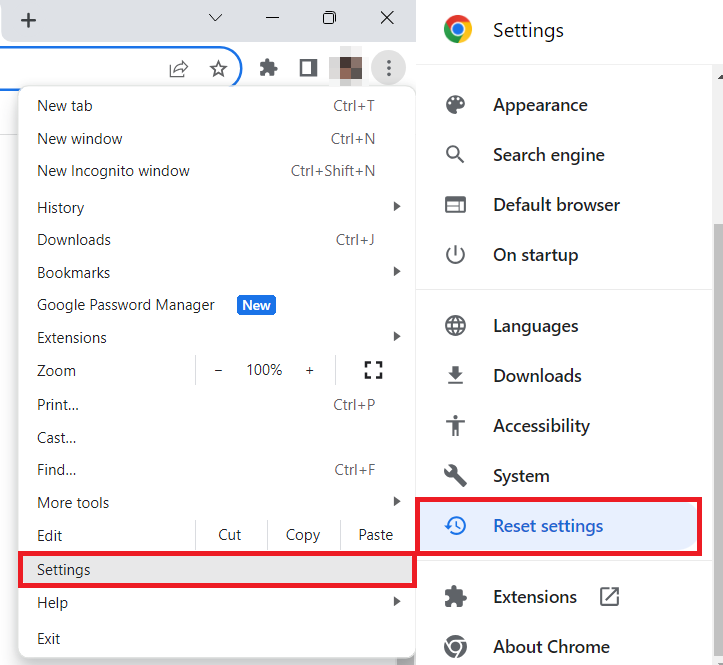
- Open Settings tab, and look for the “Reset Settings”:
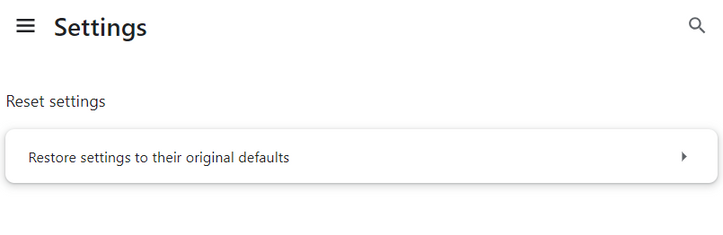
- In the appeared tab, click on the only option available – “Restore settings to their original defaults”:
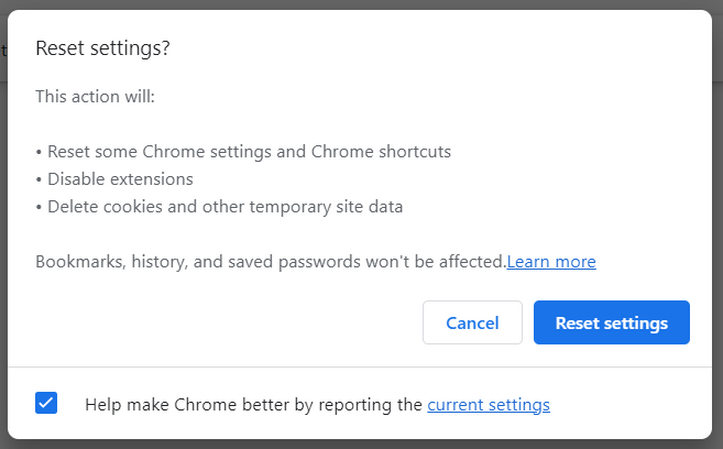
- Confirm the reset by pressing the Reset Settings button in the appeared window:
Opera can be reset in the next way
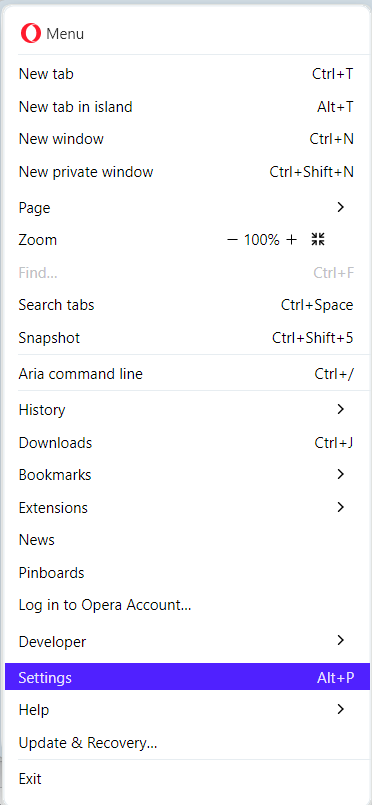
- Click the Opera icon in the top left corner, then go for the Settings in the drop-down menu:
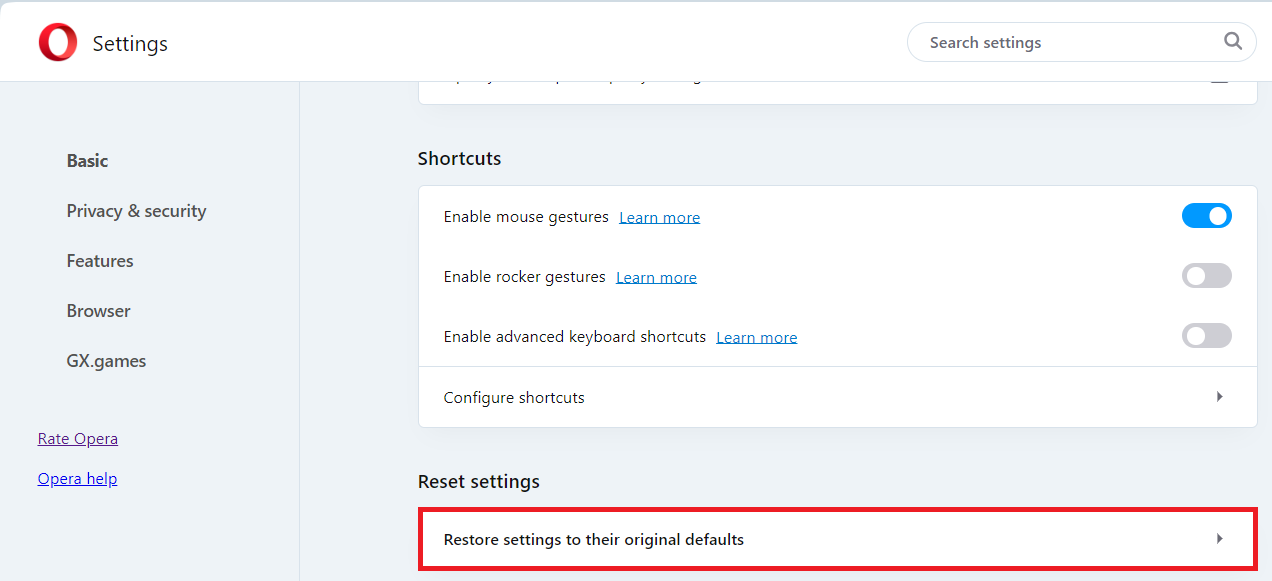
- There, scroll all the way down, until you see the Advanced button. Click it, and scroll down to the end, again. You will see the “Reset settings to their original defaults” option.
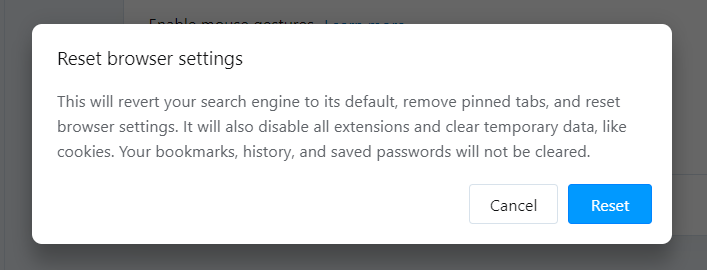
- Confirm the reset by clicking the Reset button in the pop-up window.



Leave a Comment