
Trojan:Win64/Rozena is a type of malicious software, commonly referred to as a Trojan, that is designed to infiltrate and compromise computer systems running on the Windows 64-bit operating system. Trojans like Rozena are typically used by cybercriminals to gain unauthorized access to systems, steal sensitive information, perform malicious actions, or provide a backdoor for further attacks.
Rozena, specifically, is known to be distributed as an executable file that is disguised to appear as a Microsoft Word document. It employs various techniques to spread itself, including being attached to spam emails or phishing campaigns, exploiting compromised websites to trigger drive-by downloads, and being downloaded as a payload by other malware already present on a system.
Once executed, the Rozena Trojan performs a series of actions. It creates an encrypted text file and utilizes an obfuscated PowerShell script called “CREATOR” to generate a secondary script named “DECODER.” The purpose of DECODER is to decrypt the text file, revealing a final script known as “INJECTOR.”
The INJECTOR script is responsible for injecting a piece of malicious code known as a shellcode into the targeted system. This shellcode allows the Trojan to establish communication with a command and control (C&C) server using a reverse TCP connection. Once connected to the C&C server, the attacker gains remote control over the compromised system, potentially enabling them to steal data, execute commands, or carry out other malicious activities.
It’s important to note that Trojan:Win64/Rozena and other similar threats are illegal and harmful forms of software that can lead to significant security breaches and data loss. To protect against such threats, it’s crucial to have up-to-date security software, practice safe online browsing habits, and exercise caution when opening email attachments or downloading files from untrusted sources.
Trojan:Win64/Rozena Summary:
| Name | Rozena Trojan Virus |
| Detection | Trojan:Win64/Rozena |
| Details | Rozena tool that looks legitimate but can take control of your computer. |
Sorts of viruses that were well-spread 10 years ago are no more the source of the trouble. Presently, the trouble is a lot more noticeable in the areas of blackmail or spyware. The difficulty of repairing these problems requires different software and different approaches.
Does your antivirus regularly report about the “Rozena”?
If you have seen a message showing the “Trojan:Win64/Rozena found”, then it’s a piece of great information! The infection “Trojan:Win64/Rozena” was discovered and, most likely, erased. Such messages do not mean that there was a truly energetic Rozena on your tool. You might have simply downloaded and install a data that contained Trojan:Win64/Rozena, so your antivirus software program automatically deleted it prior to it was introduced and also caused the difficulties. Alternatively, the harmful script on the infected internet site might have been discovered as well as prevented prior to triggering any issues.
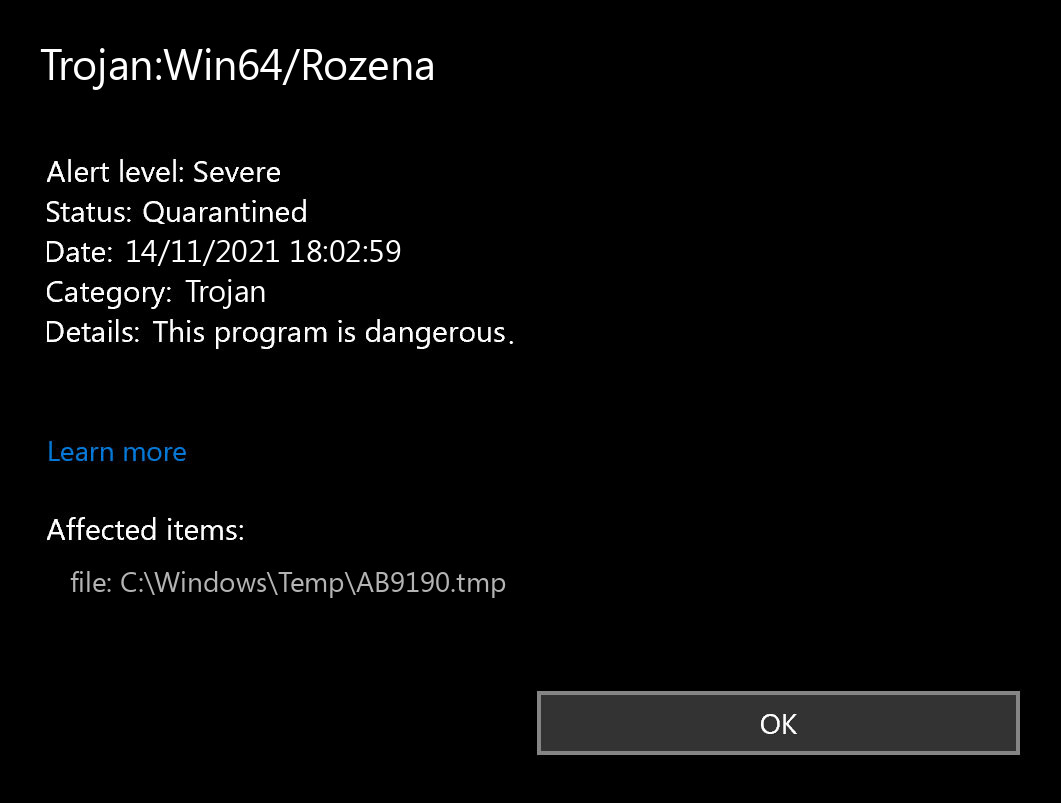
Microsoft Defender: “Trojan:Win64/Rozena”
In other words, the message “Trojan:Win64/Rozena Found” throughout the typical use your computer system does not indicate that the Rozena has finished its objective. If you see such a message after that it could be the proof of you going to the contaminated page or packing the malicious data. Attempt to prevent it in the future, however do not fret excessive. Trying out opening up the antivirus program and also inspecting the Trojan:Win64/Rozena detection log file. This will certainly provide you more information regarding what the exact Rozena was detected and what was particularly done by your anti-virus software application with it. Certainly, if you’re not certain enough, refer to the manual scan– anyway, this will be handy.
How to scan for malware, spyware, ransomware, adware, and other threats.
If your computer operates in an extremely sluggish way, the website open in an unusual way, or if you see ads in the position you’ve never ever anticipated, it’s possible that your computer obtained contaminated and also the virus is now active. Spyware will certainly track all your tasks or reroute your search or home pages to the locations you don’t want to go to. Adware might contaminate your browser and also also the entire Windows OS, whereas the ransomware will certainly attempt to block your system and demand a remarkable ransom money quantity for your own documents.
How to scan your PC for Trojan:Win64/Rozena?
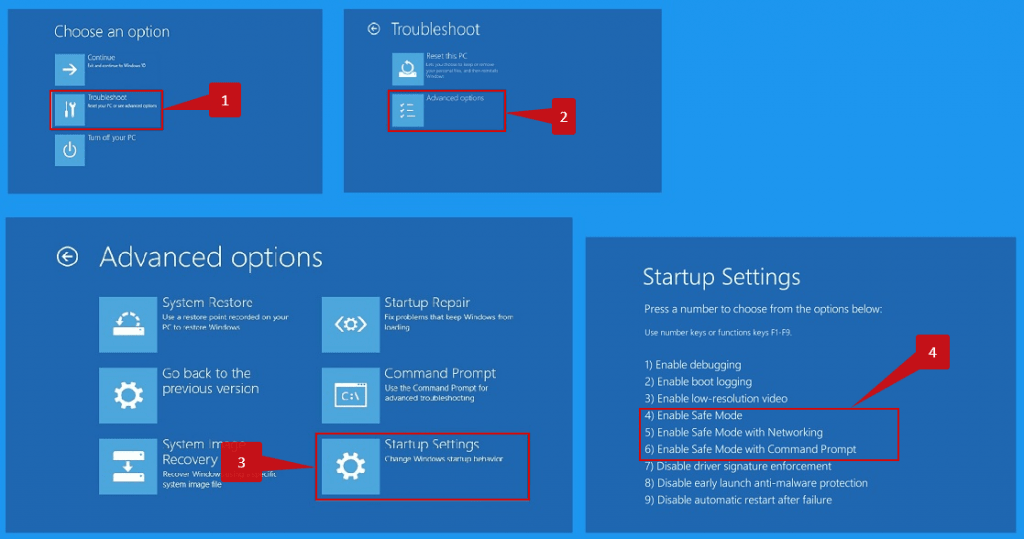
Use Safe Mode to fix the most complex Trojan:Win64/Rozena issues.
It’s not sufficient to merely use the antivirus for the safety and security of your system. You need to have much more comprehensive antivirus service. Not all malware can be found by standard antivirus scanners that primarily try to find virus-type hazards. Your computer might be full of “junk”, as an example, toolbars, internet browser plugins, shady online search engines, bitcoin-miners, and also other types of unwanted software used for making money on your inexperience. Beware while downloading programs on the internet to stop your device from being filled with unwanted toolbars and also other scrap data.


Leave a Comment