
If you have come across the file named “sclgntfy.dll” on your computer, you might be wondering what it is and whether it is safe to keep or remove it. In this article, we will provide you with insights into sclgntfy.dll, its purpose, and whether you should consider removing it from your system.
Sclgntfy.dll can potentially be malware. While the genuine sclgntfy.dll file is an essential component of the Windows operating system and is not harmful, malicious actors may create fake or infected versions of DLL files, including sclgntfy.dll, to carry out malicious activities.
Malware authors often use filenames that resemble legitimate system files to evade detection and trick users into running malicious code. They may place the malicious sclgntfy.dll file in critical system directories or use it to execute malicious commands or scripts.
To ensure the integrity of the sclgntfy.dll file on your system, it is essential to keep your operating system and security software up to date. Regularly scanning your computer with reputable antivirus or anti-malware software can help detect and remove any potential threats, including malware posing as system files.
What is sclgntfy.dll?
The Sclgntfy.dll file is a dynamic link library (DLL) file associated with the Windows operating system. DLL files contain code and instructions that multiple programs can use simultaneously, saving disk space and promoting code reusability. sclgntfy.dll specifically stands for “Shell Command Line Generate Notify,” and it is related to the Windows Shell infrastructure.
Sclgntfy.dll is responsible for generating notifications related to command-line operations in the Windows Shell. It plays a role in providing feedback and notifications for various actions and events occurring within the command-line interface, such as executing commands, processing scripts, or handling batch files.
Should I remove sclgntfy.dll?
In general, you should not remove or delete the sclgntfy.dll file from your system. It is an essential component of the Windows operating system, and removing it can cause system instability and disrupt the functioning of certain command-line operations.
However, it is important to note that DLL files can sometimes be targeted by malware or become corrupted, leading to errors and potential security risks. If you suspect that the sclgntfy.dll file on your system is infected or causing issues, it is recommended to perform a thorough malware scan using reliable antivirus or anti-malware software. These tools can detect and remove any malicious or corrupted versions of DLL files, including sclgntfy.dll, while preserving the original and legitimate system files.
How to Fix sclgntfy.dll Errors?
If you are experiencing errors related to the sclgntfy.dll file, such as “sclgntfy.dll not found” or “sclgntfy.dll is missing,” here are a few troubleshooting steps you can try:
- Restart your computer: Sometimes, a simple restart can resolve temporary issues and restore missing DLL files.
- Scan for malware: Run a full system scan using reputable antivirus or anti-malware software to detect and remove any malware that might be causing DLL errors.
- System File Checker (SFC) scan: Use the built-in System File Checker tool to scan and restore any corrupted system files, including sclgntfy.dll. Open the Command Prompt as an administrator and run the command “sfc /scannow.”
- Update Windows: Ensure that your Windows operating system is up to date with the latest patches and updates. Windows updates often include fixes for DLL-related issues.
- Reinstall the associated program: If the error is specific to a particular program, try uninstalling and reinstalling the program to replace any missing or corrupted DLL files.
If the above steps do not resolve the issue, it is recommended to seek further assistance from technical support or a qualified IT professional who can provide tailored guidance based on your specific system configuration.
Remember, DLL files are crucial for the proper functioning of your system, and removing or modifying them without proper knowledge can lead to unintended consequences. Exercise caution and take necessary precautions when dealing with DLL-related errors.
| File Name: | sclgntfy.dll |
|---|---|
| File Type: | Dynamic Link Library (DLL) |
| Location: | C:\Windows\System32 |
| Purpose: | Supports Synchronous Command Line Logging |
| Description: |
sclgntfy.dll is a system file that is part of the Windows operating system. It is responsible for providing support for synchronous command line logging, which is used by the operating system to log events and activities during the boot process. |
| Is it Malware? | No, the genuine sclgntfy.dll file is not malware. However, like any system file, it can be a target for malicious actors who may attempt to create fake or infected versions of the file to carry out malicious activities. |
| Importance: | It is a critical system file for the proper functioning of Windows. Removing or modifying this file can cause system instability and issues during boot and logon processes. |
If you suspect that the sclgntfy.dll file on your system is infected or causing issues, it is crucial to take immediate action by performing a full system scan and removing any identified threats. Additionally, you can consider using a trusted registry cleaner to check for invalid or suspicious entries related to DLL files in the Windows registry.
How to Remove Malware?
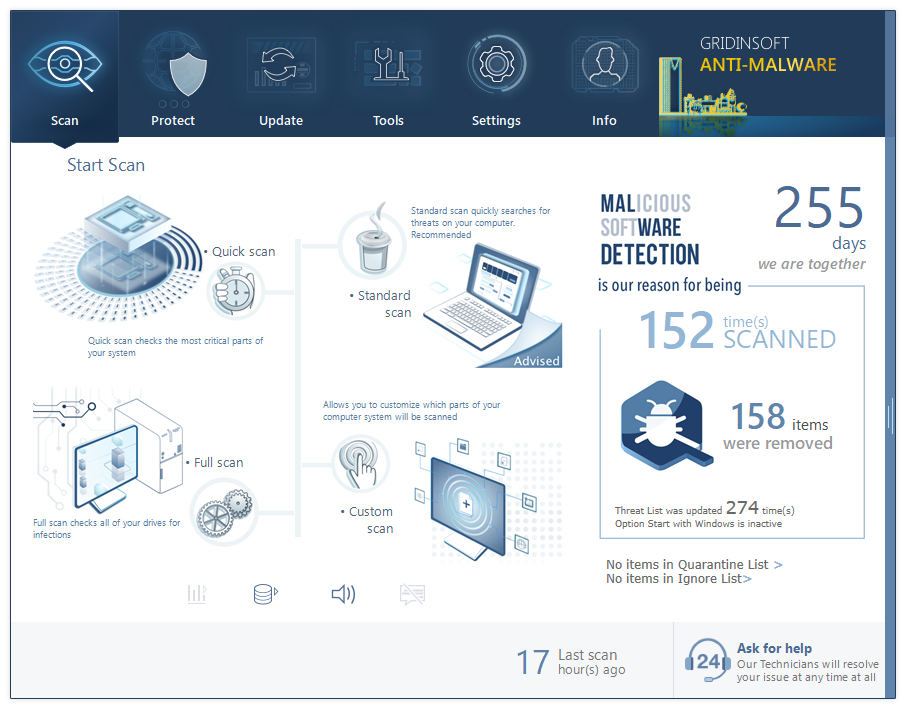
Step 1: Perform a Full System Scan
Go to the “Scan” tab and choose the type of scan you want to perform. For comprehensive malware removal, select the “Full Scan” option. Click the “Full Scan” area to initiate the scanning process.
Step 2: Remove Detected Malware
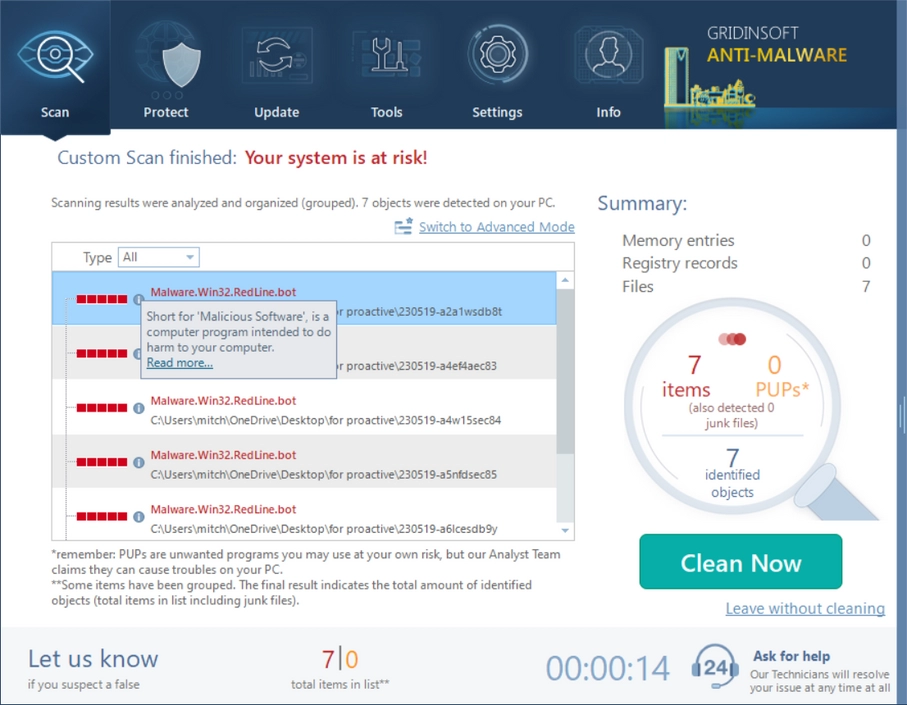
Was Found Malware on infected PC
Step 3: Restart & Enable Real-Time Protection
After the removal process is complete, restart your computer to finalize the changes and ensure that the malware is completely eliminated.
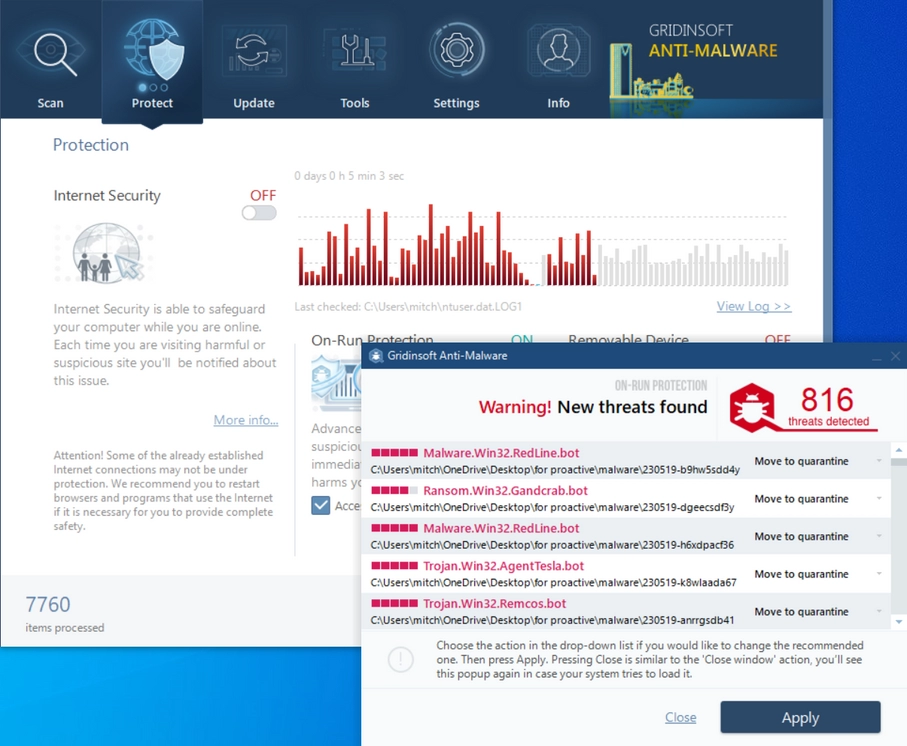
PC Protection in process
Conclusion
Sclgntfy.dll can be legitimate when it belongs to the expected software and is stored in the correct program folder. If the file location, signature, or behavior looks unusual, update the related application first, then scan the system and remove only confirmed unwanted or malicious items.


Leave a Comment