
P508PowerAgent.exe is an executable file associated with the P508PowerAgent process, which is part of the P508PowerAgent software developed by ASUSTeK Computer. The specific purpose and functionality of the P508PowerAgent software may vary, depending on its intended use.
However, if you notice that the P508PowerAgent.exe process is utilizing excessive CPU or GPU resources, it could indicate a potential issue. While it’s important to exercise caution when dealing with any unfamiliar process, it’s advisable to investigate further to determine if the process is legitimate or if it may be related to malware or a virus.
What is P508poweragent.exe process?
P508PowerAgent software developed by ASUSTeK Computer
To ensure the security of your system, it is recommended to:
- Verify the source and authenticity of the P508PowerAgent software by obtaining it from official and trusted sources, such as the ASUSTeK Computer website.
- Use reputable antivirus software to perform a thorough system scan to detect and remove any potential threats.
- Monitor the behavior of the P508PowerAgent.exe process and check for any associated suspicious activities.
- Consider reaching out to ASUSTeK Computer support or consulting with a technical expert for further assistance in analyzing and addressing any concerns.
It’s always important to prioritize the security and stability of your system, and if you suspect any malicious activity, it’s best to take appropriate measures to mitigate the risk.
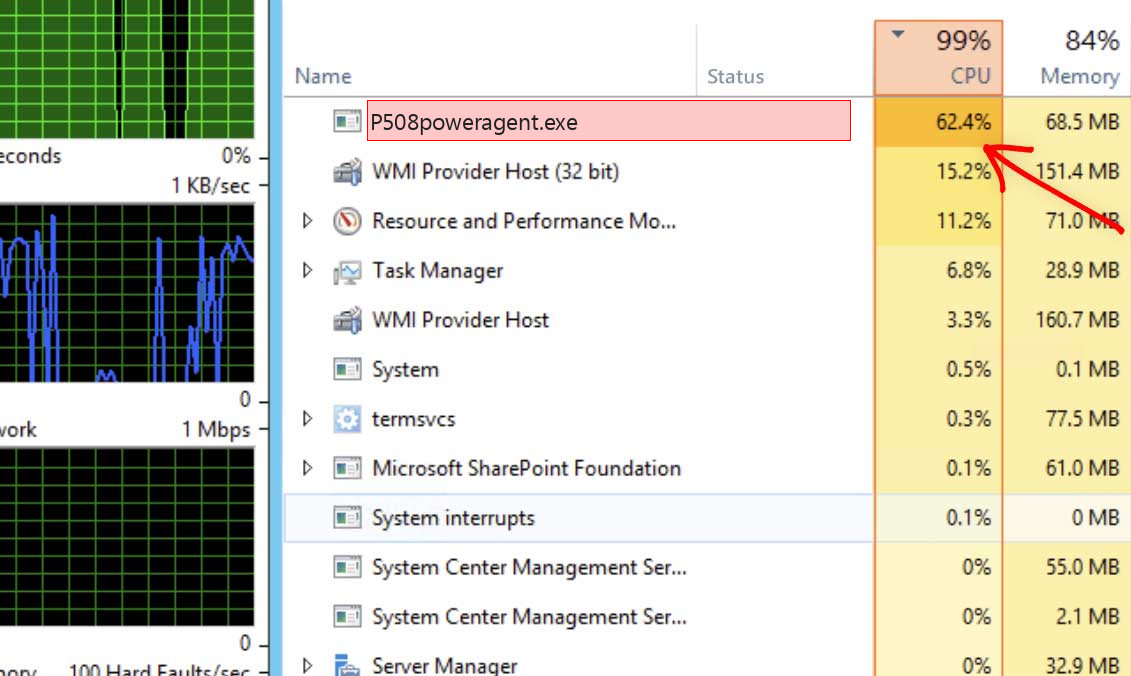
P508poweragent.exe – Extremely high CPU and GPU use
Besides CPU usage, some of the coin miners also use GPU power for their tasks. In that situation, you will struggle even to see the mouse cursor moving – GPU is usually utilized on 100%. It is not as important as CPU for system work, so P508PowerAgent.exe coin miner viruses don’t waste time on trifles and use it all. It sometimes may lead to bad results.
Shortly about cryptocurrency mining
Crypto mining term means the action of calculating the transaction block hash. That is a integral element of any project based on the blockchain technology. Since this operation takes a lot of calculations, a very strong desktop is needed. Exactly, the GPU is better for this task, because they have more cores available. Cryptocurrency mining farms usually consist of dozens of graphic cards to conduct their activity effectively. Such systems are not usable for “general” purposes, like gaming or browsing the Web. Crooks who make profit via this coin miner use someones’ computers instead, even if they are used for the regular activity.
List of the typical coin miner symptoms
How dangerous is the P508poweragent.exe miner?
Coin miners does not deal damage to your files. However, they make a lot of unpleasant things with the whole system
Firstly, P508poweragent.exe malware makes your computer overloaded. It is unable to run your applications anymore, because all processor power is consumed by a virus. That malware does not care for your demands, all it focuses on is generating income on you. Even if you are patient, and you waited until browser is open, you will likely suffer from exceptionally sluggish efficiency. Pages can open for years, any kind of logins will take about a minute – just a horror story for a person that does a job online.
P508poweragent.exe Technical Summary.
| File Name | P508poweragent.exe |
| Type | Trojan Coin Miner |
| Detection Name | Trojan:Win32/CoinMiner |
| Distribution Method | Software bundling, Intrusive advertisement, redirects to shady sites etc. |
| Similar behavior | Mbamtray.exe, Zeroconfigservice.exe, Evteng.exe |
| Removal | Download and install GridinSoft Anti-Malware for automatic P508poweragent.exe removal. |
“Visible” damage is not a solitary negative thing coin miners do to your computer. P508poweragent.exe coin miner also deals damage to your operating system. To perform all malevolent functions successfully, it wrecks the security components of your system. You will likely see your Microsoft Defender disabled – malware stops it to prevent detection. If you check the HOSTS file, you will likely see a lot of new notes – they are added by this coin miner to connect your PC to a malicious mining network. All these changes shall be reverted to the initial state in the process of system recovery.
Hardware effects of coin miner activity
Besides decreasing your computer’s performance, running at peak level for long times can trigger damage to your machine as well as increase electricity costs. Hardware elements are created to easily get along with high load, but they are good with it only in case when they are in a good shape.
Little and well-protected processor cooling system is quite hard to damage. Meanwhile, GPUs have big and easy-to-access rotors, which can be easily broke if touched while spinning, for example, by the user much earlier before the malware injection. Malfunctioning cooling system, together with the very high load caused by P508poweragent.exe can easily lead to graphic card failure1. Video cards are also tend to have very fast wearing when used for crypto mining. It is surely a bad case when the performance of your graphic card plunges 20-30% only after several weeks of being used in such a way.
How did I get P508PowerAgent.exe virus?
Coin miners are spread through different ways, but their main sources are malicious banners and programs from dubious sources
Coin miners are one of the most prevalent malicious programs through “major” malware. Adware sometimes serves as a carrier for P508poweragent.exe malware injection: it shows you the banners, which include a link to malware downloading. Yes, this abstract “malware” may belong to any kind – another adware, spyware, rogue or backdoor. However, the statistics show that about 30% of all malware spread with the malevolent banners are coin miners – and P508poweragent.exe is right with them.
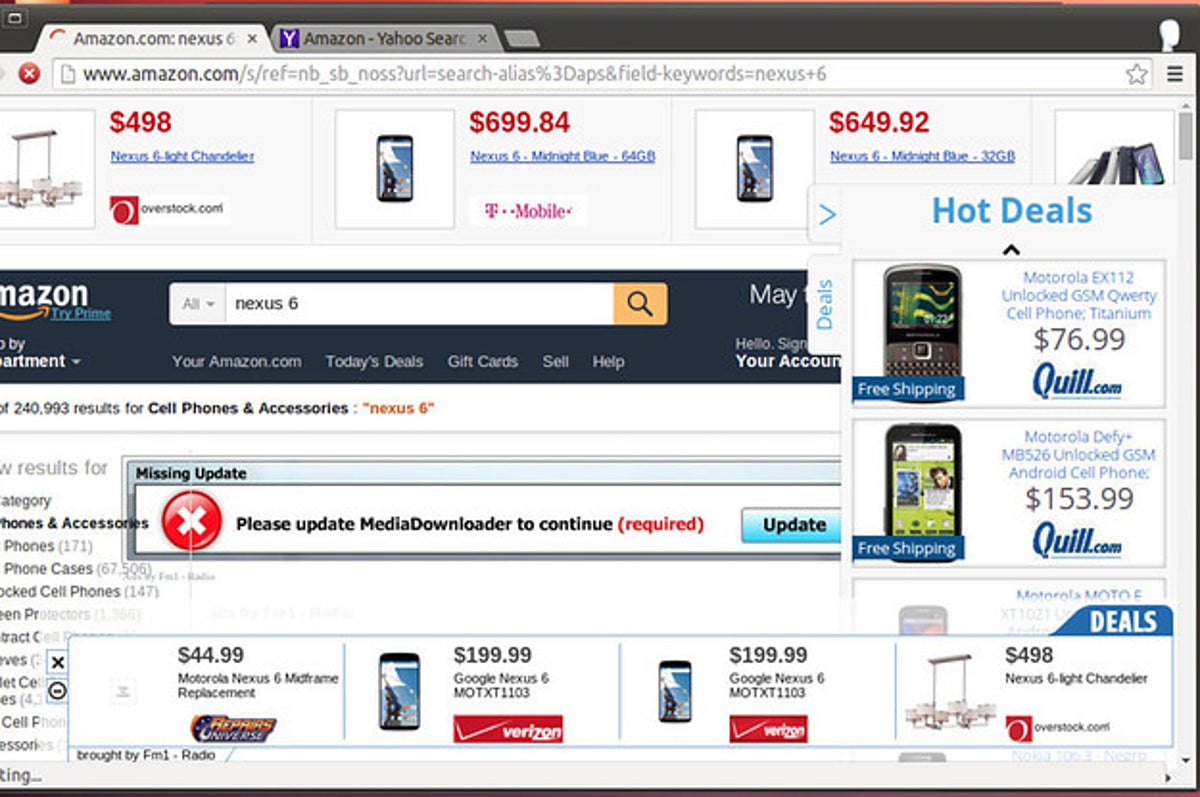
The example of malicious banners you can see in the Internet
An additional way you could get this item on your PC is by downloading it from the suspicious website as a part of a program. Users who spread hacked variants of favored programs (which do not need the license key) have small chances to get paid. Hence, there is a huge temptation to add malware to the final package of the hacked application and receive a coin for every installation. Before blaming these people for hacking and also malware spreading, ask yourself – is it OK to avoid paying for the program in such a way? It is much cheaper to pay $20-$30 at once than to pay a much bigger sum for antivirus software as well as new parts for your computer.
How to remove the P508poweragent.exe miner from my PC?
The best way to get rid of this coin miner virus is to use anti-malware software
Booting the PC into Safe Mode with Networking
Press the Start button, then choose Power, and click on Reboot while holding the Shift key on the keyboard.
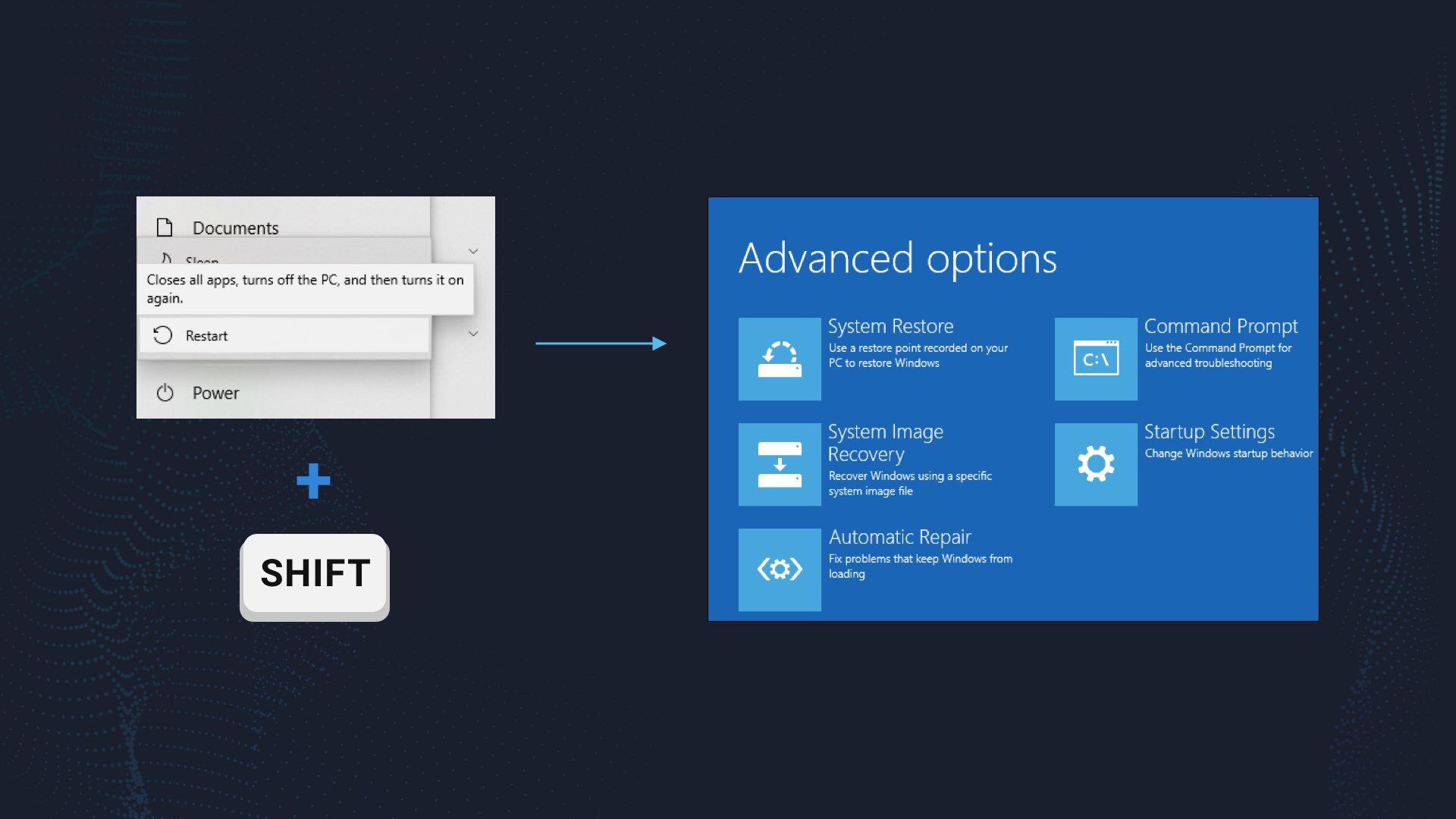
Windows will reboot into recovery mode. In that mode, choose Troubleshoot→ Startup Settings→ Safe Mode with Networking. Press the corresponding button on your keyboard to choose that option.
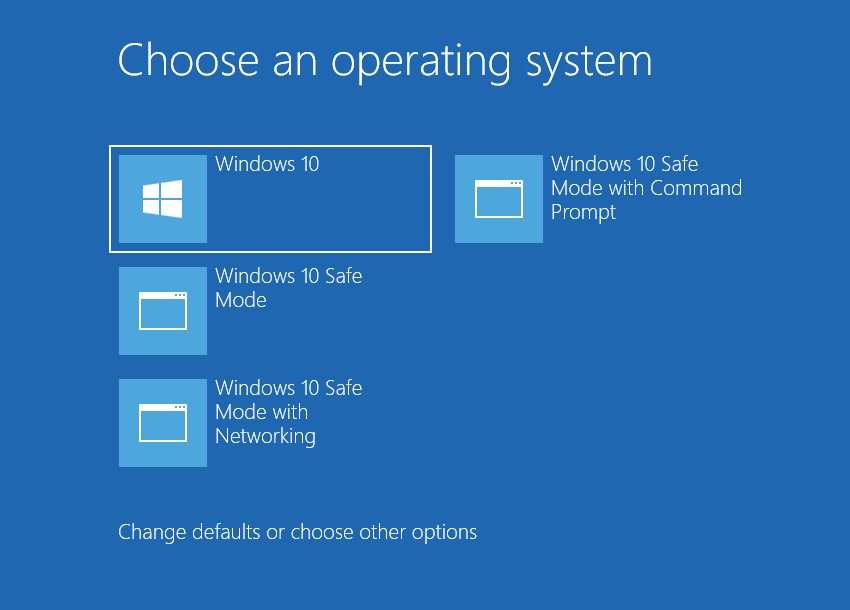
When your system is in Safe Mode, all third-party apps, just like the majority of non-crucial operating system components, are not launched with the system start. That allows you to clean the computer without dealing with high CPU usage of the coin miner.
References
- About unwanted effects for GPUs in the process of cryptomining.



Leave a Comment