
HackTool:Win64/AutoKMS is a specific detection name that antivirus software, such as Microsoft Defender Antivirus, uses to identify a particular type of tool or program called AutoKMS. AutoKMS is associated with key management services (KMS) activation methods commonly utilized for activating Microsoft Windows and Microsoft Office products without proper licensing.
AutoKMS bypasses the legitimate activation mechanisms of Microsoft products by emulating a Key Management Service server (See also: KMSpico) and automatically activating the software. Individuals often employ it to illegally activate their software or to avoid purchasing valid licenses.
Risks of HackTool:Win64/AutoKMS
Using HackTool:Win64/AutoKMS or similar activation tools carries various risks and consequences:
- Legal Consequences: Engaging in the unauthorized activation of software through hack tools violates copyright laws and software licensing agreements, potentially leading to legal repercussions, fines, or penalties.
- Security Risks: Downloading and utilizing hack tools from untrusted sources exposes your system to malware and compromised software versions. These tools may come bundled with additional malicious components that can compromise system security, steal sensitive information, or cause instability.
- Lack of Support and Updates: Activating software through unauthorized means missing out on official updates, patches, and technical support from the software developer. This leaves your system vulnerable to security vulnerabilities and compatibility issues.
How to safeguard your PC?
To safeguard your system and ensure proper software licensing:
- Use Legitimate Software: Purchase valid licenses for Microsoft Windows and Microsoft Office products from authorized vendors or directly from the official Microsoft website. Legitimate licenses provide access to updates, security patches, and technical support.
- Avoid Hack Tools: Refrain from downloading or using hack tools, including AutoKMS, to activate software. These tools are associated with copyright infringement and pose security risks.
- Install Antivirus Protection: Employ reputable antivirus or anti-malware software and keep it up to date. Regularly scan your system to detect and remove potential malware, including hack tools.
- Practice Software Compliance: Adhere to software licensing agreements and respect copyright laws. By using software in accordance with licensing terms, you support software developers and contribute to a fair and legal software ecosystem.
It is crucial to act responsibly and ethically when it comes to software licensing. Always obtain valid licenses for software products and avoid engaging in activities that violate copyright laws or compromise system security.
Most AutoKMS tools are designed to exploit users for financial gain. Criminals develop various malicious programs to steal credit card information, online banking credentials, and other data for fraudulent purposes.
The types of viruses that were widespread a decade ago are no longer the primary concern. Nowadays, issues such as blackmail or spyware have become more prevalent. Addressing these problems requires new tools and different approaches.
What to do?
Does your antivirus regularly report about the AutoKMS?
If you have encountered a message indicating the detection of “HackTool:Win64/AutoKMS”, then it is good news! The computer virus “HackTool:Win64/AutoKMS” has been detected and likely removed. Such messages do not imply that an active AutoKMS was present on your PC. It is possible that you simply downloaded and installed a file that contained HackTool:Win64/AutoKMS, and your antivirus software automatically deleted it before it could execute and cause any issues. Additionally, the malicious script on the infected website may have been detected and blocked before causing any harm.
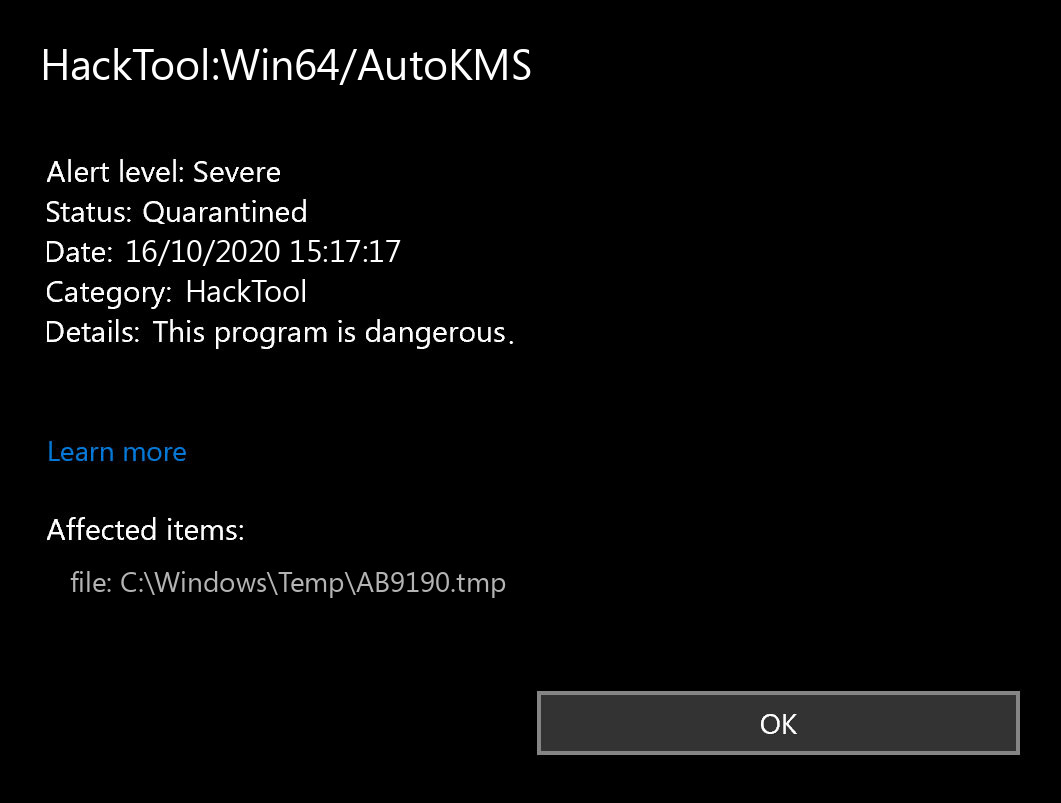
Microsoft Defender: “HackTool:Win64/AutoKMS”
In simple terms, receiving a message like “HackTool:Win64/AutoKMS Found” while using your computer does not necessarily mean that AutoKMS has successfully executed its task. If you come across such a message, it may be an indication that you have visited an infected website or downloaded a malicious file. While it is important to take preventive measures in the future, there is no need to panic excessively. You can open your antivirus program and examine the detection log files related to HackTool:Win64/AutoKMS. This will provide you with more details about the specific AutoKMS instance that was detected and the actions taken by your antivirus software. If you are uncertain, performing a manual check will be beneficial in any case.
How to scan for malware, spyware, ransomware, adware, and other threats.
If your system operates in an extremely sluggish way, the web pages open in an odd fashion, or if you see advertisements in places you’ve never ever expected, it’s feasible that your computer got contaminated as well as the infection is currently active. Spyware will track all your tasks or redirect your search or home pages to the places you do not wish to go to. Adware might contaminate your internet browser as well as even the entire Windows OS, whereas the ransomware will attempt to obstruct your PC and also require a significant ransom amount for your very own data.
How to scan your PC for HackTool:Win64/AutoKMS?
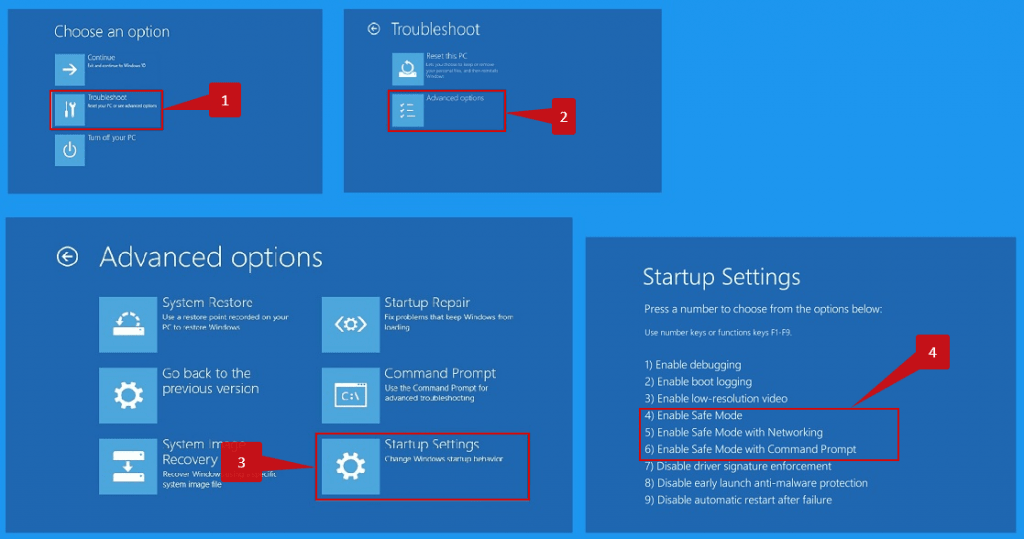
Use Safe Mode to fix the most complex HackTool:Win64/AutoKMS issues.
Using a standard antivirus alone is not sufficient to ensure the security of your PC. You need a more comprehensive antivirus application. Not all malware can be detected by typical antivirus scanners that primarily focus on virus-type threats. Your system may be filled with various forms of unwanted software, such as toolbars, Chrome plugins, suspicious search engines, bitcoin miners, and other types of software designed to exploit your lack of experience for financial gain. Be cautious when downloading applications from the internet to prevent your device from being inundated with unwanted toolbars and other junk data.



Leave a Comment