
If you see the message reporting that the HackTool:PowerShell/PsAttack.E was found on your Windows PC, or in times when your computer works as well slowly and give you a huge amount of headaches, you most definitely make up your mind to check it for PSAttack and also clean it in an appropriate method. Now I will tell to you how to do it.
It features powerful tab-completion covering commands, parameters, and file paths.
A custom command “get-attack” is included that helps you find the attack you’re looking for.
It doesn’t rely on powershell.exe. Instead, it calls PowerShell directly through the .NET framework. This makes it harder for enterprises to block.
The modules that are bundled with the exe are obfuscated with @danielbohannon’s Invoke-Obfuscation and then encrypted. When PSAttack starts, they are decrypted into memory. The plaintext payloads never touch the disk, making it difficult for most antivirus engines to catch them.
PSAttack contains over 100 commands for Privilege Escalation, Recon, and Data Exfiltration.
The majority of PSAttack are made use of to make a profit on you. The criminals specify the selection of harmful programs to steal your bank card information, electronic banking credentials, and other information for fraudulent objectives.
Threat Summary:
| Name | PSAttack HackTool |
| Detection | HackTool:PowerShell/PsAttack.E |
| Details | PSAttack contains over 100 commands for Privilege Escalation, Recon, and Data Exfiltration. |
Kinds of viruses that were well-spread 10 years ago are no longer the resource of the issue. Currently, the trouble is more obvious in the areas of blackmail or spyware. The difficulty of taking care of these problems calls for new software and also new approaches.
Does your antivirus regularly report about the “PSAttack”?
If you have seen a message indicating the “HackTool:PowerShell/PsAttack.E found”, after that it’s an item of excellent information! The virus “HackTool:PowerShell/PsAttack.E” was discovered and, more than likely, removed. Such messages do not imply that there was a truly active PSAttack on your device. You could have just downloaded and install a file that contained HackTool:PowerShell/PsAttack.E, so your anti-virus software automatically erased it prior to it was released and caused the difficulties. Alternatively, the harmful script on the infected internet site might have been found and also stopped before creating any kind of problems.
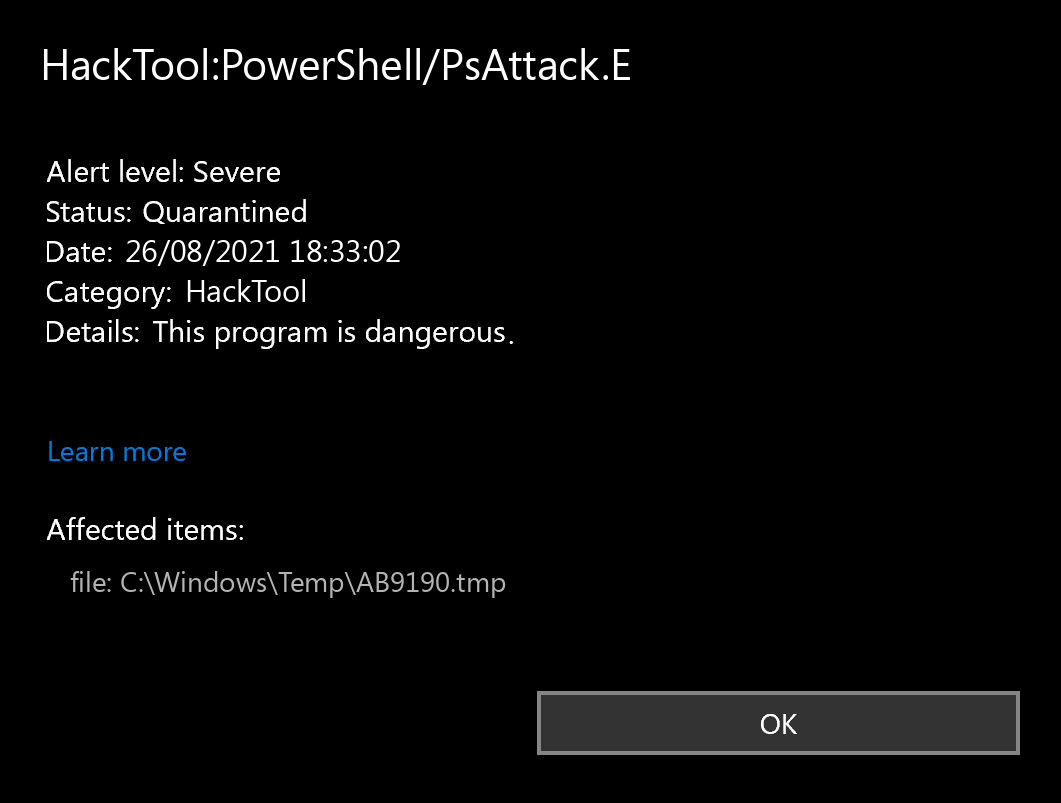
Microsoft Defender: “HackTool:PowerShell/PsAttack.E”
In other words, the message “HackTool:PowerShell/PsAttack.E Found” throughout the usual use of your computer system does not mean that the PSAttack has finished its objective. If you see such a message then it could be evidence of you going to the contaminated web page or loading the destructive documents. Try to prevent it in the future, however do not worry way too much. Trying out opening up the antivirus program as well as examining the HackTool:PowerShell/PsAttack.E discovery log data. This will certainly offer you more information concerning what the precise PSAttack was discovered and also what was particularly done by your anti-virus software application with it. Of course, if you’re not confident sufficient, describe the manual scan– anyway, this will certainly be valuable.
How to scan for malware, spyware, ransomware, adware, and other threats.
If your system operates in an extremely sluggish means, the website opens in an unusual manner, or if you see ads in places you’ve never anticipated, it’s feasible that your system got contaminated and the virus is now active. Spyware will certainly track all your activities or reroute your search or web page to the locations you do not want to go to. Adware might contaminate your internet browser and also also the entire Windows OS, whereas the ransomware will certainly try to obstruct your PC as well as demand a tremendous ransom money quantity for your own data.
How to scan your PC for HackTool:PowerShell/PsAttack.E?
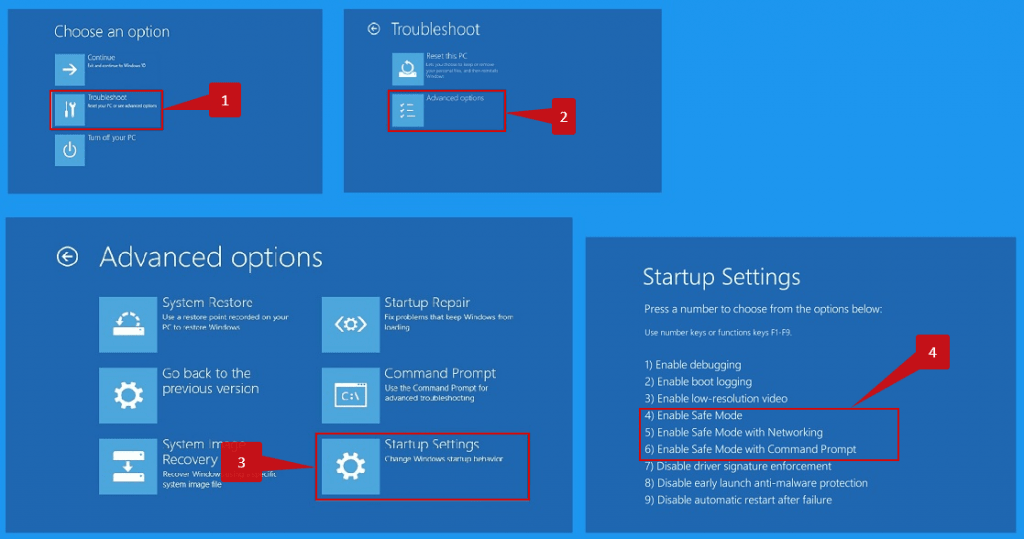
Use Safe Mode to fix the most complex HackTool:PowerShell/PsAttack.E issues.
It’s not sufficient to merely use the antivirus for the safety of your PC. You require to have a more thorough antivirus app. Not all malware can be identified by standard antivirus scanners that mainly seek virus-type threats. Your computer might contain “junk”, for instance, toolbars, internet browser plugins, dubious search engines, bitcoin-miners, and various other sorts of unwanted software used for generating income on your lack of experience. Be cautious while downloading and install software online to avoid your device from being full of unwanted toolbars as well as other junk information.


Leave a Comment