
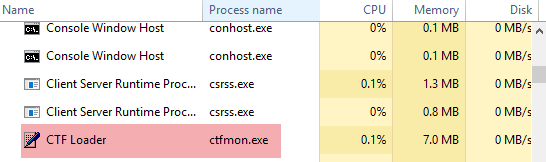
ctfmon.exe, often shown as CTF Loader, is usually a legitimate Microsoft Windows process related to text input, language features, handwriting, speech, touch keyboard, and input method components. It is not automatically malware. It becomes suspicious when a file with this name runs from the wrong location or lacks a Microsoft signature.
What is ctfmon.exe?
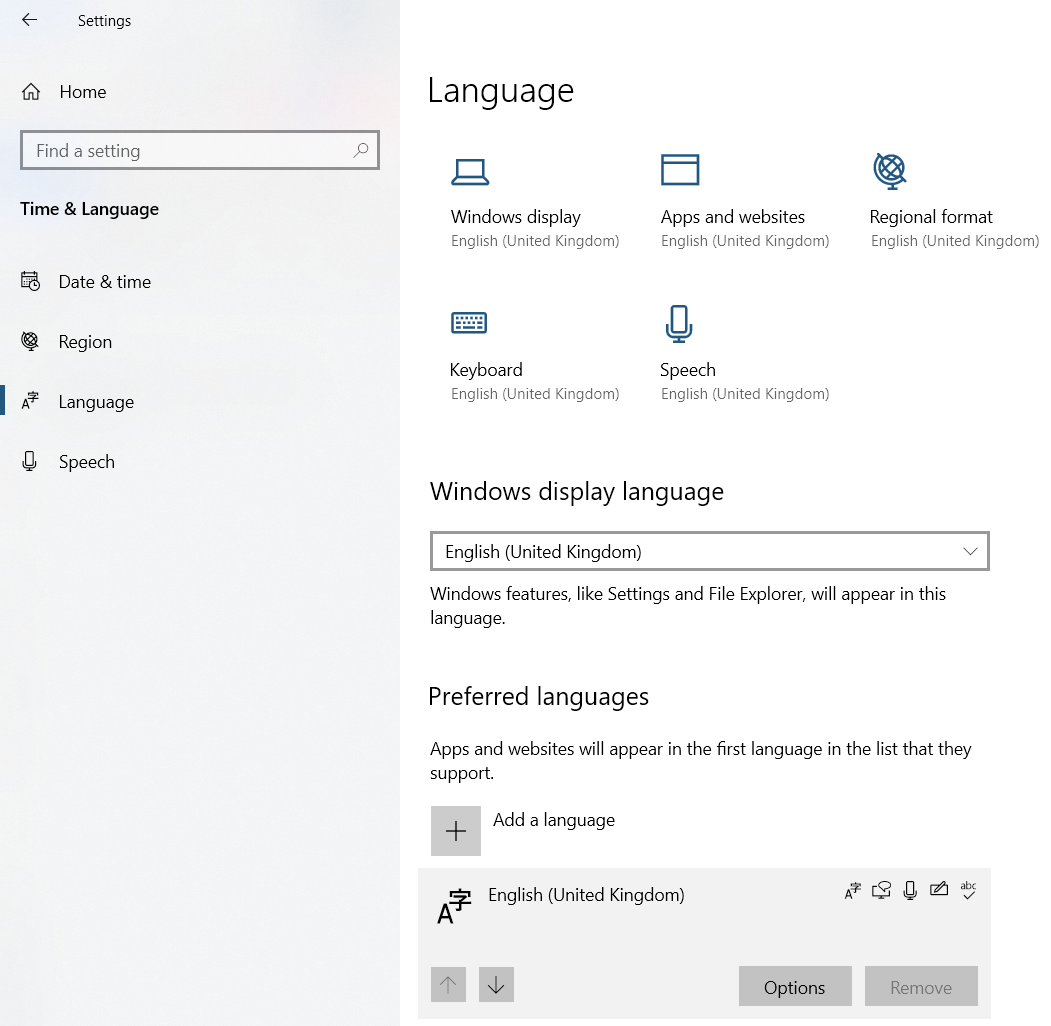
CTF Loader supports alternative input and language-related services in Windows. If you use multiple keyboard layouts, IME languages, touch keyboard, handwriting, or Office/input features, seeing ctfmon.exe in Task Manager can be normal.
Because the name is familiar and short, malware can also imitate it. The path and signature matter more than the name.
Safe vs suspicious signs
| Usually legitimate | Suspicious |
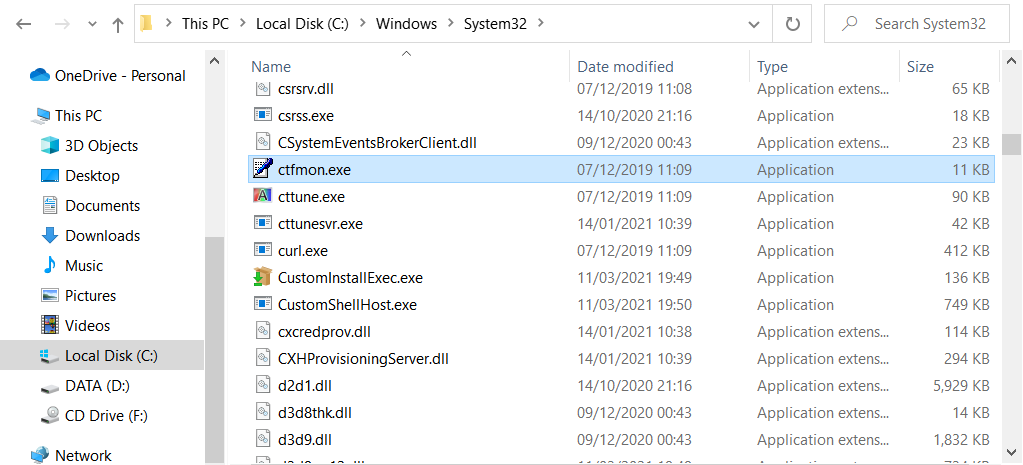
| Located in a Windows system folder and signed by Microsoft. | Runs from AppData, Temp, Downloads, Startup, or a random folder. |
| Appears with language bar, IME, touch keyboard, or text input features. | Uses high CPU constantly with no input/language activity. |
| Starts with Windows and stays quiet. | Returns through an unknown scheduled task or startup entry. |
| Windows input settings work normally. | Input settings break, browsers redirect, or security settings change. |
How to verify ctfmon.exe
- Open Task Manager, right-click ctfmon.exe, and choose Open file location.
- Confirm the file is in a trusted Windows system folder.
- Check the Microsoft digital signature.
- Review language and keyboard settings if the process is active often.
- If the file is outside Windows folders, scan it and check startup entries.
Why it can use CPU
CPU spikes can happen when input services are starting, language packs are being configured, IME components are active, or Office/input-related features are interacting with Windows text services. Constant high CPU is not typical. If it happens, check input languages, recently installed keyboard tools, accessibility utilities, and third-party text expanders.
Should you disable it?
Disabling CTF Loader can break language switching, IME input, touch keyboard, handwriting, and other text features. If you use only one keyboard layout and never use advanced input features, you may reduce some input services, but deleting the executable is not the right fix.
When to scan for malware
Scan if the file path is wrong, signature is missing, CPU is constantly high, or ctfmon.exe appeared after suspicious installers. A fake copy often hides in user folders and starts through a registry Run key or scheduled task.
Decision tree for CTF Loader activity
If you use multiple languages, IME input, touch keyboard, handwriting, speech input, or Office text features, ctfmon.exe is expected. If you use none of those features and it uses high CPU constantly, check recent language packs, keyboard utilities, and accessibility tools.
If the process path is correct and CPU is low, leave it alone. If the path is wrong, treat it like a fake process. If the path is correct but input features are broken, repair Windows input/language components rather than deleting ctfmon.exe.
How to reduce unnecessary activity
Remove unused keyboard layouts and language packs. Disable third-party text expanders or keyboard managers temporarily. Check whether the touch keyboard service or handwriting features are enabled on a desktop that does not use them. These steps can reduce background activity without damaging Windows.
Common false alarms
Users often notice ctfmon.exe after opening Task Manager for unrelated reasons. Its presence alone is normal. It may start at login, remain quiet, and consume very little memory. The suspicious cases involve the wrong folder, missing signature, constant CPU, or persistence through unknown startup entries.
After cleanup or repair
After removing a fake copy or repairing input components, reboot and test normal typing, language switching, search boxes, browsers, and Office apps. If those features work and the process is in the correct location, the system is in a healthy state.
Practical example
If ctfmon.exe becomes active after adding a new keyboard layout, remove the layout and test again. If it becomes active only in Office or browser text fields, the behavior may be normal. If it starts from AppData with no Microsoft signature, it is not the normal CTF Loader and should be investigated as malware.
For multilingual users, do not disable input services blindly. A better fix is to remove unused layouts and repair broken language packs.
What to record before cleanup
If a fake ctfmon.exe is found, record the path, creation date, and launcher before deleting it. That information helps identify the installer or bundle that added it. Check whether the same folder contains other executables, scripts, or browser-extension payloads.
If you remove input components for testing, make one change at a time and confirm normal typing still works. This avoids creating a new usability problem while trying to reduce background activity.
The goal is a quiet, correctly signed Microsoft process, not the absence of ctfmon.exe at all costs.
That distinction prevents unnecessary damage to language and input features.
FAQ
Is ctfmon.exe necessary?
It is necessary for some Windows text/input features. Many users see it running normally.
Can ctfmon.exe be a virus?
The real Microsoft file is not a virus, but malware can use the same filename.
Why does it start at login?
Windows may load text input services at startup so language/input features are available immediately.


Leave a Comment