
The Behavior:Win32/Persistence.EA!ml detection stands for a malicious utility present in your system. Persistence.EA!ml is usually a small software that malware uses to provide persistence within your system.
In the majority of cases, Persistence is a sign of a more serious malware present in your system. You can spot different other detections from Microsoft Defender aside from the Behavior:Win32/Persistence.EA!ml. Alternatively, as it is a Behavior detection, it can be the exact malware. In this case, Microsoft Defender spotted the malicious program with heuristic engine instead of with databases. Either way, having this thing in your system is a pretty bad occasion. Removing it should be your primary concern.
Threat Summary:
| Name | Persistence Trojan |
| Detection | Behavior:Win32/Persistence.EA!ml |
| Details | Persistence tool that looks legitimate but can take control of your computer. |
Behavior:Win32/Persistence may be literally anything. Most of modern malware starts its execution from establishing persistence. It adds tasks to your Task Scheduler, adds itself to autorun and tries to disable anti-malware software. Ransomware, spyware, coin miner trojans – any of these things may actually be running in your system
Does your antivirus regularly report about the “Persistence”?
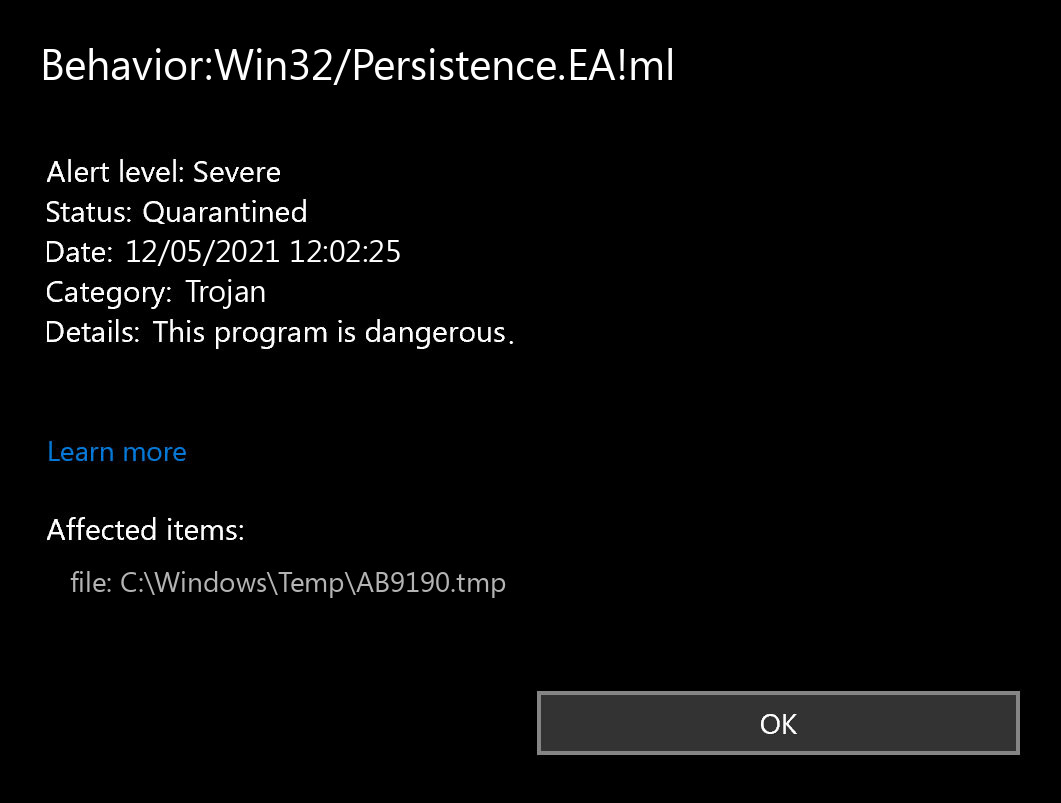
Microsoft Defender: “Behavior:Win32/Persistence.EA!ml”
To put it simply, the message “Behavior:Win32/Persistence.EA!ml Found” during the usual use your computer does not mean that the Persistence has actually finished its mission. If you see such a message after that it could be the proof of you visiting the contaminated web page or filling the malicious data. Try to avoid it in the future, yet don’t fret excessive. Explore opening up the antivirus program as well as checking the Behavior:Win32/Persistence.EA!ml discovery log data. This will certainly give you even more details regarding what the exact Persistence was found and also what was particularly done by your anti-virus software program with it. Obviously, if you’re not confident enough, describe the hands-on scan – anyway, this will certainly be practical.
How to scan for malware, spyware, ransomware, adware, and other threats.
If your system works in a very slow method, the web pages open in an odd way, or if you see advertisements in places you’ve never ever expected, it’s feasible that your computer got infected and the infection is currently active. Spyware will certainly track all your activities or redirect your search or home pages to the places you don’t wish to go to. Adware may contaminate your browser and also the entire Windows OS, whereas the ransomware will certainly attempt to obstruct your system and also demand an incredible ransom money amount for your very own files.
How to scan your PC for Behavior:Win32/Persistence.EA!ml?
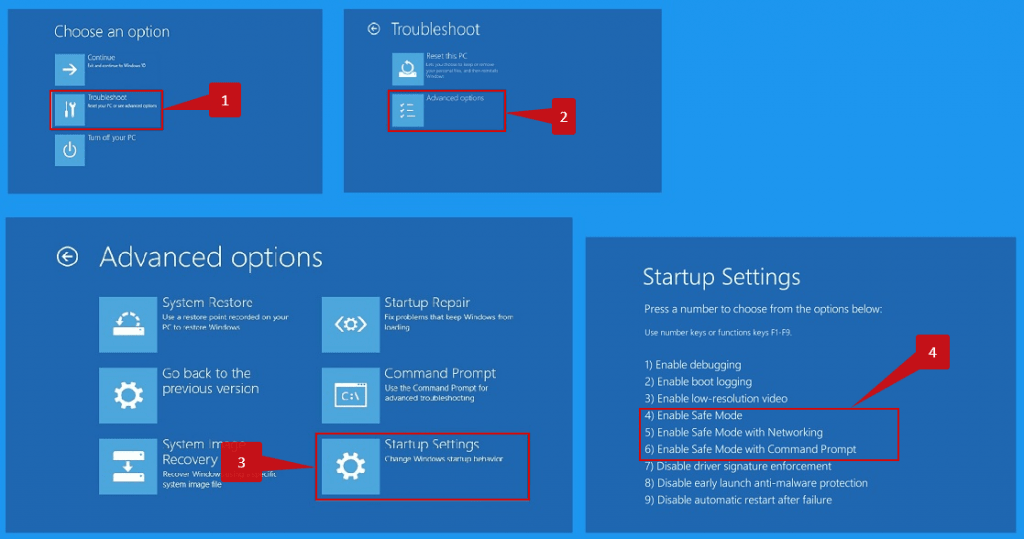
Use Safe Mode to fix the most complex Behavior:Win32/Persistence.EA!ml issues.
It’s not sufficient to merely use the antivirus for the safety and security of your computer. You require to have an extra detailed antivirus service. Not all malware can be identified by regular antivirus scanners that mainly seek virus-type threats. Your computer might have plenty of “trash”, for instance, toolbars, Chrome plugins, shady online search engines, bitcoin-miners, and various other sorts of unwanted programs used for making money on your inexperience. Be cautious while downloading programs on the internet to avoid your device from being filled with unwanted toolbars and also various other junk information.


Leave a Comment