
App:NetFilterSDK is a detection name used by Microsoft Defender Antivirus to identify a potential application or software component that incorporates or utilizes the NetFilter SDK Framework. This detection indicates that the specific application or component has triggered a behavior or characteristic that Microsoft Defender considers potentially unwanted or suspicious.
When Microsoft Defender Antivirus detects App:NetFilterSDK, it is advisable to review the specific application or component in question and evaluate its source, purpose, and behavior. If the application is something you intentionally installed and trust, you can consider excluding it from further scanning or monitoring. However, if you suspect the application to be malicious or unwanted, it is recommended to take appropriate actions such as quarantining or removing the application using the security features provided by Microsoft Defender Antivirus or seeking further assistance from security professionals.
Remember to keep your antivirus software and definitions up to date to ensure optimal protection against potential threats or unwanted applications.
Most of NetFilterSDK are made use of to make a profit on you. The organized crime elaborates the range of dangerous programs to swipe your credit card details, online banking qualifications, and other facts for fraudulent functions.
Threat Summary:
| Name | NetFilterSDK Potentially Unwanted Software |
| Detection | App:NetFilterSDK |
| Details | NetFilter SDK is a framework for transparent filtering the data packets transmitted via the network on Windows. It used in many adware tools. |
Sorts of viruses that were well-spread 10 years ago are no longer the resource of the issue. Presently, the issue is much more apparent in the locations of blackmail or spyware. The problem of taking care of these issues requires new solutions as well as new techniques.
Does your antivirus regularly report about the “NetFilterSDK”?
If you have seen a message suggesting the “App:NetFilterSDK found”, after that it’s an item of excellent information! The infection “App:NetFilterSDK” was spotted and, probably, erased. Such messages do not indicate that there was a truly energetic NetFilterSDK on your gadget. You can have just downloaded and install a file that contained App:NetFilterSDK, so your anti-virus software program automatically erased it prior to it was introduced and caused the problems. Additionally, the malicious manuscript on the contaminated site might have been discovered and prevented prior to causing any type of issues.
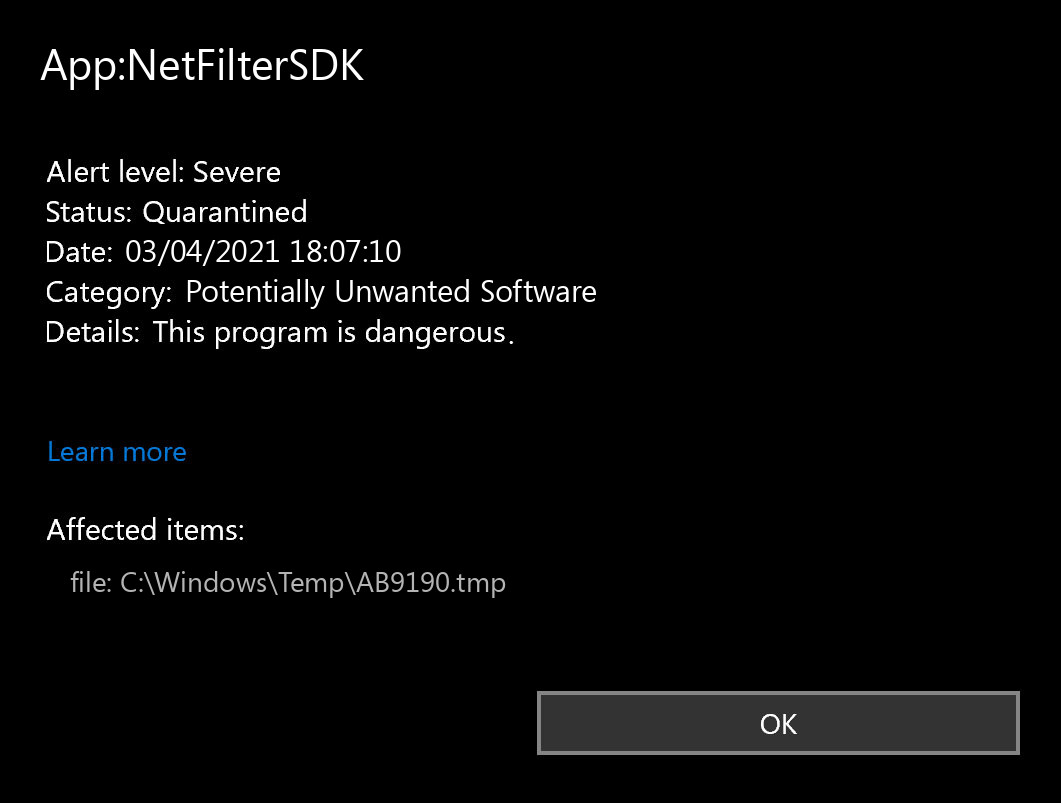
Microsoft Defender: “App:NetFilterSDK”
To put it simply, the message “App:NetFilterSDK Found” throughout the usual use of your computer system does not mean that the NetFilterSDK has actually completed its objective. If you see such a message after that maybe the proof of you visiting the contaminated page or loading the harmful documents. Attempt to avoid it in the future, but do not panic way too much. Try out opening the antivirus program and inspecting the App:NetFilterSDK detection log file. This will give you more information about what the exact NetFilterSDK was detected and what was particularly done by your anti-virus software with it. Naturally, if you’re not certain sufficient, refer to the manual scan– at any rate, this will be useful.
How to scan for malware, spyware, ransomware, adware, and other threats.
If your system operates in a very slow means, the website open in an odd way, or if you see ads in the position you’ve never ever expected, it’s feasible that your system got contaminated and also the virus is now active. Spyware will track all your activities or redirect your search or web page to the locations you don’t want to see. Adware may infect your internet browser and also also the whole Windows OS, whereas the ransomware will certainly attempt to obstruct your computer and also require an incredible ransom money amount for your very own data.
How to scan your PC for App:NetFilterSDK?
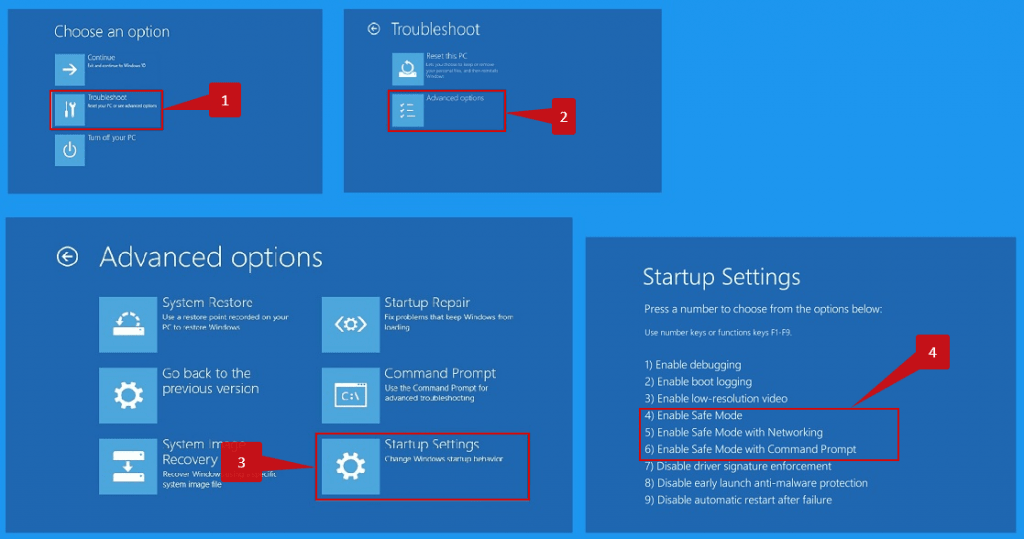
Use Safe Mode to fix the most complex App:NetFilterSDK issues.
It’s not adequate to simply use the antivirus for the safety of your device. You need to have much more comprehensive antivirus service. Not all malware can be spotted by standard antivirus scanners that primarily look for virus-type threats. Your system may have plenty of “trash”, for instance, toolbars, web browser plugins, unethical search engines, bitcoin-miners, as well as other sorts of unwanted programs used for earning money on your inexperience. Be cautious while downloading and install software online to stop your gadget from being loaded with unwanted toolbars and various other scrap data.


Leave a Comment