
Trojan:JS/Phish is a trojan horse malware targeting web browsers and employing JavaScript (JS) to perform malicious operations. This trojan steals sensitive information, including login credentials, personal data, and financial details, by deceiving users into disclosing them on deceptive or phishing websites.
Once Trojan:JS/Phish infects a system, it operates by redirecting the user’s web browser to malicious websites that closely resemble legitimate ones, such as online banking portals, social media platforms, or email login pages. These fraudulent websites aim to trick users into providing confidential information.
Trojan:JS/Phish employs various techniques to replicate legitimate websites, including replicating visual elements, layout, and even URL structures. The malware often utilizes social engineering tactics, such as urgent messages or enticing offers, to persuade users to enter their credentials or personal information without suspecting malicious intent.
When users enter sensitive information on the phishing website, Trojan:JS/Phish captures and transmits the data to the attackers, who can exploit it for identity theft, financial fraud, or other nefarious purposes.
To protect yourself from Trojan:JS/Phish and similar threats, you must exercise caution while browsing the internet. You should be vigilant in verifying the authenticity of websites, particularly when providing sensitive information. Avoid clicking on suspicious links or pop-up ads, and make sure to regularly update your web browser and security software. It will ensure they have the latest security patches and offer protection against known threats.
The criminals behind JS/Phish primarily aim to profit from their actions. They employ various malicious programs to obtain your credit card information, electronic banking credentials, and other sensitive data for deceptive purposes.
Over the past ten years, the types of viruses that were widespread have evolved, and the focus has shifted toward issues such as blackmail and spyware. Dealing with these emerging challenges necessitates the development of new tools and approaches.
Does your antivirus regularly report about the “JS/Phish”?
If you have encountered a message indicating the detection of “Trojan:JS/Phish”, it is indeed good news! The malware “Trojan:JS/Phish” has been identified and most likely removed. Such messages do not necessarily mean an active JS/Phish was on your device. You may have downloaded a file containing Trojan:JS/Phish, and your antivirus software promptly deleted it before it could execute and cause any issues. Alternatively, the malicious script on the infected website may have been detected and blocked before causing any harm.
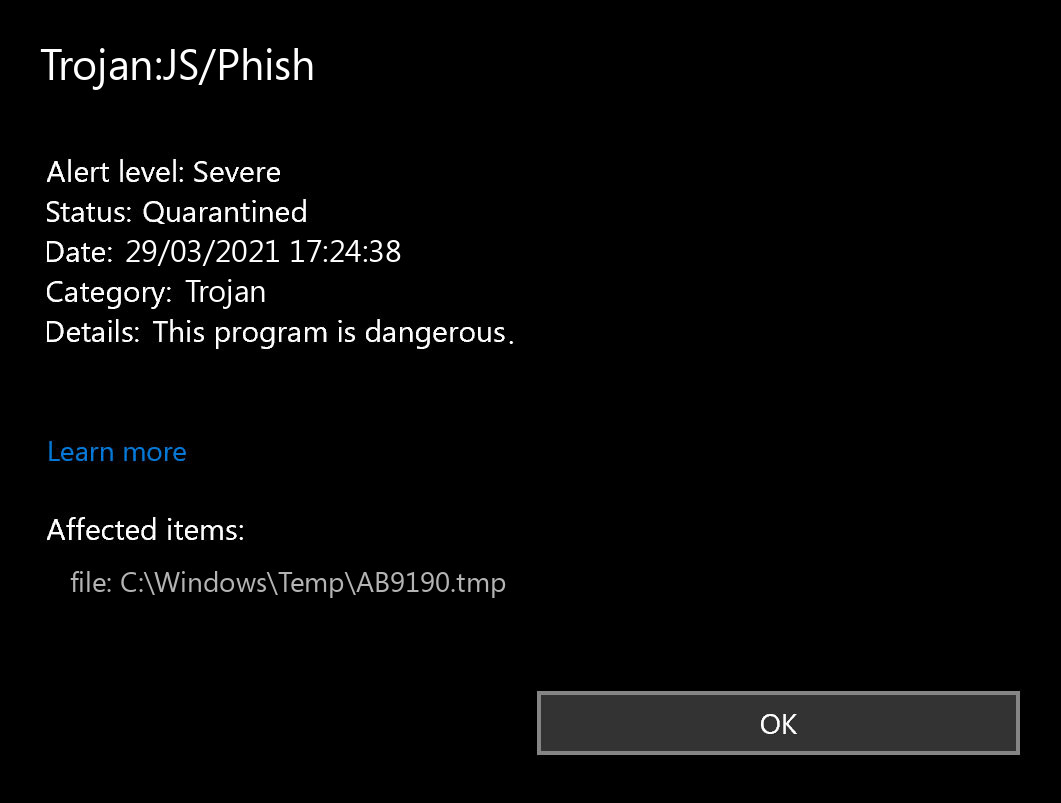
Microsoft Defender: “Trojan:JS/Phish”
Simply put, the message “Trojan:JS/Phish Found” during the usual use of your computer does not indicate that the JS/Phish has actually completed its goal. If you see such a message, then maybe the proof of seeing the contaminated page or loading the harmful file. Try to prevent it in the future, but don’t fret excessively. Explore opening the antivirus program and examining the Trojan:JS/Phish detection log data. It will offer you more information regarding what the specific JS/Phish was identified as well as what was particularly done by your antivirus software with it. Obviously, if you’re not positive enough, describe the manual check– anyway, this will certainly be valuable.
How to scan for malware, spyware, ransomware, adware, and other threats.
If your computer operates in an exceptionally lagging way, the website open in a weird fashion, or if you see advertisements in a position you’ve never anticipated, it’s feasible that your system got contaminated and the virus is active. Spyware will certainly track all your activities or reroute your search or web page to the places you don’t wish to check out. Adware may contaminate your browser and also the whole Windows OS. In contrast, the ransomware will certainly attempt to obstruct your computer and require a remarkable ransom amount for your data.
Regardless of the type of trouble with your PC, the first step is to check it with Gridinsoft Anti-Malware. It’s the most effective tool to identify and cure your computer. However, it’s not basic antivirus software. Its goal is to deal with modern dangers. Today it is the only application on the market that can simply clean up the PC from spyware and various other infections not identified by normal antivirus programs. Download, set up, as well as run Gridinsoft Anti-Malware. After that, check your PC. It will guide you through the system cleaning procedure. You do not have to buy a license to clean your PC. The initial license gives you six days of an entirely complimentary trial. However, if you wish to protect yourself from permanent hazards, you may need to consider purchasing the permit. In this manner, we can ensure that your system will certainly no more be infected with infections.
How to scan your PC for Trojan:JS/Phish?
Suppose you want to check your device for JS/Phish and remove all spotted malware. Then it would be best if you had an advanced antivirus solution. The existing versions of Windows include Microsoft Defender — the built-in antivirus by Microsoft. Microsoft Defender is generally rather great. However, it’s not the only point you want to have. In our viewpoint, the best antivirus software is to make use of Microsoft Defender in union with Gridinsoft.
By doing this, you may get facility protection against various malware. To check for trojans in Microsoft Defender, open it and start a new check. It will thoroughly check your system for infections. As well as, obviously, Microsoft Defender operates in the background by default. The tandem of Microsoft Defender and Gridinsoft will certainly establish you free of most of the malware you may ever before run into. Consistently arranged checks might additionally protect your PC in the future.
Use Safe Mode to fix the most complex Trojan:JS/Phish issues.
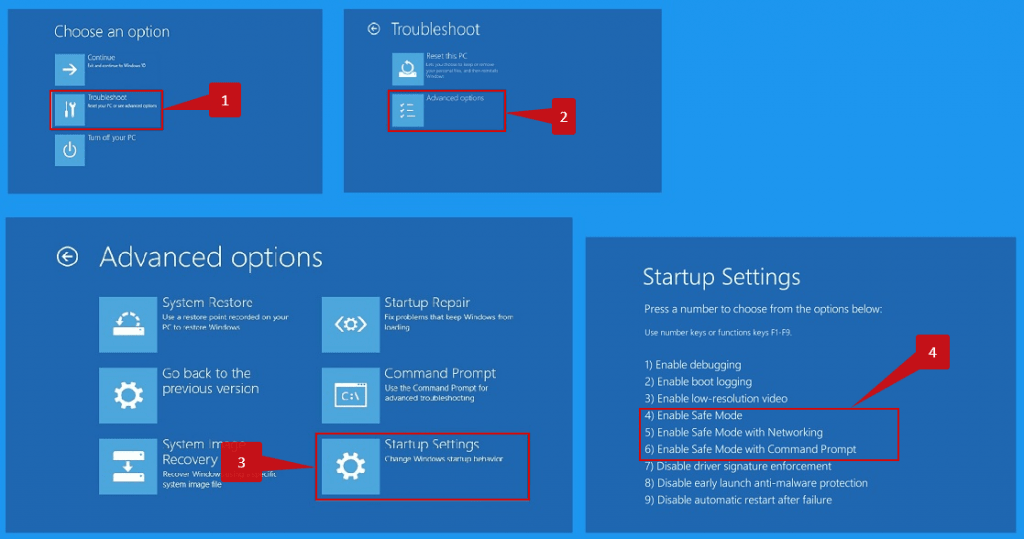
If you have Trojan:JS/Phish kind that can hardly be gotten rid of, you could need to think about scanning for malware beyond the usual Windows functionality. For this objective, you need to start Windows in Safe Mode, hence avoiding the system from loading auto-startup items, potentially including malware. Start Microsoft Defender examination and after that scan with Gridinsoft in Safe Mode. It helps detect infections that cannot be detected in normal mode.
Use Gridinsoft to remove JS/Phish and other junkware.
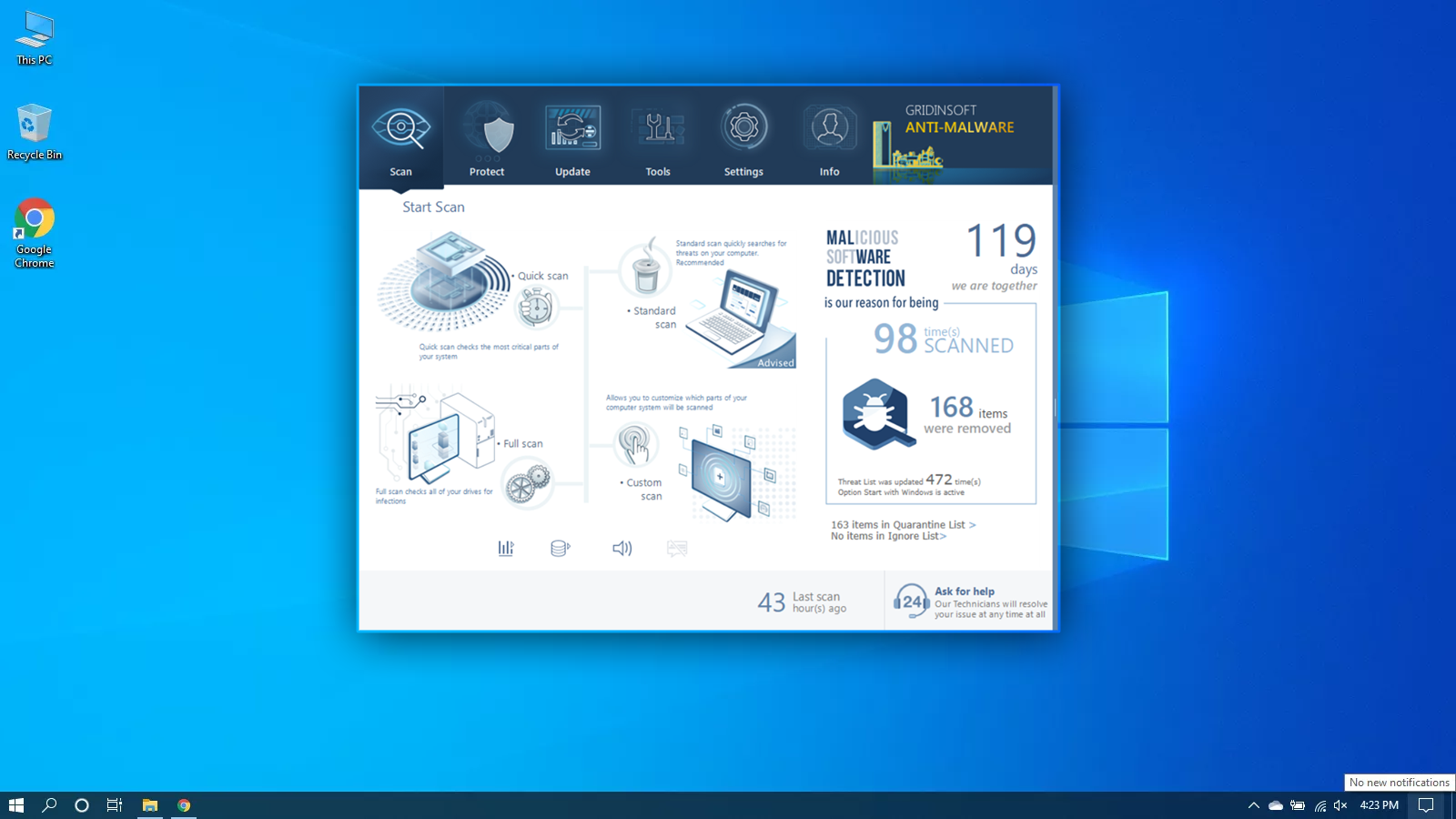
It’s not enough to just use the antivirus to secure your PC. You require to have a more detailed antivirus solution. Typical antivirus scanners primarily search for virus-type dangers and may be unable to identify all types of malware. Your system may be full of “junk”, for example, toolbars, web browser plugins, dubious search engines, bitcoin miners, and various other sorts of unwanted software used for making money on your inexperience. Be cautious while downloading programs on the web to avoid your gadget from being filled with unwanted toolbars and various other scrap data.
Nonetheless, if your system already has a particular unwanted application, you will undoubtedly delete it. Most antivirus programs do not care about PUAs (potentially unwanted applications). To get rid of such software, I suggest purchasing Gridinsoft Anti-Malware. If you use it regularly for scanning your PC, it will assist you in eliminating malware that was missed out on by your antivirus software.
Frequently Asked Questions
Trojan:JS/Phish is a type of trojan horse malware that primarily targets web browsers. It uses JavaScript to execute its malicious activities. Fraudulent or phishing websites aim to trick users into disclosing sensitive information, such as login credentials or personal data.
Trojan:JS/Phish can infect systems through various means, including malicious email attachments, compromised websites, or drive-by downloads. Once executed, the trojan may modify web browser settings, inject malicious scripts, or redirect users to phishing websites.
Signs of a Trojan:JS/Phish infection may include unexpected browser redirects to suspicious websites, altered browser settings, unusually slow or erratic browser performance, and the presence of unfamiliar or suspicious browser extensions.
To protect your system from Trojan:JS/Phish and similar threats:
- Keep your operating system, web browsers, and security software up to date with the latest patches and updates.
- Exercise caution when opening email attachments or clicking on links, especially from unknown or suspicious sources.
- Be vigilant while browsing the internet and verify the authenticity of websites, especially those requesting sensitive information.
- Use reputable antivirus or anti-malware software and regularly scan your system for potential threats.
- Educate yourself and your employees about phishing techniques and best practices for online security.
If you suspect your system is infected with Trojan:JS/Phish:
- Disconnect from the internet to prevent further data theft or unauthorized access.
- Use reputable antivirus or anti-malware software to scan and remove the trojan from your system.
- Change your passwords for all sensitive accounts, especially those accessed through web browsers.
- Monitor your financial statements and online accounts for any suspicious activity.
- Consider reporting the incident to your local law enforcement or cybersecurity authorities.
If the guide doesn’t help you to remove Trojan:JS/Phish virus, please download the GridinSoft Anti-Malware that I recommended. Also, you can always ask me in the comments for getting help. Good luck!
I need your help to share this article.
It is your turn to help other people. I have written this guide to help users like you. You can use the buttons below to share this on your favorite social media Facebook, Twitter, or Reddit.
Wilbur WoodhamHow to Remove Trojan:JS/Phish Malware
Name: Trojan:JS/Phish
Description: If you have seen a message showing the “Trojan:JS/Phish found”, then it’s an item of excellent information! The pc virus JS/Phish was detected and, most likely, erased. Such messages do not mean that there was a truly active JS/Phish on your gadget. You could have simply downloaded and install a data that contained Trojan:JS/Phish, so Microsoft Defender automatically removed it before it was released and created the troubles. Conversely, the destructive script on the infected internet site can have been discovered as well as prevented prior to triggering any kind of issues.
Operating System: Windows
Application Category: Trojan
