
sIHCLient.exe is a genuine Windows process that can be found running in Task Manager under the “SIH Client” name when the operating system starts fixing components required for automatic Windows updates. This genuine system file is placed in the “\Windows\System32\” folder. In many cases, cybercriminals use this name and disguise malicious programs (processes) as sihclient.exe. Therefore, various anti-virus programs often recognize the legitimate SIHCLient.exe process as a threat and provide users with ‘false positive’ results.
Some files have names similar to SIHCLient.exe, for example, sihclient.exe (the filename is case-sensitive), or they have identical names but are not placed not in the correct directory (“\Windows\System32\”). This means that the file is not a legitimate Windows system file and it is a miner trojan virus.
What is Sihclient.exe process?
Sihclient.exe is a malicious process created by coin miner virus
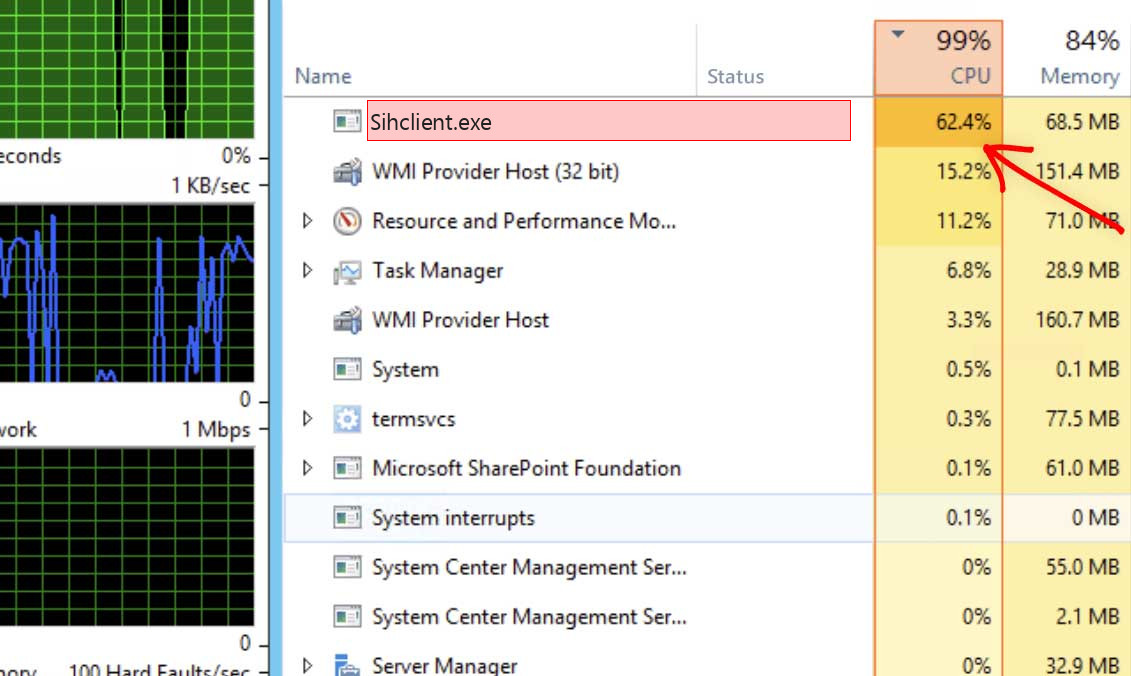
Sihclient.exe – Really high CPU/GPU use
Besides CPU usage, some of the coin miners additionally use GPU power for their operations. In that situation, you will struggle also to see the mouse arrow moving – GPU is often utilized on 100%. It is not as crucial as CPU for system work, so Sihclient.exe coin miner viruses don’t waste time on trifles and utilize it all. It often may cause sad results.
Shortly about cryptocurrency mining
List of the typical coin miner symptoms
How dangerous is the Sihclient.exe miner?
Coin miners does not deal damage to your files. However, they make a lot of unpleasant things with the whole system
First off, Sihclient.exe virus makes your computer overloaded. It is unable to run your applications now, as all CPU power is used by a malware. That malware does not care for your necessities, all it pays attention to is generating profits on you. Even if you are patient, and you waited until web browser is open, you will likely struggle with exceptionally sluggish efficiency. Pages can open for years, any kind of logins will likely take about a minute – just a horror story for a person that works online.
Sihclient.exe Technical Summary.
| File Name | Sihclient.exe |
| Type | Trojan Coin Miner |
| Detection Name | Trojan:Win32/CoinMiner |
| Distribution Method | Software bundling, Intrusive advertisement, redirects to shady sites etc. |
| Similar behavior | Setupww.exe, Winsysx64.exe, Bitfiat.virus/ |
| Removal | Download and install GridinSoft Anti-Malware for automatic Sihclient.exe removal. |
“Visible” damage is not a solitary negative activity coin miners perform to your computer. Sihclient.exe coin miner also deals damage to your OS. To execute all malicious operations correctly, it ruins the security mechanisms of your system. You will likely see your Microsoft Defender disabled – malware halts it to prevent recognition. If you open the HOSTS file, you will likely see a number of new entries – they are added by this coin miner to connect your computer to a malicious mining network. All these changes are about to be gone back to the initial state in the process of computer recovery.
Hardware effects of coin miner activity
Besides making your computer slow, running at peak level for long times may trigger damage to your machine as well as increase power bills. Hardware elements are designed to easily deal with high load, but they can do so only in case when they are in a good shape.
Little and well-protected CPU fan is hard to damage. Meanwhile, GPUs have big and easy-to-access rotors, which can be easily broke if touched while spinning, for instance, by the user much before the virus injection. Malfunctioning cooling system, together with the extremely high load caused by Sihclient.exe virus can easily lead to GPU failure2. Graphic cards are also tend to have fast wearing when used for cryptocurrency mining. It is surely a bad case when your GPU’s performance decreases on 20-30% just after several weeks of being used in such a way.
How did I get Sihclient.exe coin miner virus?
Coin miners are spread through different ways, but their main sources are malicious banners and programs from dubious sources
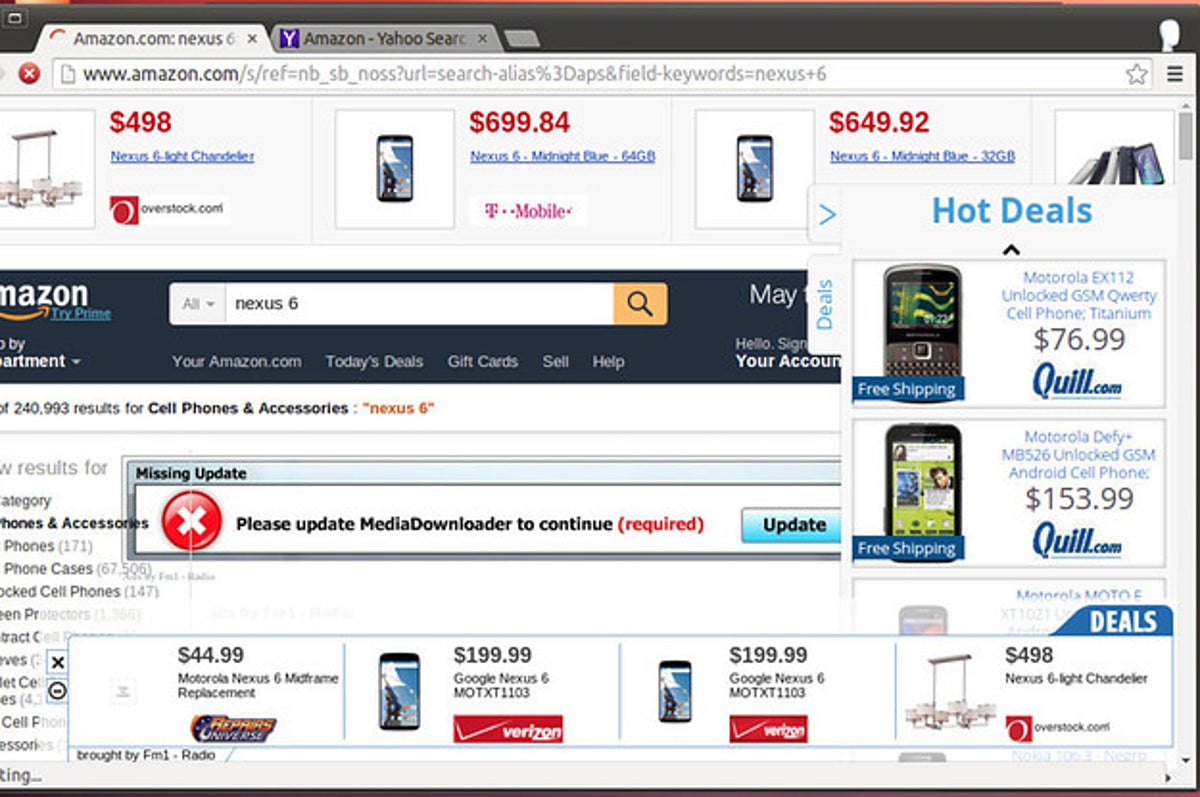
The example of malicious banners you can see in the Internet
Another way you could get this item on your PC is by downloading it from the suspicious site as a part of a program. Users who spread hacked variants of popular programs (which do not demand the license key) have small chances to earn money. Thus, there is a very big lure to include malware to the final package of the hacked app and get a coin for each installation. Prior to criticizing these people for hacking and malware distribution, ask yourself – is it alright to avoid buying the program in such a way? It is more affordable to pay $20-$30 one time than to pay a much bigger figure for antivirus software and new parts for your computer.
How to remove the Sihclient.exe miner from my PC?
The best way to get rid of this coin miner virus is to use anti-malware software
Booting the PC into Safe Mode with Networking
Press the Start button, then choose Power, and click on Reboot while holding the Shift key on the keyboard.
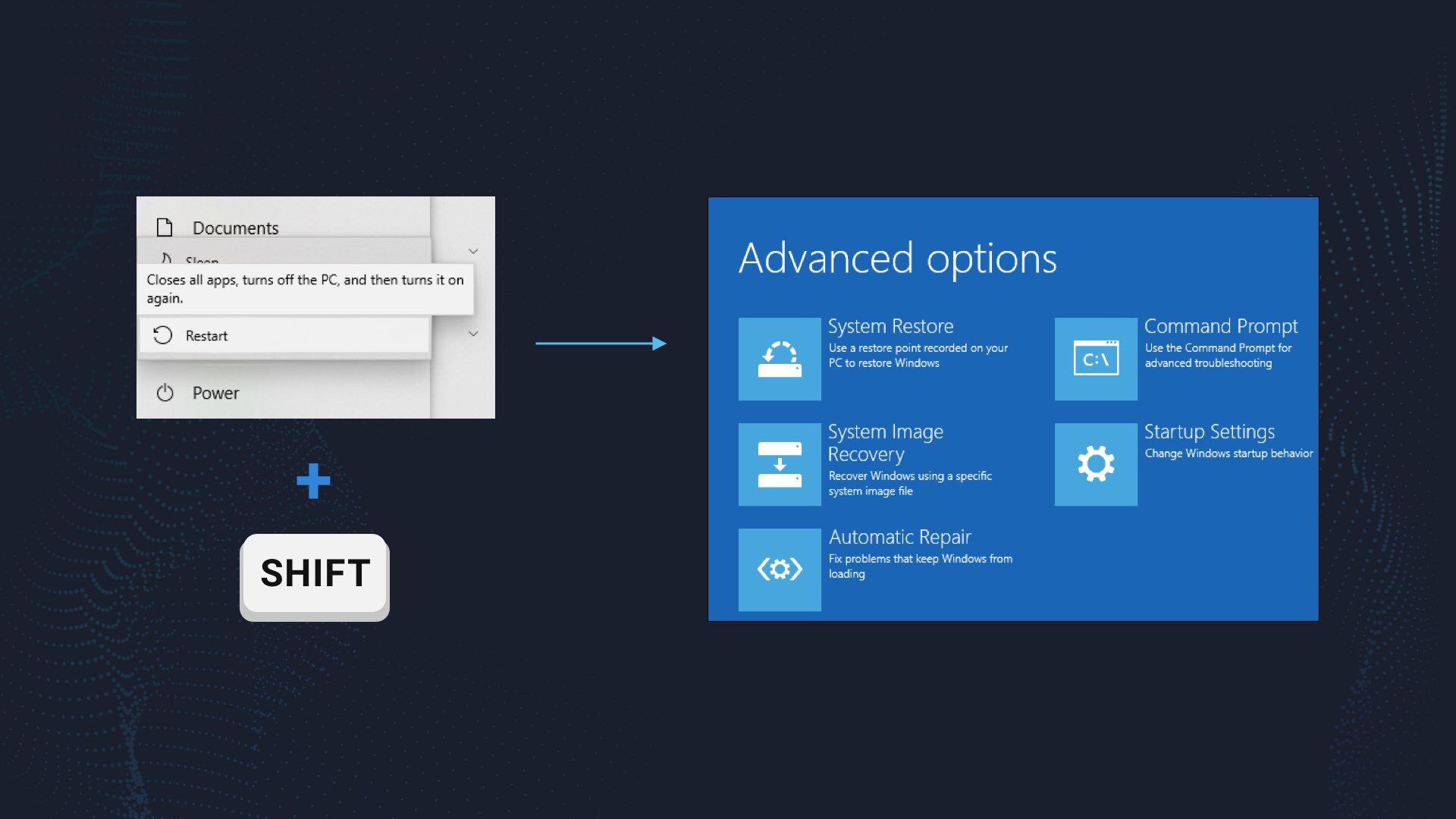
Windows will reboot into recovery mode. In that mode, choose Troubleshoot→ Startup Settings→ Safe Mode with Networking. Press the corresponding button on your keyboard to choose that option.
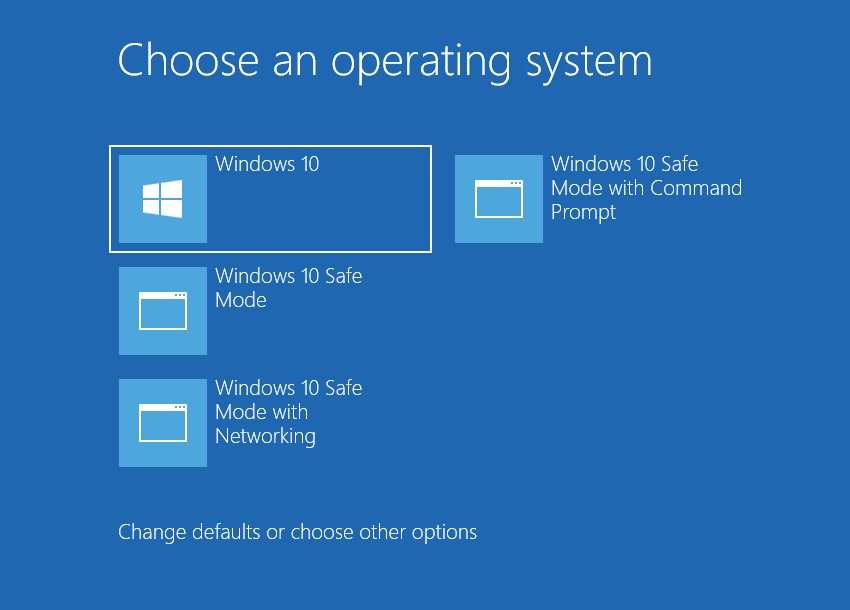
When your PC is in Safe Mode, all third-party apps, along with the majority of non-crucial Windows components, are not started with the system start. That gives you the ability to clean the PC without dealing with high processor usage of the coin miner.
References
- About unwanted effects for GPUs in the process of cryptomining.



Leave a Comment