
I understand the importance of keeping your computer system secure and free from potential threats. In this blog post, we will explore the file “npf.sys” and its role in the Windows operating system. Additionally, we will discuss whether you should remove it, and if you encounter any errors related to this file, how to fix them.
In rare cases, npf.sys can be associated with malware or malicious activity. While npf.sys itself is a legitimate system file used by the Npcap packet capturing driver, malicious actors may attempt to exploit it for nefarious purposes. Hackers may disguise malware as npf.sys to evade detection and gain unauthorized access to network traffic.
To avoid falling victim to npf.sys-related malware, it is crucial to ensure that you are using a legitimate and up-to-date version of Npcap from a trusted source. Additionally, maintaining robust cybersecurity practices, such as using reputable antivirus and anti-malware software, regularly updating your operating system and applications, and exercising caution when downloading files from the internet, can help protect your system from potential threats, including npf.sys-related malware.
What is npf.sys?
The npf.sys is a system file that belongs to the Npcap packet capturing driver. Npcap is a legitimate and open-source packet capturing library used by various network utilities and applications. It allows software to capture and analyze network traffic, making it essential for network monitoring, troubleshooting, and security analysis.
| File Name | Description |
|---|---|
| npf.sys | npf.sys is a system file that belongs to the Npcap packet capturing driver. |
| Location | Size |
| C:\Windows\System32\drivers\ | Variable (depending on the version) |
| Purpose | Developer |
| npf.sys is part of Npcap, a packet capturing driver used for network traffic analysis and monitoring. | Nmap Project |
| Is it safe? | Digital Signature |
| Yes, npf.sys is safe and essential for the proper functioning of Npcap, a legitimate network packet capture utility used by security professionals and network administrators. | Yes, npf.sys is digitally signed by “Insecure.Com LLC,” which confirms its authenticity and integrity. |
The npf.sys file is specifically associated with the Npcap driver, which enables applications to access low-level network data, including packet capturing and filtering. This driver is commonly used by network monitoring tools, intrusion detection systems (IDS), and network sniffers.
Should I Remove npf.sys?
In general, npf.sys is not a file that you should remove from your system. It is a legitimate and essential component for specific network-related functionalities, especially if you use network monitoring or security tools that rely on packet capturing capabilities.
However, like any system file, npf.sys can be targeted by malicious software attempting to impersonate legitimate components for malicious purposes. To ensure that npf.sys is not being used maliciously on your system, it’s crucial to keep your computer protected with up-to-date antivirus and anti-malware software.
How to Fix npf.sys Errors?
If you encounter errors related to npf.sys, they are likely caused by issues with the Npcap driver or conflicts with other software on your system. Here are some steps you can take to troubleshoot and resolve npf.sys errors:
- Update Npcap: Ensure that you are using the latest version of Npcap. Check the official Npcap website or the website of the application that uses Npcap for any available updates.
- Reinstall Npcap: If you suspect that the Npcap driver is corrupted or not installed correctly, consider uninstalling and then reinstalling Npcap to resolve any potential issues.
- Check for Conflicts: Some other software or drivers on your system might be conflicting with Npcap. Try disabling or uninstalling any recently installed software that may be causing the problem.
- Perform System File Check: Use the built-in “sfc /scannow” command in the Command Prompt to scan for and repair any corrupted system files, including npf.sys.
- Seek Professional Help: If you are unsure about troubleshooting the npf.sys errors or suspect malware activity, consider seeking assistance from cybersecurity experts or technical support.
How to Remove Malware?
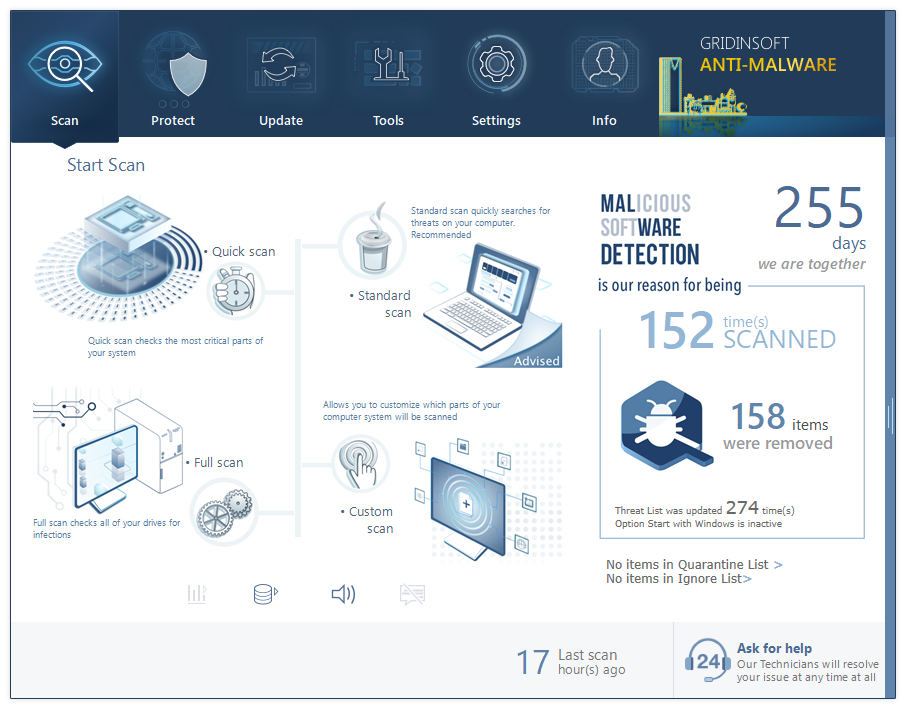
Step 1: Perform a Full System Scan
Go to the “Scan” tab and choose the type of scan you want to perform. For comprehensive malware removal, select the “Full Scan” option. Click the “Full Scan” area to initiate the scanning process.
Step 2: Remove Detected Malware
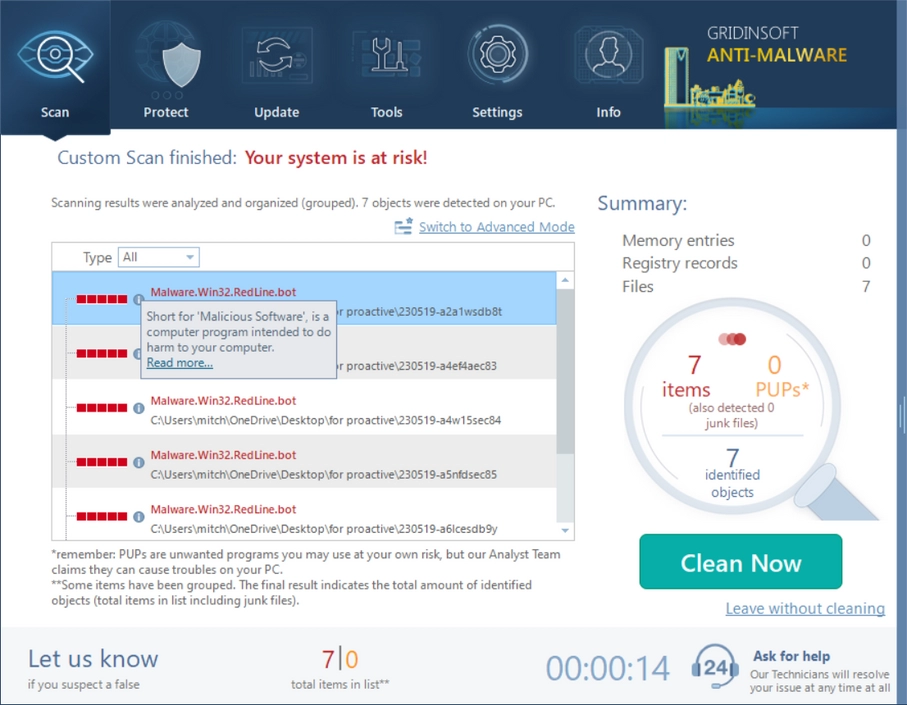
Was Found Malware on infected PC
Step 3: Restart & Enable Real-Time Protection
After the removal process is complete, restart your computer to finalize the changes and ensure that the malware is completely eliminated.
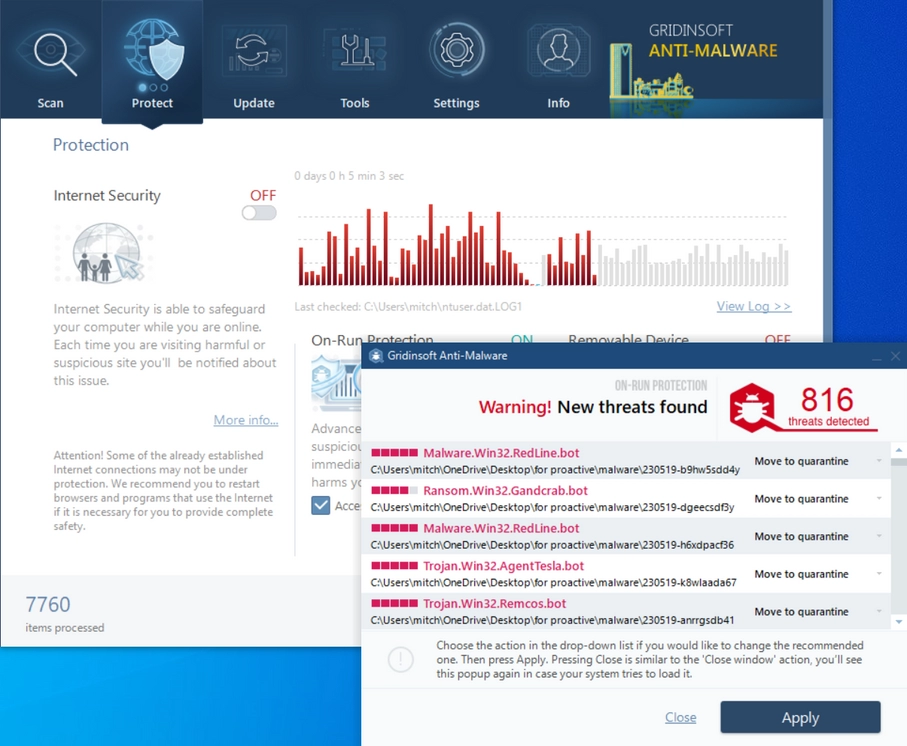
PC Protection in process
Conclusion
NPF.sys can be legitimate when it belongs to the expected software and is stored in the correct program folder. If the file location, signature, or behavior looks unusual, update the related application first, then scan the system and remove only confirmed unwanted or malicious items.
Remember, it is essential to exercise caution when dealing with system files and drivers. Always back up your data before making any significant changes to your system, and ensure you are using legitimate and up-to-date software from trusted sources.
By taking these precautions and staying vigilant, you can help maintain a secure and reliable computing environment, free from potential threats related to npf.sys or any other system files.


Leave a Comment