
COMCTL32.dll is an essential system file in the Windows operating system. It stands for “Common Control Library” and contains a set of common graphical user interface (GUI) elements used by various applications and system components. These elements include buttons, scrollbars, progress bars, and other controls that provide a consistent and familiar user experience across different Windows applications.
What is COMCTL32.dll?
| File Name | Comctl32.dll |
|---|---|
| Description | Common Control Library |
| File Type | Dynamic Link Library (DLL) |
| Developer | Microsoft Corporation |
| File Size | Varies based on Windows version |
| Location | System32 folder in Windows directory |
| Operating System | Windows XP, Vista, 7, 8, 10, 11 |
| Functionality | Contains graphical user interface (GUI) elements used by various applications and system components, including buttons, scrollbars, progress bars, and other controls. |
| Importance | Essential system file for the proper functioning of Windows and applications. Removing or tampering with this file can cause serious issues with system stability and functionality. |
Should I Remove COMCTL32.dll?
No, you should not remove or delete the COMCTL32.dll file from your system. It is a critical component of the Windows operating system, and removing it can cause serious issues with the functionality and stability of your system and applications.
Remember that the COMCTL32.dll file is a system file and should be treated with caution. Any changes or deletions to this file should only be done by advanced users or IT professionals who are familiar with system components and potential consequences.
How to Fix Comctl32.dll Not Found?
If you encounter an error message stating “Comctl32.dll not found” or similar issues related to this file, there are several steps you can take to resolve the problem:
- Run a System File Checker (SFC) Scan: The Windows operating system includes a built-in tool called System File Checker that scans for and restores missing or corrupted system files, including Comctl32.dll. Open Command Prompt as an administrator and run the command “
sfc /scannow“. Restart your computer after the scan is complete. - Check Recycle Bin: If you recently deleted any files, including Comctl32.dll, from your system, check the Recycle Bin to see if the file can be restored from there.
- Perform a System Restore: If the issue started recently after installing new software or making system changes, try using System Restore to revert your system to a previous state when Comctl32.dll was functioning correctly.
- Update Windows: Ensure that your Windows operating system is up to date with the latest updates and patches. Microsoft frequently releases updates that include bug fixes and improvements for system files.
- Reinstall the Application: If the error message is specific to a particular application, try reinstalling the application. This can sometimes fix issues related to missing or corrupted DLL files.
- Use a DLL Fixer Tool: There are third-party DLL fixer tools available that can scan for and automatically repair issues with DLL files. Be cautious when using such tools and ensure they come from reputable sources.
How to Remove Malware?
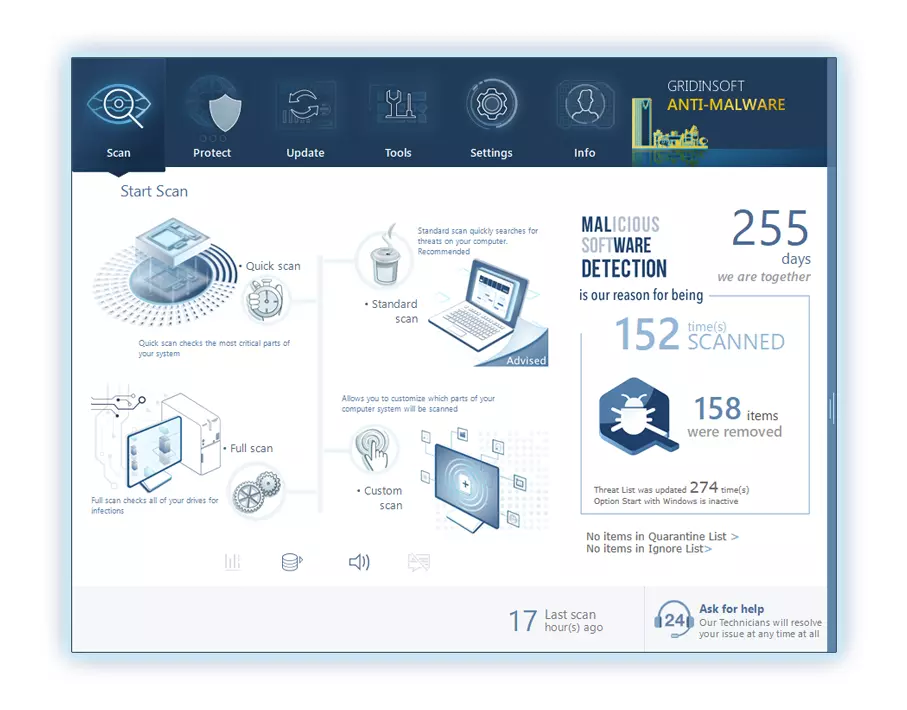
Step 1: Perform a Full System Scan
Go to the “Scan” tab and choose the type of scan you want to perform. For comprehensive malware removal, select the “Full Scan” option. Click the “Full Scan” area to initiate the scanning process.
Step 2: Remove Detected Malware
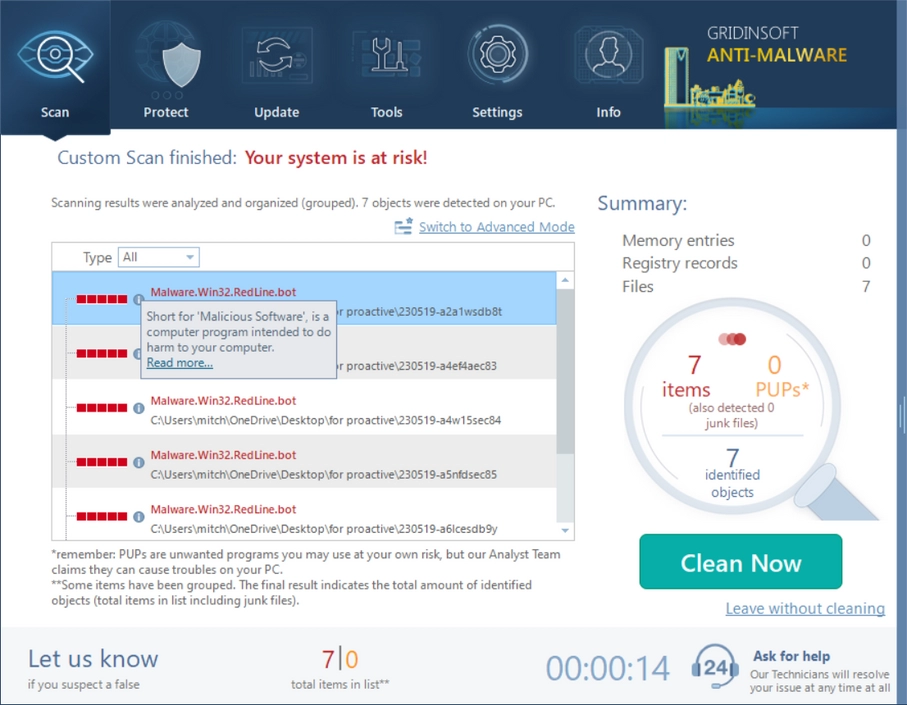
Was Found Malware on infected PC
Step 3: Restart & Enable Real-Time Protection
After the removal process is complete, restart your computer to finalize the changes and ensure that the malware is completely eliminated.
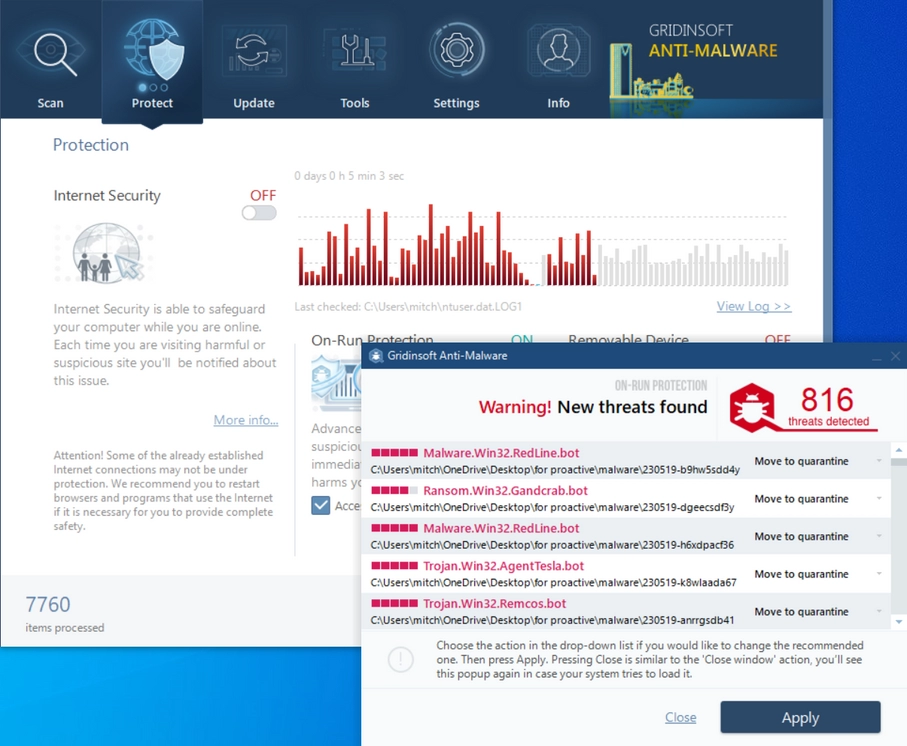
PC Protection in process
Conclusion
COMCTL32.dll can be legitimate when it belongs to the expected software and is stored in the correct program folder. If the file location, signature, or behavior looks unusual, update the related application first, then scan the system and remove only confirmed unwanted or malicious items.


Leave a Comment