
Spectating the Trojan:Win32/Vundo.DT detection usually means that your PC is in big danger. This virus can correctly be named as ransomware – type of malware which encrypts your files and forces you to pay for their decryption. Removing it requires some unusual steps that must be done as soon as possible.
Trojan:Win32/Vundo.DT detection is a virus detection you can spectate in your computer. It usually shows up after the provoking procedures on your PC – opening the untrustworthy e-mail, clicking the banner in the Web or installing the program from untrustworthy sources. From the second it shows up, you have a short time to take action before it starts its malicious activity. And be sure – it is much better not to wait for these harmful things.
What is Trojan:Win32/Vundo.DT virus?
Trojan:Win32/Vundo.DT Summary
In summary, Trojan:Win32/Vundo.DT malware actions in the infected computer are next:
- Sample contains Overlay data;
- The binary likely contains encrypted or compressed data.;
- Authenticode signature is invalid;
- Binary compilation timestomping detected;
- Ciphering the documents kept on the target’s disk drives — so the victim cannot open these documents;
- Blocking the launching of .exe files of anti-malware apps
- Blocking the launching of installation files of security tools
Ransomware has been a nightmare for the last 4 years. It is difficult to imagine a more dangerous virus for both individuals and organizations. The algorithms used in Trojan:Win32/Vundo.DT (generally, RHA-1028 or AES-256) are not hackable – with minor exclusions. To hack it with a brute force, you need more time than our galaxy actually exists, and possibly will exist. But that virus does not do all these bad things immediately – it can require up to several hours to cipher all of your documents. Thus, seeing the Trojan:Win32/Vundo.DT detection is a clear signal that you should start the elimination procedure.
Where did I get the Trojan:Win32/Vundo.DT?
Usual methods of Trojan:Win32/Vundo.DT spreading are typical for all other ransomware variants. Those are one-day landing web pages where victims are offered to download and install the free app, so-called bait e-mails and hacktools. Bait e-mails are a quite modern method in malware spreading – you receive the e-mail that imitates some standard notifications about deliveries or bank service conditions changes. Within the email, there is an infected MS Office file, or a web link which leads to the exploit landing site.
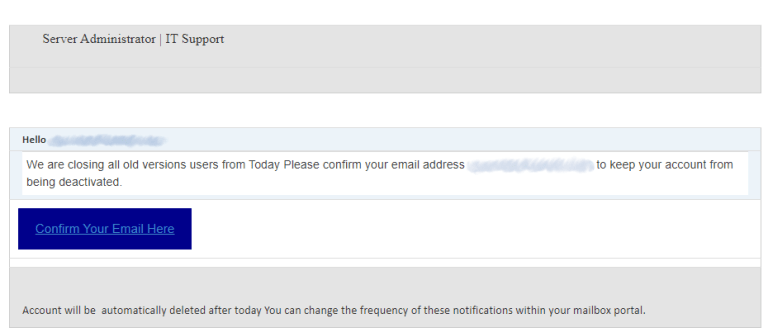
Malicious email message. This one tricks you to open the phishing website.
Preventing it looks quite simple, however, still requires a lot of awareness. Malware can hide in different places, and it is much better to stop it even before it invades your PC than to rely on an anti-malware program. Standard cybersecurity awareness is just an essential item in the modern world, even if your relationship with a PC remains on YouTube videos. That can save you a great deal of time and money which you would spend while trying to find a fix guide.
Trojan:Win32/Vundo.DT malware technical details
File Info:
name: 91BA659BC9B63375CAA4.mlwpath: /opt/CAPEv2/storage/binaries/4699d1a03bf0ddec55f331c65c967249af8d5a4d611d297b17a683fcc4f4e67dcrc32: 4BEFE46Fmd5: 91ba659bc9b63375caa4be1fcf9c0fb2sha1: 5149d13a6f938451c91c4bd2c8c57f4f4dc0c940sha256: 4699d1a03bf0ddec55f331c65c967249af8d5a4d611d297b17a683fcc4f4e67dsha512: 991439faa2eb698fe5ec434c08f98e173056fa0da2b1028189797f0566b1bbab355dca3f0f34e7fdc25d17c2cbc3c44a24a9eeb293cf84b4bb84493c84e21070ssdeep: 1536:1mW7wgwRTG1xKgOmkIUdKW5DJD6hzSm79JMHmA187xjx8:1m5HRTOAdK+u9hCGYKx8type: PE32 executable (DLL) (GUI) Intel 80386, for MS Windowstlsh: T1D793C0DA98E71CBAC6864DF877B677642EB1845AFE7C8313DB008E31E48C487127D54Asha3_384: a38c4e6ecc0afaea85f9e3a4dc6bbdd5213108158b5cb84c1480314fb7c85ae883e23fe54fa32a8b786f0f849986239bep_bytes: 81c7d558cf0fe904000000db7851b656timestamp: 2037-10-01 07:17:46Version Info:
0: [No Data]
Trojan:Win32/Vundo.DT also known as:
| Bkav | W32.AIDetectMalware |
| Elastic | malicious (high confidence) |
| ClamAV | Win.Trojan.Vundo-2826 |
| Skyhigh | BehavesLike.Win32.Vundo.nc |
| McAfee | Vundo.an.gen.c |
| VIPRE | Gen:Trojan.Heur.fq5@JumT!rl |
| Sangfor | Suspicious.Win32.Save.a |
| K7AntiVirus | Trojan ( 00521e9b1 ) |
| BitDefender | Gen:Trojan.Heur.fq5@JumT!rl |
| K7GW | Trojan ( 00521e9b1 ) |
| CrowdStrike | win/malicious_confidence_100% (W) |
| Arcabit | Trojan.Heur.E509DA |
| VirIT | Packer.Vundo.Gen |
| Symantec | Trojan.Vundo.B |
| ESET-NOD32 | a variant of Win32/Adware.Virtumonde.NCD |
| APEX | Malicious |
| Cynet | Malicious (score: 100) |
| Kaspersky | Trojan.Win32.Monder.gen |
| Alibaba | Trojan:Win32/Monder.e942b9b9 |
| NANO-Antivirus | Virus.Win32.Gen.ccmw |
| MicroWorld-eScan | Gen:Trojan.Heur.fq5@JumT!rl |
| Avast | Win32:Susn-AA [Trj] |
| Rising | Trojan.Win32.Monder.a (CLASSIC) |
| Emsisoft | Gen:Trojan.Heur.fq5@JumT!rl (B) |
| F-Secure | Trojan.TR/ATRAPS.Gen2 |
| DrWeb | Trojan.Virtumod.based |
| TrendMicro | TROJ_VUNDO.BMF |
| FireEye | Generic.mg.91ba659bc9b63375 |
| Sophos | Troj/Virtum-Gen |
| Ikarus | Virus.Win32.Vundo |
| Jiangmin | Trojan/Monder.Gen.a |
| Detected | |
| Avira | TR/ATRAPS.Gen2 |
| MAX | malware (ai score=100) |
| Antiy-AVL | Trojan/Win32.Monder |
| Kingsoft | Win32.Troj.Monder.a.318224 |
| Xcitium | TrojWare.Win32.Monder.gen@1gs5jk |
| Microsoft | Trojan:Win32/Vundo.DT |
| ZoneAlarm | Trojan.Win32.Monder.gen |
| GData | Gen:Trojan.Heur.fq5@JumT!rl |
| Varist | W32/Virtumonde.O.gen!Eldorado |
| AhnLab-V3 | Trojan/Win32.Monder.R7392 |
| VBA32 | Trojan.Virtumod.based |
| ALYac | Gen:Trojan.Heur.fq5@JumT!rl |
| Cylance | unsafe |
| Panda | Spyware/Virtumonde |
| TrendMicro-HouseCall | TROJ_VUNDO.BMF |
| Tencent | Malware.Win32.Gencirc.10b2d636 |
| Yandex | Adware.Vundo.Gen!Pac.21 |
| SentinelOne | Static AI – Malicious PE |
| MaxSecure | Trojan.Malware.9358.susgen |
| Fortinet | W32/Agent.VAN!tr |
| BitDefenderTheta | AI:Packer.1527B1F41B |
| AVG | Win32:Susn-AA [Trj] |
| DeepInstinct | MALICIOUS |


Leave a Comment