
The Trojan:Win32/Leonem is a detection name used for a broad selection of malware. The one thing that unites all of them is the presence of spyware capabilities.
Win32/Leonem is a dangerous malware that can access all the information on your computer and even take control of it. It is crucial to remove such threats from your computer immediately. Anti-malware software will keep alerting you about the malware until you take action to remove it. Don’t ignore these alerts and take action to protect your computer from harm.
Trojan:Win32/Leonem actions
- Sample contains Overlay data;
- Reads data out of its binary image;
- The binary contains an unknown PE section name indicative of packing;
- Authenticode signature is invalid;
- Encrypting the documents located on the target’s drives — so the victim cannot check these documents;
- Blocking the launching of .exe files of anti-virus programs
- Blocking the launching of installation files of anti-malware programs
How to remove the Trojan:Win32/Leonem from my PC?
Manual Trojan:Win32/Leonem Removal
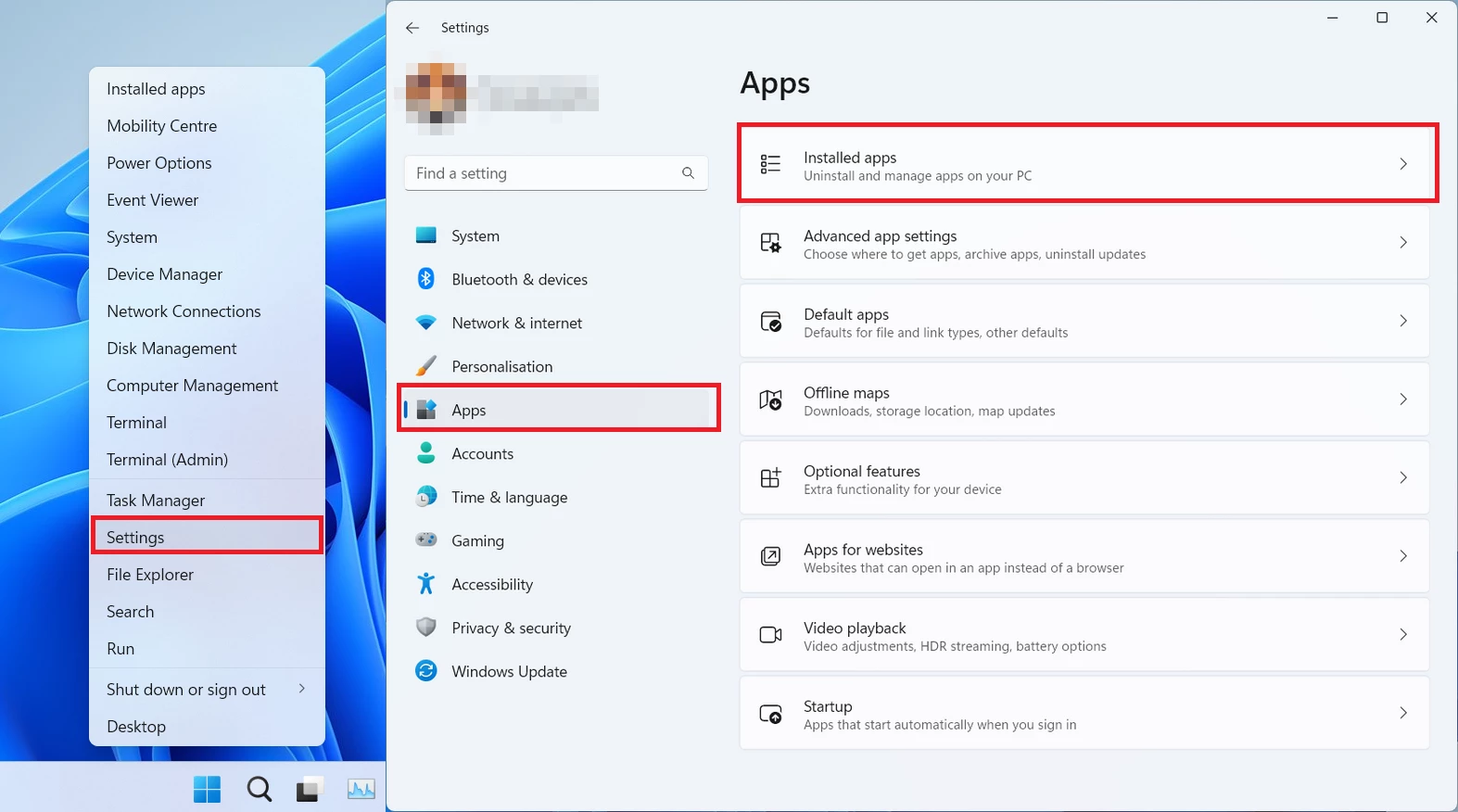
You can remove Trojan:Win32/Leonem manually, through the system Settings app. Click the Windows button with the right mouse button and find Settings in the appeared list. In Settings, go to Apps → Installed Apps menu.
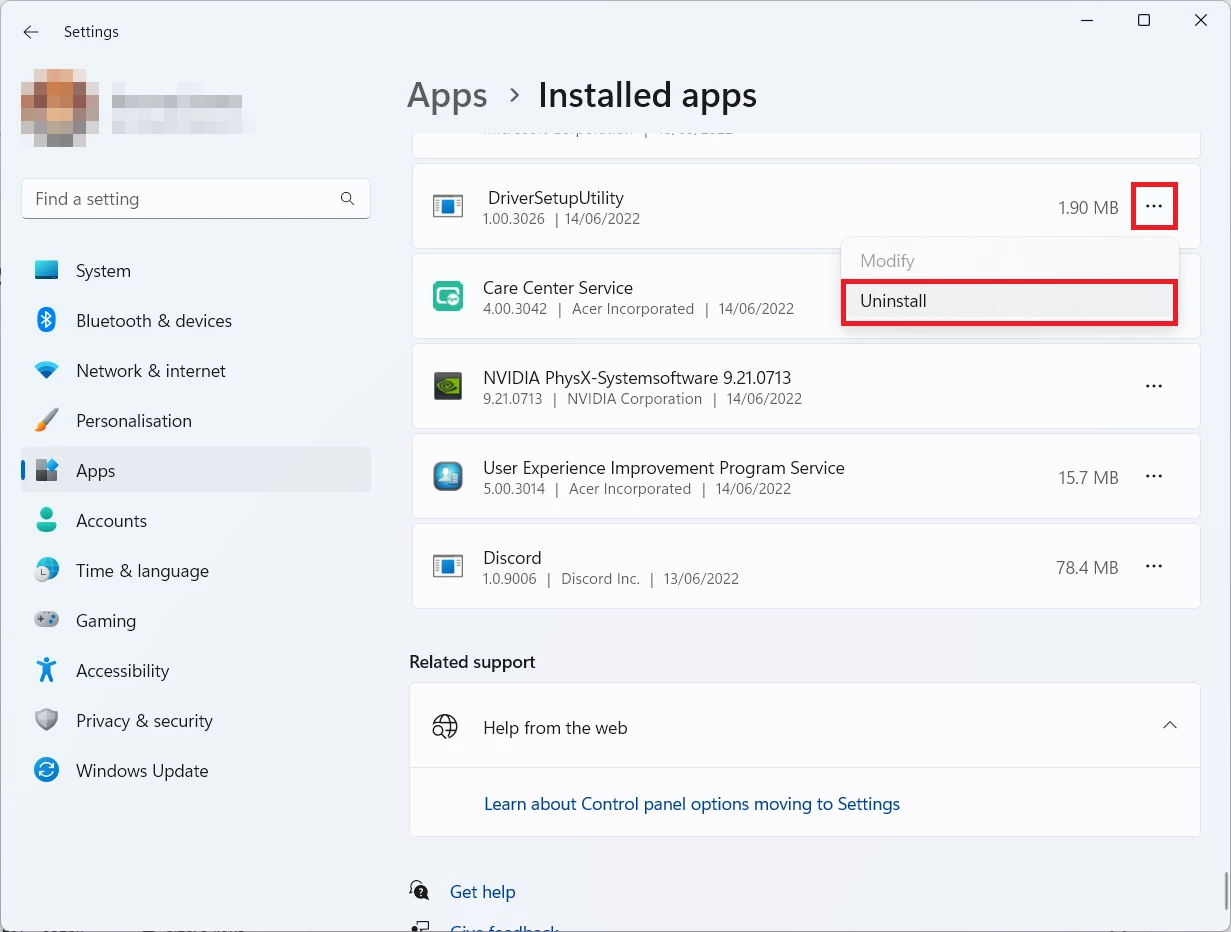
There, find the apps you do not remember installing. If you know a specific one that Avast/AVG is complaining on with the Win32/Uwamson detection, seek for them. Click the three-dot symbol to the right, and then choose “Uninstall”.
Reset your browser settings
You may see the list of options for each browser. By default, they are set up in a manner that fits the majority of users. Press the “Reset” button (lower right corner). In a minute your browser will be as good as new.
Reset your browsers manually
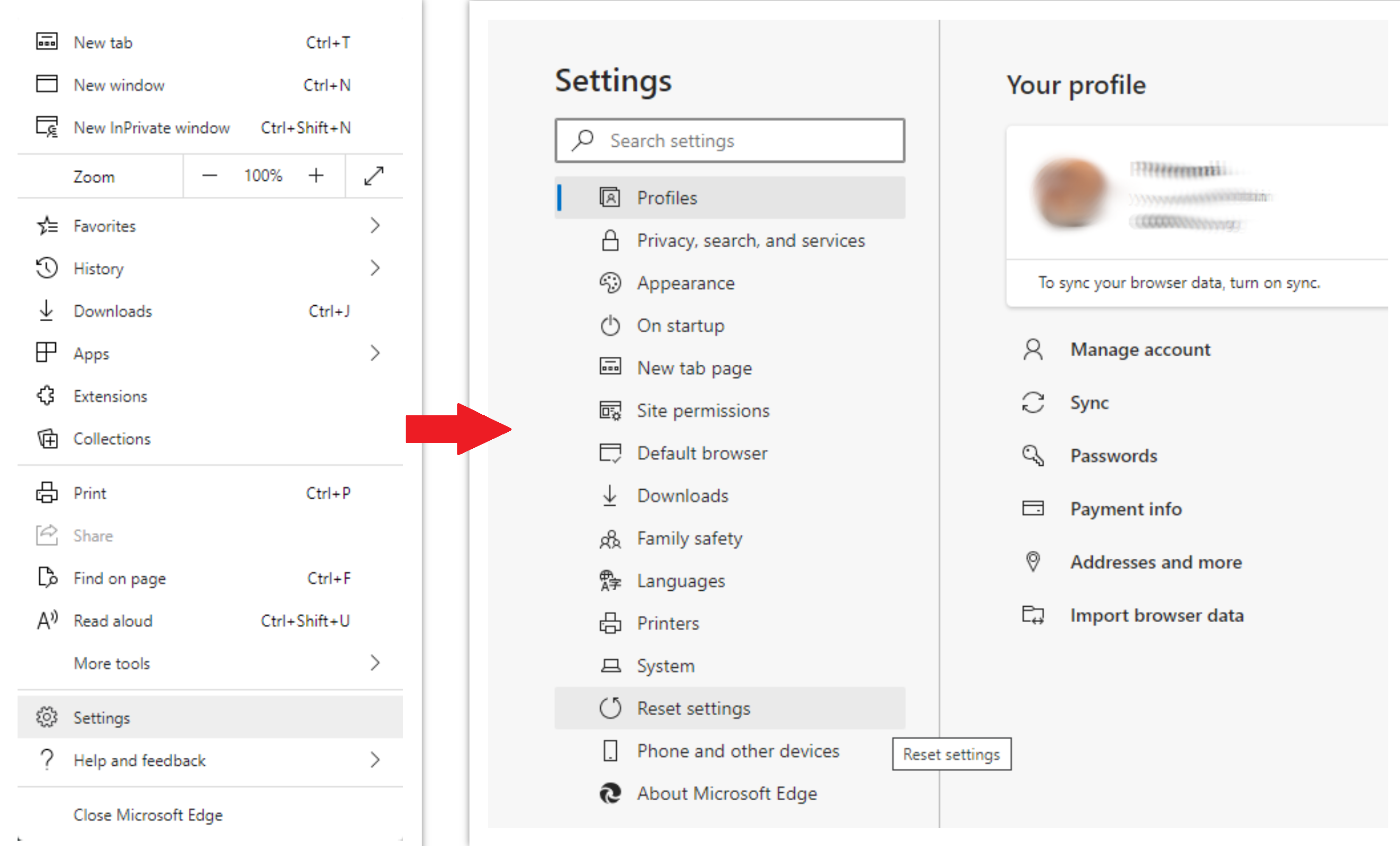
To reset Edge, do the following steps:
- Open “Settings and more” tab in upper right corner, then find here “Settings” button. In the appeared menu, choose “Reset settings” option:
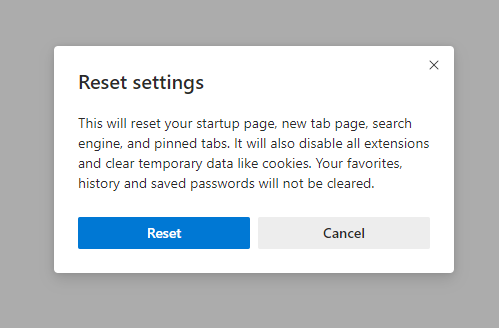
- After picking the Reset Settings option, you will see the following menu, stating about the settings which will be reverted to original:
For Mozilla Firefox, do the next actions:
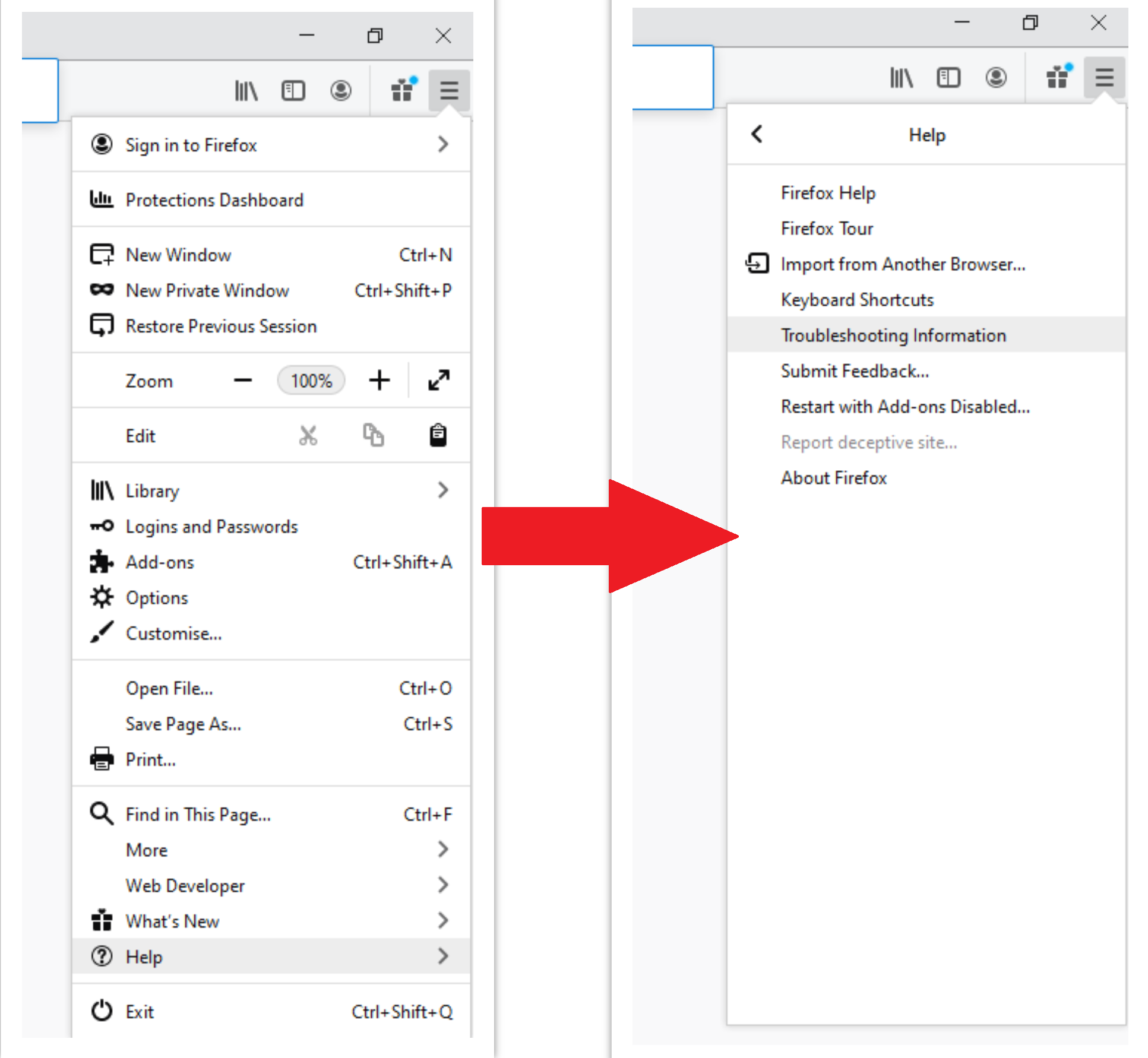
- Open Menu tab (three strips in upper right corner) and click the “Help” button. In the appeared menu choose “troubleshooting information”:
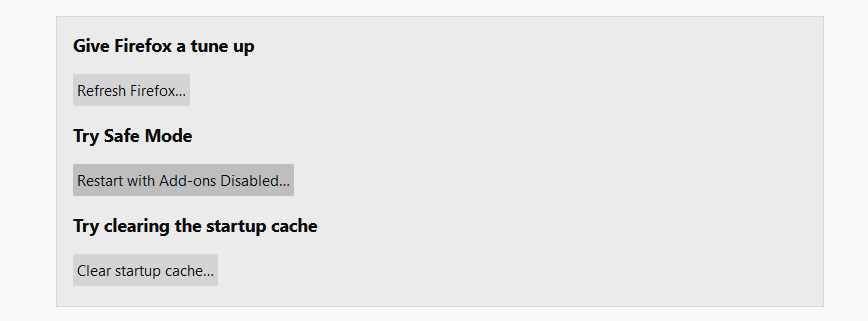
- In the next screen, find the “Refresh Firefox” option:
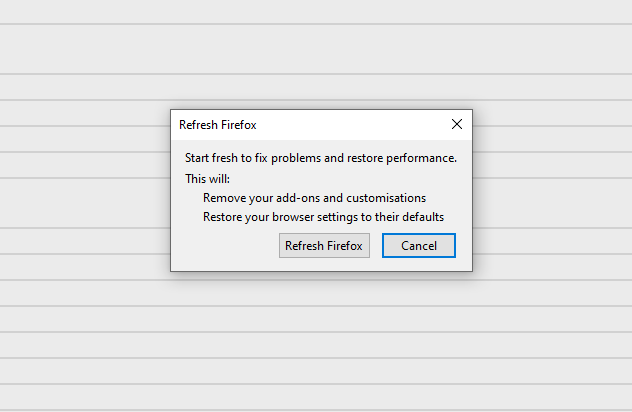
After choosing this option, you will see the next message:
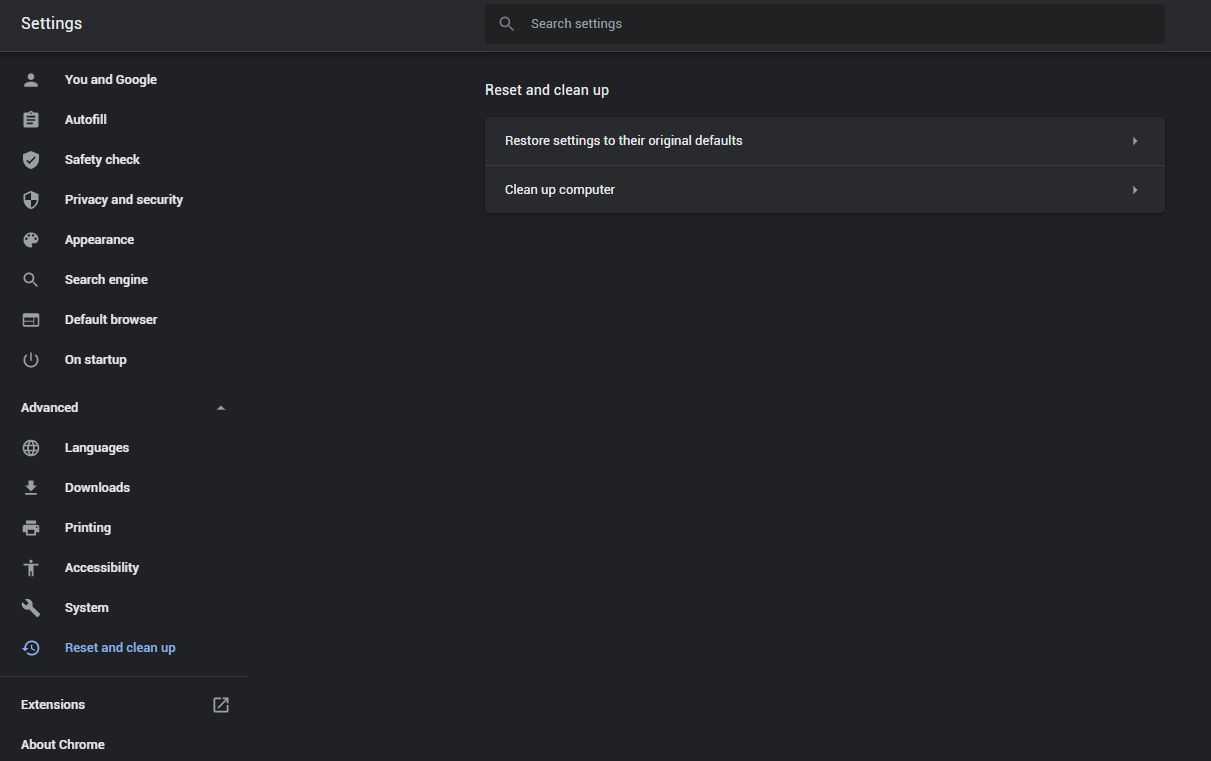
If you use Google Chrome
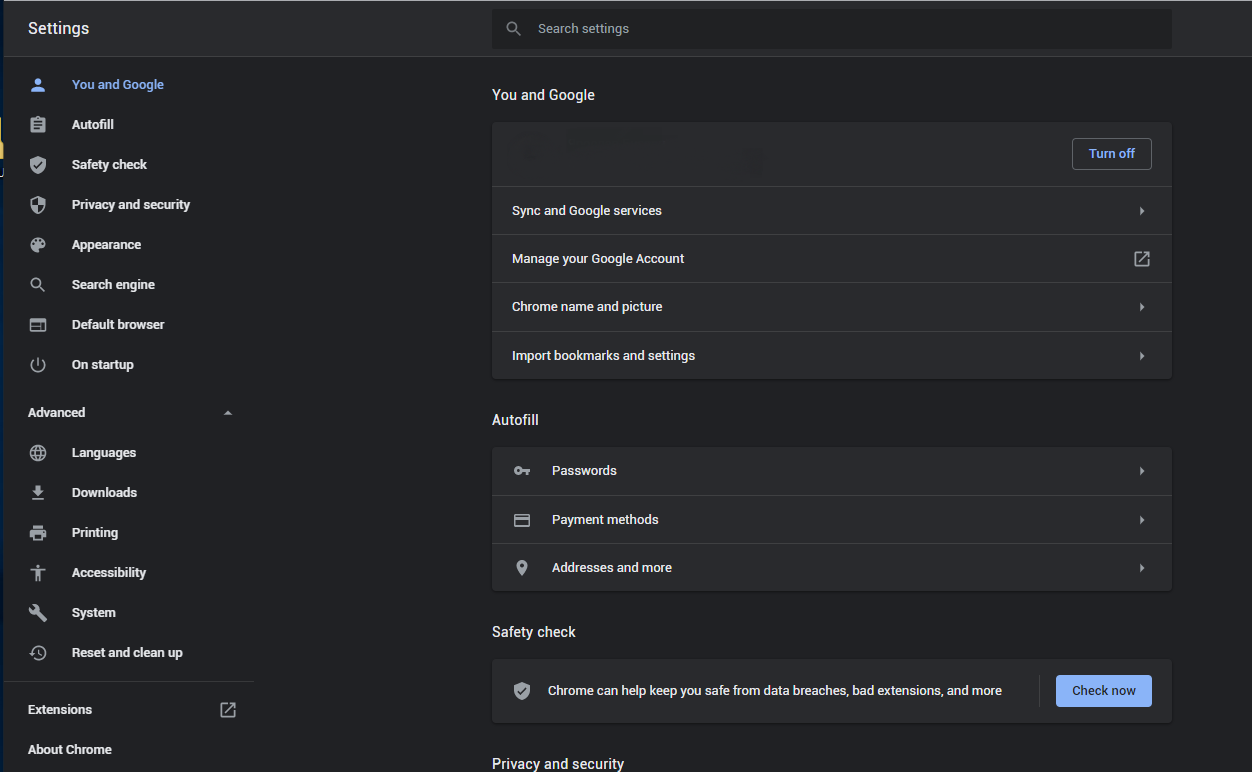
- Open Settings tab, find the “Advanced” button. In the extended tab choose the “Reset and clean up” button:
- In the appeared list, click on the “Restore settings to their original defaults”:
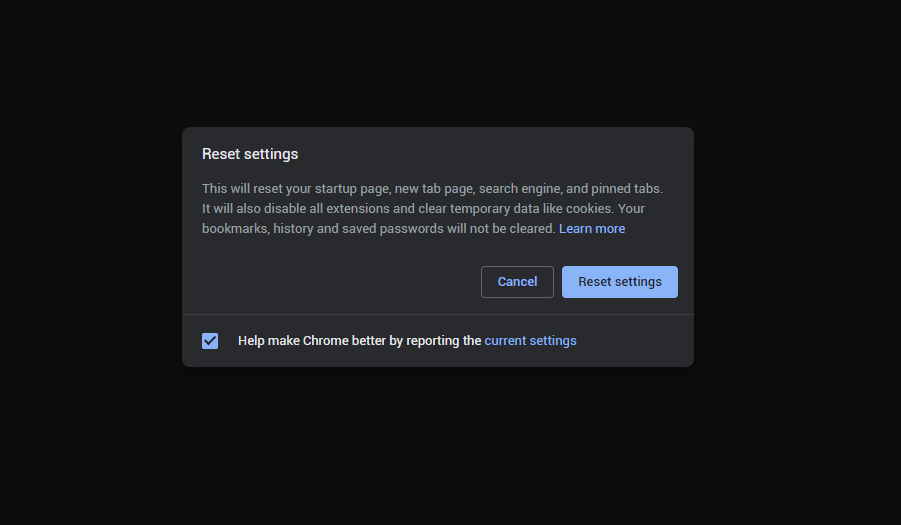
- Finally, you will see the window, where you can see all the settings which will be reset to default:
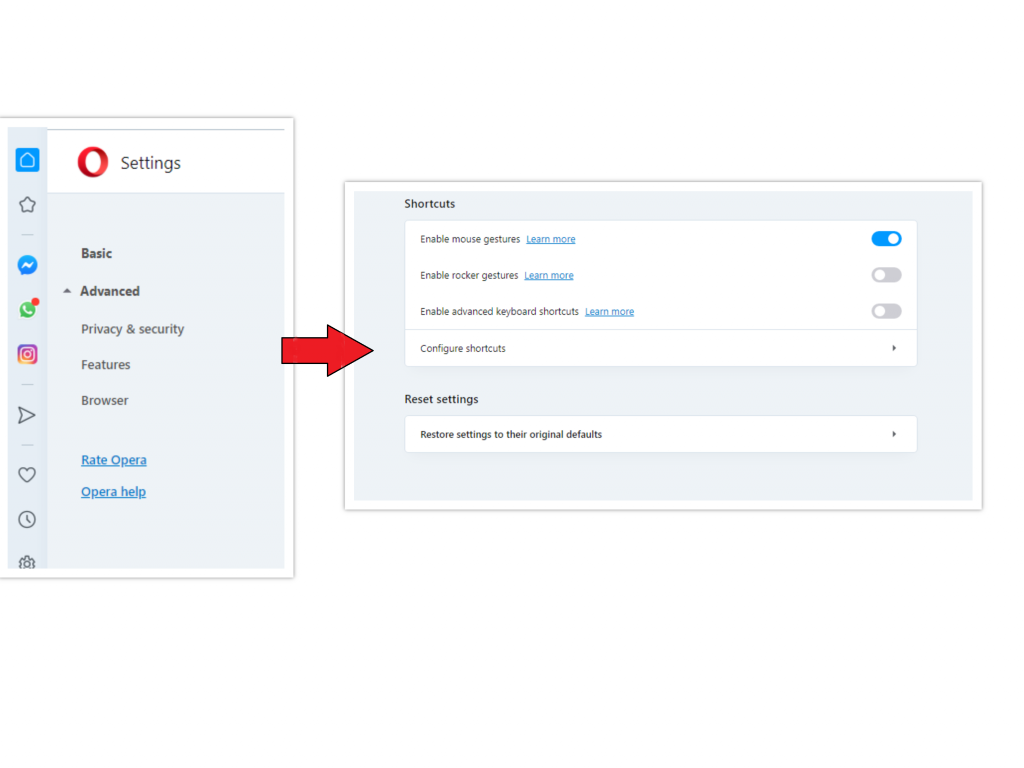
Opera can be reset in the next way
- Open Settings menu by pressing the gear icon in the toolbar (left side of the browser window), then click “Advanced” option, and choose “Browser” button in the drop-down list. Scroll down, to the bottom of the settings menu. Find there “Restore settings to their original defaults” option:
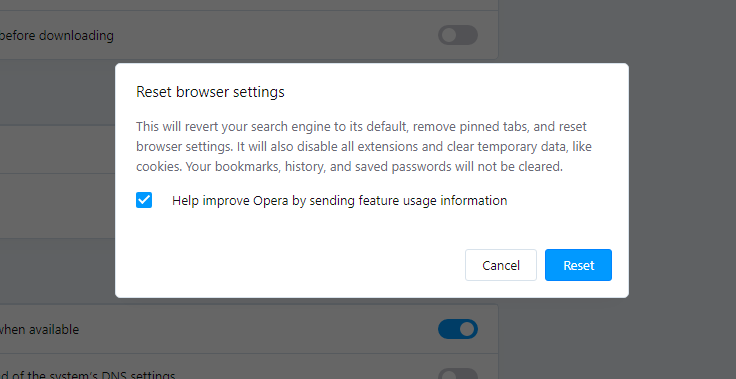
- After clicking the “Restore settings…” button, you will see the window, where all settings, which will be reset, are shown:
When the browsers are reset, you need to ensure that your browser will connect the right DNS while connecting to the web page you need. Create a text file titled “hosts” on your pc’s desktop, then open it and fill it with the following lines1:
# Copyright (c) 1993-2006 Microsoft Corp.

#

# This is a sample HOSTS file used by Microsoft TCP/IP for Windows.

#

# This file contains the mappings of IP addresses to host names. Each

# entry should be kept on an individual line. The IP address should

# be placed in the first column followed by the corresponding host name.

# The IP address and the host name should be separated by at least one

# space.

#

# Additionally, comments (such as these) may be inserted on individual

# lines or following the machine name denoted by a '#' symbol.

#

# For example:

#

# 102.54.94.97 rhino.acme.com # source server

# 38.25.63.10 x.acme.com # x client host

# localhost name resolution is handle within DNS itself.

# 127.0.0.1 localhost

# ::1 localhost
References
- Official Microsoft guide for hosts file reset.


Leave a Comment