
If you see the message reporting that the Trojan:Win32/CoinMiner!MSR was found on your computer, it means that you are infected with coin miner virus. That malware exploits your hardware to mine cryptocurrencies. Today I will show to you just how to do it.
Trojan:Win32/CoinMiner!MSR makes a profit on you. This sort of malware uses your CPU power to mine cryptocurrencies, such as Monero and DarkCoin.
Coin miners became widespread in 2017, after the first crypto-rush. When a lot of people were purchasing the coins as an investment, fraudsters decided to accumulate them in another way. Exactly, they decided to mine cryptocurrencies, but with the use of viruses like CoinMiner!MSR.
Does your antivirus regularly report about the “CoinMiner!MSR”?
If you have actually seen a message indicating the “Trojan:Win32/CoinMiner!MSR found”, you have a thing to worry about. Microsoft Defender, which showed you this detection, has successfully spotted this coin miner. However, that does not guarantee that it is removed. Defender has a lot of bugs, and one of the most critical ones is that it sometimes struggles to block and remove the detected threat. Hence, it acts as a good scanner, but is not capable of being a removal tool. Even after being detected, malware may be running in the background and doing its dirty job. You can understand if it is active by a bunch of typical symptoms.
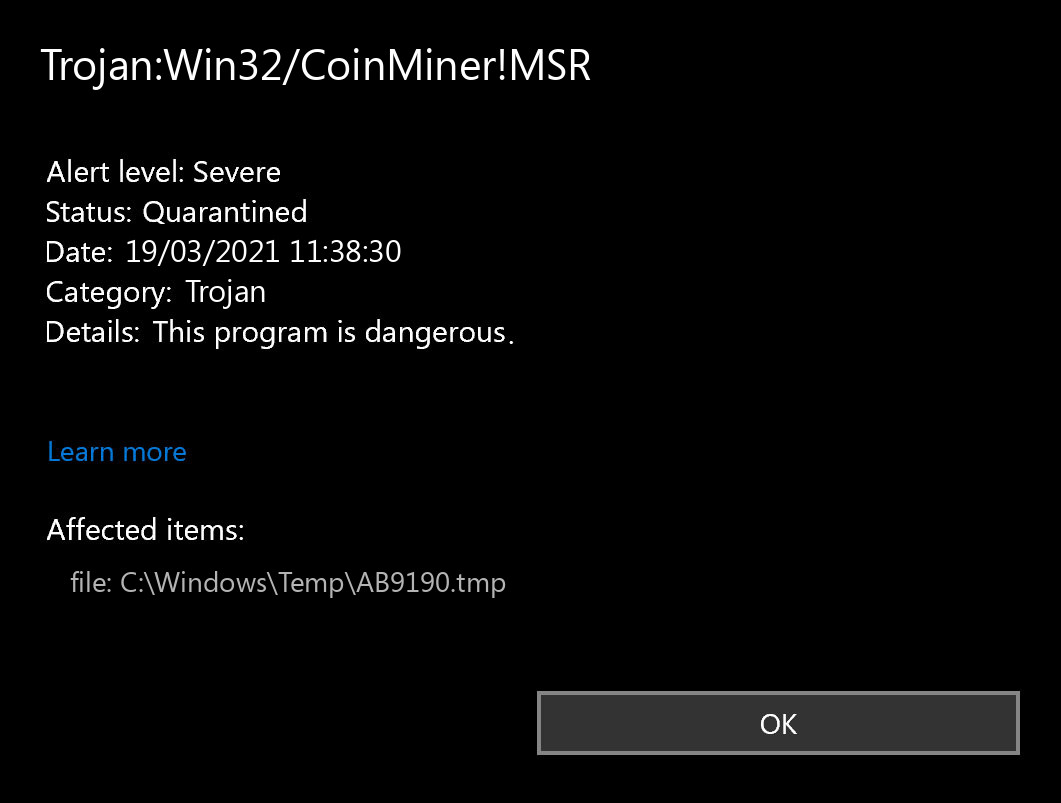
Microsoft Defender: “Trojan:Win32/CoinMiner!MSR”
How to scan for malware, spyware, ransomware, adware, and other threats.
Using the system infected by coin miner is hard, one may say – impossible. But the impossibility of your daily activities on the PC is not the only effect. Coin miners may also act as spyware – virus which steals your data and sends it to fraudsters. This “functionality” is met more and more often among coin miners. The less time you give this virus to act – the less damage it will bring to you and your system. But removing it is not an easy task, and requires the specialized software.
How to scan your PC for Trojan:Win32/CoinMiner!MSR?
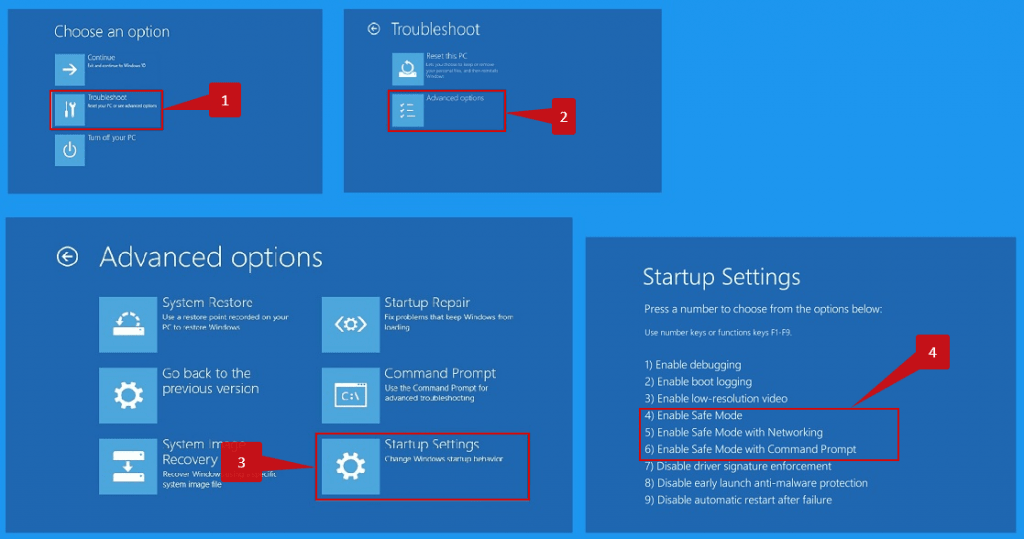
Use Safe Mode to fix the most complex Trojan:Win32/CoinMiner!MSR issues.
It’s not enough to merely use the antivirus for the security of your system. You need to have a more extensive antivirus solution. Not all malware can be spotted by typical antivirus scanners that mainly look for virus-type hazards. Your computer may be full of “junk”, as an example, toolbars, internet browser plugins, unethical search engines, bitcoin-miners, and also other kinds of unwanted software used for generating income on your inexperience. Be cautious while downloading and install apps on the internet to prevent your tool from being filled with unwanted toolbars as well as other junk data.


Leave a Comment