
If you see the message reporting that the Trojan:HTML/Phish was identified on your Windows PC, or in times when your computer functions too slow and give you a huge amount of headaches, you absolutely make up your mind to scan it for Phish as well as tidy it in an appropriate technique. Now I will tell to you just how to do it.
The majority of Trojan:HTML/Phish are utilized to earn a profit on you. The organized crime specifies the selection of unsafe programs to swipe your bank card details, online banking credentials, and various other data for illegal purposes.
Sorts of viruses that were well-spread 10 years ago are no longer the resource of the issue. Presently, the trouble is a lot more evident in the areas of blackmail or spyware. The problem of taking care of these concerns requires different softwares as well as different approaches.
Does your antivirus regularly report about the “Phish”?
If you have actually seen a message suggesting the “Trojan:HTML/Phish found”, after that it’s an item of excellent information! The malware “Trojan:HTML/Phish” was identified and also, probably, erased. Such messages do not imply that there was an actually active Phish on your tool. You could have merely downloaded a file that contained Trojan:HTML/Phish, so your anti-virus software immediately deleted it prior to it was released and triggered the problems. Conversely, the harmful manuscript on the contaminated site can have been spotted and protected against before causing any kind of issues.
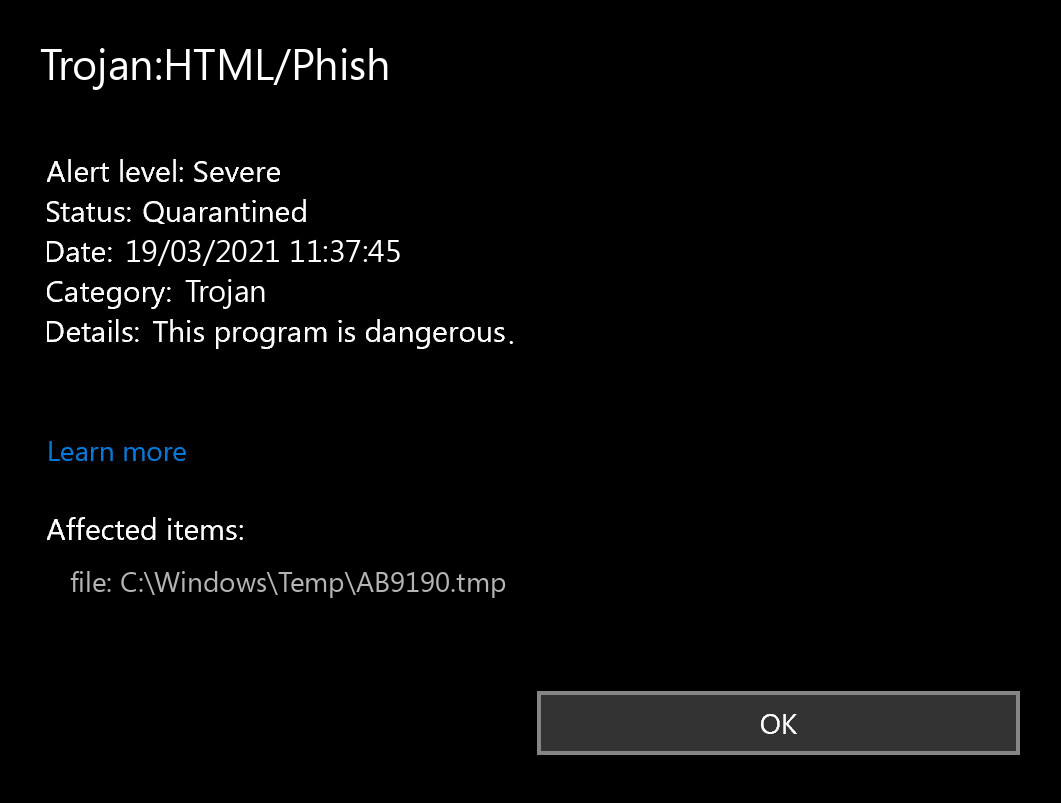
Microsoft Defender: “Trojan:HTML/Phish”
Simply put, the message “Trojan:HTML/Phish Found” during the common use of your computer does not mean that the Phish has actually finished its objective. If you see such a message then it could be the evidence of you seeing the infected page or packing the malicious documents. Try to avoid it in the future, however don’t fret excessive. Experiment with opening the antivirus program as well as inspecting the Trojan:HTML/Phish detection log file. This will certainly give you even more details regarding what the precise Phish was spotted as well as what was particularly done by your antivirus software with it. Obviously, if you’re not confident sufficient, refer to the hands-on scan– anyway, this will be useful.
How to scan for malware, spyware, ransomware, adware, and other threats.
If your system operates in an incredibly lagging way, the website open in a weird way, or if you see ads in the position you’ve never expected, it’s feasible that your computer got contaminated as well as the infection is now active. Spyware will track all your activities or redirect your search or home pages to the places you don’t want to see. Adware might infect your browser and also even the entire Windows OS, whereas the ransomware will attempt to obstruct your system and also require a significant ransom money quantity for your own files.
How to scan your PC for Trojan:HTML/Phish?
Use Safe Mode to fix the most complex Trojan:HTML/Phish issues.
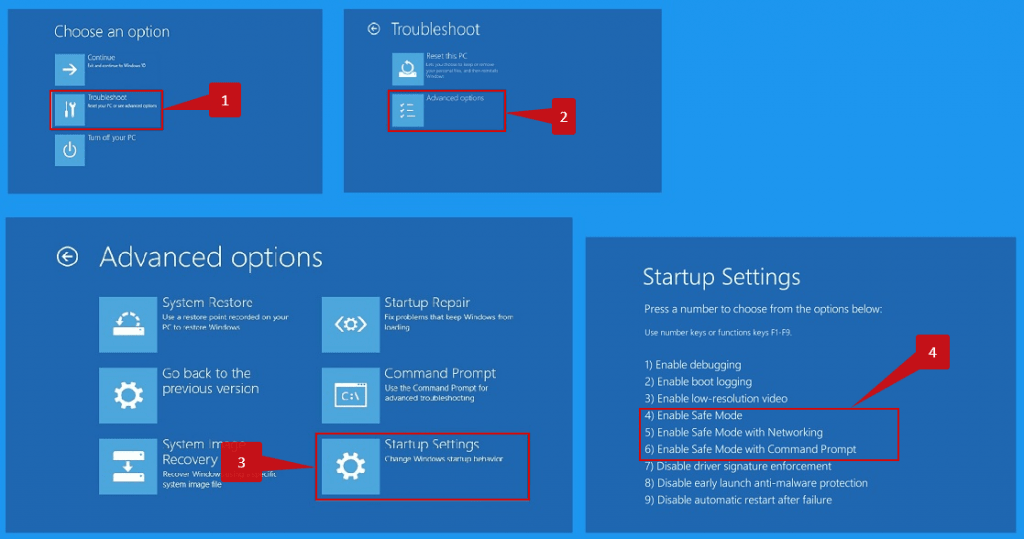
It’s not sufficient to merely use the antivirus for the security of your device. You need to have a more extensive antivirus app. Not all malware can be found by regular antivirus scanners that mainly seek virus-type hazards. Your computer may have plenty of “junk”, as an example, toolbars, Chrome plugins, dubious search engines, bitcoin-miners, and also various other kinds of unwanted programs used for making money on your inexperience. Beware while downloading and install programs on the web to prevent your device from being loaded with unwanted toolbars and other junk data.


Leave a Comment