Malware.Heuristic.1003 Removal. Is It False Positive?

What is Malware.Heuristic.1003?

Malware.Heuristic.1003 is a detection present in Malwarebytes Anti-malware engine. It identifies a malicious item detected by a heuristic system. This system makes anti-malware solutions way more potent but is prone to false detections. To clear up whether it is hazardous or not, you should use another anti-malware software. Consider reading the article to see the details.

In the majority of the instances, Malware.Heuristic.1003 infection will advise its targets to initiate funds move for counteracting the modifications that the Trojan infection has actually presented to the victim’s tool.
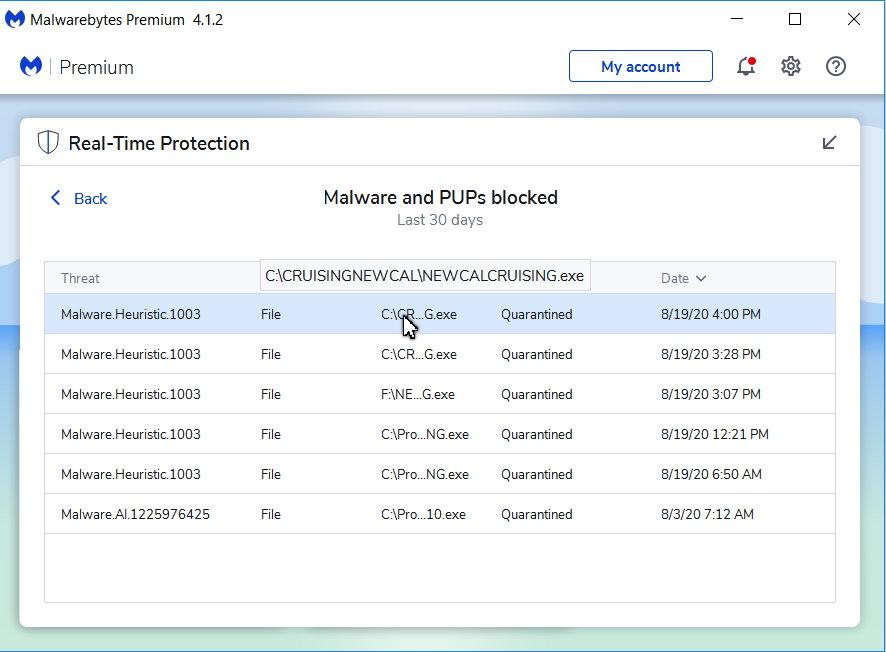
Malware.Heuristic.1003

Malware.Heuristic.1003

IrfanView, 7ZIP, Qbittorrent detected the latest version of Malwarebytes as “Malware.Heuristic.1003”
Subscribe to our Telegram channel to be the first to know about news and our exclusive materials on information security.

If Malware.Heuristic.1003 real threat

In cases when this refers to a real threat, the possible damage may be critical. Samples marked as Malware.Heuristic.1003 performs a row of malicious actions, that clearly show it is spyware.

List of malware actions

Click to view
  • Executable code extraction. Cybercriminals often use binary packers to hinder the malicious code from being reverse-engineered by malware analysts. A packer is a tool that compresses, encrypts, and modifies a malicious file’s format.
  • Injection (inter-process);
  • Injection (Process Hollowing);
  • Attempts to connect to a dead IP:Port (1 unique times);
  • Creates RWX memory. There is a security trick with memory regions that allows an attacker to fill a buffer with a shellcode and then execute it.
  • Possible date expiration check, exits too soon after checking local time;
  • Reads data out of its own binary image. The trick that allows the malware to read data out of your computer’s memory.

    Everything you run, type, or click on your computer goes through the memory. This includes passwords, bank account numbers, emails, and other confidential information.

  • Performs some HTTP requests;
  • Unconventionial binary language: Russian;
  • Unconventionial language used in binary resources: Russian;
  • The binary likely contains encrypted or compressed data. In this case, encryption is a way of hiding virus’ code from antiviruses and virus’ analysts.
  • The executable is compressed using UPX;
  • Looks up the external IP address;
  • Executed a process and injected code into it, probably while unpacking;
  • Steals private information from local Internet browsers;
  • Collects information about installed applications;
  • Checks the CPU name from registry, possibly for anti-virtualization;
  • Attempts to modify proxy settings. This trick used for inject malware into connection between browser and server;
  • Attempts to access Bitcoin/ALTCoin wallets;
  • Harvests information related to installed instant messenger clients;
  • Collects information to fingerprint the system. There are behavioral human characteristics that can be used to digitally identify a person to grant access to systems, devices, or data. Unlike passwords and verification codes, fingerprints are fundamental parts of user’s identities.

Similar behavior

Related domains
api.ipify.org Ransom.Phobos!8.10B6C (TFE:5:8mtWss1rAWC)

Malware.Heuristic.1003

One of the most regular channels where Malware.Heuristic.1003 Virus are injected are:

  • By means of phishing e-mails;
  • Through cracked software, downloaded from third-party websites;

As soon as the Trojan is effectively injected, it will certainly either cipher the data on the victim’s PC or protect against the tool from functioning correctly – while likewise putting a ransom money note that states the need for the victims to effect the settlement for the objective of decrypting the files or restoring the file system to the first problem. In many circumstances, the ransom money note will turn up when the client restarts the computer after the system has actually currently been harmed.

Malware.Heuristic.1003 spreading ways

Currently, malware opts for pretty much same ways of spreading regardless of the country. Most popular options are email spam and pirated software. The former relies on users’ positive bias towards email messages – they simply don’t expect anything malicious to appear. Pirated a.k.a cracked programs, on the other hand, are illegal from the beginning. Burglars who hack them additionally embed malware in the package, so it is installing together with the crack.

Technical details

File information

Click to expand
crc32: 8079A784md5: a7d038f64060412d4726e8b8f3406821name: A7D038F64060412D4726E8B8F3406821.mlwsha1: b4c054da6b0734319e5ea08e23ca4fbbc95bcd43sha256: 8e4f25ae17e2868391994dee1de589d93b6162b085a726f76bd5b848330dd44dsha512: d12a2f20c285bdcb318f65dd368184f20cf1a475b671e0c4f049328359dc3fa9ec916ff1396d623e85d763f80c13ce02ea8b4a879cbf83522b334b3b62100a0assdeep: 24576:DVVE6YxK5X9bMFkrt9Acrr66LnQ3owApBK/RoNpyHiwpqBKzAWJ6Z+Dt+6Fw+ng:DVVE6YOX9bMFkrt9AcnNLnQaBK/qmiwEtype: MS-DOS executable

Version Info:

LegalCopyright: Copyright (C) 2021InternalName: e92FileVersion: 1, 0, 0, 1ProductName: e92 ApplicationProductVersion: 1, 0, 0, 1FileDescription: e92 ApplicationOriginalFilename: e92.exeTranslation: 0x0419 0x04b0

Alternative detection names

Click to expand
Elastic malicious (high confidence)
Qihoo-360 HEUR/QVM11.1.E2F1.Malware.Gen
McAfee Artemis!A7D038F64060
AegisLab Trojan.Win32.Generic.4!c
Sangfor Malware
BitDefender Trojan.GenericKD.45632951
Cybereason malicious.a6b073
Symantec ML.Attribute.HighConfidence
APEX Malicious
Paloalto generic.ml
Cynet Malicious (score: 90)
Kaspersky Trojan-PSW.Win32.Ficker.hn
MicroWorld-eScan Trojan.GenericKD.45632951
Rising Ransom.Phobos!8.10B6C (TFE:5:8mtWss1rAWC)
Ad-Aware Trojan.GenericKD.45632951
McAfee-GW-Edition BehavesLike.Win32.Trojan.cc
FireEye Generic.mg.a7d038f64060412d
SentinelOne Static AI – Suspicious PE
MAX malware (ai score=83)
Kingsoft Win32.PSWTroj.Ficker.hn.(kcloud)
Microsoft Trojan:Win32/Wacatac.B!ml
ZoneAlarm Trojan-PSW.Win32.Ficker.hn
GData Trojan.GenericKD.45632951
Malwarebytes Malware.Heuristic.1003
ESET-NOD32 a variant of Generik.IMAAQCJ
Yandex Trojan.GenAsa!aY7wiZJpDug
Ikarus Trojan.SuspectCRC
BitDefenderTheta Gen:NN.ZexaF.34780.3mNfaO8Z1Rac
AVG FileRepMalware
Avast FileRepMalware

How to remove Malware.Heuristic.1003 virus?

Unwanted application has ofter come with other viruses and spyware. This threats can steal account credentials, or crypt your documents for ransom.
Reasons why I would recommend GridinSoft1

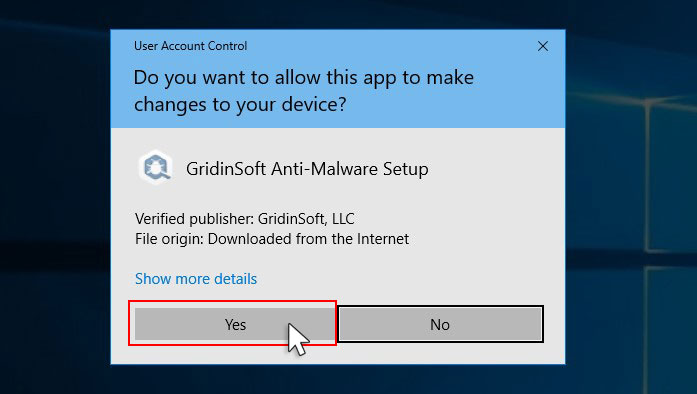
Run the setup file.
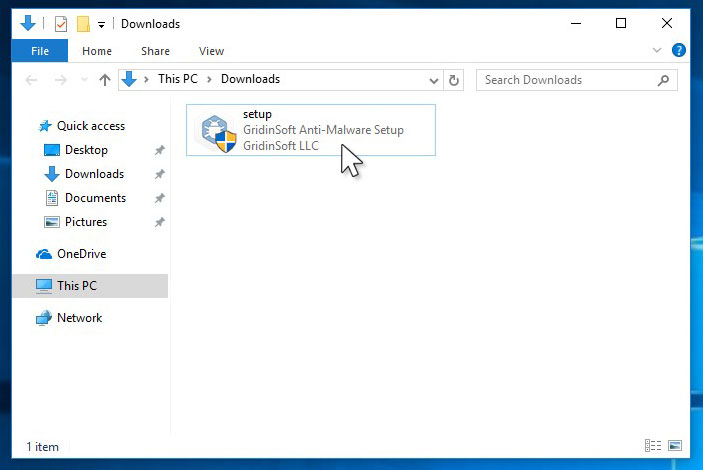
Run Setup.exe
GridinSoft Anti-Malware Setup

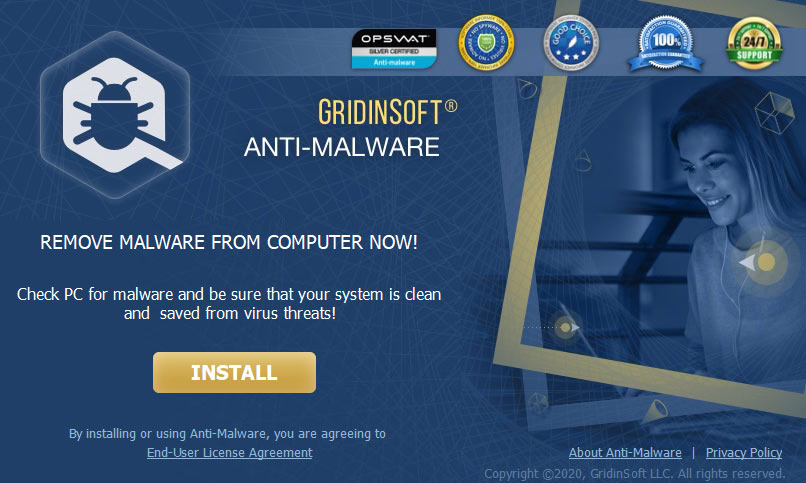
Press “Install” button.

GridinSoft Anti-Malware Install

Once installed, Anti-Malware will automatically run.
GridinSoft Anti-Malware Splash-Screen

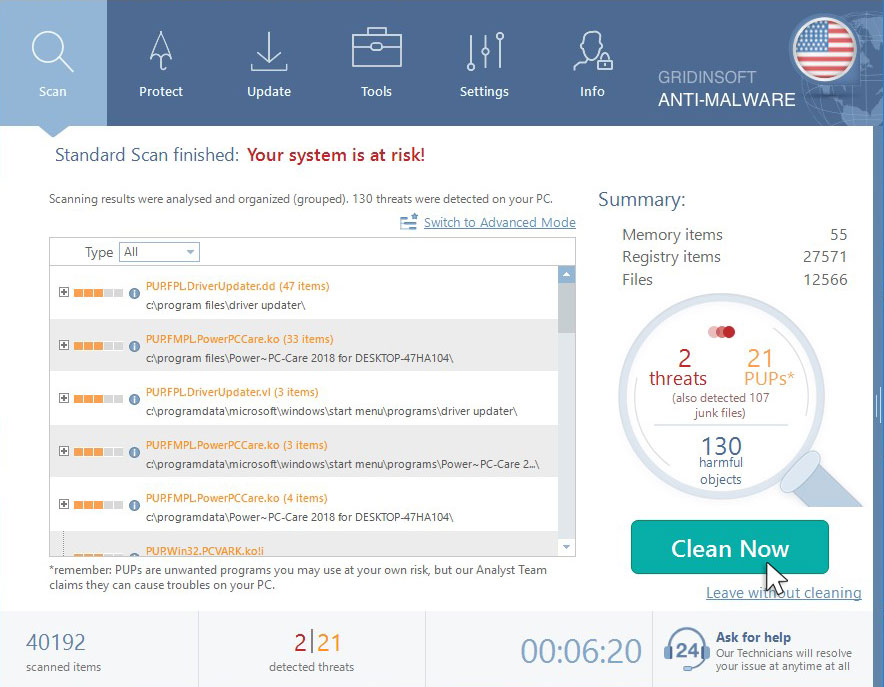
Wait for the Anti-Malware scan to complete.
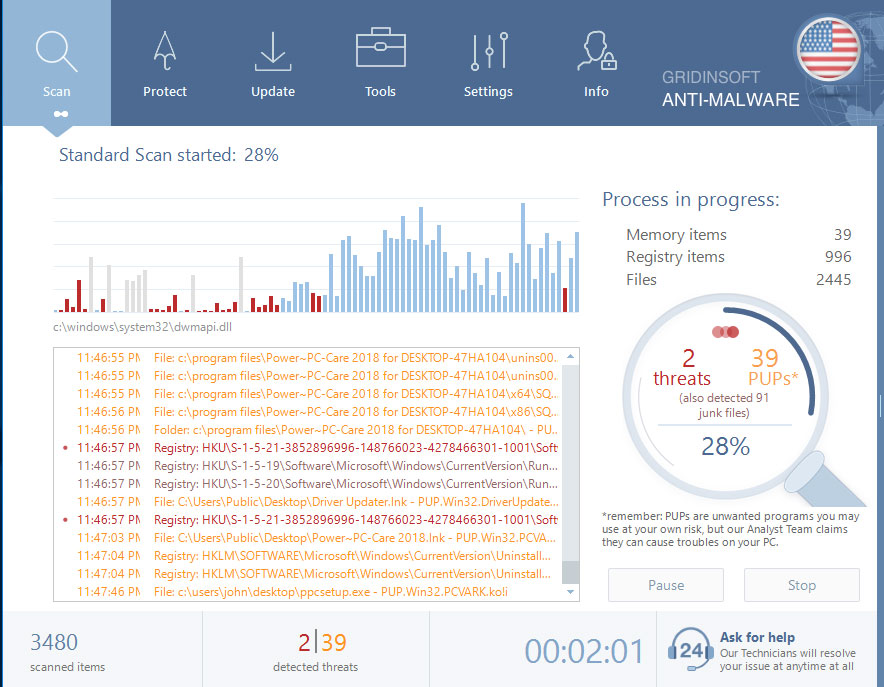
Scanning for Malware.Heuristic.1003

Click on “Clean Now”.

Malware.Heuristic.1003 in the Scan Result

Are Your Protected?

Full version of GridinSoft

Suppose the guide doesn’t help you to remove Malware.Heuristic.1003 you can always ask me in the comments to get help.

References

    German Spanish Portuguese (Brazil)

    About the author

    Robert Bailey

    Security engineer focused on malware behavior, removal workflows, and Windows hardening. Robert reviews threat articles for practical accuracy, checking detection names, symptoms, and cleanup steps before publication.

    Leave a Comment