
Spectating the Trojan:Win32/Vundo.OV detection means that your computer is in big danger. This computer virus can correctly be named as ransomware – virus which ciphers your files and asks you to pay for their decryption. Stopping it requires some peculiar steps that must be taken as soon as possible.
Trojan:Win32/Vundo.OV detection is a virus detection you can spectate in your system. It often shows up after the provoking activities on your PC – opening the untrustworthy email messages, clicking the banner in the Web or installing the program from untrustworthy sources. From the instance it shows up, you have a short time to act until it begins its malicious action. And be sure – it is better not to wait for these destructive things.
What is Trojan:Win32/Vundo.OV virus?
Trojan:Win32/Vundo.OV Summary
Summarizingly, Trojan:Win32/Vundo.OV ransomware activities in the infected PC are next:
- The binary likely contains encrypted or compressed data.;
- Authenticode signature is invalid;
- Anomalous binary characteristics;
- Encrypting the documents kept on the target’s disks — so the victim cannot check these documents;
- Blocking the launching of .exe files of anti-malware apps
- Blocking the launching of installation files of security tools
Ransomware has been a major problem for the last 4 years. It is hard to picture a more hazardous virus for both individual users and companies. The algorithms used in Trojan:Win32/Vundo.OV (generally, RHA-1028 or AES-256) are not hackable – with minor exclusions. To hack it with a brute force, you need more time than our galaxy currently exists, and possibly will exist. But that malware does not do all these bad things instantly – it may require up to several hours to cipher all of your documents. Thus, seeing the Trojan:Win32/Vundo.OV detection is a clear signal that you need to begin the clearing procedure.
Where did I get the Trojan:Win32/Vundo.OV?
General ways of Trojan:Win32/Vundo.OV spreading are typical for all other ransomware examples. Those are one-day landing websites where victims are offered to download the free app, so-called bait emails and hacktools. Bait e-mails are a relatively new tactic in malware distribution – you get the email that simulates some regular notifications about deliveries or bank service conditions updates. Within the email, there is a corrupted MS Office file, or a web link which opens the exploit landing page.
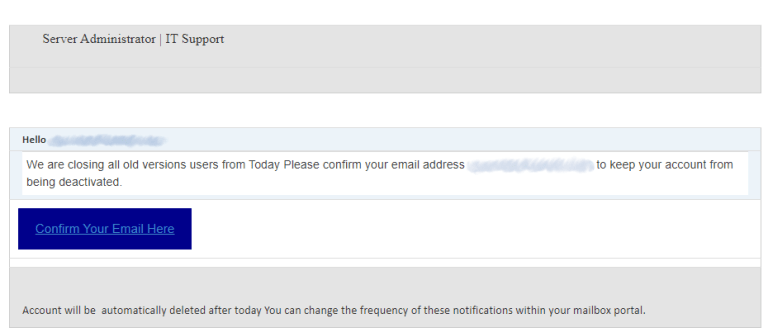
Malicious email message. This one tricks you to open the phishing website.
Avoiding it looks quite uncomplicated, however, still requires a lot of recognition. Malware can hide in various places, and it is far better to prevent it even before it invades your computer than to trust in an anti-malware program. Common cybersecurity knowledge is just an essential thing in the modern-day world, even if your relationship with a computer remains on YouTube videos. That may save you a lot of money and time which you would spend while trying to find a fixing guide.
Trojan:Win32/Vundo.OV malware technical details
File Info:
name: DF16F630BE608BECDA41.mlwpath: /opt/CAPEv2/storage/binaries/53938f3bd70aa76de9b2b5080e0141c98932b7f20000c487d44516b7b42d3ab7crc32: 51306189md5: df16f630be608becda416838758ba869sha1: e55696508056485bfa46f6ced4bcb5f7d40640cesha256: 53938f3bd70aa76de9b2b5080e0141c98932b7f20000c487d44516b7b42d3ab7sha512: 8db9fce63f2d4a386bd9605794ff2d379a09ac75db3831daac6a771767d23064598b4be83456f70794411cfb4381cc465f605a660ccb9adaad6ade9945c9e86essdeep: 1536:+i3rmPjYLbnv3ELMFDEvGv1sSOjLa1qcwBxtX68YAeo4NBxoL:f7mrcbvULMVEvifO3lxtKyB47xoLtype: PE32 executable (GUI) Intel 80386, for MS Windowstlsh: T144A3F11330524533EB9A00B588278F59A73FEB111B197E9747E04A9B7DB4AE41C3B1CBsha3_384: 612aca0ce6a619feb77fc9c20a15106d0f58c3f1592f5c98dda0738ac3937d23ee522b111d4b35a62d4912ce9f3a7945ep_bytes: 558bec6aff6818410101681c0b010164timestamp: 2011-11-19 06:32:51Version Info:
0: [No Data]
Trojan:Win32/Vundo.OV also known as:
| Bkav | W32.AIDetectMalware |
| Lionic | Trojan.Win32.Cidox.lrSg |
| Elastic | malicious (high confidence) |
| MicroWorld-eScan | Trojan.Vundo.GUW |
| ClamAV | Win.Dropper.Agent-36339 |
| FireEye | Generic.mg.df16f630be608bec |
| CAT-QuickHeal | Trojan.Vundo.Gen |
| Skyhigh | BehavesLike.Win32.Backdoor.nh |
| ALYac | Trojan.Vundo.GUW |
| Cylance | unsafe |
| Zillya | Trojan.Cidox.Win32.228 |
| Sangfor | Suspicious.Win32.Save.ins |
| CrowdStrike | win/malicious_confidence_90% (W) |
| Alibaba | Ransom:Win32/Cidox.8954dace |
| K7GW | Trojan ( 0035086b1 ) |
| K7AntiVirus | Trojan ( 0035086b1 ) |
| BitDefenderTheta | AI:Packer.E80A59CB21 |
| Symantec | ML.Attribute.HighConfidence |
| ESET-NOD32 | a variant of Win32/Kryptik.VRK |
| APEX | Malicious |
| Cynet | Malicious (score: 100) |
| Kaspersky | Trojan-Ransom.Win32.Cidox.aex |
| BitDefender | Trojan.Vundo.GUW |
| NANO-Antivirus | Trojan.Win32.Mayachok.ftygt |
| Avast | Win32:MalOb-HT [Cryp] |
| Tencent | Malware.Win32.Gencirc.10b6681e |
| TACHYON | Trojan/W32.Cidox.98304.S |
| Emsisoft | Trojan.Vundo.GUW (B) |
| F-Secure | Trojan.TR/Ransom.aexa |
| DrWeb | Trojan.Mayachok.1 |
| VIPRE | Trojan.Vundo.GUW |
| TrendMicro | TROJ_VUNDO.SMEO7 |
| Trapmine | malicious.high.ml.score |
| Sophos | Mal/Generic-S |
| Ikarus | Trojan-Dropper.Win32.Cidox |
| GData | Trojan.Vundo.GUW |
| Jiangmin | Trojan/Cidox.ava |
| Webroot | W32.Backdoor.Gen |
| Detected | |
| Avira | TR/Ransom.aexa |
| Antiy-AVL | Trojan[Ransom]/Win32.Cidox |
| Kingsoft | Win32.Troj.Undef.a |
| Xcitium | TrojWare.Win32.Kryptik.VST@4kyf1k |
| Arcabit | Trojan.Vundo.GUW |
| ViRobot | Dropper.Cidox.Gen.A |
| ZoneAlarm | Trojan-Ransom.Win32.Cidox.aex |
| Microsoft | Trojan:Win32/Vundo.OV |
| Varist | W32/Lampa.A.gen!Eldorado |
| AhnLab-V3 | Trojan/Win32.Cidox.R15845 |
| McAfee | Vundo.gen.ef |
| MAX | malware (ai score=100) |
| VBA32 | Hoax.Cidox |
| Malwarebytes | Malware.AI.3857765520 |
| Panda | Trj/Genetic.gen |
| TrendMicro-HouseCall | TROJ_VUNDO.SMEO7 |
| Rising | Backdoor.Win32.Fednu.qh (CLASSIC) |
| Yandex | Trojan.GenAsa!HBh1U0weC7s |
| SentinelOne | Static AI – Malicious PE |
| MaxSecure | Trojan.Malware.3280156.susgen |
| Fortinet | W32/Cidox.IRM!tr |
| AVG | Win32:MalOb-HT [Cryp] |
| DeepInstinct | MALICIOUS |


Leave a Comment