
Trojan:Script/Ulthar.A!ml is a classification given to a specific type of malware by antivirus software. It is identified as a trojan due to its deceptive nature and malicious intent. As a script-based trojan, Ulthar.A!ml often spreads through various means, such as malicious email attachments, infected websites, or compromised software downloads. Once it infects a system, it may attempt to gain unauthorized access, steal sensitive information, or facilitate other malicious activities.
It’s important to note that trojans like Ulthar.A!ml can vary in behavior and payload, as they are often designed and distributed by cybercriminals to carry out a wide range of harmful actions. Some trojans may operate silently in the background, while others may display visible signs of infection. In any case, they can pose significant risks to computer security and user privacy.
To protect against trojans like Ulthar.A!ml, users should employ strong security measures, such as using reputable antivirus software, keeping operating systems and applications up-to-date, being cautious of suspicious email attachments or links, and avoiding downloads from untrusted sources. Regular system scans and backups can also help detect and recover from potential infections.
| Name | Ulthar Trojan |
| Detection | Trojan:Script/Ulthar.A!ml |
| Details | Ulthar tool that looks legitimate but can take control of your computer. |
| Similar Behaviour | Wacatac.B!ml, Uwamson.A!ml, Sabsik.FL.A!ml |
Does your antivirus regularly report about the “Trojan:Script/Ulthar.A!ml”?
If you receive a message stating “Trojan:Script/Ulthar.A!ml Found,” it is indeed good news! It indicates that your device has likely detected and successfully removed the Ulthar.A!ml Trojan virus. It’s important to note that such messages do not necessarily mean that the Ulthar virus was actively operating on your computer. It is possible that you unknowingly downloaded a file containing the Trojan:Script/Ulthar.A!ml, which was promptly eliminated by your antivirus software before it could cause any harm.
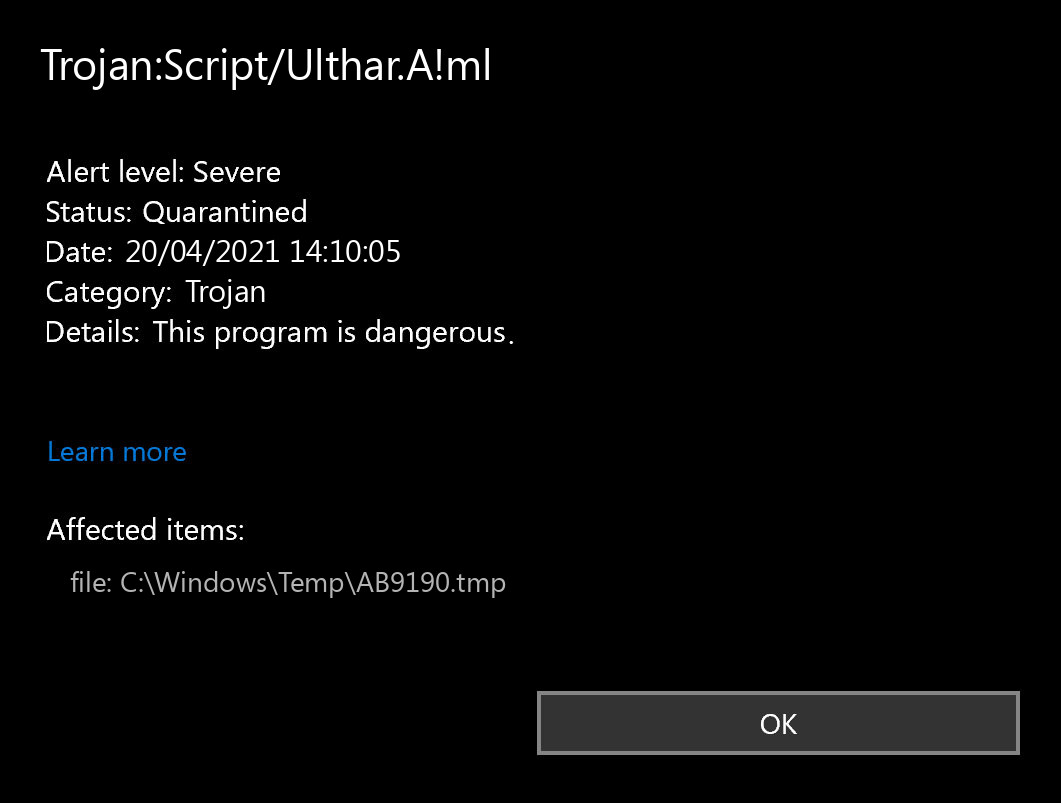
Microsoft Defender: “Trojan:Script/Ulthar.A!ml”
In other words, the message “Trojan:Script/Ulthar.A!ml Found” does not necessarily imply that Ulthar has successfully operated while you were using your computer. If you encounter such a message, it may be an indication that you visited an infected website or downloaded a harmful file. Try to avoid such activities in the future, but there’s no need to worry excessively. You can check your antivirus program and view the Trojan:Script/Ulthar.A!ml detection log to learn more about the specific threat and how your antivirus software addressed it. If you’re still unsure, consider performing a manual check, as this can help resolve the issue.
How to scan your PC for Trojan:Script/Ulthar.A!ml?
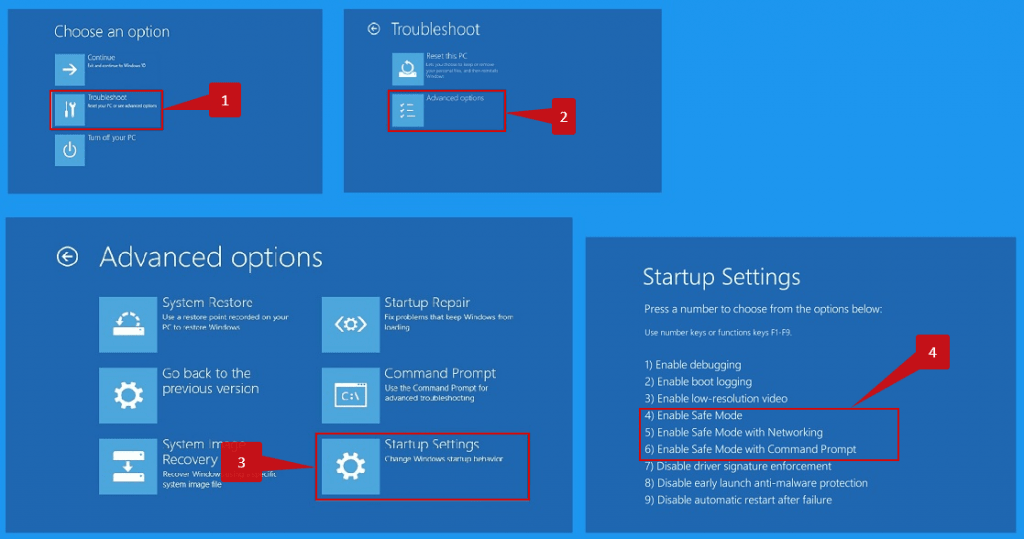
Use Safe Mode to fix the most complex Trojan:Script/Ulthar.A!ml issues.
Frequently Asked Questions
I need your help to share this article.
It is your turn to help other people. I have written this guide to help people like you. You can use buttons below to share this on your favorite social media Facebook, Twitter, or Reddit.
Wilbur Woodham



Leave a Comment