
StealDeal, a potent information stealer, spreads through compromised emails, luring victims with PDF attachments that lead to a web page hosting a deceptive ZIP archive.
Upon execution of the enclosed “certificates_rootCA.exe” file, it deploys StealDeal malware. StealDeal focuses on harvesting browser data-logins, cookies, credit card details-while also targeting diverse applications. Vigilance against its cunning infiltration techniques is crucial.
StealDeal Stealer Overview
| Name | StealDeal information stealer |
| Detection | Microsoft (Trojan:Win64/CryptInject!MSR), Gridinsoft (StealDeal) |
| Similar Behavior | WhiskerSpay, NightClub |
| Related Domain | delta-storages[.]com |
| Distribution methods | Infected email attachments, deceptive website |
| Damage | Stolen personal documents, login credentials and other files. |
Technical Analysis of StealDeal Malware
StealDeal demonstrates a clear intent to pilfer login credentials, cookies, specific credit card details, autofill entries, browsing history, search records. Also possibly other forms of data associated with internet browsers. The appropriated information could potentially fuel activities such as seizing online account. In addition perpetrating identity theft, conducting fraudulent transactions, and other illicit pursuits.
Beyond its browser-focused operations, StealDeal exhibits capabilities for extracting data from diverse applications like FTP, VPN clients, messaging platforms, among others. Notably, the compromised email accounts that it acquires can be exploited to deceive unsuspecting individuals. It can inadvertently installing malware, parting with funds, divulging personal particulars, and similar nefarious endeavors.
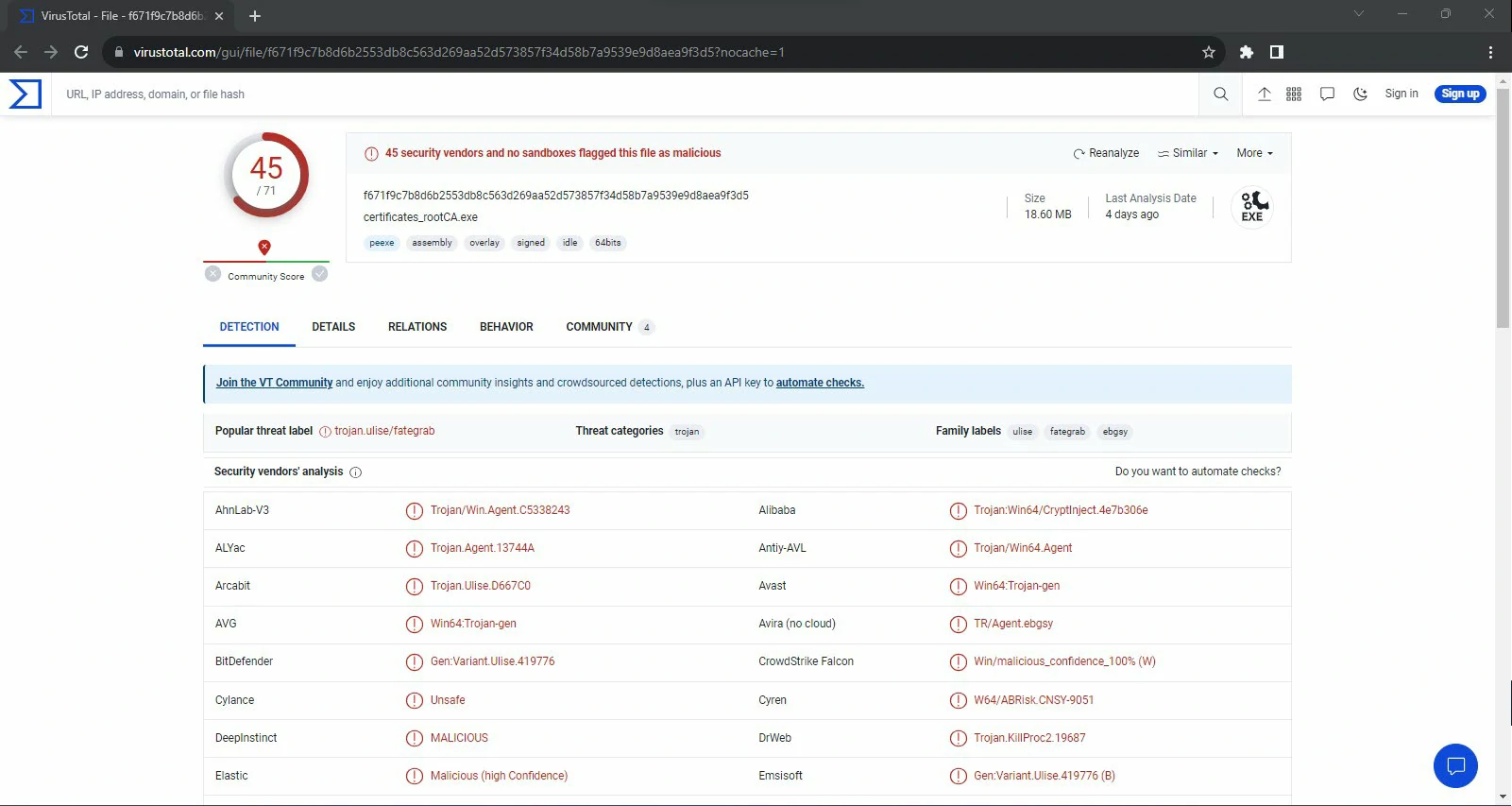
StealDeal stealer on VirusTotal
Spreading methods
Exercise caution when encountering email links and attachments. Scrutinize messages before interaction. Beware, irrelevant emails from unfamiliar sources frequently serve as conduits for malware. Remain skeptical of ads on dubious sites and shun downloads from untrustworthy sources like third-party downloaders, P2P networks, etc.
For software, exclusively utilize official sources and stores. Consistently update the operating system and installed programs. Conduct routine threat scans on your computer. Employ a reputable antivirus solution to safeguard your system effectively.


Leave a Comment