
Seeing the Ransom:Win32/Reveton!pz detection name usually means that your computer is in big danger. This virus can correctly be named as ransomware – sort of malware which ciphers your files and forces you to pay for their decryption. Deleteing it requires some unusual steps that must be done as soon as possible.
Ransom:Win32/Reveton!pz detection is a malware detection you can spectate in your system. It often shows up after the provoking activities on your PC – opening the untrustworthy e-mail messages, clicking the advertisement in the Internet or setting up the program from unreliable resources. From the moment it appears, you have a short time to do something about it until it begins its malicious action. And be sure – it is much better not to wait for these malicious things.
What is Ransom:Win32/Reveton!pz virus?
Ransom:Win32/Reveton!pz Summary
In summary, Ransom:Win32/Reveton!pz ransomware activities in the infected PC are next:
- Behavioural detection: Executable code extraction – unpacking;
- CAPE extracted potentially suspicious content;
- The binary contains an unknown PE section name indicative of packing;
- The binary likely contains encrypted or compressed data.;
- The executable is compressed using UPX;
- Authenticode signature is invalid;
- CAPE detected the embedded win api malware family;
- Operates on local firewall’s policies and settings;
- Harvests credentials from local FTP client softwares;
- Harvests information related to installed mail clients;
- Yara detections observed in process dumps, payloads or dropped files;
- Ciphering the files kept on the target’s disks — so the victim cannot use these documents;
- Blocking the launching of .exe files of security tools
- Blocking the launching of installation files of security tools
Ransomware has been a nightmare for the last 4 years. It is hard to realize a more dangerous virus for both individual users and organizations. The algorithms utilized in Ransom:Win32/Reveton!pz (generally, RHA-1028 or AES-256) are not hackable – with minor exclusions. To hack it with a brute force, you need a lot more time than our galaxy actually exists, and possibly will exist. But that malware does not do all these bad things without delay – it may require up to several hours to cipher all of your documents. Thus, seeing the Ransom:Win32/Reveton!pz detection is a clear signal that you need to start the elimination process.
Where did I get the Ransom:Win32/Reveton!pz?
Common tactics of Ransom:Win32/Reveton!pz distribution are standard for all other ransomware examples. Those are one-day landing websites where users are offered to download and install the free program, so-called bait e-mails and hacktools. Bait emails are a quite modern strategy in malware distribution – you get the email that mimics some normal notifications about shipments or bank service conditions updates. Within the e-mail, there is a corrupted MS Office file, or a link which opens the exploit landing page.
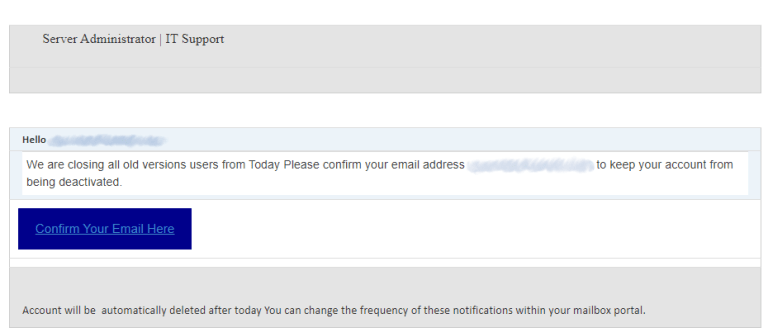
Malicious email message. This one tricks you to open the phishing website.
Avoiding it looks pretty simple, but still demands a lot of awareness. Malware can hide in various places, and it is far better to stop it even before it gets into your PC than to trust in an anti-malware program. General cybersecurity knowledge is just an essential item in the modern world, even if your relationship with a PC stays on YouTube videos. That may keep you a lot of money and time which you would certainly spend while looking for a fixing guide.
Ransom:Win32/Reveton!pz malware technical details
File Info:
name: C9D629E8144B02B3FC65.mlwpath: /opt/CAPEv2/storage/binaries/215cc04759cd12a40426428c2bce167cce30b039695dd6e9d560058deb45b58dcrc32: 220D02C9md5: c9d629e8144b02b3fc65e7ca828dc7ebsha1: ae802a068cf9ac353232290e2a65cc98bb366952sha256: 215cc04759cd12a40426428c2bce167cce30b039695dd6e9d560058deb45b58dsha512: 4206ba420d677402dc313ece4817017237250c9995c49215a5c8e469780a3d5a5b6c9115ad3c0f97cdfa02c69f0f92f1314461b096293768616d4e97a0385833ssdeep: 3072:utgkUQCFfGTAk7CaSx/twJCLsZxy4YIARe970zNrVSja+J97xUH:nFfMAk7C5/mFpKNhCrvxUHtype: PE32 executable (GUI) Intel 80386, for MS Windowstlsh: T13014124AEEF57DC5DA092F3319371C455FAA782323997246D2E8C0A40CF21C69BD63B1sha3_384: 2ef3f4655945f58cca19ea09f431f3b815f4c36c93ea3e21fc6934cb57aa1722c9f8a26fa7c31f50e340918fa807b51fep_bytes: 60be00c041008dbe0050feff57eb0b90timestamp: 2011-09-08 05:45:36Version Info:
0: [No Data]
Ransom:Win32/Reveton!pz also known as:
| Bkav | W32.AIDetectMalware |
| Lionic | Trojan.Win32.Generic.liCK |
| MicroWorld-eScan | Gen:Variant.Ransom.GandCrab.2546 |
| FireEye | Generic.mg.c9d629e8144b02b3 |
| CAT-QuickHeal | Trojan.GenericPMF.S3026278 |
| Skyhigh | BehavesLike.Win32.Virut.cc |
| McAfee | Artemis!C9D629E8144B |
| Cylance | unsafe |
| Sangfor | Trojan.Win32.Save.a |
| K7AntiVirus | Trojan ( 0018a8531 ) |
| Alibaba | Trojan:Win32/Nebuler.a58e17ae |
| K7GW | Trojan ( 0018a8531 ) |
| Cybereason | malicious.68cf9a |
| BitDefenderTheta | Gen:NN.ZexaF.36744.lmGfauwuOSei |
| Symantec | ML.Attribute.HighConfidence |
| Elastic | malicious (moderate confidence) |
| ESET-NOD32 | a variant of Win32/Nebuler.CT |
| APEX | Malicious |
| TrendMicro-HouseCall | TROJ_NEBULER.SMT |
| ClamAV | Win.Trojan.Nebuler-2839 |
| Kaspersky | HEUR:Trojan.Win32.Generic |
| BitDefender | Gen:Variant.Ransom.GandCrab.2546 |
| NANO-Antivirus | Trojan.Win32.Renos.hmtpvr |
| SUPERAntiSpyware | Trojan.Agent/Gen-FraudInst |
| Avast | Win32:Nebuler-AA [Trj] |
| Tencent | Win32.Trojan.Generic.Dtgl |
| Emsisoft | Gen:Variant.Ransom.GandCrab.2546 (B) |
| F-Secure | Trojan.TR/Renos.QA |
| DrWeb | Trojan.PWS.Siggen.27385 |
| VIPRE | Gen:Variant.Ransom.GandCrab.2546 |
| TrendMicro | TROJ_NEBULER.SMT |
| Trapmine | suspicious.low.ml.score |
| Sophos | Mal/Agent-AEI |
| Ikarus | Trojan.Win32.Nebuler |
| Webroot | W32.Malware.Gen |
| Detected | |
| Avira | TR/Renos.QA |
| Varist | W32/Nebuler.I.gen!Eldorado |
| Antiy-AVL | Trojan/Win32.AGeneric |
| Kingsoft | malware.kb.b.996 |
| Microsoft | Ransom:Win32/Reveton!pz |
| Xcitium | TrojWare.Win32.Renos.58@4mwtzr |
| Arcabit | Trojan.Ransom.GandCrab.D9F2 |
| ZoneAlarm | HEUR:Trojan.Win32.Generic |
| GData | Gen:Variant.Ransom.GandCrab.2546 |
| Cynet | Malicious (score: 100) |
| AhnLab-V3 | Trojan/Win32.FakeAV.R4711 |
| VBA32 | MalwareScope.Trojan-PSW.Pinch.1 |
| ALYac | Gen:Variant.Ransom.GandCrab.2546 |
| MAX | malware (ai score=100) |
| Malwarebytes | Trojan.Dropper |
| Panda | Trj/Genetic.gen |
| Rising | HackTool.CeeInject!8.B22 (TFE:5:bsfyLBMmZxN) |
| Yandex | Trojan.Nebuler!g7uGuEvUOVo |
| SentinelOne | Static AI – Malicious PE |
| MaxSecure | Trojan.Malware.2588.susgen |
| Fortinet | W32/Dropper.AAAF!tr |
| AVG | Win32:Nebuler-AA [Trj] |
| DeepInstinct | MALICIOUS |
| CrowdStrike | win/malicious_confidence_70% (D) |


Leave a Comment