
If your computer notifies you about the PUA:Win32/uTorrent, you might not give it much attention. This detection is specifically used for the uTorrent application, which is a legitimate program. However, due to certain factors associated with the program, users and malware analysts consider it potentially harmful. In this post, you will learn why uTorrent can be perceived as dangerous and how to check if your PC is free from viruses.
uTorrent – Risks of File-Sharing Technology
Microsoft Defender does not trust torrent-tracker tools like uTorrent or BitTorrent due to their involvement in network connections and their ability to connect to specific IP addresses without the user’s command. These programs can pose significant dangers, as there have been cases of ransomware attacks conducted through peer-to-peer networks in the past. uTorrent, in particular, can serve as a gateway for extremely hazardous viruses, which is why Defender does not trust it. Furthermore, the uTorrent app is full of different ads and promoting to buy subscriptions, some of which may be dubious and potentially lead to malware downloads.
File sharing involves utilizing technology that allows internet users to exchange files stored on their individual computers. Peer-to-peer (P2P) applications, commonly used for sharing music files, are among the most prevalent forms of file-sharing technology. However, it’s crucial to be aware that P2P applications introduce security risks that can jeopardize your information and computer.
Does your antivirus regularly report about the “uTorrent”?
You must not think that your PC is 100% safe, if you see the PUA:Win32/uTorrent detection. Microsoft Defender would not show you the PUA:Win32/uTorrent detection when everything is ok. Besides the infected seedings, malware can also reach your computer through the disruptive ads this program shows to you. Ads is the common way for adware injection, and sometimes you can get even coin miner or spyware. Needless to say that you can get another unwanted program, after being attracted by the offer on the advertisement.
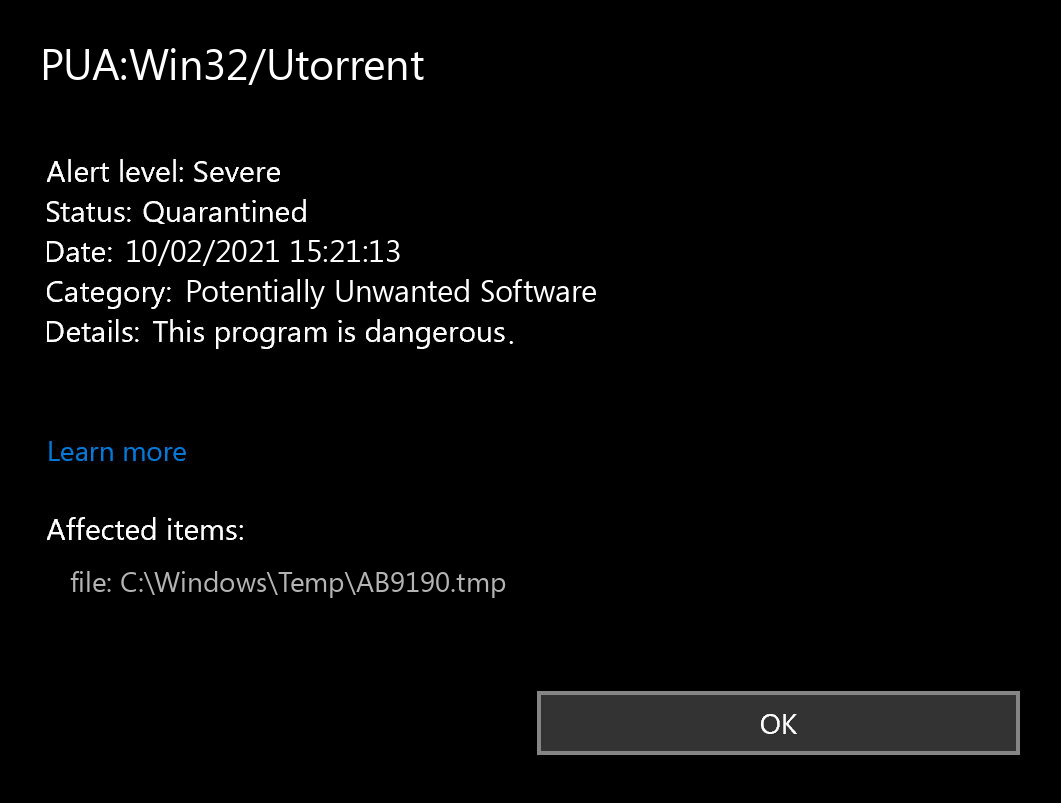
Microsoft Defender: “PUA:Win32/Utorrent”
How to scan for malware, spyware, ransomware, adware, and other threats
If your computer works slowly, the websites open oddly, or if you see ads in places you’ve never anticipated, your system may infect. The exact type of virus is hard to predict. Spyware will track all your tasks or redirect your search or web page to the locations you don’t intend to visit. Adware might contaminate your browser and the whole system with distracting ads.
How to scan your PC for PUA:Win32/Utorrent?
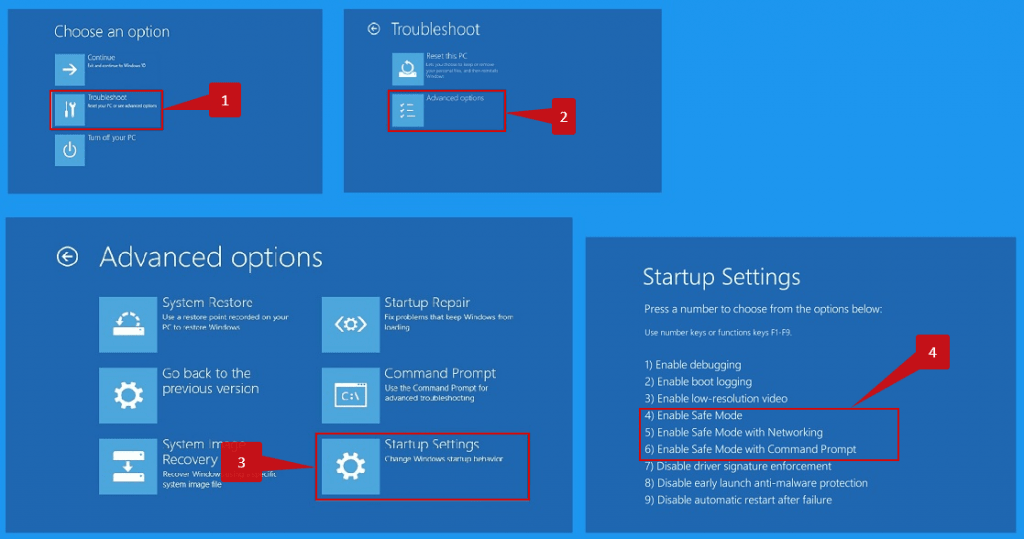
Use Safe Mode to fix the most complex PUA:Win32/Utorrent issues
It’s not enough to merely use the antivirus for the safety and security of your device. You require to have a much more extensive antivirus service. Typical antivirus scanners may not detect all types of malware, as they primarily focus on identifying virus-type threats. Your computer may be full of “trash”, for example, toolbars, web browser plugins, questionable internet search engines, bitcoin-miners, and various other kinds of unwanted software used for making money on your lack of experience. Be cautious while downloading software online to avoid loading your device with unwanted toolbars and other scrap data.


Leave a Comment