
Pacegrowloss.live pop-ups that you can see while surfing the Web are the outcome of a malicious software activity that resides within your web browser. Such pop-ups emerge in abundant quantities, distracting and irritating you.
The vast majority of the pop-ups from Pacegrowloss.live site are not relevant, as it presents any promotional content it receives a contract for. Given that a lot of sites promoted in this way are not legit, it is apparent to anticipate them to contain dangerous material. In particular, they can throw you into different forms of online frauds.
What are Pacegrowloss.live pop-up notifications?
By some of the characteristics, Pacegrowloss.live pop-ups are similar to normal pop-ups you may experience on common websites. However, all the difference – and harmfulness – arises from this specific website. Pages like Pacegrowloss.live are commonly formed with only one intention – to present unsuspecting people to activate pop-ups and then start spamming them.
Brief summary of the Pacegrowloss.live pop-up ads:
| Name | Pacegrowloss.live |
| Hosting | AS203639 TEKNOLOGY SA Switzerland, Lugano |
| IP Address | 185.155.186.25 |
| Malware type | Adware1 |
| Effect | Unwanted pop-up advertisements |
| Hazard level | Medium |
| Malware source | Apps from third-party websites, ads on dubious websites |
| Similar behavior | Nevargon, Lecurnit, Yourdevicebugremover |
| Removal method |
To remove possible virus infections, try to scan your PC
|
Ads by the Pacegrowloss.live site are not genuine either. At best, those will be totally unrelated banners, that will still be bothersome considering the frequency. Nevertheless, more typical cases involve advertisements of enigmatic deals with 90% discount, adult web pages ads or phishing attempts. Below are some of the classic patterns for pop-up notifications spam:
- Discover 5, 10, 20, or even 50 women near you who are eager to chat.
- Sign in on this new crypto exchange website and receive a substantial crypto bonus.
- Your system is infected with 15 viruses. Contact our tech support or perform an immediate scan.
- You’ve received a new message on Facebook, Twitter, or WhatsApp. Beware of phishing links.
- Visit this new, totally legitimate shopping site and claim your discount coupon.
- up your computer with an incredibly effective system cleaner.
Due to the illicit advertising model of Pacegrowloss.live, no authentic companies will actually employ their advertisement services. Meanwhile, the whole array of subjects I’ve named above is controlled by the same deceitful actors as those who are responsible for Pacegrowloss.live. Occasionally, upon clicking to the pop-up notification, you might be thrown to another page that suggests activating pop-up advertisements. The activity of several sources of pop-ups can transform your web browser into an pathway of a pop-up surge.
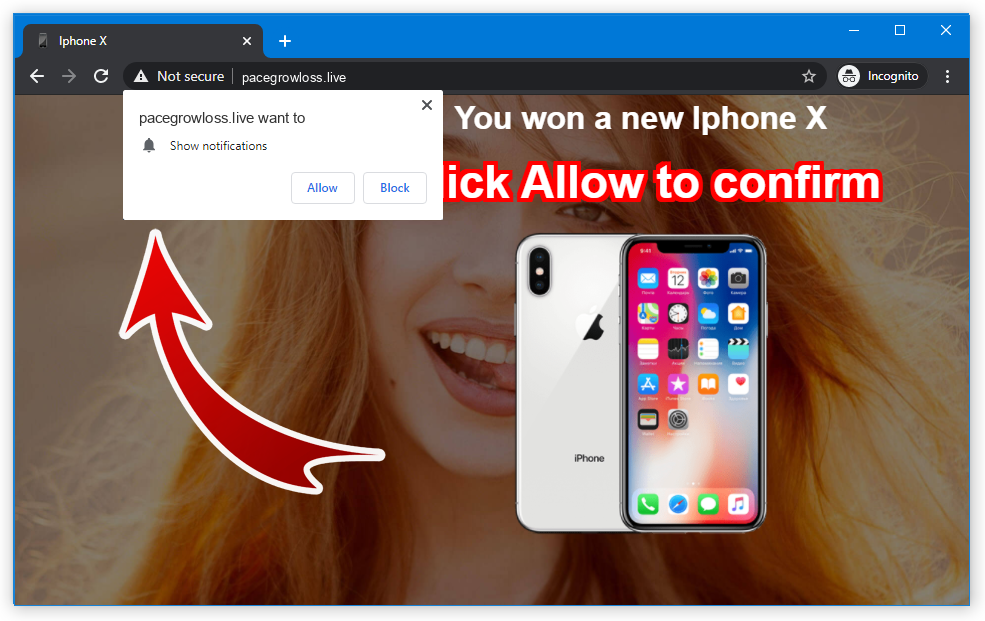
Pacegrowloss.live push notification.
Where did Pacegrowloss.live pop-ups come from?
The primary and most prevalent approach to access the pop-up spamming site is to navigate through content on warez sites, pages containing pirated content, and similar platforms. The persons responsible for such questionable venues aim to counterbalance expenses via redirects, often as a promotion tactic. This type of redirection is commonly known as an “anti-bot verification”.
An extra plausible origin of pop-up advertisements is adware, currently active inside your system. It alters browser settings in a manner so it starts displaying Pacegrowloss.live pop-ups without your consent. However, this circumstance is relatively rare, as such malware employs its own, more productive method to showcasing advertisements.
Are Pacegrowloss.live pop-up ads dangerous?
Yes, they are. At the surface, they may look non-threatening – just a blinking pop-up that appears a couple times in an hour. However, the contents of this window differ sharply from what you used to see in pop-ups. Pacegrowloss.live web page is ruled by fraudsters, who intentionally spread hundreds and thousands of malicious ads in pop-ups. They also don’t follow any common sense and can launch sporadic push notifications into a hurricane of banners. For weak computers, that may be enough to cause performance issues. But that is not all problems these pop-up notifications carry.
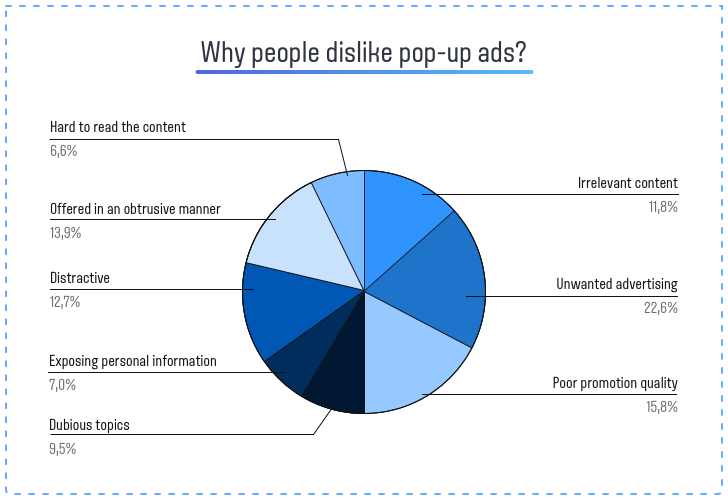
As any other thing that touches illegal ads, Pacegrowloss.live pop-ups don’t have legit deals to offer. Even though hackers make the banners similar to ones from Amazon, Walmart or Ebay, the web page these banners will throw you to are completely different. And these pages may offer you to turn on other pop-ups, install a “useful” program, or pay for a thing at a big discount and never receive it. Let’s leave aside the cases when pop-ups promote phishing pages or straightforward malware. There’s no way these pages will bring you any good, thus interacting with them is a very bad idea. For the same reason, Pacegrowloss.live pop-up ads are not recommended to click on either, and the best solution is to disable them as soon as possible.
How to remove Pacegrowloss.live pop-ups?
Reset your browsers manually
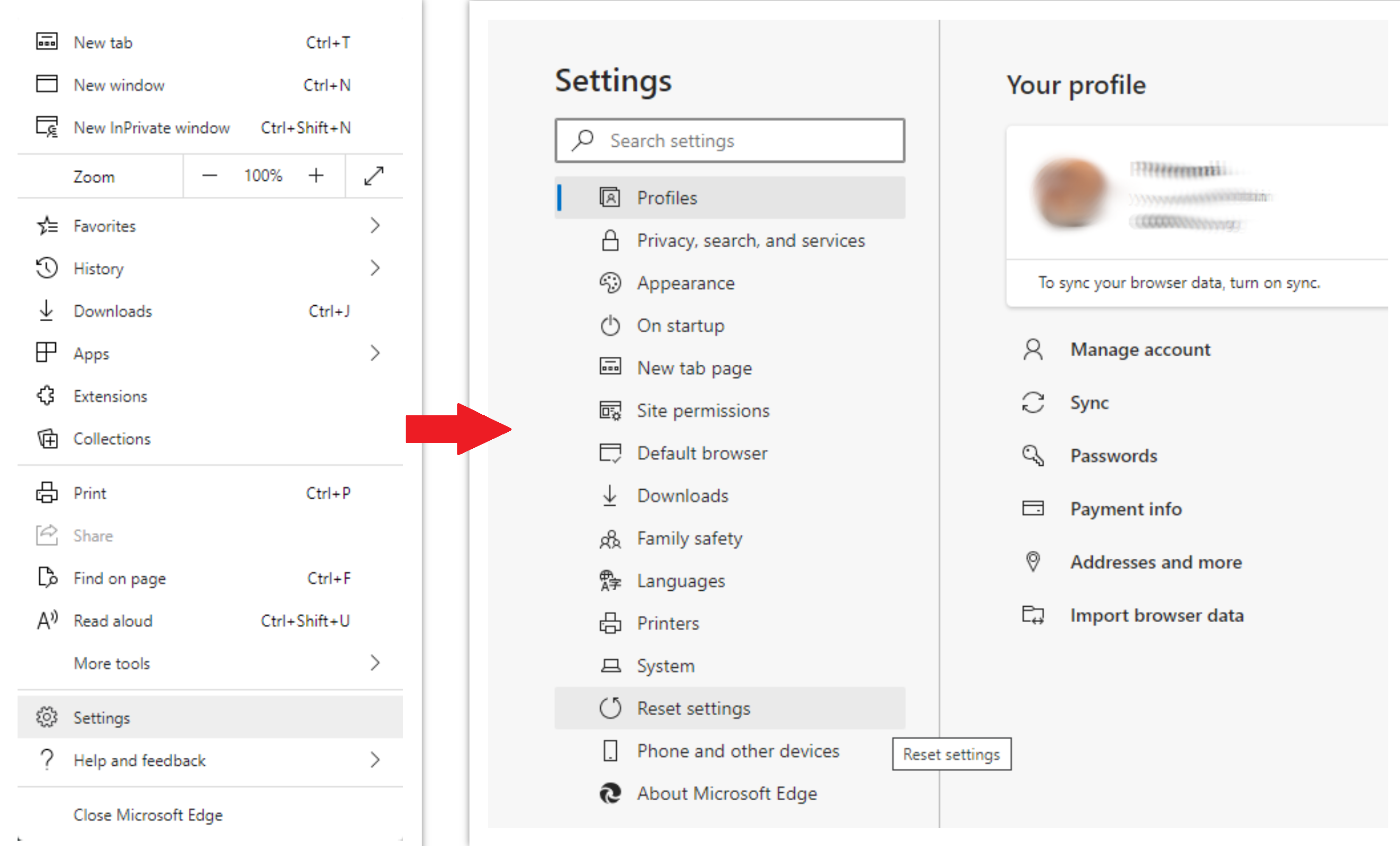
To reset Edge, do the following steps:
- Open “Settings and more” tab in upper right corner, then find here “Settings” button. In the appeared menu, choose “Reset settings” option:
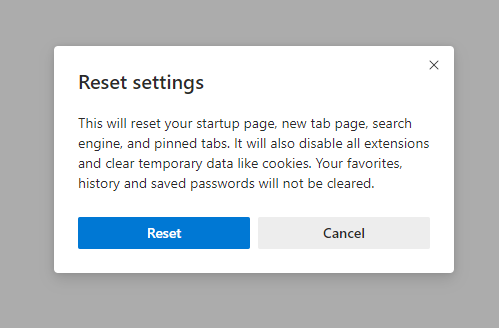
- After picking the Reset Settings option, you will see the following menu, stating about the settings which will be reverted to original:
For Mozilla Firefox, do the next actions:
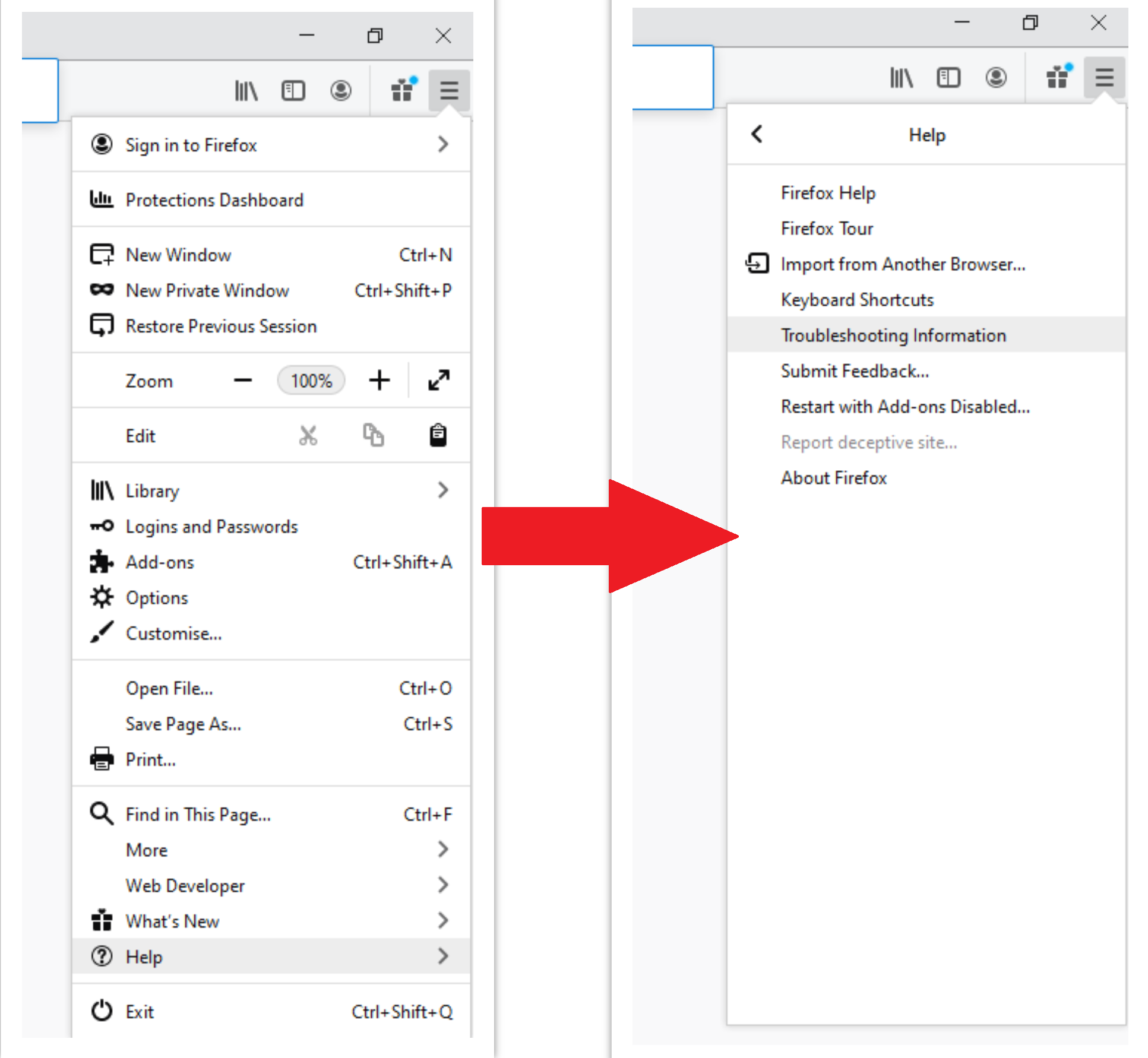
- Open Menu tab (three strips in upper right corner) and click the “Help” button. In the appeared menu choose “troubleshooting information”:
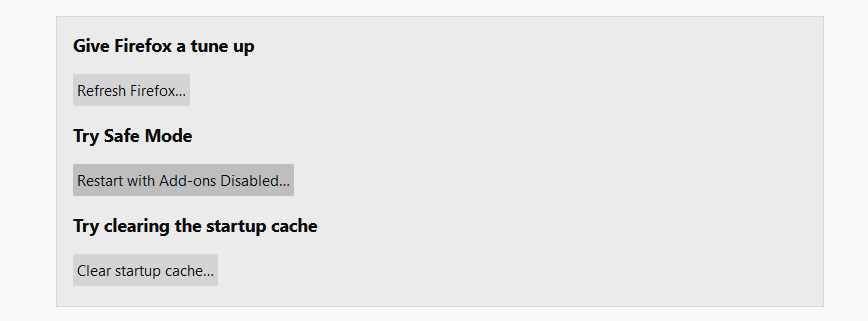
- In the next screen, find the “Refresh Firefox” option:
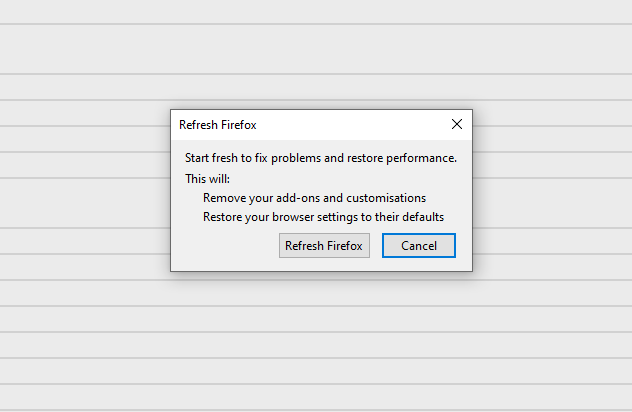
After choosing this option, you will see the next message:
If you use Google Chrome
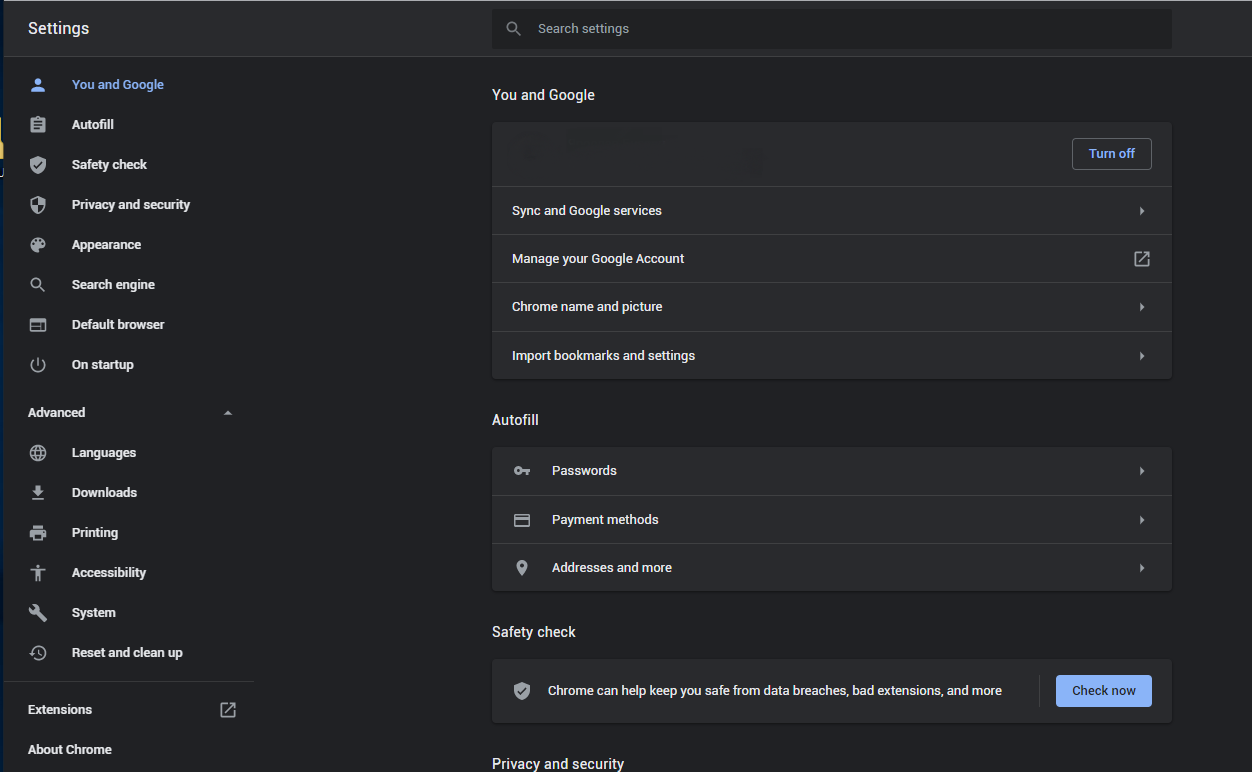
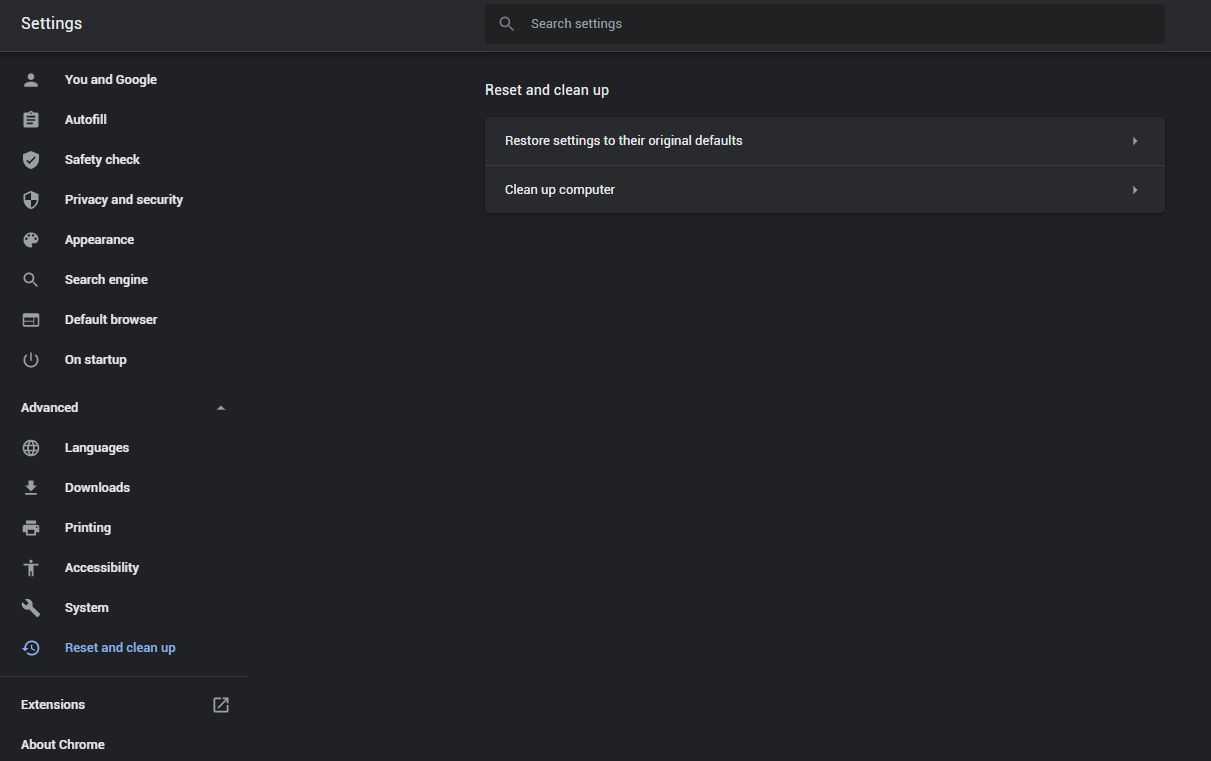
- Open Settings tab, find the “Advanced” button. In the extended tab choose the “Reset and clean up” button:
- In the appeared list, click on the “Restore settings to their original defaults”:
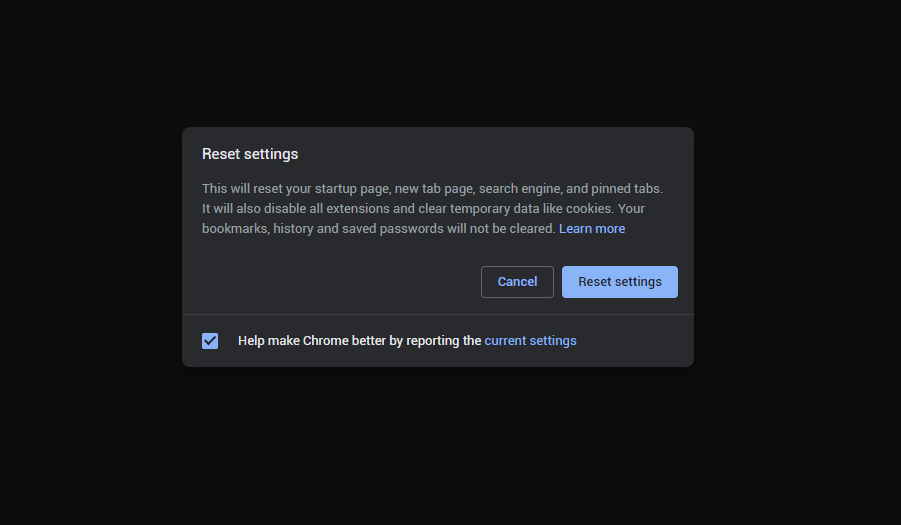
- Finally, you will see the window, where you can see all the settings which will be reset to default:
Opera can be reset in the next way
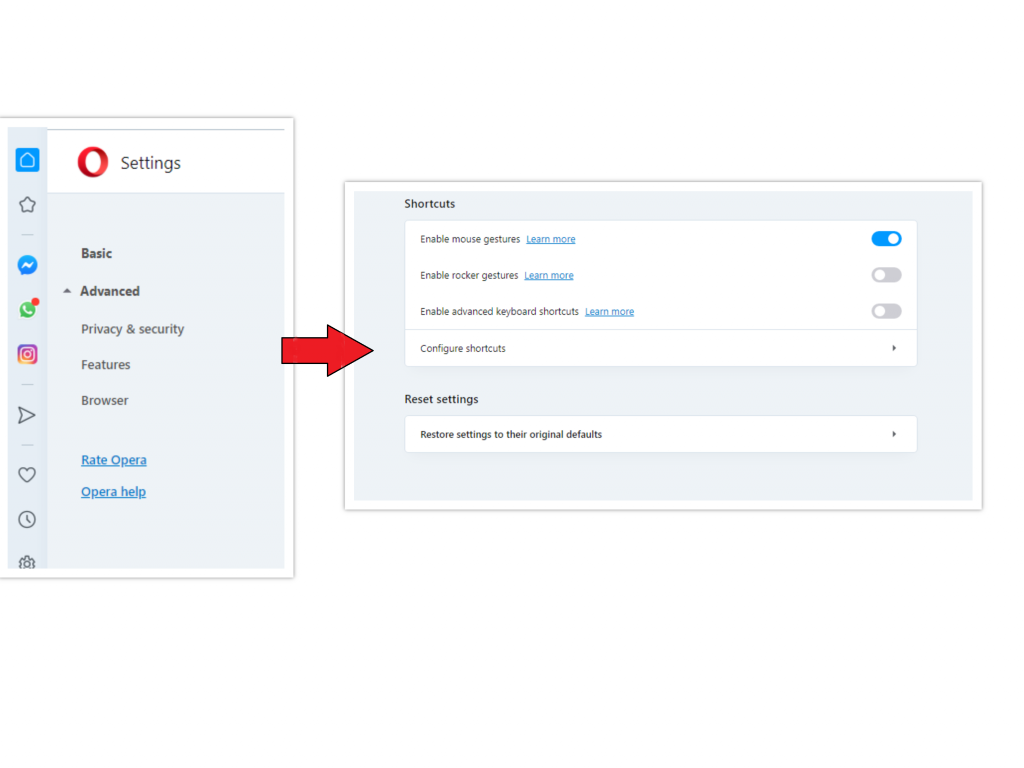
- Open Settings menu by pressing the gear icon in the toolbar (left side of the browser window), then click “Advanced” option, and choose “Browser” button in the drop-down list. Scroll down, to the bottom of the settings menu. Find there “Restore settings to their original defaults” option:
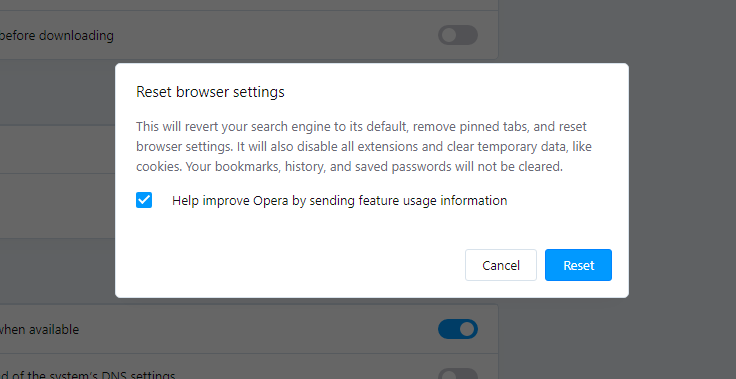
- After clicking the “Restore settings…” button, you will see the window, where all settings, which will be reset, are shown:
When the browsers are reset, you need to ensure that your browser will connect the right DNS while connecting to the web page you need. Create a text file titled “hosts” on your pc’s desktop, then open it and fill it with the following lines2:
# Copyright (c) 1993-2006 Microsoft Corp.

#

# This is a sample HOSTS file used by Microsoft TCP/IP for Windows.

#

# This file contains the mappings of IP addresses to host names. Each

# entry should be kept on an individual line. The IP address should

# be placed in the first column followed by the corresponding host name.

# The IP address and the host name should be separated by at least one

# space.

#

# Additionally, comments (such as these) may be inserted on individual

# lines or following the machine name denoted by a '#' symbol.

#

# For example:

#

# 102.54.94.97 rhino.acme.com # source server

# 38.25.63.10 x.acme.com # x client host

# localhost name resolution is handle within DNS itself.

# 127.0.0.1 localhost

# ::1 localhost
Find the hosts.txt file in C:/Windows/System32/drivers/etc directory. Rename this file to “hosts.old.txt” (to distinguish it from the new one), and then move the file you created on the desktop to this folder. Remove the hosts.old from this folder. Now you have your hosts file as good as new.
Scan your system for possible viruses
Once the scan is complete, you will see the detections or a notification about a clean system. Proceed with pressing the Clean Up button (or OK when nothing is detected).
References
- Official Microsoft guide for hosts file reset.


Leave a Comment