
Mypricklylive.com pop-ups that appear while surfing the Internet are the result of a malware infection that resides inside your browser. Such pop-ups emerge in excessive quantities, distracting and bothering you.
Most of the pop-ups from Mypricklylive.com site are not relevant, as it presents any advertising elements it gets a deal for. Given that a large number of pages promoted in this fashion are not legitimate, it is obvious to expect them to feature dangerous components. In particular, they can expose you to different varieties of web scams.
What are Mypricklylive pop-up notifications?
By some of the attributes, Mypricklylive.com pop-ups are comparable to normal pop-ups you may encounter on different sites. However, all the difference – and detriment – arises from this specific website. Pages like Mypricklylive are frequently created with only one purpose – to present unsuspecting users to allow pop-ups and then begin spamming them.
Brief summary of the Mypricklylive.com pop-up ads:
| Name | Mypricklylive.com |
| Hosting | AS13335 Cloudflare, Inc. United States, San Francisco |
| IP Address | 172.67.212.137 |
| Malware type | Adware1 |
| Effect | Unwanted pop-up advertisements |
| Hazard level | Medium |
| Malware source | Apps from third-party websites, ads on dubious websites |
| Similar behavior | Pitelanks, Derote, Track |
| Removal method |
To remove possible virus infections, try to scan your PC
|
Ads by the Mypricklylive.com site are not legit either. At best, those will be entirely irrelevant promotions, that will still be irritating taking into account their frequency. However, more frequent instances involve advertisements of obscure deals with 90% off, adult web pages ads or scam attempts. Below are some of the standard patterns for pop-ups spam:
- Visit this new, totally legitimate shopping site and claim your discount coupon.
- Your system is infected with 15 viruses. Contact our tech support or perform an immediate scan.
- Speed up your computer with an incredibly effective system cleaner.
- Discover 5, 10, 20, or even 50 women near you who are eager to chat.
- Sign in on this new crypto exchange website and receive a substantial crypto bonus.
- You’ve received a new message on Facebook, Twitter, or WhatsApp. Beware of phishing links.
Due to the unlawful advertising model of Mypricklylive.com, no authentic companies will actually utilize their advertisement services. Meanwhile, the whole array of topics I’ve named above is managed by the same scammy individuals as those who are responsible for Mypricklylive. Occasionally, upon interaction with the pop-up promotion, you might be thrown to another page that proposes activating pop-up advertisements. The activity of several origins of pop-ups can transform your browser into an outlet of a pop-up surge.
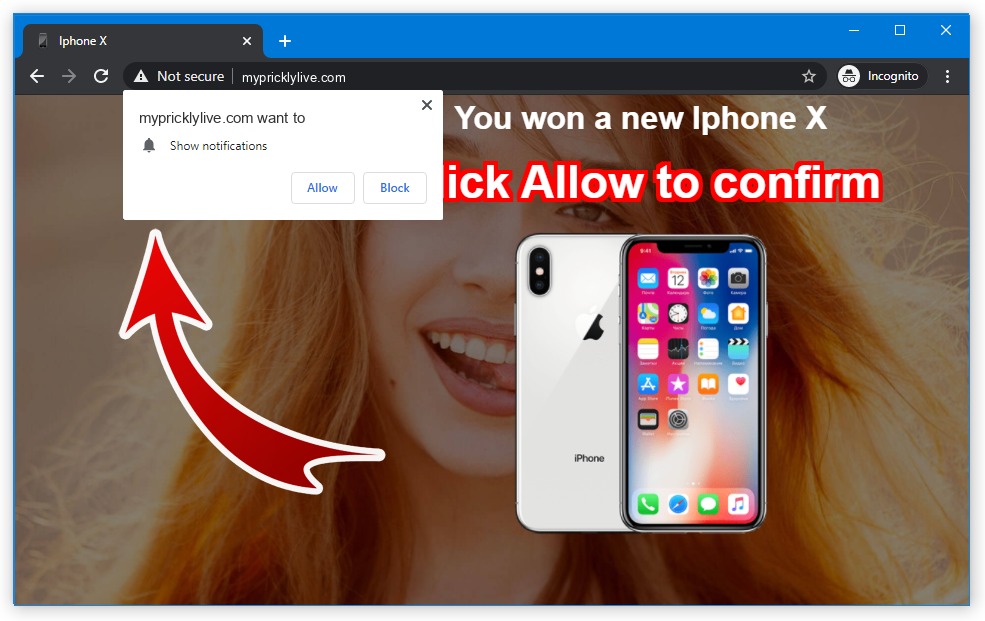
Mypricklylive push notification.
Where did Mypricklylive pop-ups come from?
The main and most widespread method to access the pop-up spamming site is to explore content on warez sites, pages containing pirated content, and the like. The persons responsible for such uncertain venues aim to compensate for expenses via redirects, often as a advertising maneuver. This type of redirection is commonly known as an “anti-bot verification”.
An additional plausible source of pop-up advertisements is adware, currently active within your system. It modifies browser settings in a way so it starts displaying Mypricklylive pop-ups without your knowledge. However, this scenario is relatively infrequent, as such malware employs its own, more productive approach to showcasing advertisements.
Are Mypricklylive pop-up notifications dangerous?
Yes, they are. At the surface, they may look harmless – just a colourful pop-up that appears a couple times in an hour. However, the contents of this window differ drastically from what you generally see in pop-up ads. Mypricklylive.com web page is controlled by fraudsters, who intendedly show hundreds and thousands of irrelevant ads in pop-ups. They also don’t follow any manners of advertising and can make sporadic pop-up ads into a storm of banners. For weak computers, that may be enough to cause performance issues. But problems are not over at this point.
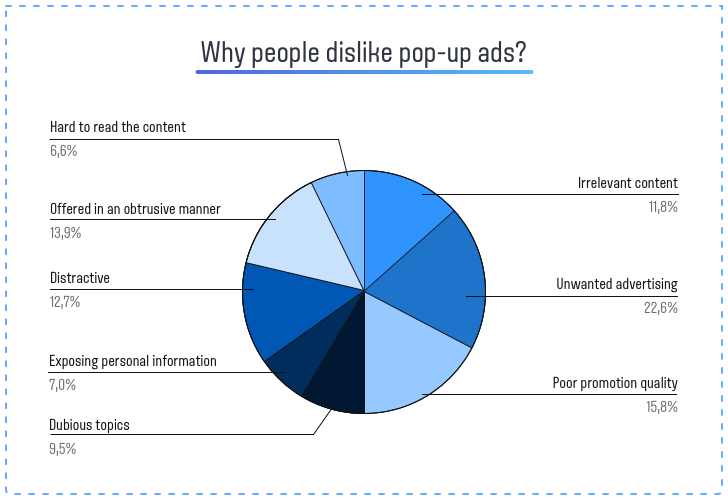
As with any other thing related to illegal advertising, Mypricklylive pop-up advertisements don’t have legit offers. Even though hackers make the banners looking similar to ones from Walmart or Amazon, the website these banners will throw you to are completely different. And these pages can offer you to turn on other pop-ups, install a “useful” program, or pay for a thing at a big discount and never receive it. Let’s leave aside the cases when pop-ups promote phishing pages or straightforward malware. There’s no way these pages will bring you any good, thus interacting with them is a very bad idea. For the same reason, Mypricklylive push notifications are not recommended to click on either, and the best solution is to disable them as soon as possible.
How to remove Mypricklylive pop-ups?
Reset your browsers manually
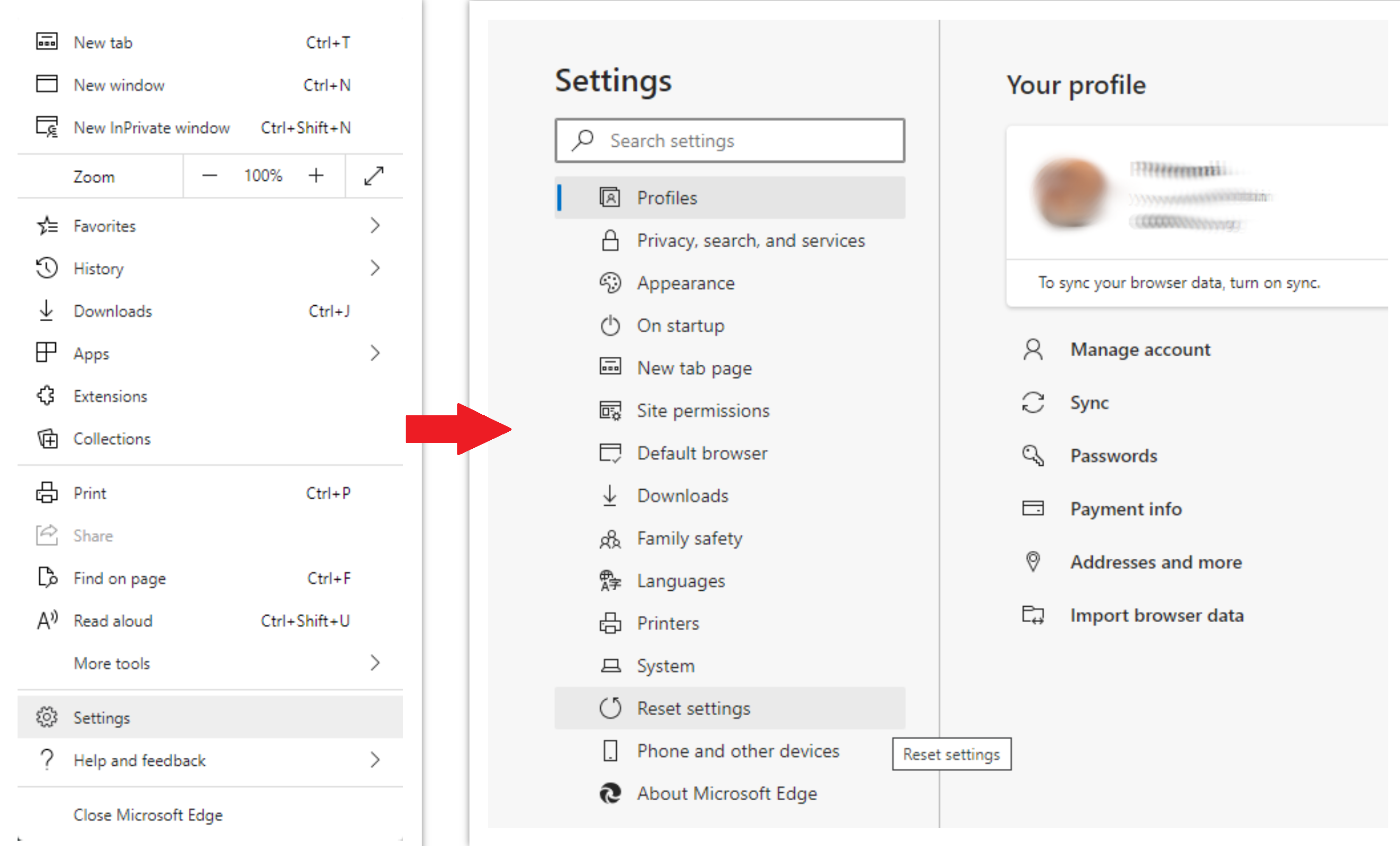
To reset Edge, do the following steps:
- Open “Settings and more” tab in upper right corner, then find here “Settings” button. In the appeared menu, choose “Reset settings” option:
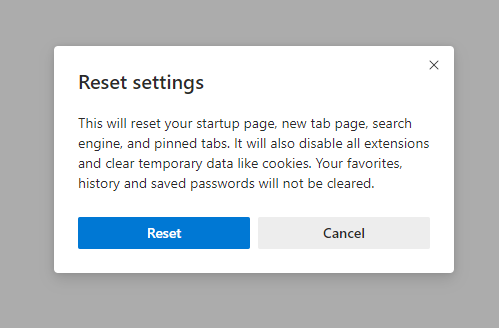
- After picking the Reset Settings option, you will see the following menu, stating about the settings which will be reverted to original:
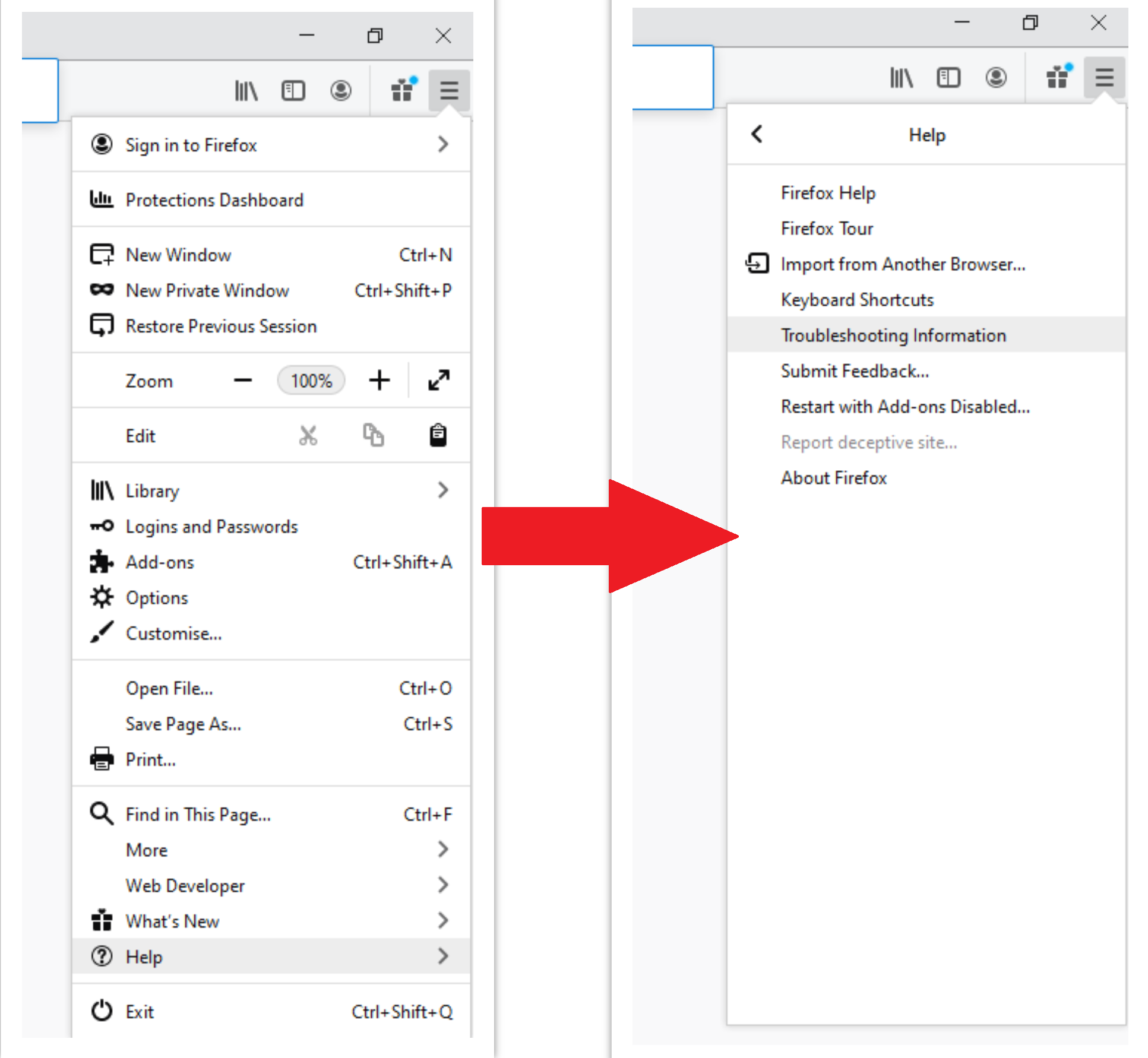
For Mozilla Firefox, do the next actions:
- Open Menu tab (three strips in upper right corner) and click the “Help” button. In the appeared menu choose “troubleshooting information”:
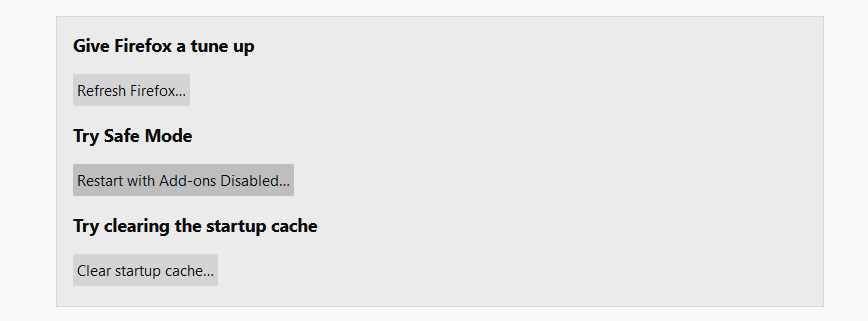
- In the next screen, find the “Refresh Firefox” option:
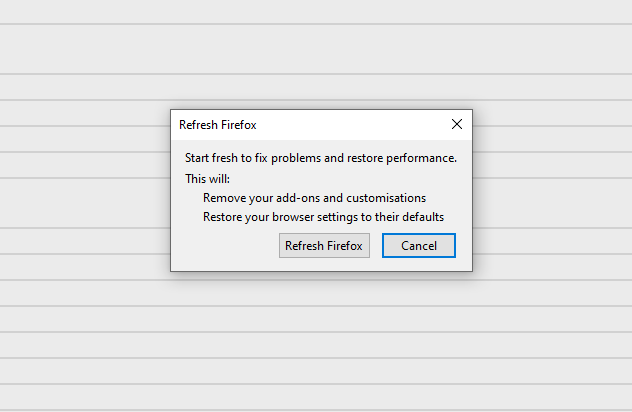
After choosing this option, you will see the next message:
If you use Google Chrome
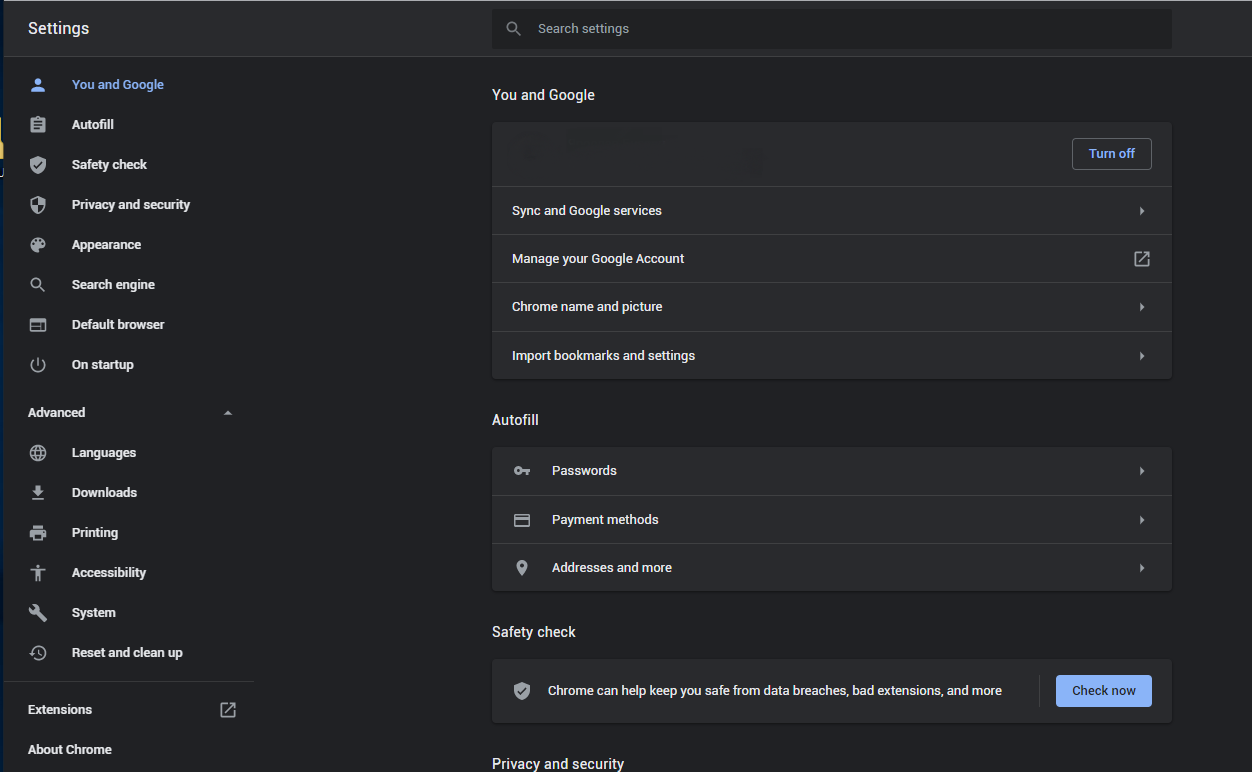
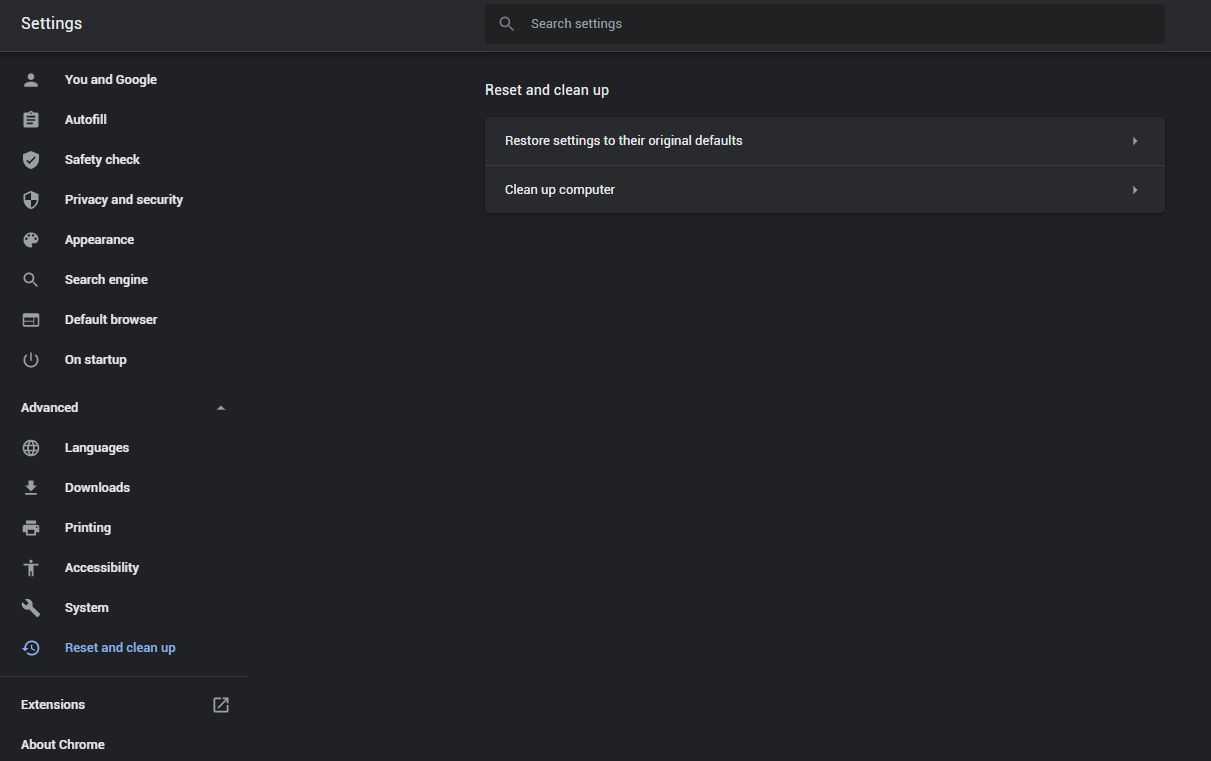
- Open Settings tab, find the “Advanced” button. In the extended tab choose the “Reset and clean up” button:
- In the appeared list, click on the “Restore settings to their original defaults”:
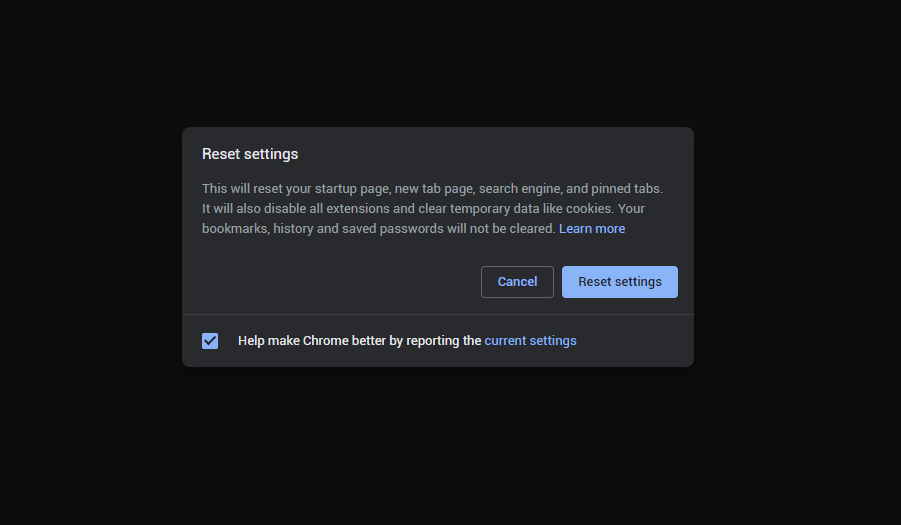
- Finally, you will see the window, where you can see all the settings which will be reset to default:
Opera can be reset in the next way
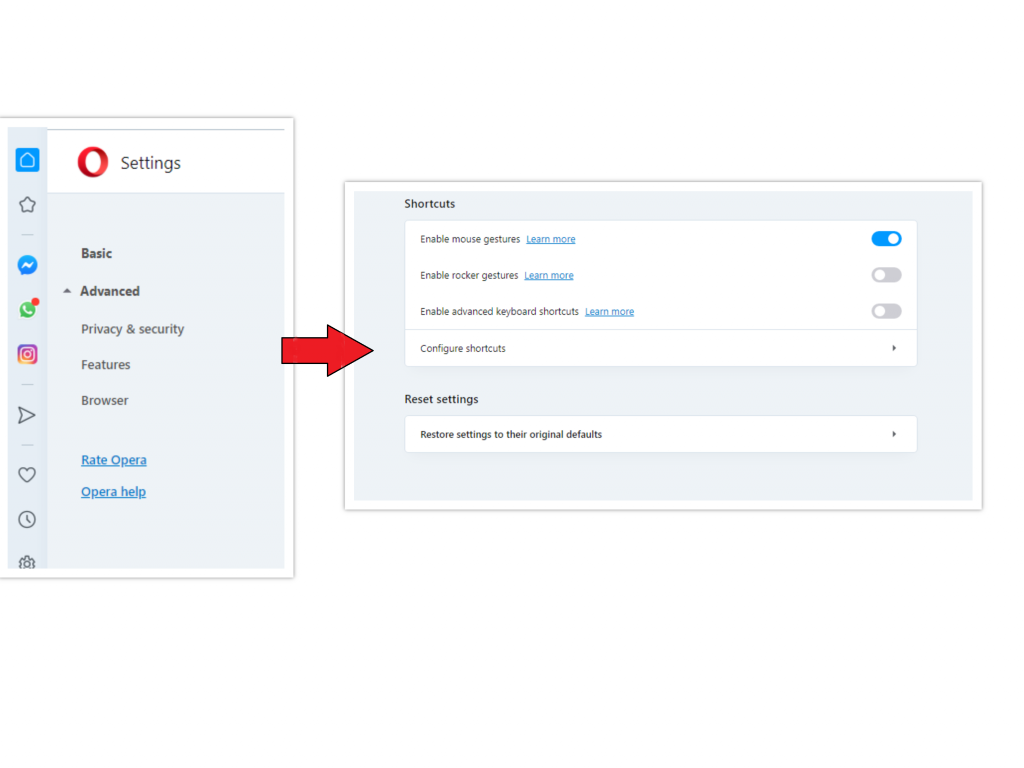
- Open Settings menu by pressing the gear icon in the toolbar (left side of the browser window), then click “Advanced” option, and choose “Browser” button in the drop-down list. Scroll down, to the bottom of the settings menu. Find there “Restore settings to their original defaults” option:
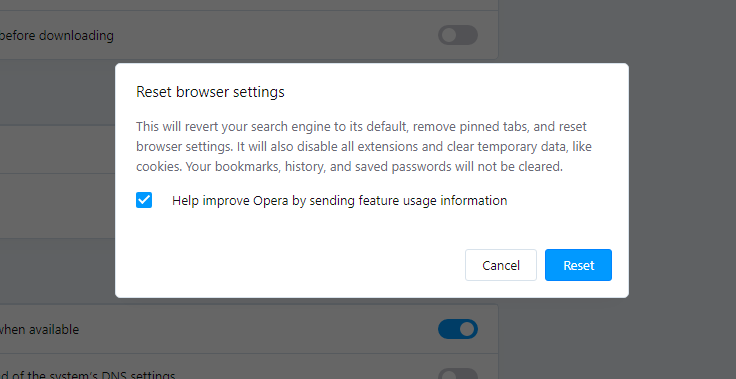
- After clicking the “Restore settings…” button, you will see the window, where all settings, which will be reset, are shown:
When the browsers are reset, you need to ensure that your browser will connect the right DNS while connecting to the web page you need. Create a text file titled “hosts” on your pc’s desktop, then open it and fill it with the following lines2:
# Copyright (c) 1993-2006 Microsoft Corp.

#

# This is a sample HOSTS file used by Microsoft TCP/IP for Windows.

#

# This file contains the mappings of IP addresses to host names. Each

# entry should be kept on an individual line. The IP address should

# be placed in the first column followed by the corresponding host name.

# The IP address and the host name should be separated by at least one

# space.

#

# Additionally, comments (such as these) may be inserted on individual

# lines or following the machine name denoted by a '#' symbol.

#

# For example:

#

# 102.54.94.97 rhino.acme.com # source server

# 38.25.63.10 x.acme.com # x client host

# localhost name resolution is handle within DNS itself.

# 127.0.0.1 localhost

# ::1 localhost
Find the hosts.txt file in C:/Windows/System32/drivers/etc directory. Rename this file to “hosts.old.txt” (to distinguish it from the new one), and then move the file you created on the desktop to this folder. Remove the hosts.old from this folder. Now you have your hosts file as good as new.
Scan your system for possible viruses
Once the scan is complete, you will see the detections or a notification about a clean system. Proceed with pressing the Clean Up button (or OK when nothing is detected).
References
- Official Microsoft guide for hosts file reset.


Leave a Comment