
The MeddleMonkey search hijacker is an illustration of an average unwanted program; such applications are spread massively nowadays. In this article you will see the comprehensive guidance of “MeddleMonkey” hijacker removal in several ways: making use of anti-malware tools and hand-operated elimination method.
MeddleMonkey – What is it?
“MeddleMonkey” search hijacker is a potentially unwanted application (PUA)1, that is distributed as a plugin for your web browser. It is usually spread as an add-on for Chrome or Firefox, that helps to search some specific details, as an example, about sport events, make your web browser a lot more safe, enable downloading of any kind of video clip, and so on.
Nevertheless, the “MeddleMonkey” plugin is pretty useless due to the fact that all such features are currently built-in to your web browser and/or system. Such advertising and marketing mottos are targeted at low-skilled computer users, like pensioners or schoolchildren. However, in some cases, even skilled users are getting caught on such a lure. In particular instances, this hijacker is distributed along with free software.

MeddleMonkey Search Hijacker
Here is a info for the MeddleMonkey hijacker
| Name | MeddleMonkey Extension |
| Symptoms | Changed search engine; search queries redirection |
| Similar behavior | Superpdfsearch/, Forcepoint, Pdfsearchly |
| Fix Tool |
To remove possible virus infections, try to scan your PC
|
How harmful is MeddleMonkey hijacker?
Aside from seeable changes done by MeddleMonkey hijacker, you can notice that a couple of your search questions are redirecting to the dubious sites, filled with web links and ads – so-called doorway websites. Such sites can include web links for malware downloads. The chance of redirecting rises if you attempt to open Google search page by force.
However all these activities are much more irritating than really dangerous. The greatest threat, particularly for people who have a huge amount of confidential information in their internet browsers, is embedded in data collecting functions. Cookie files, conversations, often-visited websites, as well as other activities are easily gathered by MeddleMonkey hijacker.
How to remove MeddleMonkey search hijacker?
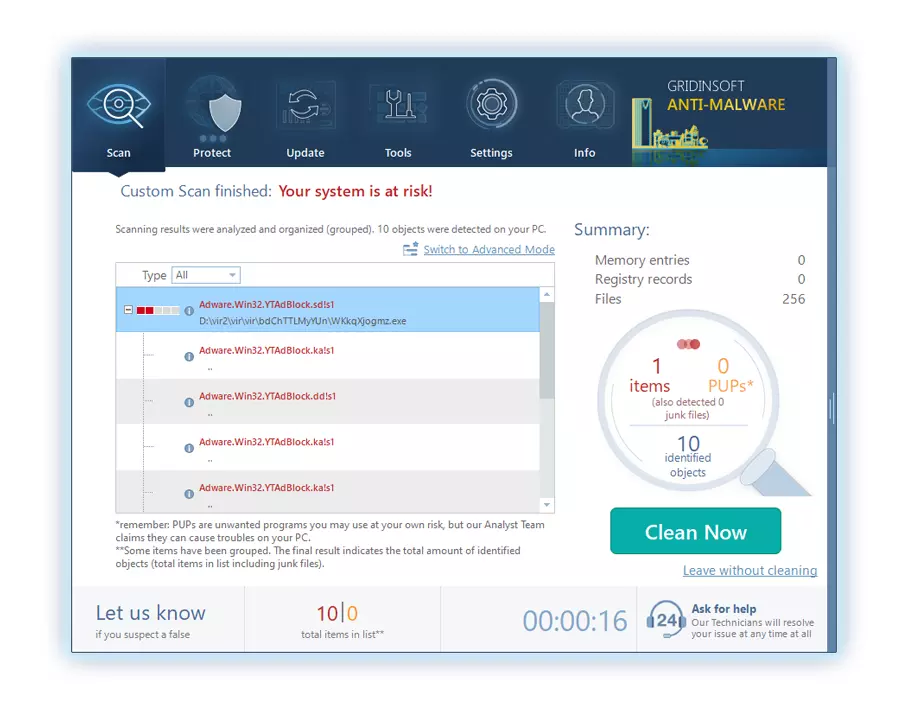
- “Move to quarantine” all items.
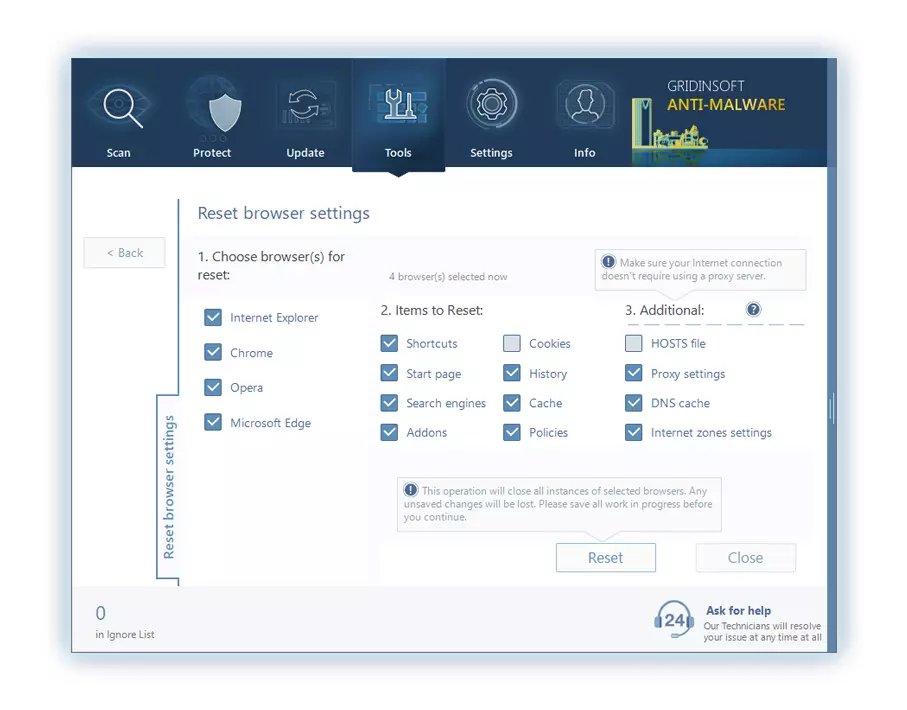
- Open “Tools” tab – Press “Reset Browser Settings“.
- Select proper browser and options – Click “Reset”.
- Restart your computer.
Browser hijackers are usually fairly very easy to remove. In most cases, they have an independent application that can be seen in the list of installed applications. As a result of the certain distribution manner of MeddleMonkey hijacker, it can be easily tracked and deleted by hand. Nonetheless, if you got MeddleMonkey in the bundle with a free program, your personal computer may be infected with far more major malware – trojans, spyware or perhaps ransomware. That’s why I’d suggest you utilize anti-malware tools to delete the MeddleMonkey PUA and all other malware.
You can observe the detected viruses sorted by their possible hazard simultaneously with the scan process. But to choose any actions against malicious programs, you need to wait until the scan is finished, or to stop the scan.
To set the action for each detected virus or unwanted program, click the arrow in front of the name of the detected malicious program. By default, all the viruses will be removed to quarantine.
Reverting browser settings to original ones
To reset your browser settings, you need to use the Reset Browser Settings option. This action cannot be counteracted by any malware, hence, you will surely see the result. This action can be located in the Tools tab.
After pressing the Reset Browser Settings button, the menu will be shown, where you can specify, which settings will be reverted to the original.
Deleteing MeddleMonkey hijacker manually
Besides using anti-malware software for browser restoration, you may choose the “Reset browser settings” function, which is usually embedded in all popular browsers.
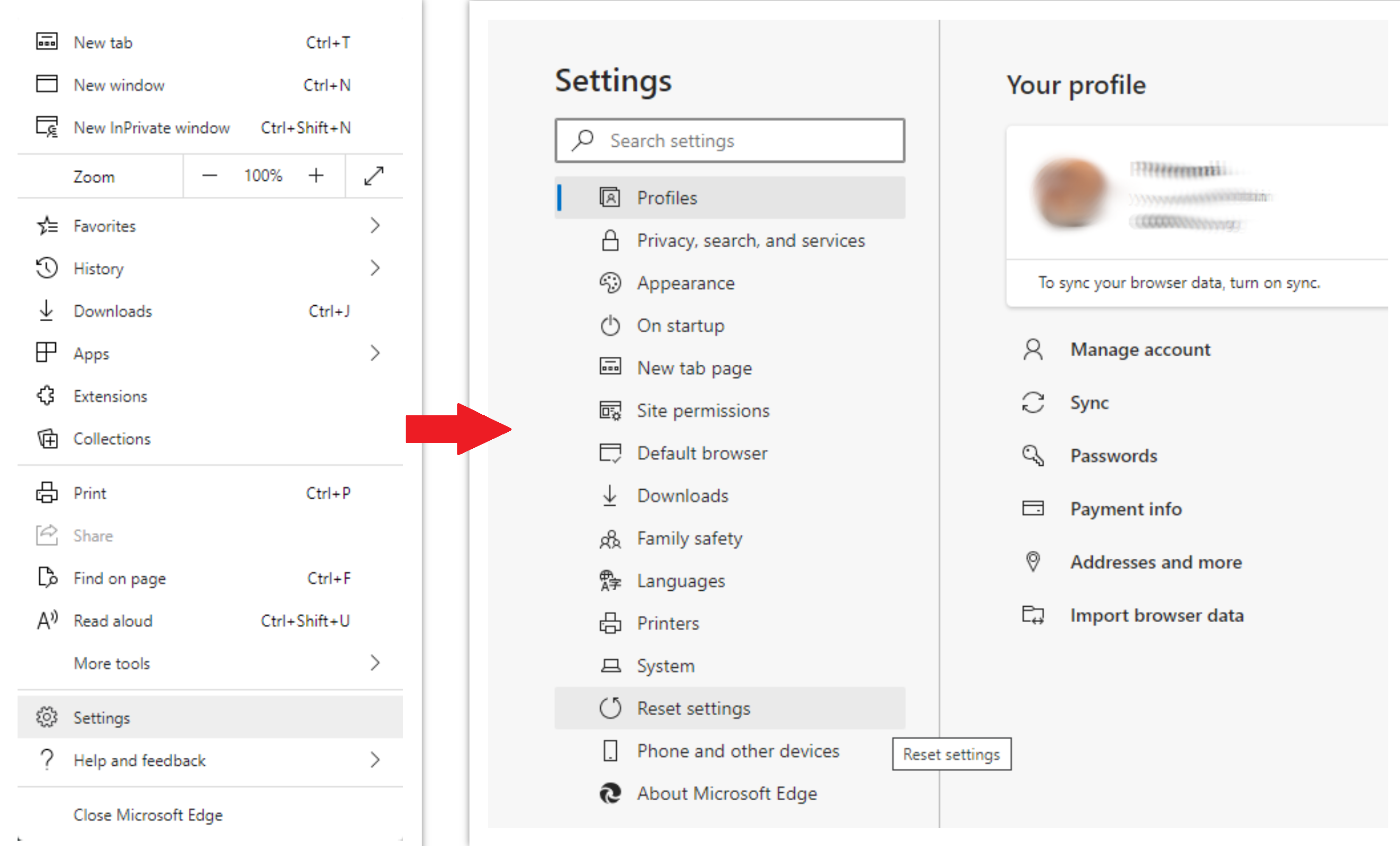
To reset Edge, do the following steps :
- Open “Settings and more” tab in upper right corner, then find here “Settings” button. In the appeared menu, choose “Reset settings” option :
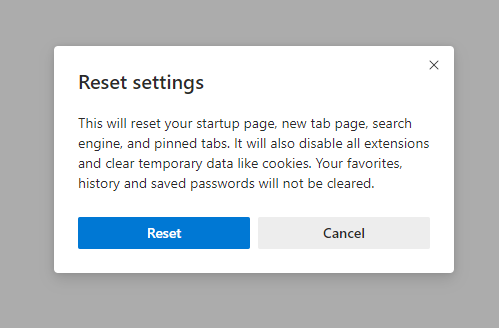
- After picking the Reset Settings option, you will see the following menu, stating about the settings which will be reverted to original :
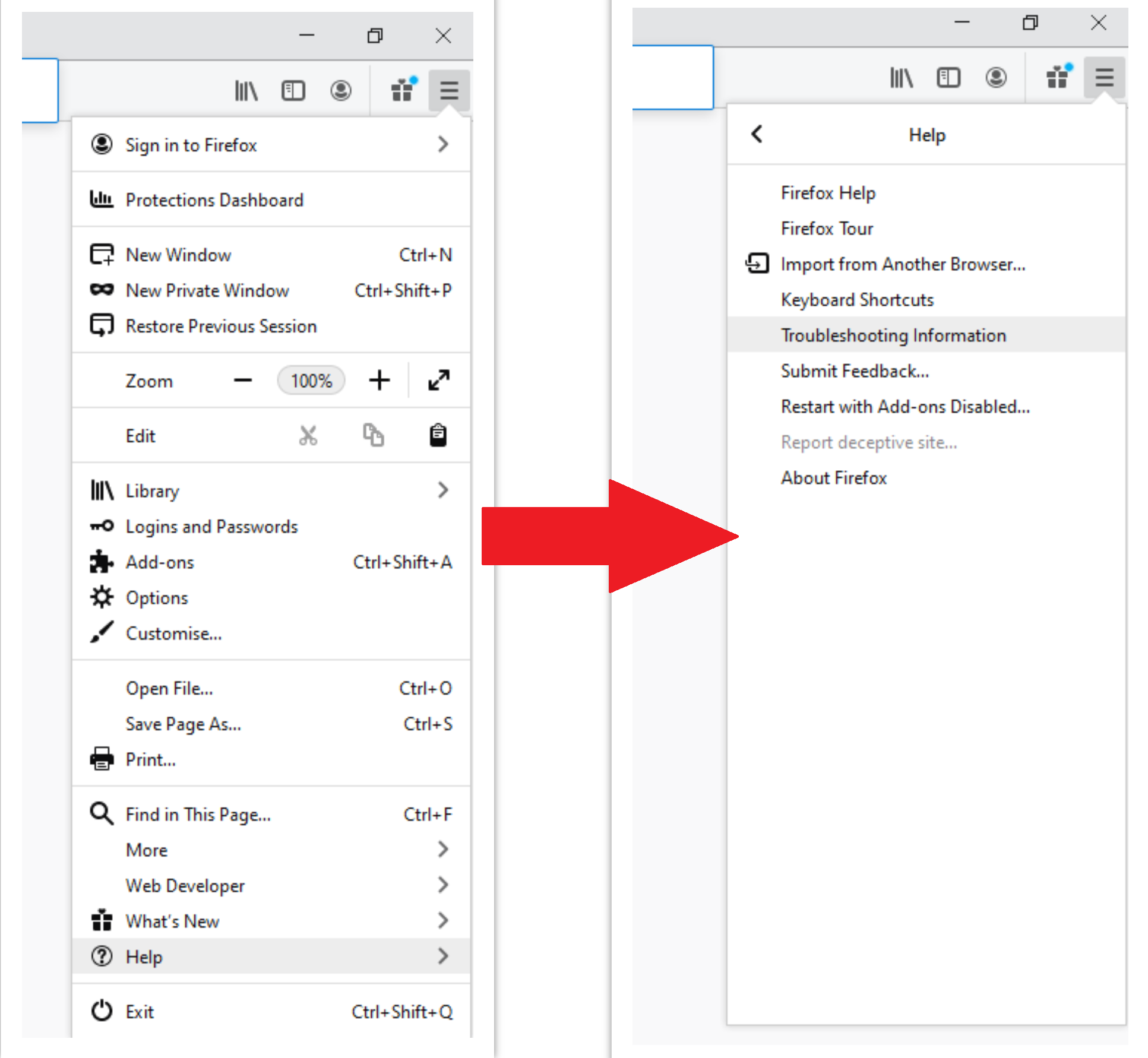
For Mozilla Firefox, do the next actions :
- Open Menu tab (three strips in upper right corner) and click the “Help” button. In the appeared menu choose “troubleshooting information” :
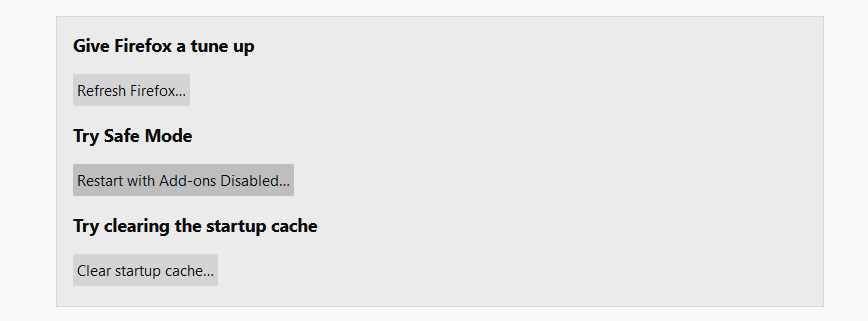
- In the next screen, find the “Refresh Firefox” option :
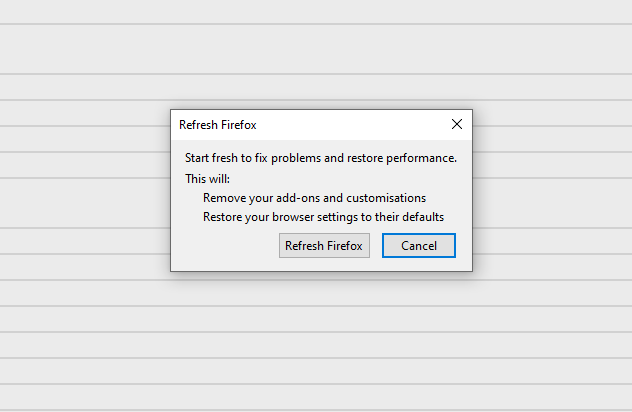
After choosing this option, you will see the next message :
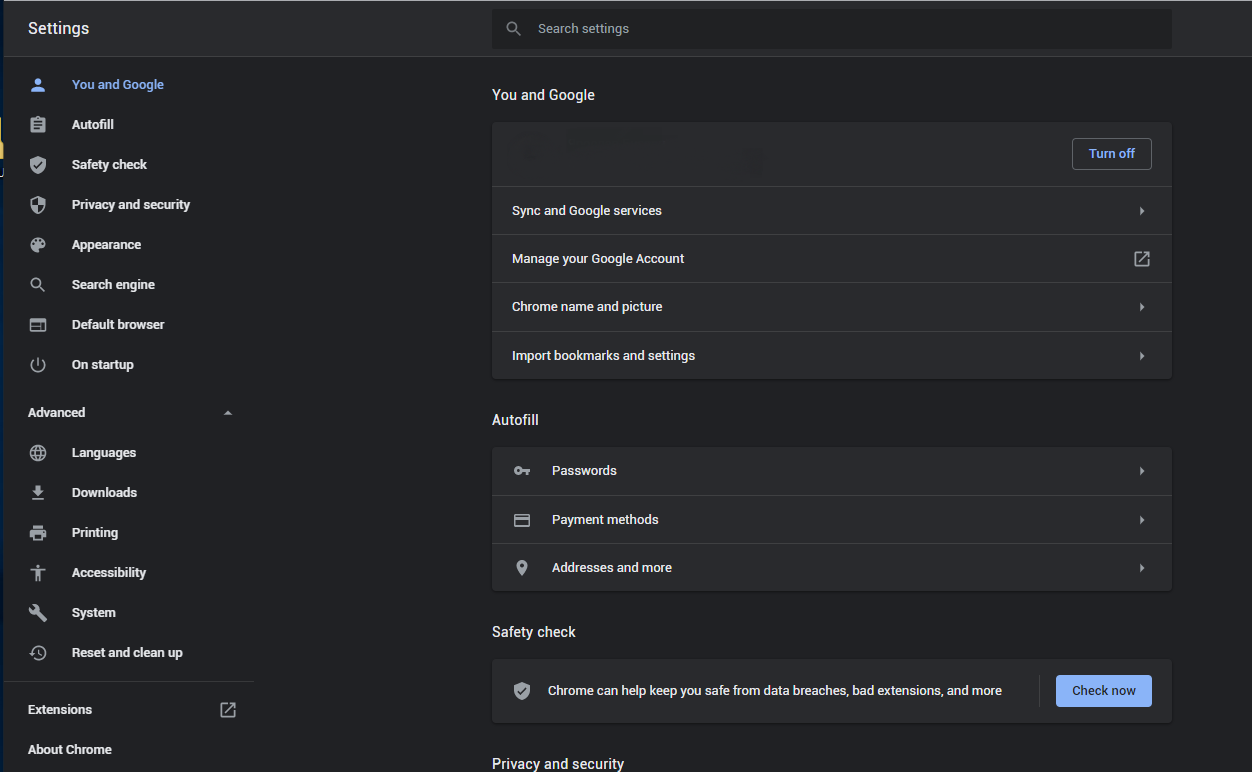
If you use Google Chrome
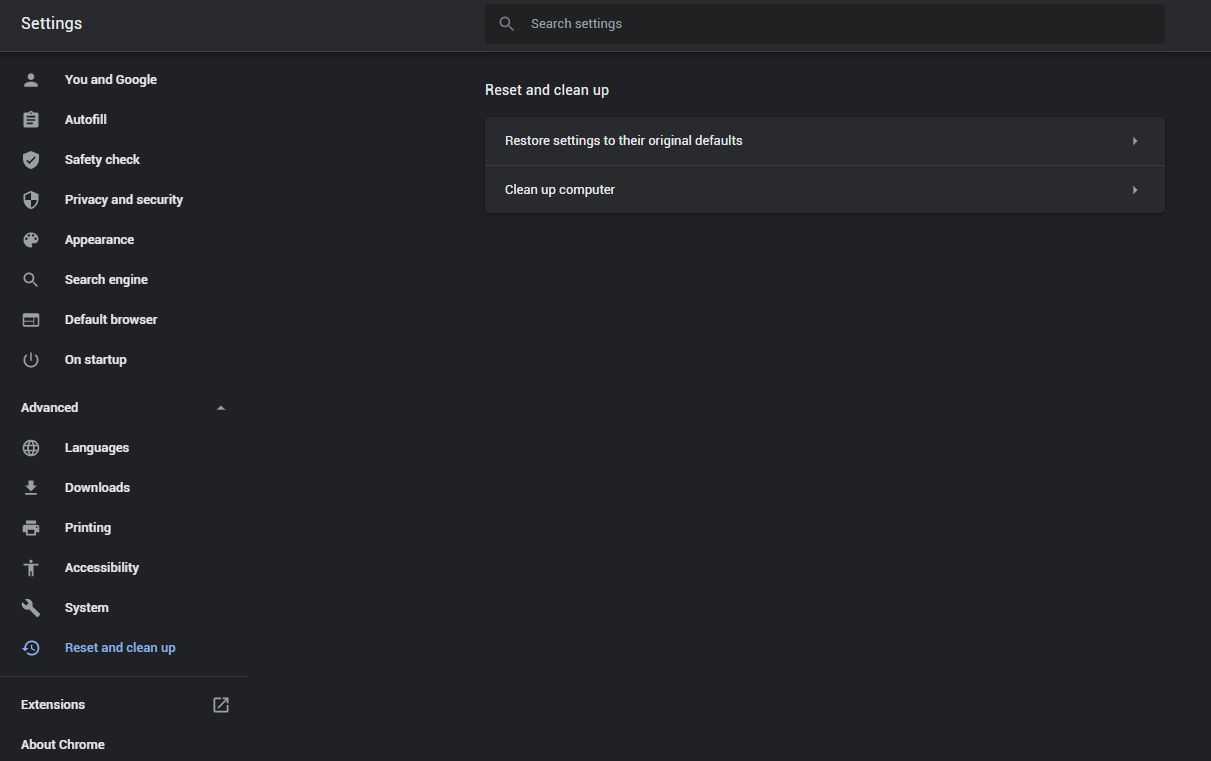
- Open Settings tab, find the “Advanced” button. In the extended tab choose the “Reset and clean up” button :
- In the appeared list, click on the “Restore settings to their original defaults” :
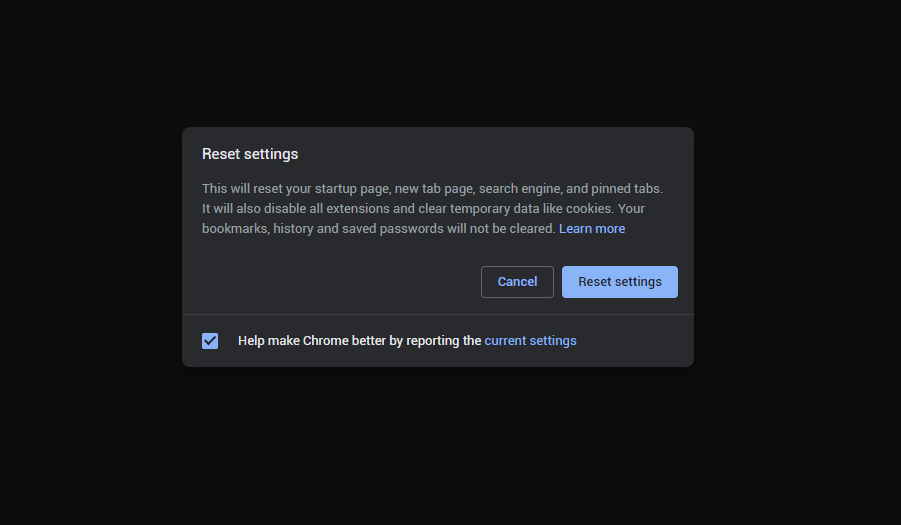
- Finally, you will see the window, where you can see all the settings which will be reset to default :
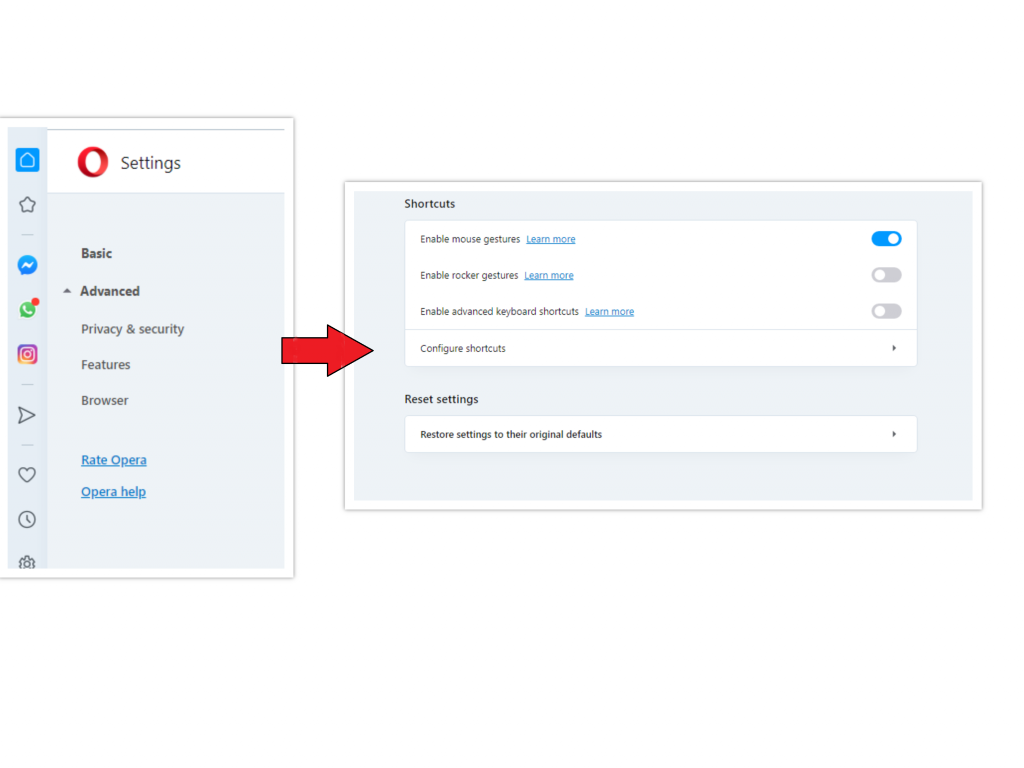
Opera can be reset in the next way
- Open Settings menu by pressing the gear icon in the toolbar (left side of the browser window), then click “Advanced” option, and choose “Browser” button in the drop-down list. Scroll down, to the bottom of the settings menu. Find there “Restore settings to their original defaults” option :
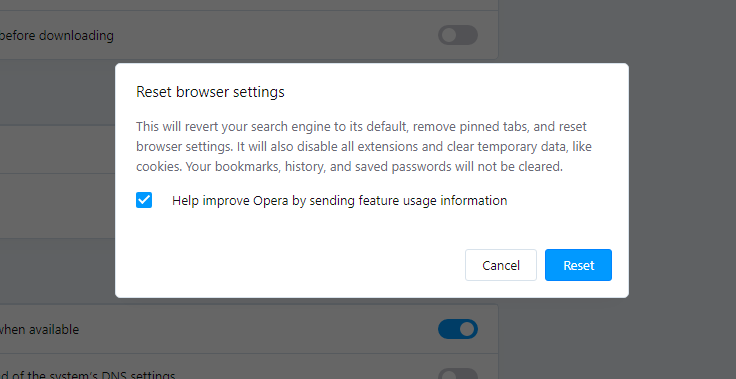
- After clicking the “Restore settings…” button, you will see the window, where all settings, which will be reset, are shown :
As an afterword, I want to say that time plays against you and your PC. The activity of browser hijacker must be stopped as soon as possible, because of the possibility of other malware injection. This malware can be downloaded autonomously, or offered for you to download in one of the windows with advertisements, which are shown to you by the hijacker. You need to act as fast as you can.
I need your help to share this guide.
Browser hijackers are among the largest and also disruptive kinds of malware. I published this article to help you, so I wish you will help me to make the computer world completely clean of malware. Please, share this article in the social networks you use – Twitter, Reddit, Facebook – wherever.
.
Wilbur WoodhamReferences
- More information about PUAs
- Detailed review of Microsoft Defender


Leave a Comment