
What is .love$ file infection?
Also referred to as DHARMA ransomware1, it modifies your documents by means of encrypting them and demanding the ransom to be paid allegedly to restore access to them. [[email protected]].love$ indicates [email protected] as a channel for contacting the ransomware authors.
The DHARMA ransomware is active again through its new cryptovirus bearing the name of .love$. This particular virus family modifies all popular file types by means of adding the .love$ extension, thus making the data absolutely unavailable. The victims simply cannot open their important documents anymore. The ransomware also assigns its unique identification key, just like all previous representatives of the virus family. As soon the file is encrypted by the ransomware, it obtains a special new extension becoming the secondary one. The file virus also generates a ransom note providing the users want instructions allegedly to restore the data.
Love$ Threat Summary
| Name | .love$ file virus |
| Extension | [[email protected]].love$ file virus |
| Type | Ransomware |
| Detection | Trojan:Win32/Mokes.PVD!MTB, BScope.TrojanPSW.Coins, Trojan.Win32.Garvi.pu |
| Short Description | The virus modifies the documents on the attacked device through encryption and asks for the ransom to be paid by the victim supposedly to recovery them. |
| Symptoms | The file virus encrypts the data by adding the .love$ extension, also generating the one-of-a-kind identifier. Note that the [[email protected]].love$ extension becomes the secondary one. |
| Distribution Method | Spam, Email attachments, Compromised legitimate downloads, Attacks exploiting weak or stolen RDP credentials2. |
| Fix Tool | See If Your System Has Been Affected by .love$ file virus |
.love$ File Virus – Dharma Ransomware
What Is It and How Did I Get It?
The .love$ ransomware is most commonly spread by means of a payload dropper. It runs the malicious script that eventually installs the file virus. The threat circulates actively on the web, considering the facts about the ransomware mentioned in the VirusTotal database. The .love$ ransomware may also promote its payload files through popular social networks and via file-sharing platforms. Alternatively, some free applications hosted on many popular resources may also be disguised as helpful tools, whereas they instead may lead to the malicious scripts that injected the ransomware. Your personal caution to prevent the .love$ virus attack matters a lot!
.love$ ransomware is a infection that encrypts your data and presents a frustrating ransomware notice. Below is the screenshot depicting the ransomware note:
![[im.online@aol.com].love$ virus demanding message in a pop-up window](https://howtofix.guide/wp-content/uploads/2020/04/im.online@aol.com_.love-ransomware.jpg)
[[email protected]].love$ virus demanding message in a pop-up window
It says the following:
YOUR FILES ARE ENCRYPTED
Don’t worry,you can return all your files!
If you want to restore them, follow this link email: [email protected]
If you have not been answered via the link within 12 hours, write to us by e-mail:
Attention!
Do not rename encrypted files.
Do not try to decrypt your data using third party software, it may cause permanent data loss.
Decryption of your files with the help of third parties may cause increased price (they add their fee to our) or you can become a victim of a scam.
Remove [[email protected]].love$ File Virus (Dharma)
Reasons why I would recommend GridinSoft3
Run the setup file.
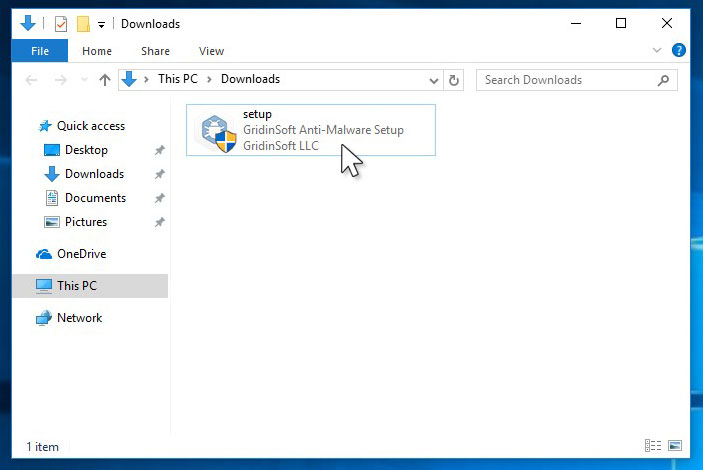
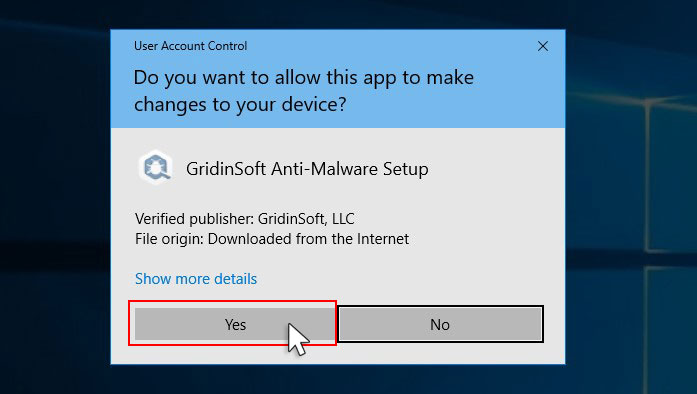
Press “Install” button.
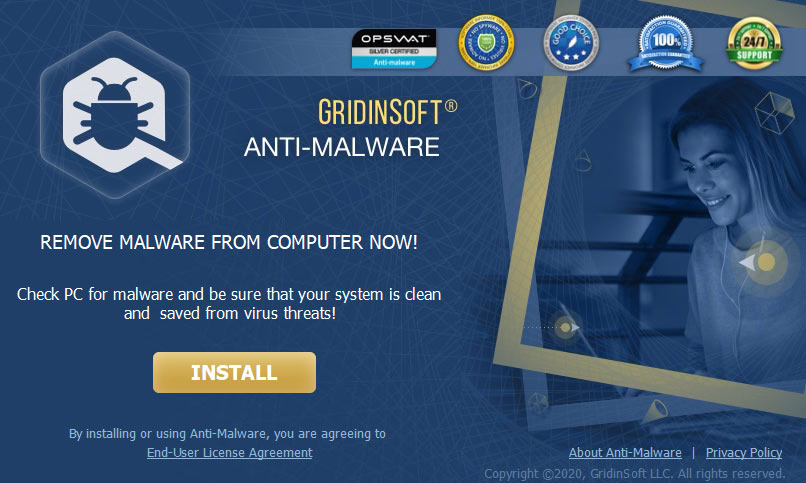
Once installed, Anti-Malware will automatically run.
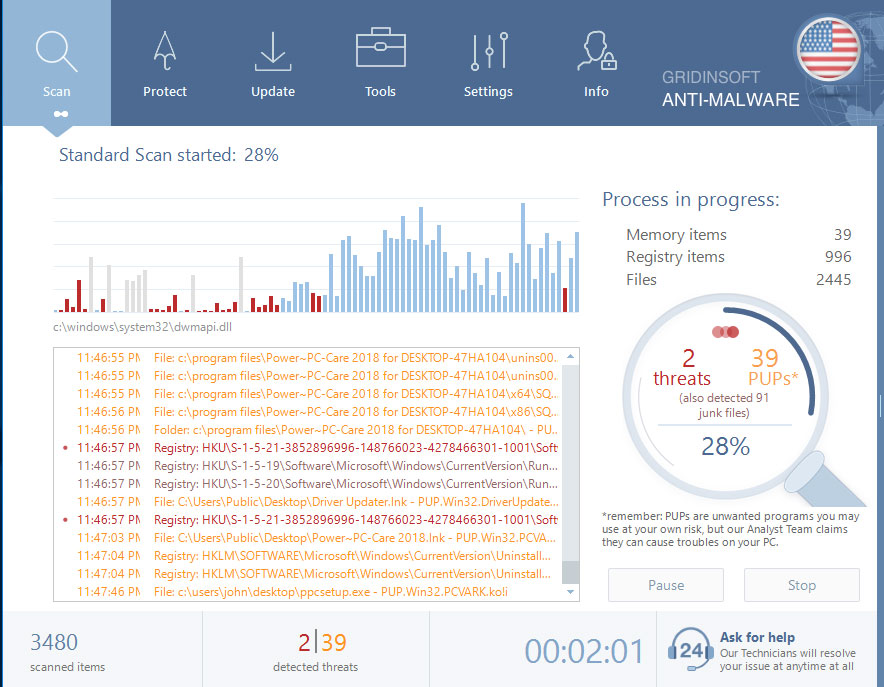
Wait for the Anti-Malware scan to complete.
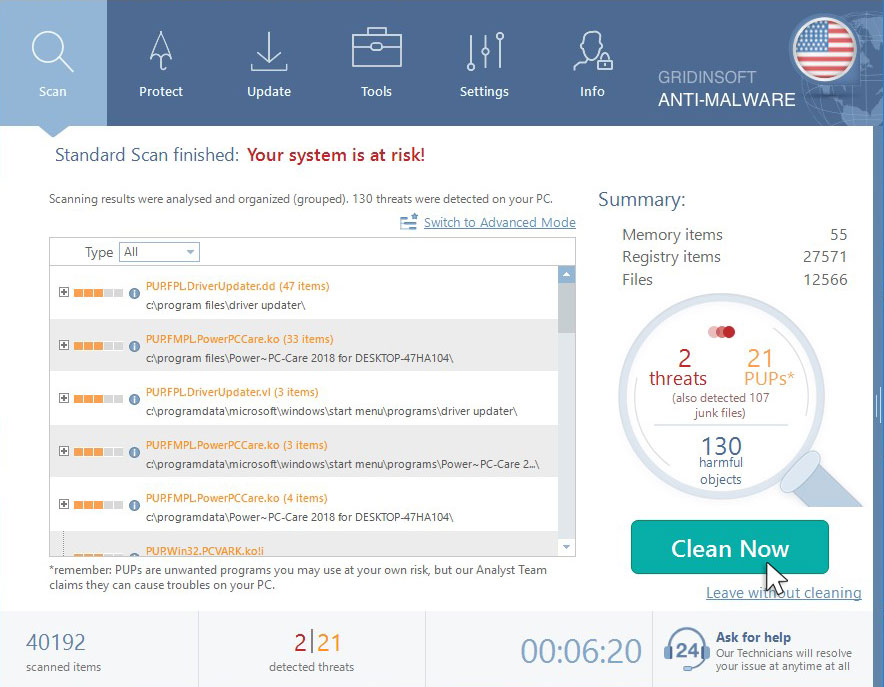
Click on “Clean Now”.
How to decrypt .love$ files?
You can download and use this decrypter that Kaspersky released if you were hit by .[[email protected]].love$ extension.
You can download and use this decrypter that Avast released or this decrypter that Kaspersky released if you were hit by .love$ extension.
What the next?
References
- Read more about Dharma Ransomware: https://howtofix.guide/about-dharma-crysis-ransomware/
- How To Change Remote Desktop (RDP) Port: https://howtofix.guide/change-remote-desktop-port-on-windows-10/



Leave a Comment