
HackTool:Win32/Ntscan is a detection name used by Microsoft Defender Antivirus to identify a potentially unwanted program (PUP) or tool that is designed to manipulate or exploit certain aspects of the Windows operating system for unauthorized purposes. These tools are not necessarily malware in themselves, but they can be misused by malicious actors to gain unauthorized access to systems or perform illegal activities.
HackTool:Win32/Ntscan and similar hack tools may include utilities for password cracking, network scanning, port scanning, keygens (key generators), and other tools that can be used to bypass security measures, crack software licenses, or perform other illicit actions. These tools are often used by hackers, crackers, or individuals with malicious intent to compromise systems, steal sensitive data, or gain unauthorized access to resources.
While some legitimate cybersecurity professionals and penetration testers may use hack tools for ethical hacking and security testing purposes, these tools can also be misused by cybercriminals. As a result, they are flagged by antivirus software like Microsoft Defender to prevent potential misuse and protect users from unauthorized activities on their systems.
It’s important to note that using hack tools for unauthorized purposes is illegal and can lead to serious consequences. Users should only use such tools in a legal and ethical manner, with proper authorization and for legitimate security testing or research purposes. If HackTool:Win32/Ntscan is detected on your system and you haven’t knowingly installed it or don’t have a legitimate need for it, it’s best to remove it to ensure the security and integrity of your computer.
What is HackTool:Win32/Ntscan?
Ntscan is a command-line tool that is part of the popular network scanning and enumeration toolset called “Nmap” (Network Mapper). Nmap is an open-source utility used for network exploration and security auditing. It was designed to rapidly scan large networks, but it works equally well against single hosts.
Ntscan is a legitimate tool and is widely used by network administrators, security professionals, and penetration testers to perform network discovery, vulnerability assessment, and system auditing. It helps identify potential targets for further scanning or analysis and provides valuable information about the network’s topology.
However, it’s essential to use Ntscan and similar network scanning tools responsibly and with proper authorization. Unauthorized scanning of networks or hosts without permission is illegal and can lead to serious legal consequences. Therefore, it’s crucial to obtain the necessary permissions and adhere to ethical hacking guidelines when using tools like Ntscan to ensure the security and integrity of networks and systems.
Ntscan Summary
| Name | Ntscan HackTool |
| Detection | HackTool:Win32/Ntscan |
| Details | The Ntscan tool is specifically used to perform ping scans on hosts within a given network range. |
Does your antivirus regularly report about the “Ntscan”?
If you have actually seen a message showing the “HackTool:Win32/Ntscan found”, after that it’s an item of good information! The malware “HackTool:Win32/Ntscan” was identified and, probably, erased. Such messages do not mean that there was an actually energetic Ntscan on your device. You could have simply downloaded and install a data which contained HackTool:Win32/Ntscan, so your anti-virus software program automatically removed it before it was introduced and caused the troubles. Conversely, the harmful script on the infected site could have been identified as well as stopped prior to triggering any type of issues.
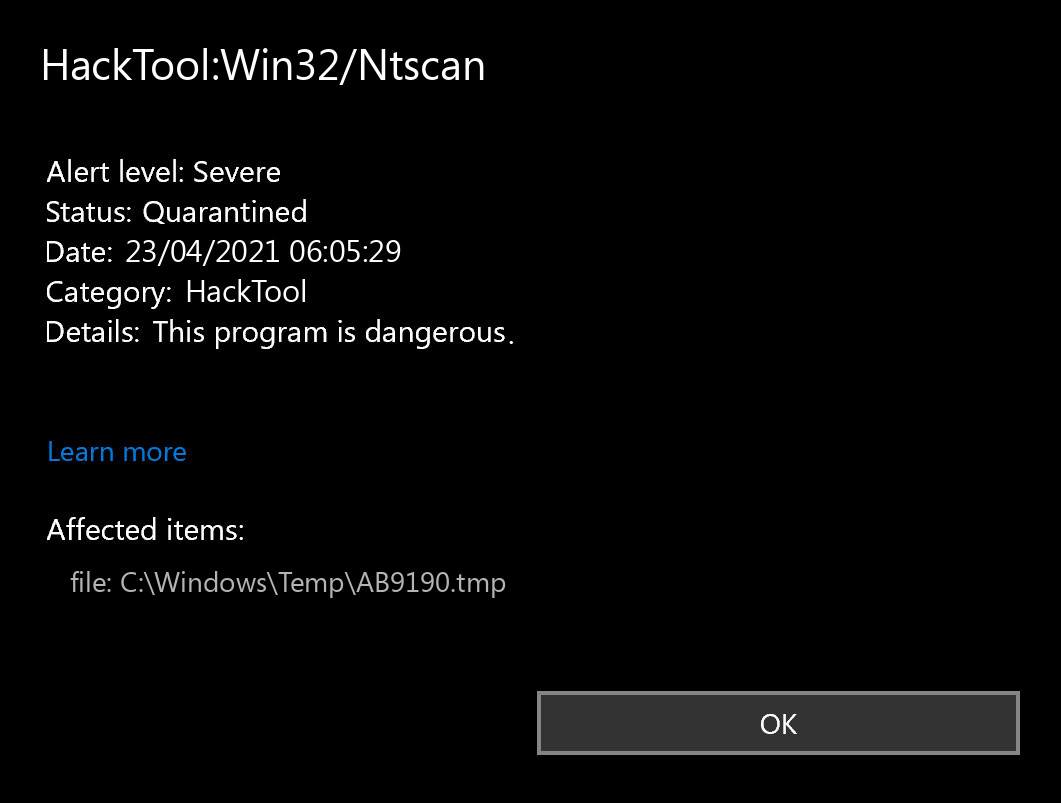
Microsoft Defender: “HackTool:Win32/Ntscan”
In other words, the message “HackTool:Win32/Ntscan Found” throughout the common use of your computer does not indicate that the Ntscan has completed its mission. If you see such a message after that it could be the evidence of you visiting the infected page or loading the destructive file. Try to prevent it in the future, yet don’t fret way too much. Try out opening the antivirus program as well as checking the HackTool:Win32/Ntscan discovery log file. This will certainly give you more info regarding what the specific Ntscan was found as well as what was especially done by your antivirus software application with it. Certainly, if you’re not positive enough, describe the hands-on scan– at any rate, this will be useful.
How to scan for malware, spyware, ransomware, adware, and other threats.
If your computer operates in an incredibly slow way, the websites open in an odd fashion, or if you see advertisements in the position you’ve never ever anticipated, it’s possible that your computer obtained contaminated and the virus is currently active. Spyware will track all your tasks or redirect your search or web page to the locations you don’t want to go to. Adware may contaminate your web browser as well as also the entire Windows OS, whereas the ransomware will attempt to obstruct your computer and require an incredible ransom quantity for your own files.
How to scan your PC for HackTool:Win32/Ntscan?
Use Safe Mode to fix the most complex HackTool:Win32/Ntscan issues.
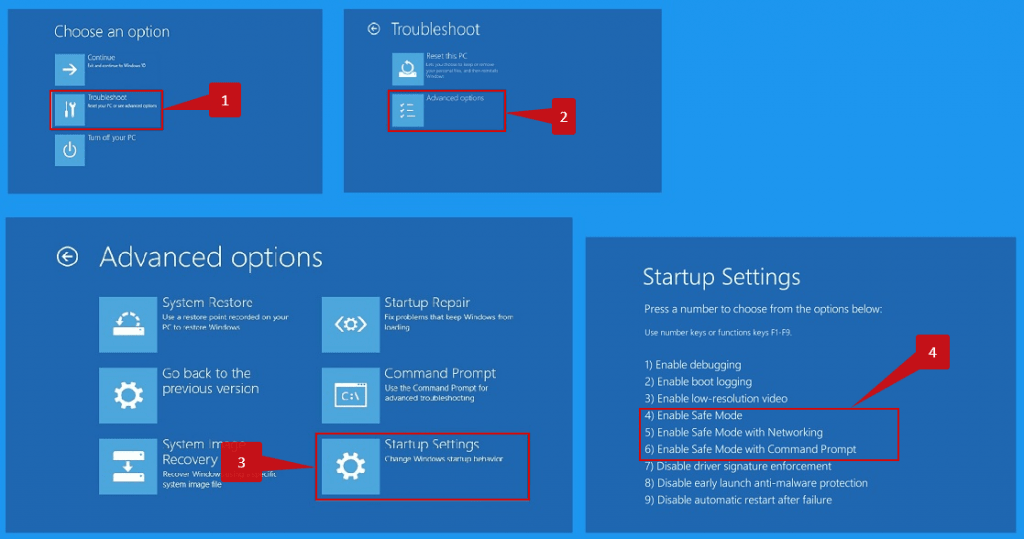
It’s not sufficient to simply use the antivirus for the security of your PC. You require to have a more extensive antivirus service. Not all malware can be spotted by typical antivirus scanners that largely try to find virus-type risks. Your computer might contain “junk”, for instance, toolbars, web browser plugins, questionable internet search engines, bitcoin-miners, and various other sorts of unwanted software used for earning money on your lack of experience. Beware while downloading and install software online to prevent your gadget from being loaded with unwanted toolbars and other junk information.


Leave a Comment