
What is Generic.MSIL.PasswordStealerA.B94049EA infection?
In this short article you will locate concerning the definition of Generic.MSIL.PasswordStealerA.B94049EA and its unfavorable effect on your computer system. Such ransomware are a type of malware that is clarified by on the internet fraudulences to demand paying the ransom money by a target.
In the majority of the situations, Generic.MSIL.PasswordStealerA.B94049EA ransomware will certainly advise its sufferers to initiate funds transfer for the objective of neutralizing the modifications that the Trojan infection has actually presented to the victim’s tool.
Generic.MSIL.PasswordStealerA.B94049EA Summary
These adjustments can be as follows:
- Executable code extraction. Cybercriminals often use binary packers to hinder the malicious code from reverse-engineered by malware analysts. A packer is a tool that compresses, encrypts, and modifies a malicious file’s format. Sometimes packers can be used for legitimate ends, for example, to protect a program against cracking or copying.
- HTTP traffic contains suspicious features which may be indicative of malware related traffic;
- Performs some HTTP requests;
- Deletes its original binary from disk;
- Steals private information from local Internet browsers;
- Spoofs its process name and/or associated pathname to appear as a legitimate process;
- Creates a hidden or system file. The malware adds the hidden attribute to every file and folder on your system, so it appears as if everything has been deleted from your hard drive.
- Contacts C&C server HTTP check-in (Banking Trojan);
- Creates a copy of itself;
- Harvests credentials from local FTP client softwares;
- Harvests information related to installed instant messenger clients;
- Harvests information related to installed mail clients;
- Collects information to fingerprint the system. There are behavioral human characteristics that can be used to digitally identify a person to grant access to systems, devices, or data. Unlike passwords and verification codes, fingerprints are fundamental parts of user’s identities. Among the threats blocked on biometric data processing and storage systems is spyware, the malware used in phishing attacks (mostly spyware downloaders and droppers), ransomware, and Banking Trojans as posing the greatest danger.
- Ciphering the papers located on the target’s hard drive — so the victim can no longer make use of the information;
- Preventing normal accessibility to the sufferer’s workstation. This is the typical behavior of a virus called locker. It blocks access to the computer until the victim pays the ransom.
Similar behavior
Related domains
| z.whorecord.xyz | BehavesLike.Win32.VirRansom.ch |
| a.tomx.xyz | BehavesLike.Win32.VirRansom.ch |
| 1filesharing.ga | BehavesLike.Win32.VirRansom.ch |
Generic.MSIL.PasswordStealerA.B94049EA
One of the most normal channels whereby Generic.MSIL.PasswordStealerA.B94049EA Ransomware are injected are:
- By ways of phishing emails;
- As a repercussion of individual ending up on a source that holds a destructive software;
As soon as the Trojan is efficiently injected, it will certainly either cipher the information on the sufferer’s computer or protect against the tool from working in a proper way – while additionally positioning a ransom money note that states the demand for the victims to impact the settlement for the objective of decrypting the documents or restoring the file system back to the preliminary condition. In the majority of instances, the ransom note will certainly turn up when the customer reboots the COMPUTER after the system has actually currently been damaged.
Generic.MSIL.PasswordStealerA.B94049EA distribution networks.
In various edges of the globe, Generic.MSIL.PasswordStealerA.B94049EA grows by leaps and bounds. However, the ransom notes as well as methods of extorting the ransom quantity might vary depending on certain regional (local) setups. The ransom notes as well as methods of extorting the ransom money quantity might vary depending on particular regional (regional) settings.
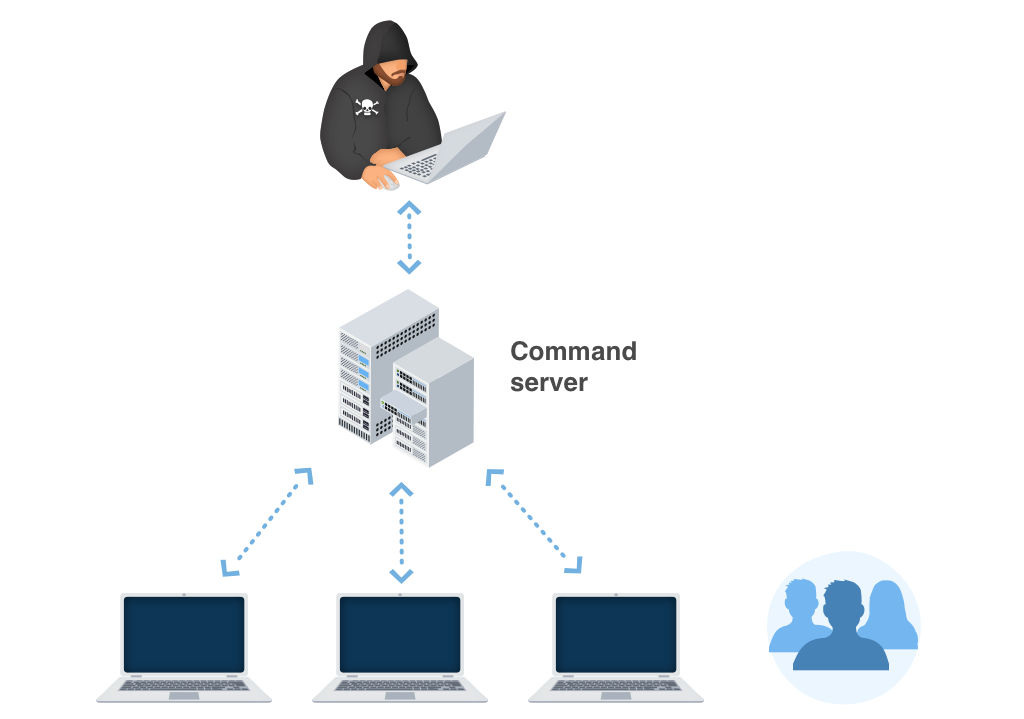
For example:
Faulty informs about unlicensed software application.
In certain areas, the Trojans usually wrongfully report having actually discovered some unlicensed applications made it possible for on the target’s gadget. The alert after that demands the individual to pay the ransom money.
Faulty declarations regarding illegal web content.
In nations where software piracy is less popular, this method is not as efficient for the cyber fraudulences. Additionally, the Generic.MSIL.PasswordStealerA.B94049EA popup alert may falsely claim to be stemming from a law enforcement organization and will certainly report having located child pornography or other prohibited information on the gadget.
Generic.MSIL.PasswordStealerA.B94049EA popup alert might wrongly declare to be deriving from a law enforcement establishment and will certainly report having located child pornography or various other prohibited data on the gadget. The alert will similarly contain a requirement for the individual to pay the ransom.
Technical details
File Info:
crc32: 5075336Cmd5: 983be4f7472a7a1b6e26784e032706b7name: 983BE4F7472A7A1B6E26784E032706B7.mlwsha1: 7ae217f4559fa1a3abf50483fecbbe5bf70d6c12sha256: ed8359ee84c6a6aed853db2a5cebefd577143df33a67aac0b1d3803b742f09d5sha512: 362f8d065f21428f7e2f5369cd1e5ba526d40914286302d5ab1cce71d5d684baffc88f41490eb84ae75690caf78f925c7000eae7d5183f5e785f327d4e0acfdfssdeep: 1536:cZ59yaGAunHZ7ScfiAqxJJIL2GLQGDwRpMkVQeY8aE3c/R8pOIzmd:drp5WQqxJJVGmqOQeY8aWc/R8MUGtype: PE32 executable (GUI) Intel 80386, for MS WindowsVersion Info:
0: [No Data]
Generic.MSIL.PasswordStealerA.B94049EA also known as:
| GridinSoft | Trojan.Ransom.Gen |
| Bkav | W32.AIDetectVM.malware2 |
| Elastic | malicious (high confidence) |
| MicroWorld-eScan | DeepScan:Generic.MSIL.PasswordStealerA.B94049EA |
| FireEye | Generic.mg.983be4f7472a7a1b |
| CAT-QuickHeal | Trojan.Mauvaise.SL1 |
| McAfee | LokiBot!983BE4F7472A |
| Cylance | Unsafe |
| Sangfor | Malware |
| BitDefender | DeepScan:Generic.MSIL.PasswordStealerA.B94049EA |
| Cybereason | malicious.7472a7 |
| TrendMicro | TSPY_LOKI.SMA |
| BitDefenderTheta | AI:Packer.59A658E51E |
| Cyren | W32/S-f2ff7de9!Eldorado |
| Symantec | Trojan.Gen.2 |
| APEX | Malicious |
| ClamAV | Win.Trojan.naKocTb-6331389-1 |
| NANO-Antivirus | Trojan.Win32.Renos.flotpm |
| Ad-Aware | DeepScan:Generic.MSIL.PasswordStealerA.B94049EA |
| DrWeb | Trojan.PWS.Siggen2.59088 |
| Invincea | ML/PE-A |
| McAfee-GW-Edition | BehavesLike.Win32.VirRansom.ch |
| Emsisoft | Trojan-PSW.Fareit (A) |
| SentinelOne | Static AI – Suspicious PE |
| MaxSecure | Trojan.Malware.300983.susgen |
| Avira | TR/Crypt.XPACK.Gen |
| MAX | malware (ai score=80) |
| Gridinsoft | Malware.Win32.Pack.39734!se |
| AhnLab-V3 | Trojan/Win32.naKocTb.R270234 |
| GData | DeepScan:Generic.MSIL.PasswordStealerA.B94049EA |
| Cynet | Malicious (score: 100) |
| ESET-NOD32 | a variant of Win32/PSW.Fareit.L |
| Acronis | suspicious |
| VBA32 | BScope.Trojan.Agentb |
| ALYac | DeepScan:Generic.MSIL.PasswordStealerA.B94049EA |
| TACHYON | Trojan/W32.naKocTb.106496 |
| Malwarebytes | Spyware.LokiBot |
| TrendMicro-HouseCall | TSPY_LOKI.SMA |
| Rising | Trojan.Lokibot!1.B343 (CLASSIC) |
| Yandex | Trojan.GenAsa!SBszS2bfSB0 |
| Ikarus | Trojan-Spy.Primarypass |
| eGambit | Unsafe.AI_Score_99% |
| Fortinet | W32/GenKryptik.DYST!tr |
| AVG | Win32:LokiBot-A [Trj] |
| Panda | Trj/Genetic.gen |
| CrowdStrike | win/malicious_confidence_80% (D) |
| Qihoo-360 | HEUR/QVM20.1.352F.Malware.Gen |
How to remove Generic.MSIL.PasswordStealerA.B94049EA virus?
Unwanted application has ofter come with other viruses and spyware. This threats can steal account credentials, or crypt your documents for ransom.
Reasons why I would recommend GridinSoft1
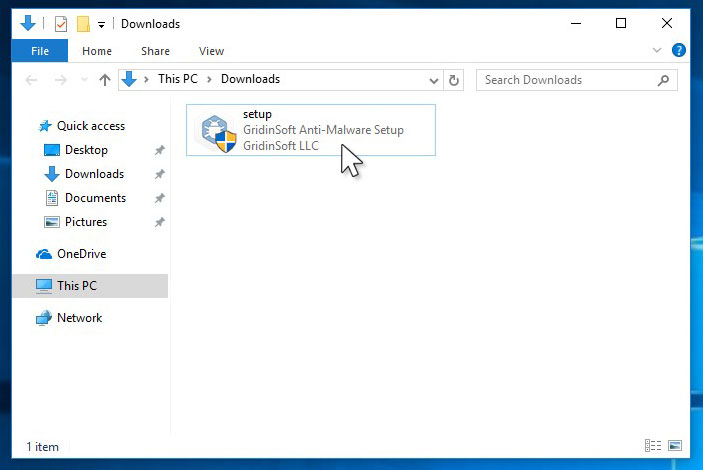
Run the setup file.
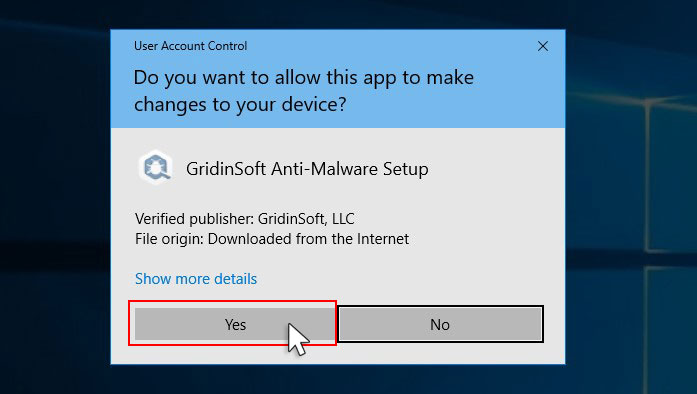
Press “Install” button.
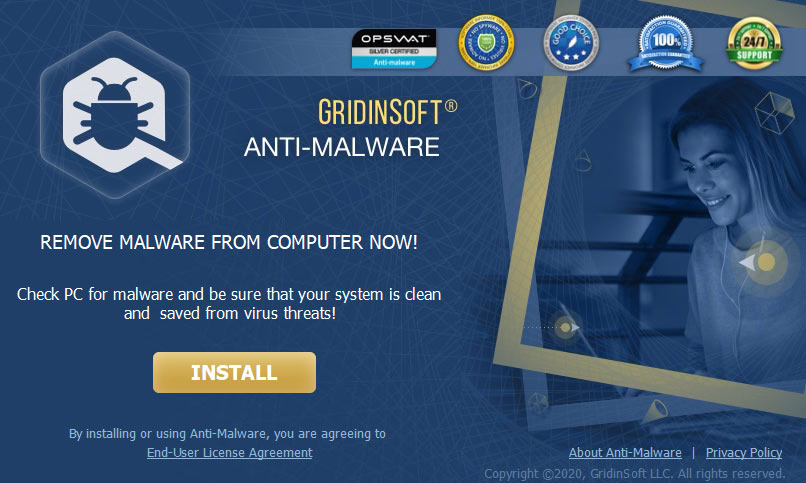
Once installed, Anti-Malware will automatically run.
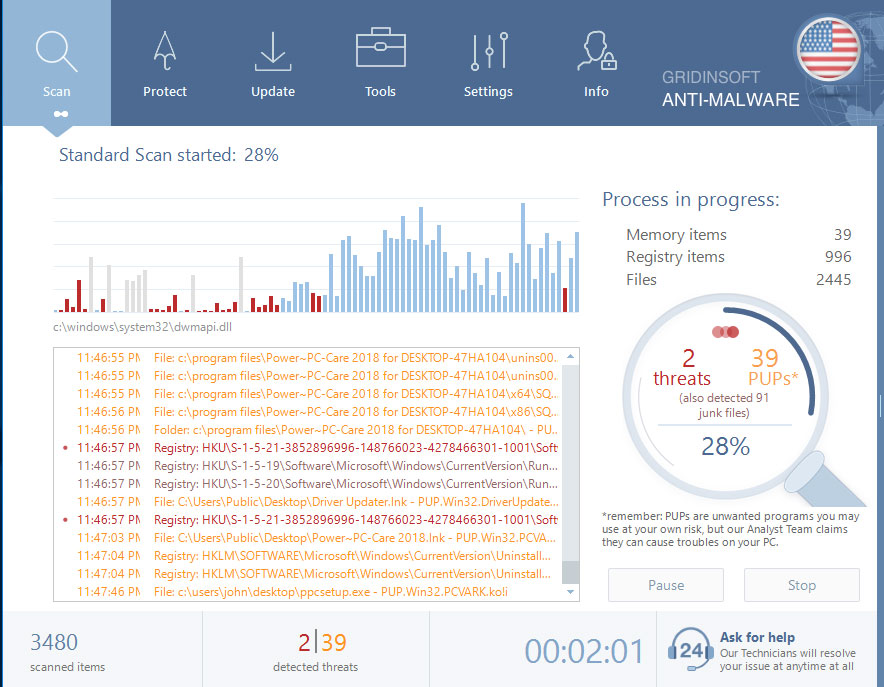
Wait for the Anti-Malware scan to complete.
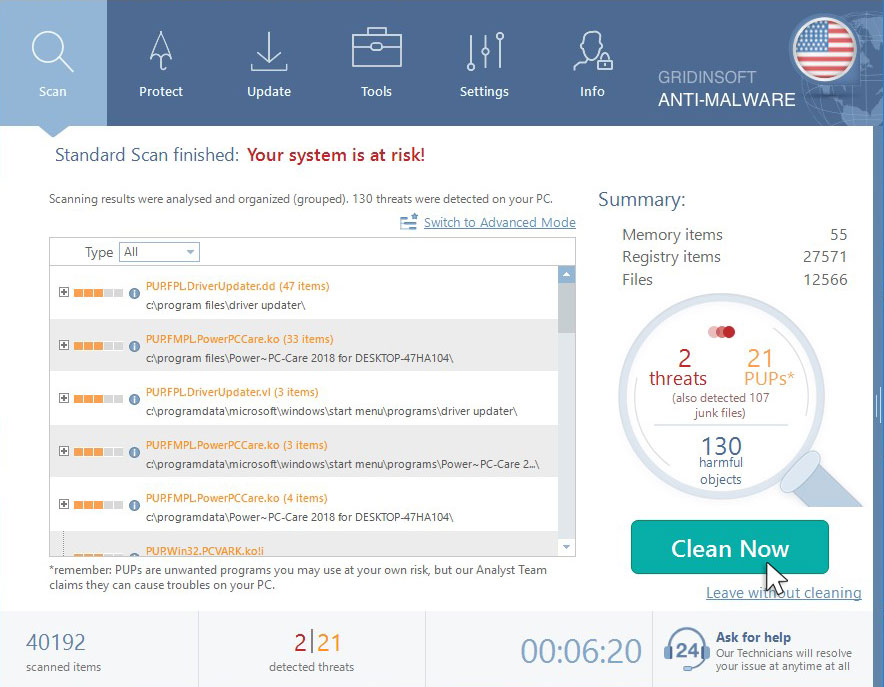
Click on “Clean Now”.
Are Your Protected?
If the guide doesn’t help you to remove Generic.MSIL.PasswordStealerA.B94049EA you can always ask me in the comments for getting help.


Leave a Comment