
DevExpress is malware, spreads insidiously through unreliable download sources like freeware sites and deceptive installation practices. It sneaks onto devices bundled with other software, often exploiting user haste and oversight.
DevExpress engages in potentially harmful activities, including displaying intrusive ads and possibly hijacking browsers. Its exact purpose remains unclear, but it poses a significant threat by potentially executing malicious actions on infiltrated devices.
DevExpress Overview
During our investigation into websites that provide counterfeit software “cracks”, our research team made a significant discovery. We came across the DevExpress malware hidden within an installation package on one of these dubious websites. This malware wasn’t alone. It was packaged together with a range of other software, all of which were either undesirable or directly harmful. The primary function of DevExpress remains unclear, but it probably executes malicious actions on compromised devices.
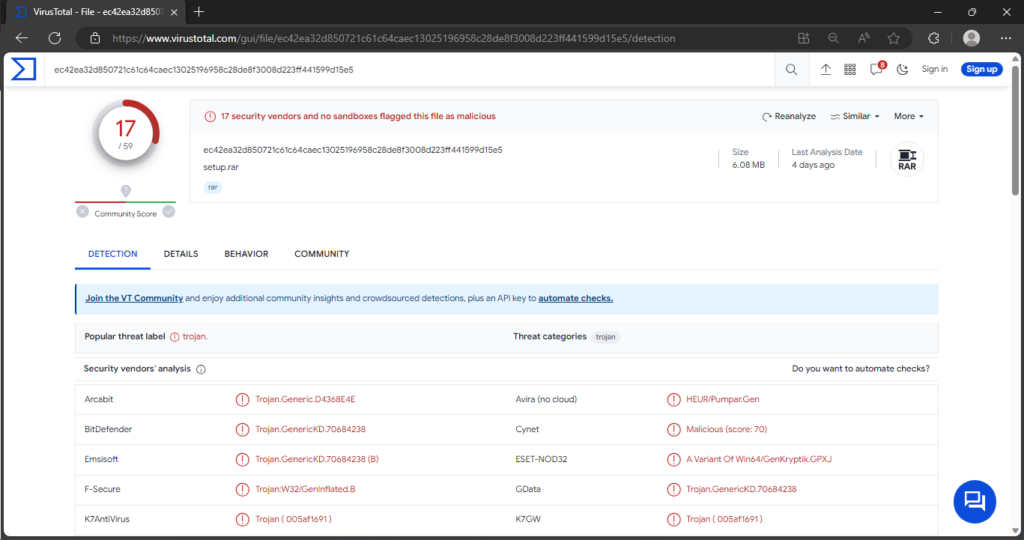
DevExpress on Virus Total site
| Name | DevExpress |
| Threat Type | Malicious application, unwanted application |
| Rogue Process Name | DevExpress.Utils.UI |
| Symptoms | Seeing advertisements not originating from the sites you are browsing. Intrusive pop-up ads. Redirects to dubious websites. Decreased Internet browsing speed. |
| Detection | Microsoft (Trojan:Win32/Caynamer.A!ml) |
| Damage | Decreased computer performance, browser tracking – privacy issues, possible additional malware infections. |
Technical Analysis of DevExpress Malware
Rogue software like DevExpress often functions as adware, displaying ads across various interfaces. These ads typically push online scams, unreliable or harmful software, and sometimes even malware. Clicking on these ads can trigger scripts that download or install software without the user’s consent. While some genuine content might be advertised, it’s usually exploited by scammers for illegitimate commissions through abused affiliate programs.
DevExpress might also possess browser-hijacking features. Such software alters browser settings, causing redirects to fake search engines. These sites often fail to provide search results, redirecting instead to legitimate engines like Google, Bing, or Yahoo. Additionally, some rogue software prepares systems for further infections by exploiting existing vulnerabilities.
Spreading methods
Spreading methods for malicious software like DevExpress often involve deceptive practices and user oversight. From unsafe download sources to sneaky installation tactics, these methods are varied and subtly effective.
Spreading methods include:
- Downloading from unreliable sources like freeware, free file-hosting sites, and P2P networks. Rushing through installation steps, like ignoring terms, skipping parts, or choosing “Easy/Quick” settings, raises the risk of accidentally installing bundled content.
- Sites promoting such software often receive visitors through redirects from webpages using rogue ad networks, misspelled URLs, spam browser notifications, intrusive ads, or adware that can force-open browsers.
- Some intrusive ads can run scripts for covert downloads or installations, further spreading rogue software.
How to remove the DevExpress Malware from my PC?
While manual removal of the threat is technically possible, I strongly discourage this method. In its pursuit of establishing persistence, Malware generates numerous instances of itself, making it exceedingly difficult to trace all its components manually. Consequently, manual removal can be time-consuming and often yield minimal to no results. Below, I have assembled a guide outlining the most effective removal practices for DevExpress.


Leave a Comment