
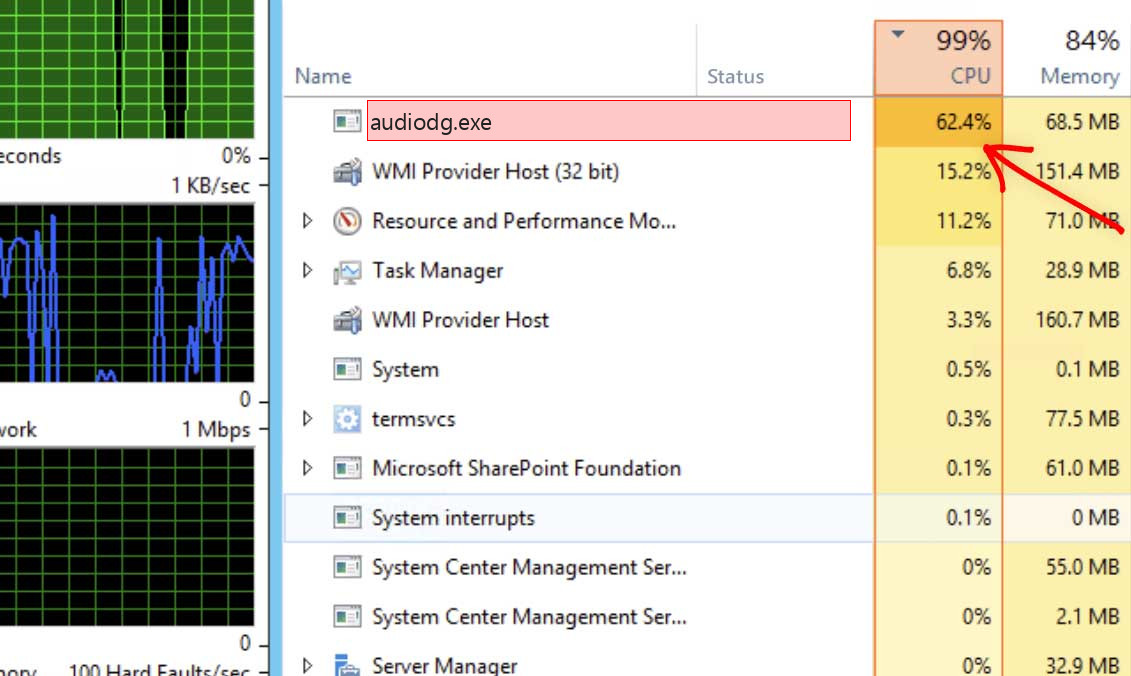
Audiodg.exe is Windows Audio Device Graph Isolation, the process that runs part of the audio engine separately from the main Windows Audio service. Users usually notice it when sound crackles, a game starts lagging, or Task Manager shows unusually high CPU usage during calls, streaming, or music playback.
What is audiodg.exe?
Windows uses audiodg.exe to isolate audio processing, effects, enhancements, and device graphs. This separation helps prevent a bad audio driver or effect from crashing the whole audio service. It is involved when speakers, headsets, microphones, Bluetooth devices, virtual audio cables, and communication apps process sound.
The legitimate file is located in C:\Windows\System32\audiodg.exe and is signed by Microsoft Windows. It may use some CPU while audio is playing, especially with spatial sound, noise suppression, equalizers, or third-party enhancement packages enabled.
Is audiodg.exe a virus?
Audiodg.exe is not a virus by default. Suspicion is justified when the file path is wrong, the signature is missing, the process runs without any audio activity, or a recently installed audio utility behaves like adware.
Because many users do not recognize Windows audio internals, a fake file can abuse the name to look harmless. A copy in AppData, Temp, Downloads, or a random vendor folder should be checked carefully.
Why audiodg.exe can use high CPU, memory, or disk
High CPU usage by audiodg.exe is usually connected to audio effects or drivers. It can spike during games, meetings, recording, or streaming because the audio engine is processing input and output in real time.
- Audio enhancements, spatial sound, loudness equalization, or third-party effects are enabled.
- A headset, Bluetooth device, or USB audio interface has a buggy driver.
- A voice chat app is using noise suppression, echo cancellation, or automatic gain control.
- Sample rate and bit depth settings are too aggressive for the driver.
- A fake audiodg.exe is running from a non-Windows folder.
Signs that the file should be investigated
Audio problems are common, so avoid jumping straight to malware. These signs are more meaningful.
- File location is not C:\Windows\System32\audiodg.exe.
- Digital signature is missing or invalid.
- CPU stays high when all audio playback and recording apps are closed.
- The issue started after installing a suspicious driver bundle or audio utility.
- Unexpected startup entries point to an audiodg.exe copy outside Windows.
How to check audiodg.exe manually
The safest troubleshooting order is to reduce audio processing first, then check drivers and file authenticity.
- 1. Disable audio enhancements
Open Sound settings, choose the playback device, and turn off enhancements, spatial sound, and vendor effects. - 2. Lower sample rate
Set the device to a standard format such as 16-bit or 24-bit, 48 kHz, then test again. - 3. Update audio drivers
Install drivers from Windows Update or the device manufacturer, especially for USB and Bluetooth headsets. - 4. Check communication apps
Temporarily disable noise suppression, echo cancellation, and automatic gain control in Discord, Teams, Zoom, or similar apps. - 5. Verify the file
Open file location and confirm the System32 path and Microsoft signature. - 6. Run system repair only if needed
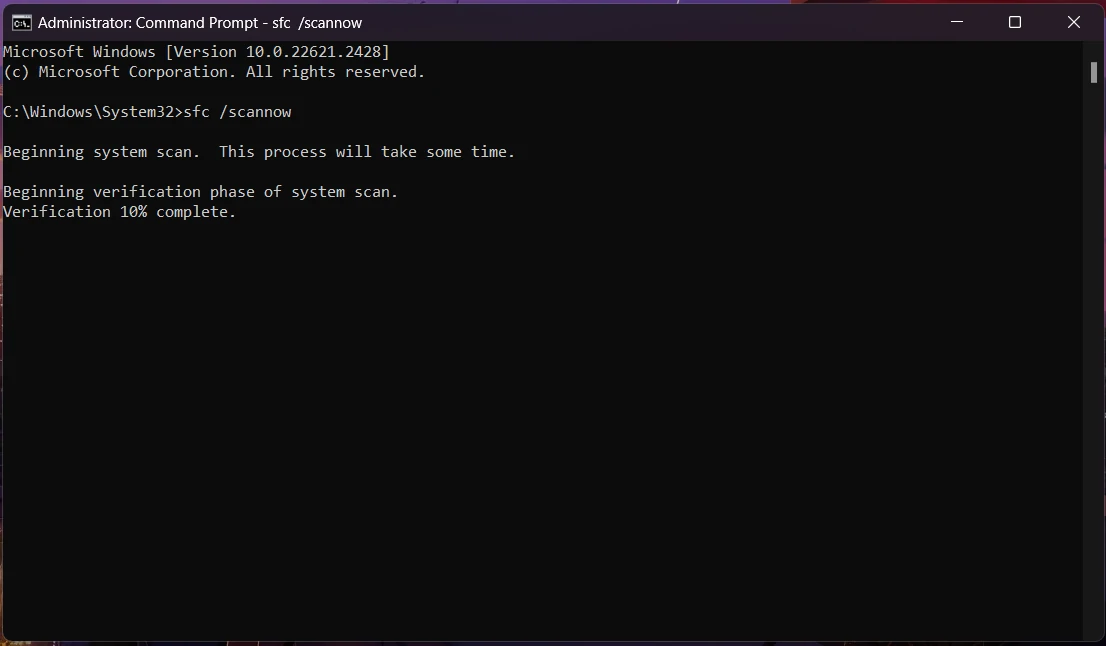
If Windows audio components appear damaged, run SFC and DISM after backing up important work.
Audio-specific checks that competitors often skip
Audiodg.exe troubleshooting should follow the audio path, not only generic malware advice. Test one playback device at a time: built-in speakers, wired headset, Bluetooth headset, HDMI audio, USB microphone, or virtual audio device. If CPU usage jumps only with one device, the driver or enhancement stack for that device is the most likely cause.
Communication apps add another layer. Discord, Teams, Zoom, OBS, and streaming tools may enable noise suppression, echo cancellation, automatic gain control, or virtual camera/audio filters. These features can make audiodg.exe look busy even when Windows itself is healthy. Temporarily disable those features, restart the app, and compare CPU usage while speaking and while silent.
Also check vendor audio panels from Realtek, Nahimic, Sonic Studio, Dolby, DTS, SteelSeries, Razer, Logitech, and headset utilities. If disabling enhancements fixes the issue, you do not need to remove audiodg.exe. Update or remove the audio enhancement package instead, then return Windows sound settings to a stable sample rate such as 48 kHz.
Should you remove audiodg.exe?
Do not remove the legitimate audiodg.exe. Fix audio enhancements, drivers, and app settings first. Quarantine only a suspicious copy outside System32 or a related unwanted program.
Optional security check
Need a second opinion?
Optional recommendation. Do not remove a system file only because its name is audiodg.exe; first confirm the path, signature, parent process, and recent changes on the computer.
FAQ
Why does audiodg.exe use CPU while gaming?
Games often trigger spatial audio, headset effects, voice chat, and microphone processing at the same time.
Can I end audiodg.exe?
Ending it may temporarily interrupt sound. Windows usually restarts it, but that does not fix a bad driver or enhancement setting.
What is the best first fix?
Disable audio enhancements and spatial sound, then retest with the same app or game.
Conclusion
Audiodg.exe is a normal Windows audio process. Most high CPU cases are driver or enhancement problems, but path and signature checks are still important when behavior does not match normal audio activity.



Leave a Comment