
If you spectate the alert of Adware:Win32/PCAcceleratePro!MSR detection, it seems that your computer has a problem. All malicious programs are dangerous, without any exceptions. PCAcceleratePro!MSR fills your PC with different advertisements, opens your web browser without your intention, and makes the system vulnerable to additional malware injection.
What does the notification with Adware:Win32/PCAcceleratePro!MSR detection mean?
The Adware:Win32/PCAcceleratePro!MSR detection you can see in the lower right side is displayed to you by Microsoft Defender. That anti-malware software is pretty good at scanning, however, prone to be generally unreliable. It is defenseless to malware attacks, it has a glitchy interface and problematic malware clearing features. For this reason, the pop-up which says concerning the PCAcceleratePro!MSR is simply a notification that Defender has actually recognized it. To remove it, you will likely need to use a separate anti-malware program.
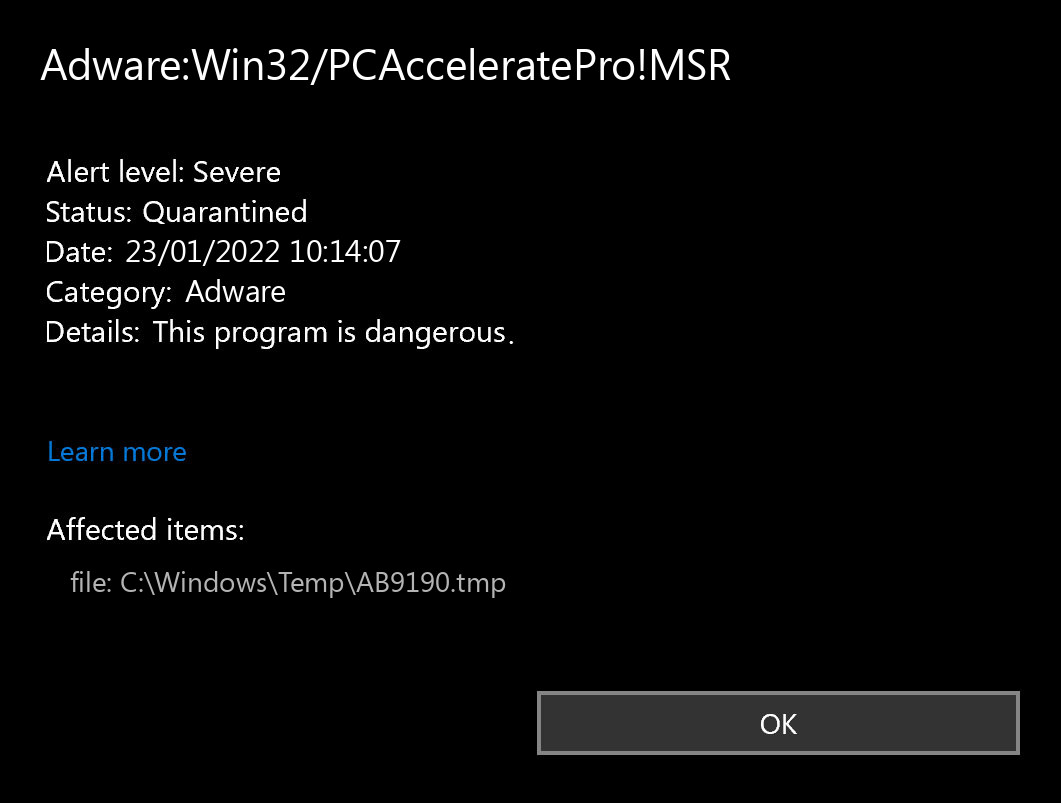
Microsoft Defender: “Adware:Win32/PCAcceleratePro!MSR”
The exact Adware:Win32/PCAcceleratePro!MSR malware is a really unpleasant thing. This malware shows you a marvelous quantity of commercials. Have you ever visited the doorway sites? They are filled only with banners – blinking, improperly designed, and with strange information. Adware does the equivalent thing to all pages you explore. That malware brings money to its developers in a really tricky manner. You see the banners – they get money. Moreover, these banners sometimes include deceptive and explicit content. Penis enlargement, porn websites ads, Microsoft virus alerts – all these things are usual for adware.
Adware Summary:
| Name | PCAcceleratePro!MSR Adware |
| Detection | Adware:Win32/PCAcceleratePro!MSR |
| Damage | PC Accelerate Pro is a fake optimization program that tricks users into buying a subscription, collects user information. |
| Similar | Toperes Pro, Dating Universe Top, Noddenknow Popup, Silverline Updates Removal, Goldline Updates Removal, Launchcompletelyswiftthefile Vip, Longpink Shop, Ledconsideu Popup |
| Fix Tool | See If Your System Has Been Affected by PCAcceleratePro!MSR adware |
Is Adware:Win32/PCAcceleratePro!MSR dangerous?
How did I get this virus?
It is not easy to trace the origins of malware on your computer. Nowadays, things are mixed up, and distribution methods utilized by adware 5 years ago can be used by spyware nowadays. However, if we abstract from the exact distribution tactic and will think about why it works, the answer will be pretty basic – low level of cybersecurity understanding. Individuals press on promotions on odd websites, click the pop-ups they receive in their browsers, call the “Microsoft tech support” assuming that the scary banner that says about malware is true. It is necessary to recognize what is legit – to avoid misconceptions when attempting to identify a virus.
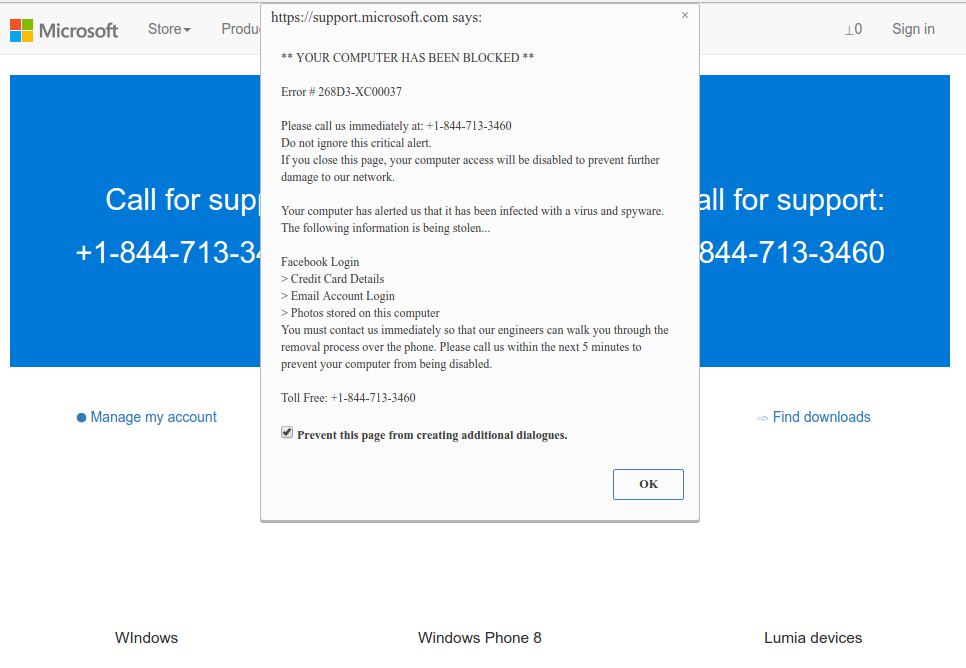
Microsoft Tech Support Scam
Nowadays, there are two of the most extensive methods of malware spreading – lure emails and injection into a hacked program. While the first one is not so easy to avoid – you should know a lot to recognize a counterfeit – the second one is easy to handle: just don’t utilize cracked programs. Torrent-trackers and various other sources of “totally free” applications (which are, exactly, paid, but with a disabled license checking) are just a giveaway place of malware. And Adware:Win32/PCAcceleratePro!MSR is simply amongst them.
How to remove the Adware:Win32/PCAcceleratePro!MSR from my PC?
Reset Browser settings after the adware attack
Adware makes a lot to keep annoying you even after being removed from your computer. It distorts the browser configurations, so it will not work correctly. Until you reset it, of course. Each browser has its own way to restore the default settings. Here are the guides for the most popular ones:
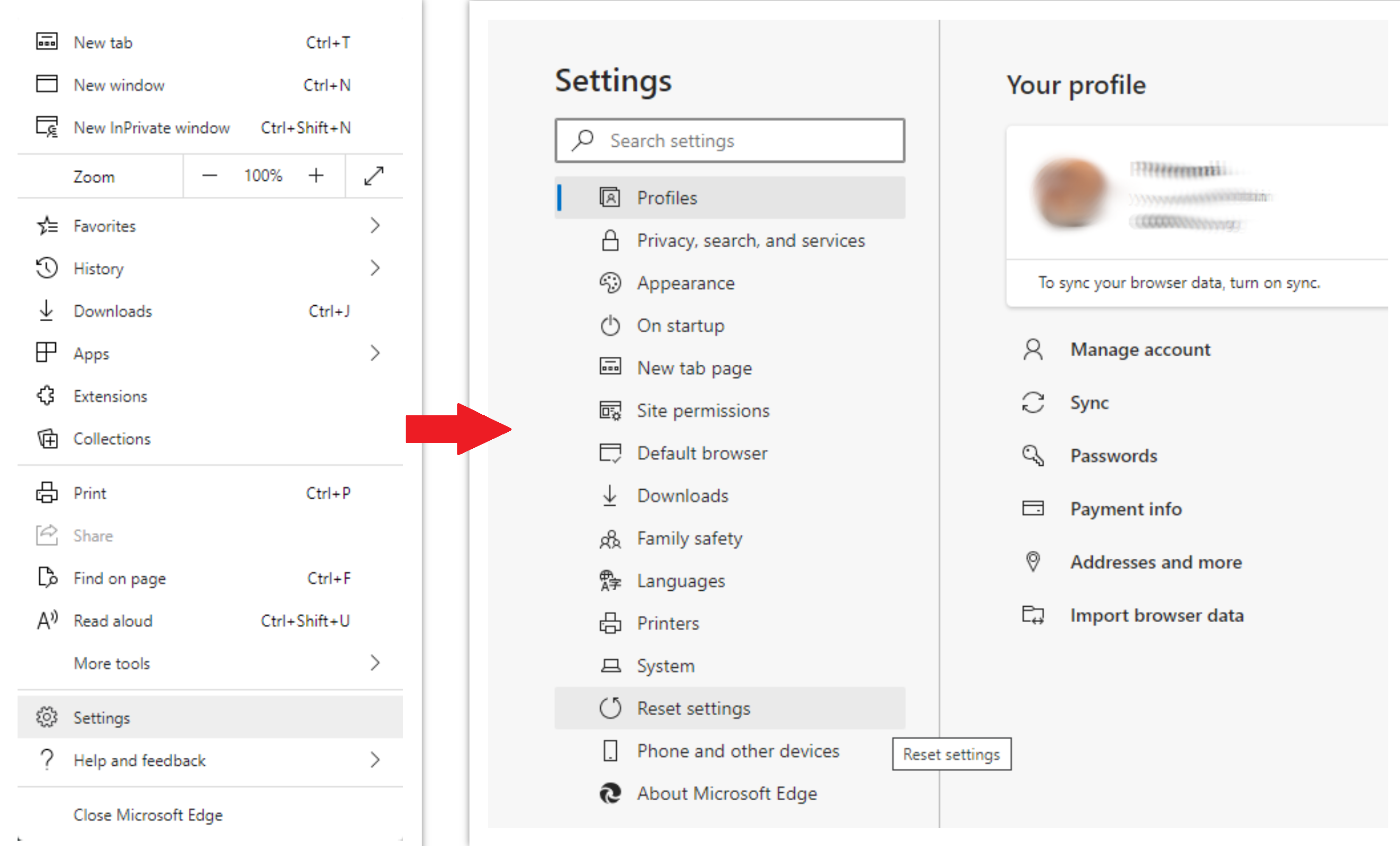
To reset Edge, do the following steps :
- Open “Settings and more” tab in upper right corner, then find here “Settings” button. In the appeared menu, choose “Reset settings” option :
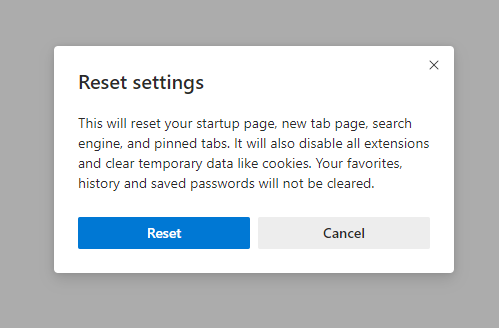
- After picking the Reset Settings option, you will see the following menu, stating about the settings which will be reverted to original :
For Mozilla Firefox, do the next actions :
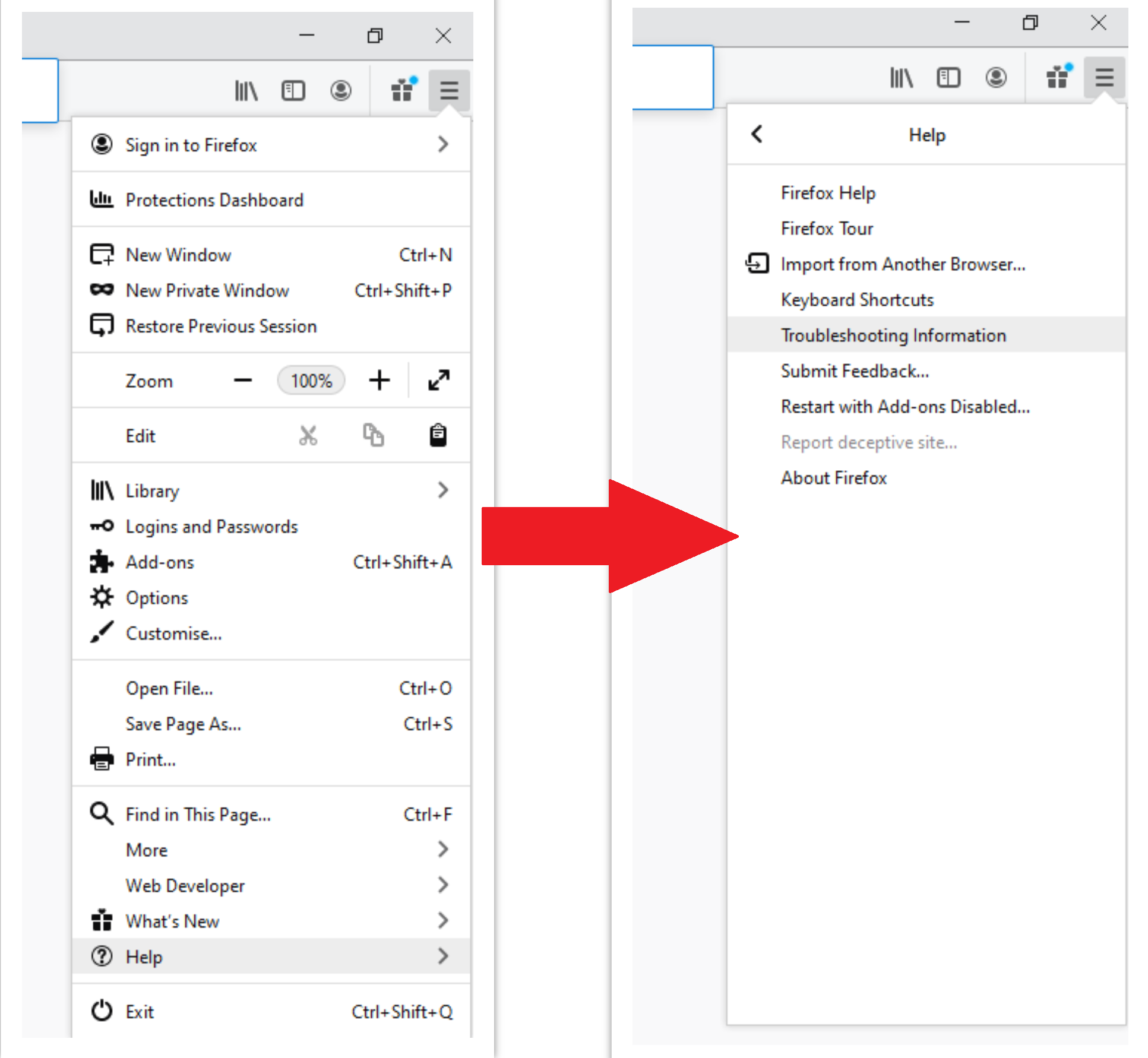
- Open Menu tab (three strips in upper right corner) and click the “Help” button. In the appeared menu choose “troubleshooting information” :
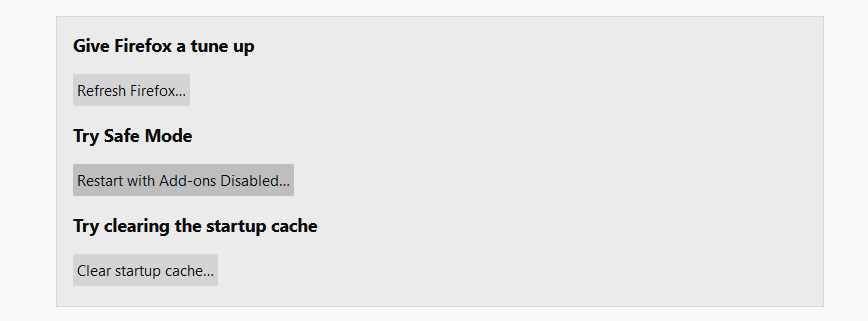
- In the next screen, find the “Refresh Firefox” option :
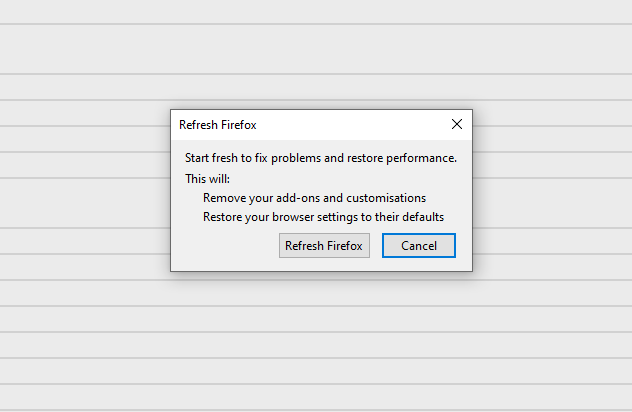
After choosing this option, you will see the next message :
If you use Google Chrome
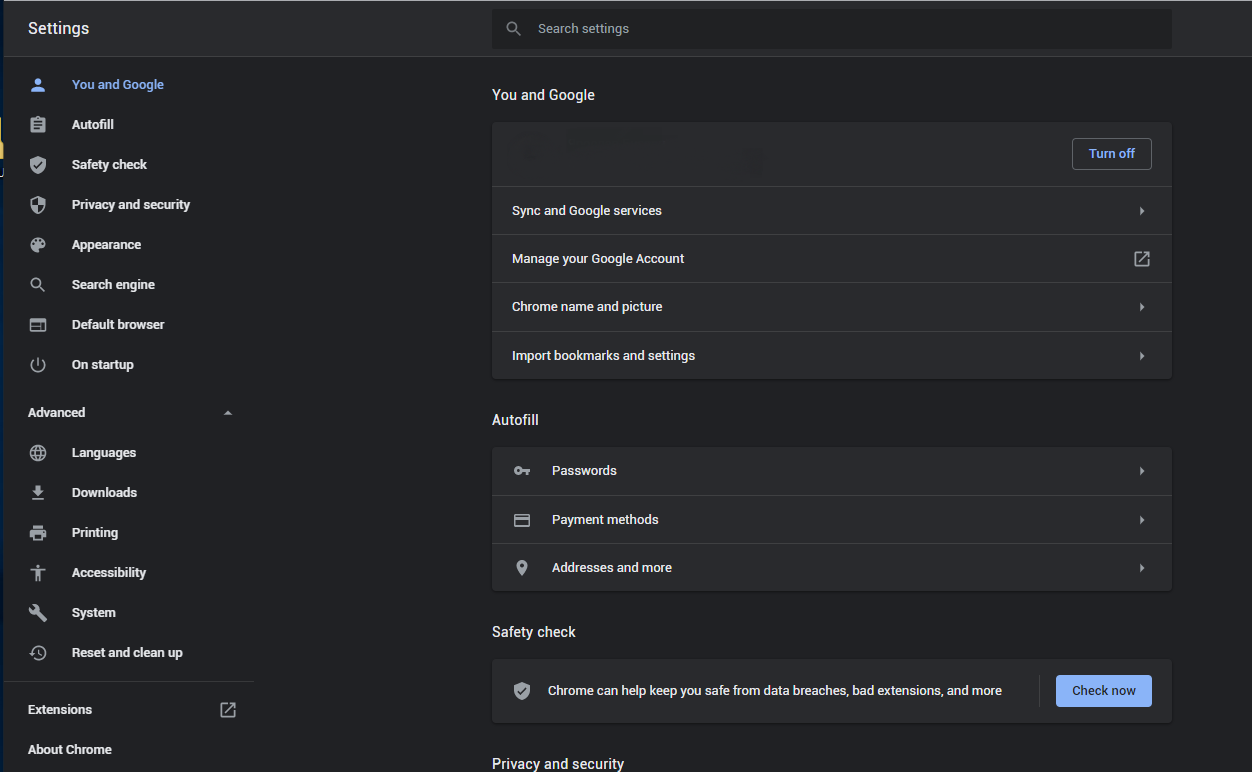
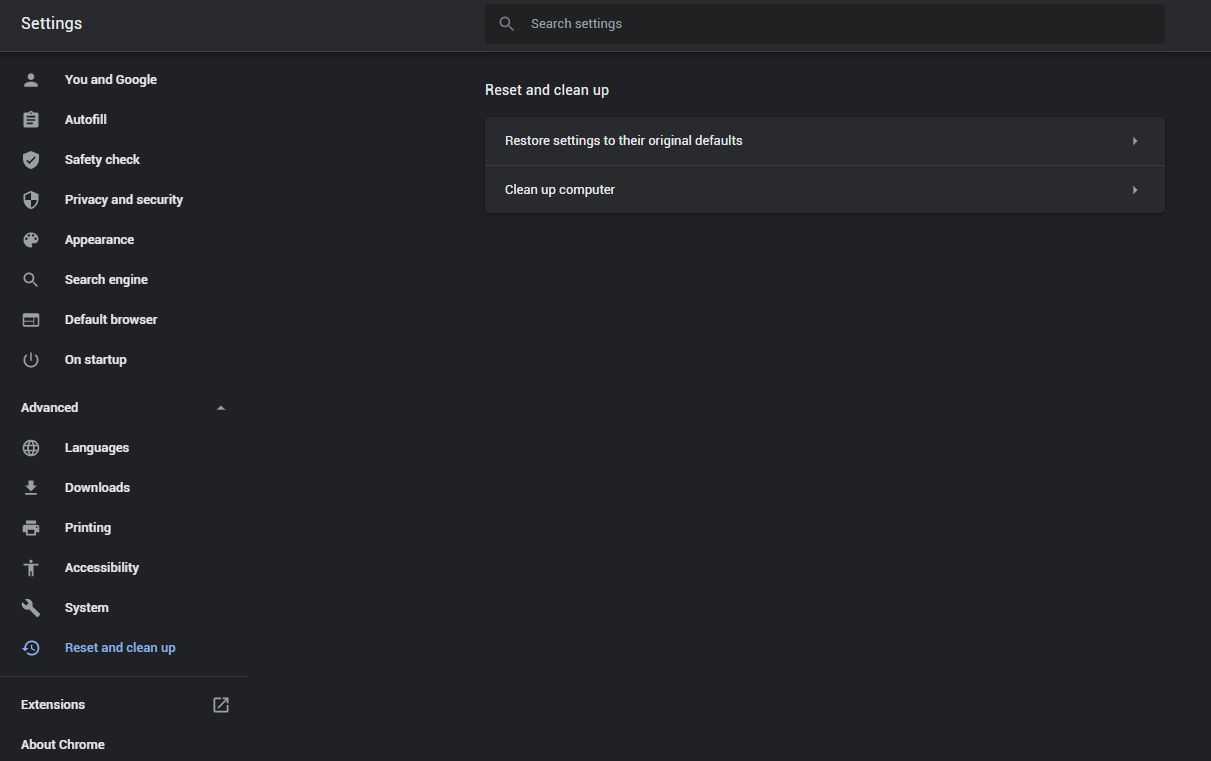
- Open Settings tab, find the “Advanced” button. In the extended tab choose the “Reset and clean up” button :
- In the appeared list, click on the “Restore settings to their original defaults” :
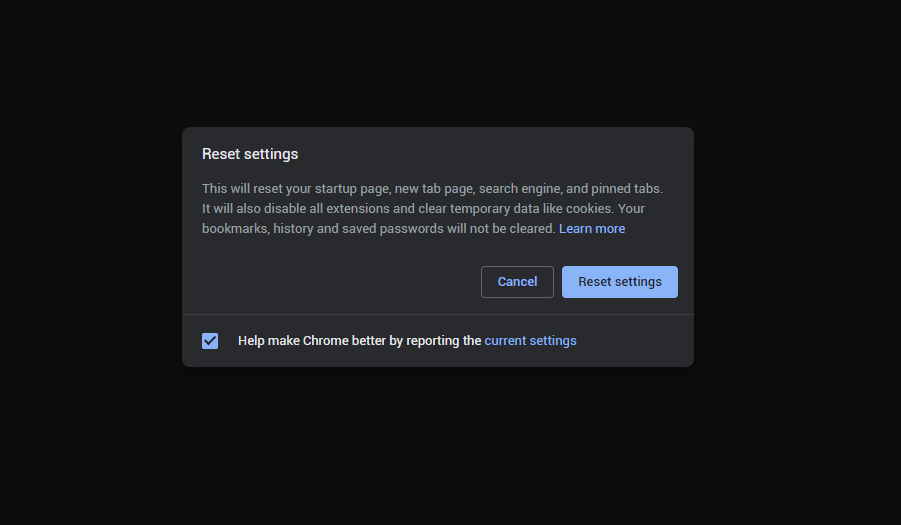
- Finally, you will see the window, where you can see all the settings which will be reset to default :
Opera can be reset in the next way
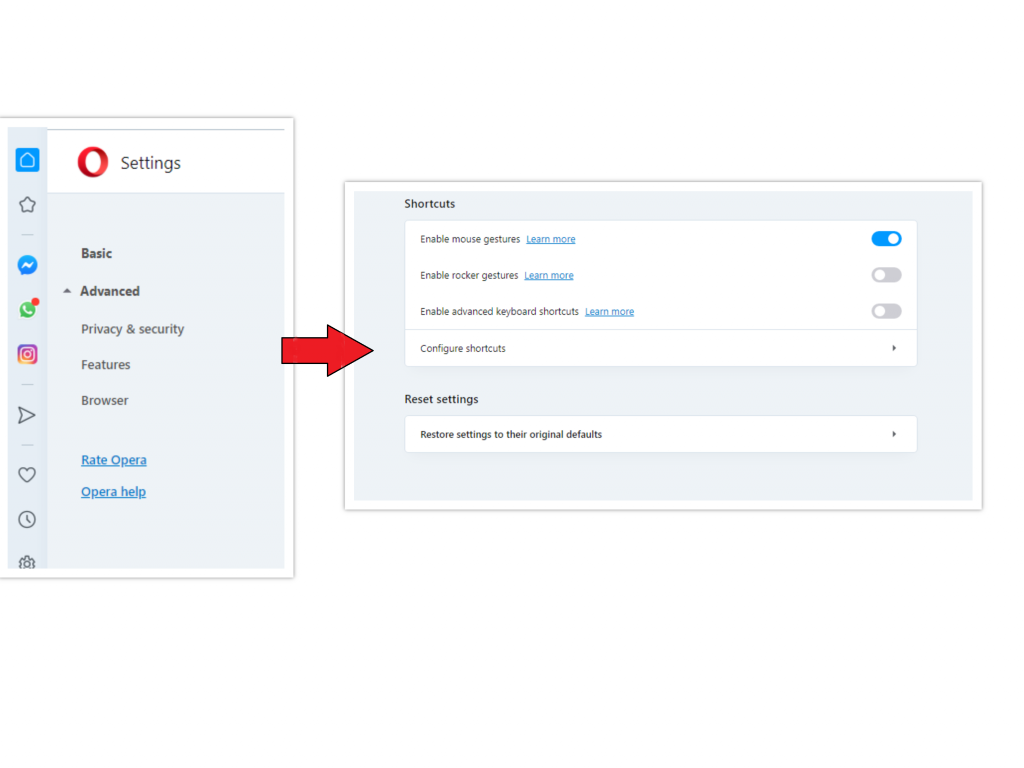
- Open Settings menu by pressing the gear icon in the toolbar (left side of the browser window), then click “Advanced” option, and choose “Browser” button in the drop-down list. Scroll down, to the bottom of the settings menu. Find there “Restore settings to their original defaults” option :
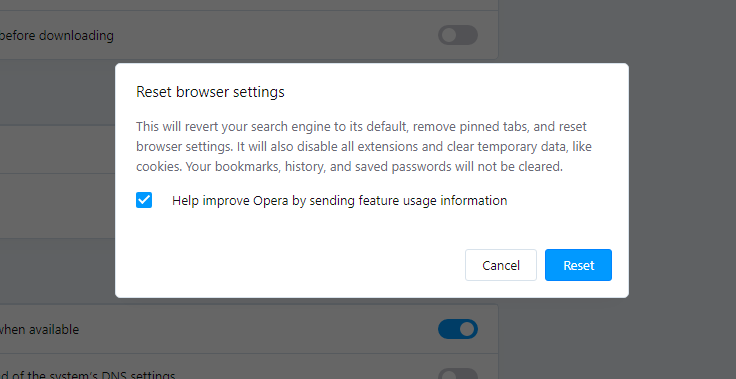
- After clicking the “Restore settings…” button, you will see the window, where all settings, which will be reset, are shown :
When the browsers are reset, you need to make sure that your browser will be connected the proper DNS while connecting to the web page you need. Make a text file named “hosts” on your desktop, after that open it and fill it with the following content2:
# Copyright (c) 1993-2006 Microsoft Corp.

#

# This is a sample HOSTS file used by Microsoft TCP/IP for Windows.

#

# This file contains the mappings of IP addresses to host names. Each

# entry should be kept on an individual line. The IP address should

# be placed in the first column followed by the corresponding host name.

# The IP address and the host name should be separated by at least one

# space.

#

# Additionally, comments (such as these) may be inserted on individual

# lines or following the machine name denoted by a '#' symbol.

#

# For example:

#

# 102.54.94.97 rhino.acme.com # source server

# 38.25.63.10 x.acme.com # x client host

# localhost name resolution is handle within DNS itself.

# 127.0.0.1 localhost

# ::1 localhost
Find the hosts.txt file in C:/Windows/System32/drivers/etc directory. Rename this file to “hosts.old.txt” (to distinguish it from the new one), and then move the file you created on the desktop to this folder. Remove the hosts.old from this folder. Now you have your hosts file as good as new.
References
- Official Microsoft guide for hosts file reset.


Leave a Comment