
If you see the message reporting that the Worm:Win32/Brontok@mm was identified on your Windows PC, or in times when your computer works too slowly and also provides you a lot of frustrations, you definitely comprise your mind to scan it for Brontok as well as tidy it in an appropriate technique. Today I will explain to you exactly how to do it.
Most of Brontok are used to make a profit on you. The criminals elaborate the range of risky programs to swipe your bank card information, online banking qualifications, and also various other information for fraudulent purposes.
Threat Summary:
| Name | Brontok Worm |
| Detection | Worm:Win32/Brontok@mm |
| Details | When Brontok is first run, it copies itself to the user’s application data directory. It disables the Windows Registry Editor (regedit.exe) and modifies Windows Explorer settings. It removes the option of “Folder Options” in the Tools menu so that the hidden files, where it is concealed, are not easily accessible to the user. It also turns off Windows firewall. In some variants, when a window is found containing certain strings (such as -application data-) in the window title, the computer reboots. User frustration also occurs when an address typed into Windows Explorer is blanked out before completion. Using its own mailing engine, it sends itself to email addresses it finds on the computer, even faking the own user’s email address as the sender. |
Kinds of viruses that were well-spread 10 years ago are no longer the resource of the problem. Currently, the trouble is much more evident in the areas of blackmail or spyware. The obstacle of taking care of these problems needs different tools and also new techniques.
Does your antivirus regularly report about the “Brontok”?
If you have seen a message indicating the “Worm:Win32/Brontok@mm found”, then it’s an item of great information! The virus “Worm:Win32/Brontok@mm” was discovered and, more than likely, removed. Such messages do not imply that there was an actually energetic Brontok on your tool. You might have just downloaded a data that contained Worm:Win32/Brontok@mm, so your anti-virus software instantly removed it prior to it being released as well as caused the troubles. Alternatively, the destructive manuscript on the infected website can have been found and protected against before creating any kind of trouble.
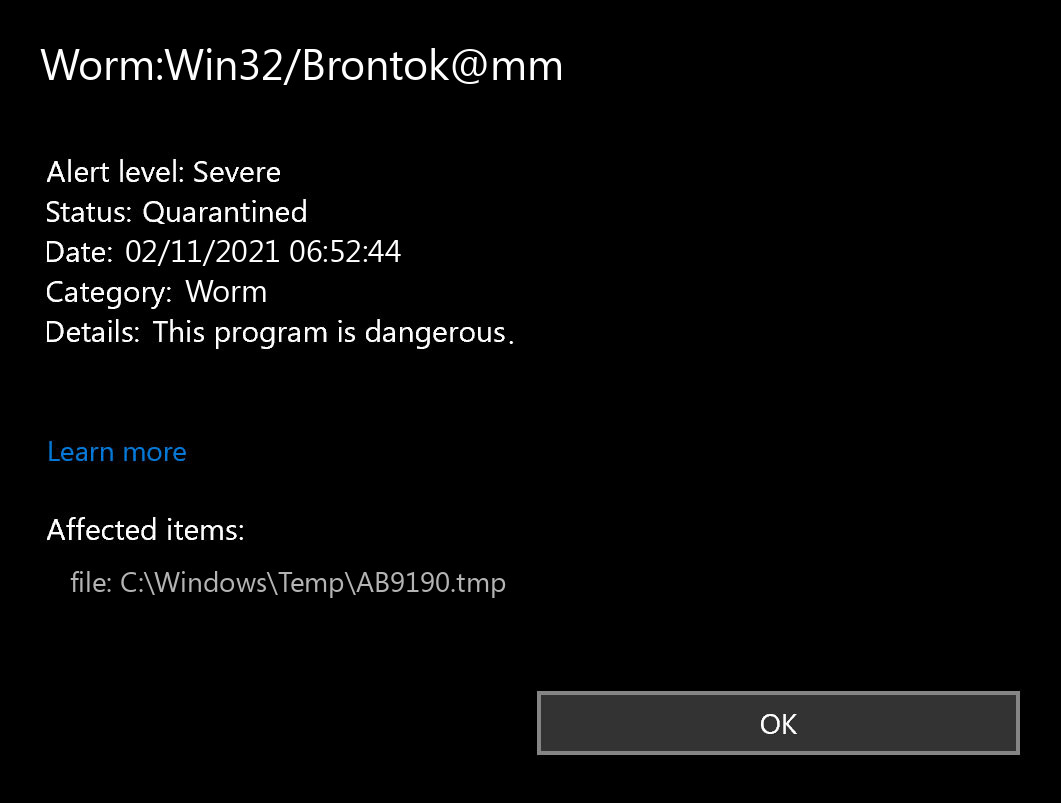
Microsoft Defender: “Worm:Win32/Brontok@mm”
In other words, the message “Worm:Win32/Brontok@mm Found” throughout the typical use of your computer does not imply that the Brontok has actually completed its goal. If you see such a message after that maybe the proof of you checking out the contaminated page or filling the destructive file. Attempt to avoid it in the future, but don’t fret too much. Trying out opening the antivirus program as well as inspecting the Worm:Win32/Brontok@mm discovery log file. This will certainly provide you even more info concerning what the precise Brontok was detected and also what was especially done by your antivirus software application with it. Certainly, if you’re not positive sufficient, refer to the manual check– anyway, this will certainly be handy.
How to scan for malware, spyware, ransomware, adware, and other threats.
If your system operates in a very lagging way, the website open in an odd way, or if you see ads in places you’ve never anticipated, it’s feasible that your computer got contaminated and also the infection is currently active. Spyware will certainly track all your activities or reroute your search or home pages to the areas you do not wish to visit. Adware may infect your browser and also even the entire Windows OS, whereas the ransomware will attempt to block your computer and also require an incredible ransom amount for your own documents.
How to scan your PC for Worm:Win32/Brontok@mm?
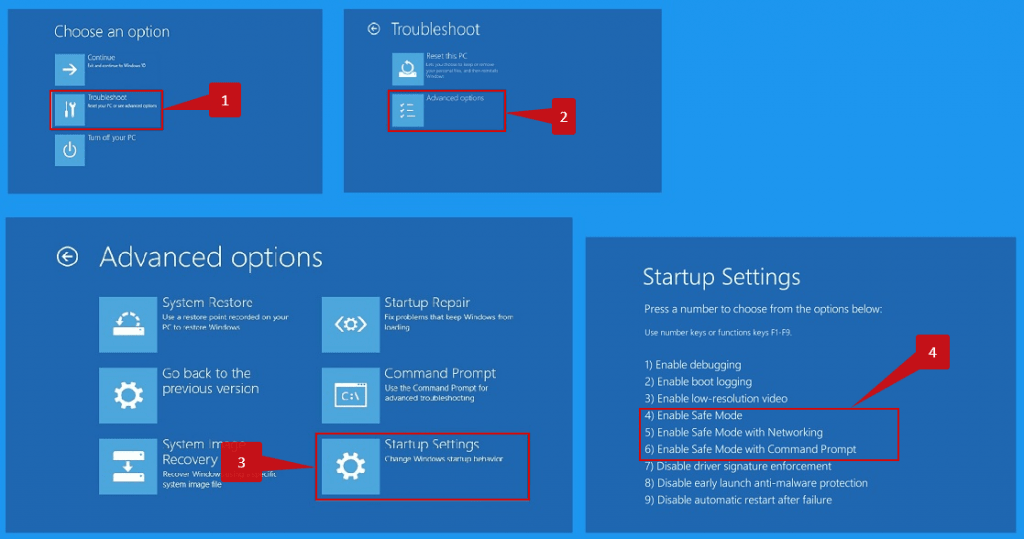
Use Safe Mode to fix the most complex Worm:Win32/Brontok@mm issues.
It’s not adequate to just use the antivirus for the safety of your system. You require to have a more thorough antivirus app. Not all malware can be detected by typical antivirus scanners that mainly try to find virus-type hazards. Your computer may be full of “junk”, as an example, toolbars, internet browser plugins, questionable online search engines, bitcoin-miners, and various other types of unwanted software used for earning money on your lack of experience. Beware while downloading software on the internet to stop your gadget from being filled with unwanted toolbars as well as various other scrap information.


Leave a Comment