
Winring0x64.sys is a system process that functions as a Windows real-mode driver. However, if this process is overloaded on the CPU, it could be a sign of a miner infection.
The WinRing0x64.sys file is part of a Trojan Horse that uses the infected computer’s resources to mine for cryptocurrency without user permission. This Trojan Miner uses the WinRing0x64.sys driver to facilitate the deepest hardware access possible.
Symptoms of WinRing0x64.sys CPU Miner infection
- Programs don’t launch as quickly.
- A single process in Task Manager consumes all CPU and GPU power/li>
- General slowness when using the PC.
- Windows minimize and maximize slowly, and programs run slower.
- Cooling fans are running at high speed and create a lot of noise
- Microsoft Defender is stopped
How to remove the Winring0x64.sys miner from my PC?
Reset Settings of Your Web Browsers
Malicious programs often use web browsers as a disguise for their activity. You can notice that your browser opens without your command or uses way too much CPU power. This is most likely due to the infection that affects both browsers and Winring0x64.sys. Resetting browser settings will fix that.
You may see the list of options for each browser. By default, they are set up in a manner that fits the majority of users. Press the “Reset” button (lower right corner). In a minute your browser will be as good as new.
Reset your browsers manually
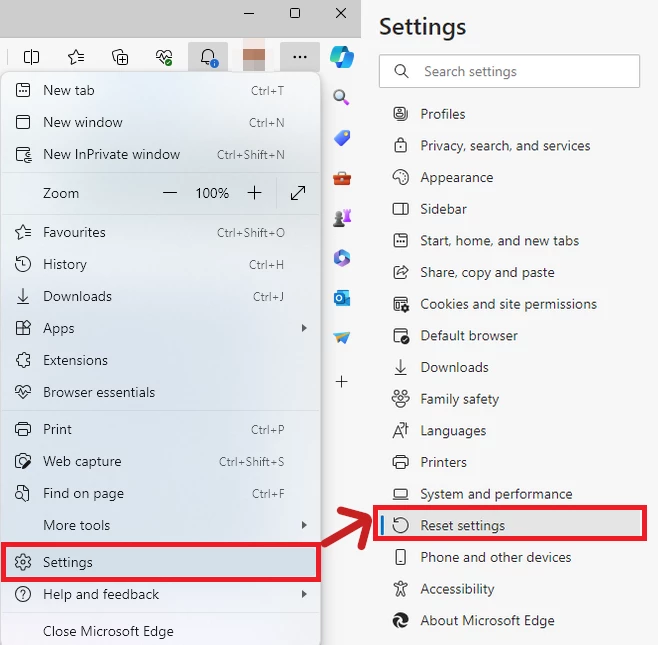
To reset Edge, do the following steps:
- Open “Settings and more” tab in upper right corner, then find here “Settings” button. In the left bar of the appeared menu, choose “Reset settings” option:
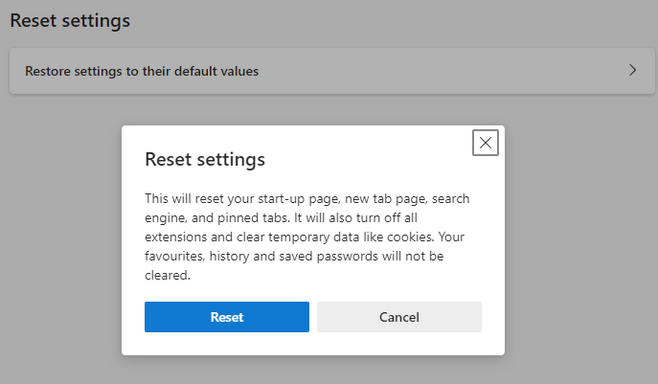
- After picking the Reset Settings option, you will see the following menu, stating the settings which will be reverted to the original:
For Mozilla Firefox, do the next actions:
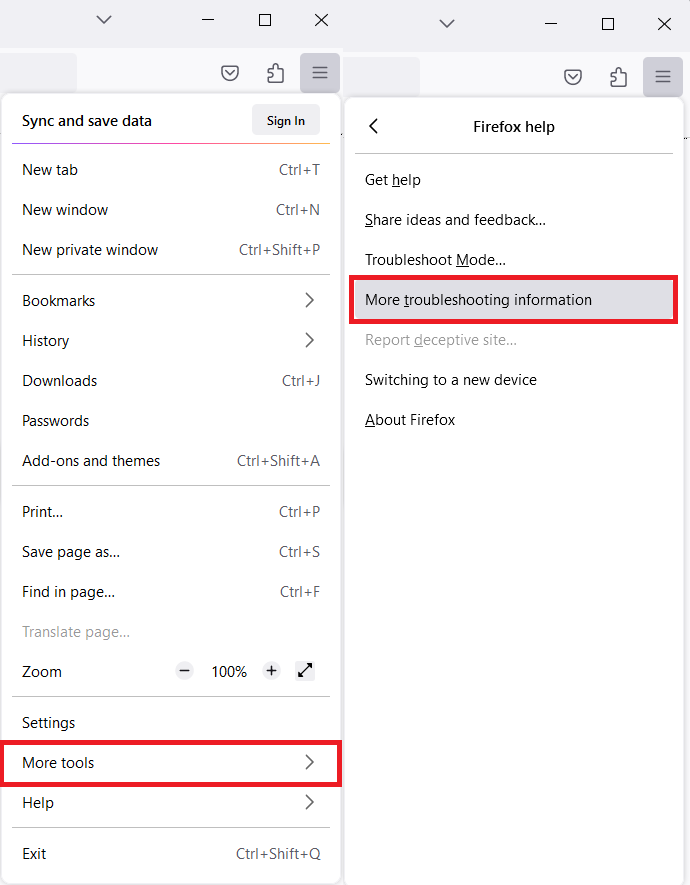
- Open Menu tab (three strips in the upper right corner) and click the “Help” button. In the appeared menu choose “More troubleshooting information”:
- In the next screen, find the “Refresh Firefox” option:
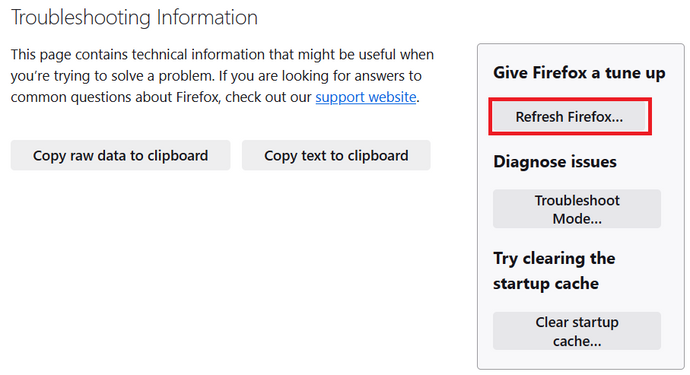
After choosing this option, you will see the warning message. Confirm the reset by pressing “Refresh Firefox”.
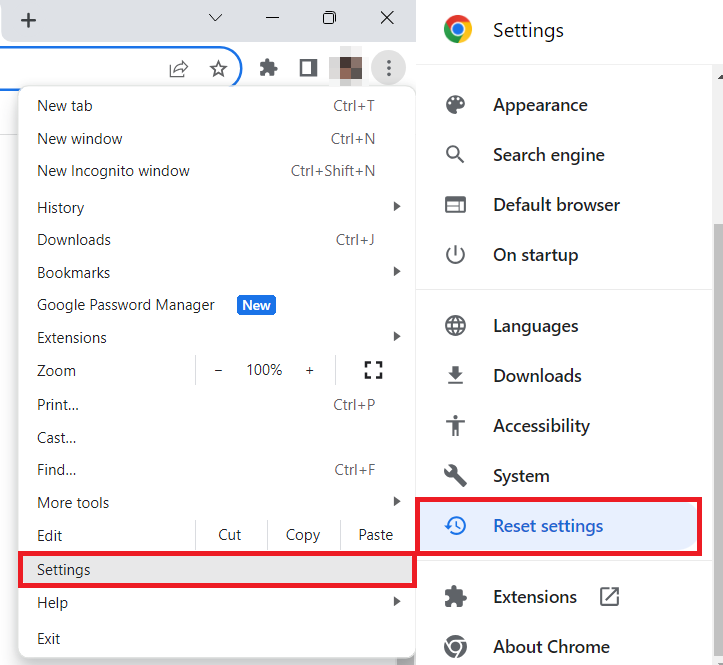
If you use Google Chrome
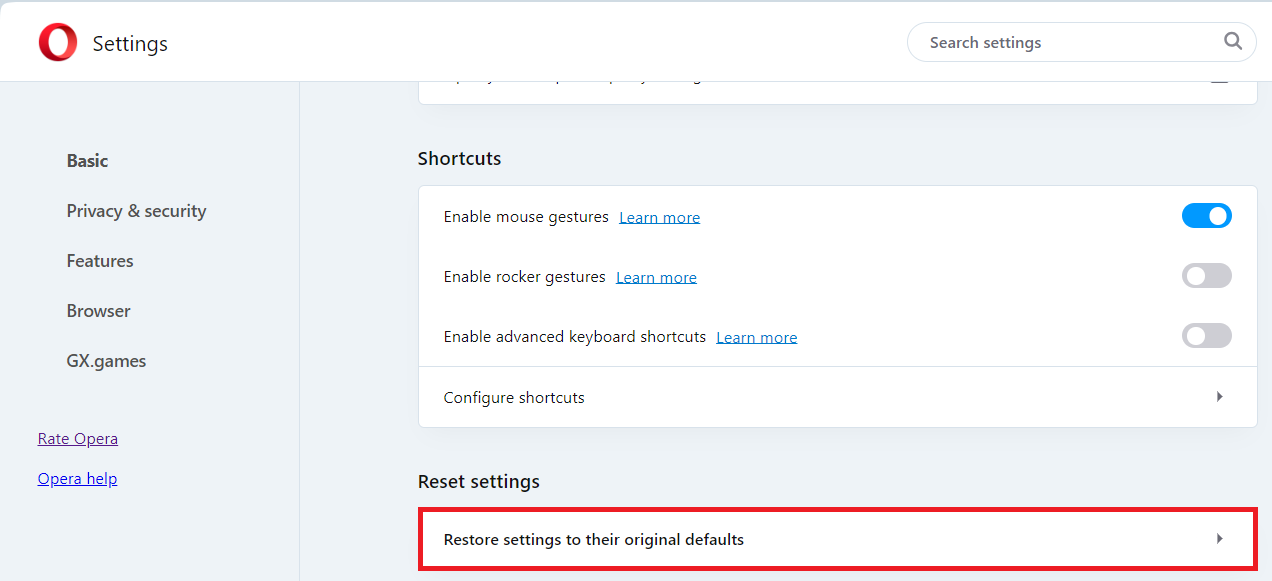
- Open Settings tab, and look for the “Reset Settings”:
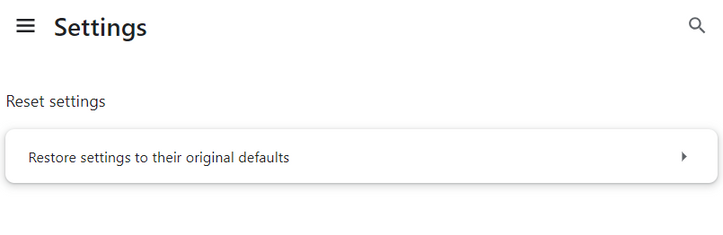
- In the appeared tab, click on the only option available – “Restore settings to their original defaults”:
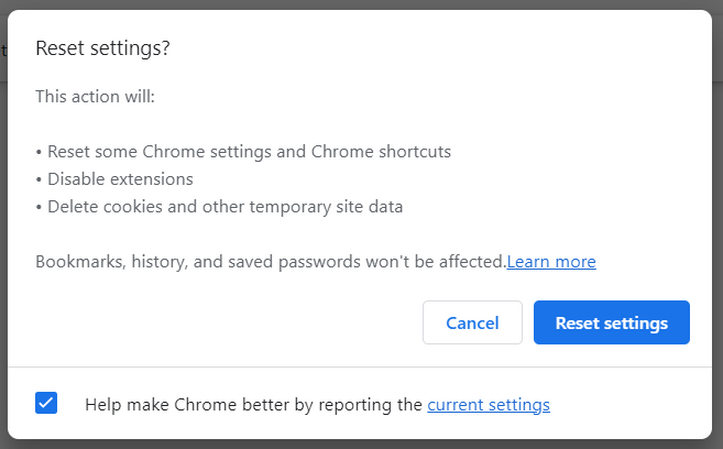
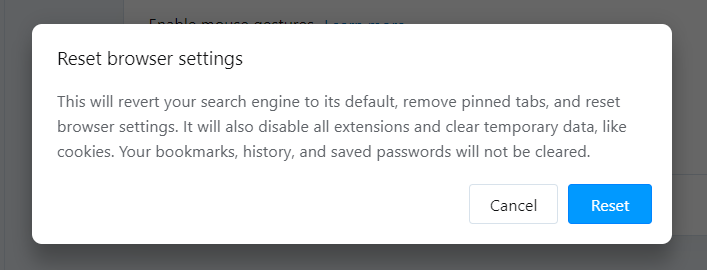
- Confirm the reset by pressing the Reset Settings button in the appeared window:
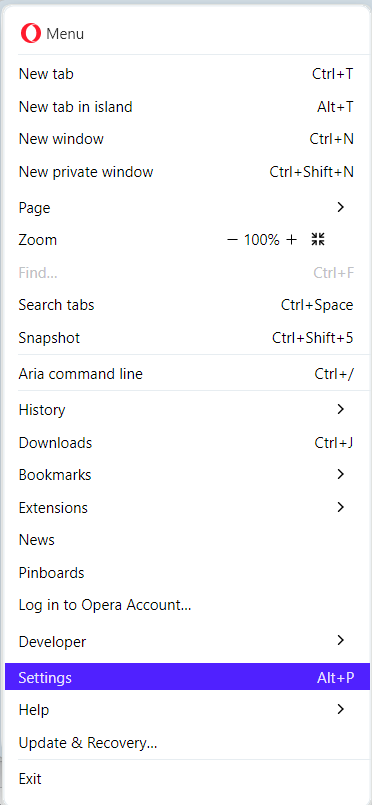
Opera can be reset in the next way
- Click the Opera icon in the top left corner, then go for the Settings in the drop-down menu:
- There, scroll down, until you see the Advanced button. Click it, and scroll down to the end, again. You will see the “Reset settings to their original defaults” option.
- Confirm the reset by clicking the Reset button in the pop-up window.
When the browsers are reset, you need to ensure that your browser will connect the right DNS while connecting to the web page you need. Create a text file titled “hosts” on your PC’s desktop, then open it and fill it with the following lines1:
# Copyright (c) 1993-2006 Microsoft Corp.

#

# This is a sample HOSTS file used by Microsoft TCP/IP for Windows.

#

# This file contains the mappings of IP addresses to host names. Each

# entry should be kept on an individual line. The IP address should

# be placed in the first column followed by the corresponding host name.

# The IP address and the host name should be separated by at least one

# space.

#

# Additionally, comments (such as these) may be inserted on individual

# lines or following the machine name denoted by a '#' symbol.

#

# For example:

#

# 102.54.94.97 rhino.acme.com # source server

# 38.25.63.10 x.acme.com # x client host

# localhost name resolution is handled within DNS itself.

# 127.0.0.1 localhost

# ::1 localhost
References
- Official Microsoft guide for hosts file reset.



Leave a Comment