
What is VirTool:Win32/CeeInject.MY!bit infection?
In this post you will discover about the meaning of VirTool:Win32/CeeInject.MY!bit and its adverse influence on your computer system. Such ransomware are a type of malware that is clarified by on-line frauds to require paying the ransom money by a target.
Most of the instances, VirTool:Win32/CeeInject.MY!bit infection will certainly instruct its sufferers to start funds transfer for the objective of counteracting the amendments that the Trojan infection has presented to the sufferer’s device.
VirTool:Win32/CeeInject.MY!bit Summary
These adjustments can be as follows:
- Network activity detected but not expressed in API logs. Microsoft built an API solution right into its Windows operating system it reveals network activity for all apps and programs that ran on the computer in the past 30-days. This malware hides network activity.
- Ciphering the files located on the sufferer’s hard drive — so the sufferer can no longer use the information;
- Preventing regular accessibility to the sufferer’s workstation;
VirTool:Win32/CeeInject.MY!bit
One of the most common networks where VirTool:Win32/CeeInject.MY!bit Trojans are injected are:
- By ways of phishing e-mails;
- As a consequence of user ending up on a source that hosts a destructive software application;
As soon as the Trojan is effectively infused, it will certainly either cipher the information on the target’s PC or stop the tool from functioning in a correct way – while likewise placing a ransom note that points out the requirement for the sufferers to impact the settlement for the function of decrypting the papers or restoring the documents system back to the first problem. In a lot of circumstances, the ransom note will come up when the client restarts the COMPUTER after the system has actually already been harmed.
VirTool:Win32/CeeInject.MY!bit distribution networks.
In different edges of the globe, VirTool:Win32/CeeInject.MY!bit expands by jumps as well as bounds. Nonetheless, the ransom notes and also techniques of extorting the ransom money quantity might vary depending on particular regional (local) settings. The ransom notes and also methods of obtaining the ransom money amount may vary depending on certain local (regional) setups.
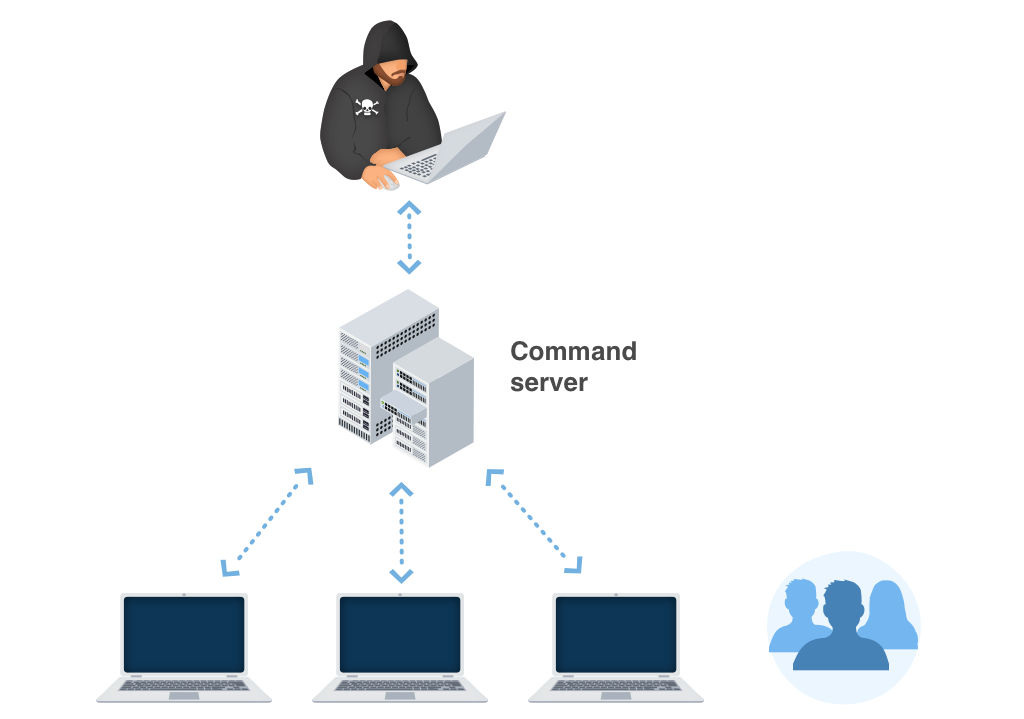
For example:
Faulty notifies concerning unlicensed software.
In specific locations, the Trojans frequently wrongfully report having actually spotted some unlicensed applications enabled on the sufferer’s device. The sharp then requires the customer to pay the ransom money.
Faulty declarations regarding unlawful content.
In countries where software piracy is much less popular, this technique is not as efficient for the cyber fraudulences. Alternatively, the VirTool:Win32/CeeInject.MY!bit popup alert might incorrectly assert to be deriving from a police organization and also will certainly report having situated kid pornography or other unlawful data on the tool.
VirTool:Win32/CeeInject.MY!bit popup alert may wrongly claim to be deriving from a regulation enforcement establishment and will report having situated child pornography or other prohibited data on the gadget. The alert will similarly have a need for the user to pay the ransom money.
Technical details
File Info:
crc32: DB553789md5: a46287760888dab5476925112bfcab1fname: A46287760888DAB5476925112BFCAB1F.mlwsha1: b08da132a1e0d74c45a8f89b737f1d8fa6cd5b65sha256: f914fd06845ad405c5ac7d2af71b8be27974c631449cd4c16a24f07f2dbb46cbsha512: 06c9d00531a9af39c32b24f7e1f49e1efbc6a835397b8ee2f0534582792748b69e134b27046da2b2db9e472db6834e55e09ad2ba76818636ef1a7ecf8c92a2e2ssdeep: 3072:FsX+De1pxSpeRNg7zdQofCdQVmAG4ri4hLML6FyGqmpk:FsuDeRSpebgHfaQVmAdrTI6FDtype: PE32 executable (GUI) Intel 80386, for MS WindowsVersion Info:
LegalCopyright: Copyright xa9 2012InternalName: java-rmiFileVersion: 7.0.40.20Full Version: 1.7.0_04-b20CompanyName: Oracle CorporationProductName: Java(TM) Platform SE 7 U4ProductVersion: 7.0.40.20FileDescription: Java(TM) Platform SE binaryOriginalFilename: java-rmi.exeTranslation: 0x0000 0x04b0
VirTool:Win32/CeeInject.MY!bit also known as:
| GridinSoft | Trojan.Ransom.Gen |
| Bkav | W32.AIDetectVM.malware1 |
| Elastic | malicious (high confidence) |
| MicroWorld-eScan | Trojan.Androm.Gen.1 |
| FireEye | Generic.mg.a46287760888dab5 |
| CAT-QuickHeal | Softwarebundler.Ogimant.ZZ4 |
| ALYac | Trojan.Androm.Gen.1 |
| Cylance | Unsafe |
| VIPRE | Trojan.Win32.Generic!BT |
| AegisLab | Trojan.Win32.Generic.4!c |
| Sangfor | Malware |
| K7AntiVirus | Riskware ( 0040eff71 ) |
| BitDefender | Trojan.Androm.Gen.1 |
| K7GW | Riskware ( 0040eff71 ) |
| Cybereason | malicious.60888d |
| Cyren | W32/Kryptik.CUI.gen!Eldorado |
| Symantec | Packed.Generic.459 |
| APEX | Malicious |
| Avast | Win32:Trojan-gen |
| ClamAV | Win.Trojan.CeeInject-6394235-0 |
| Kaspersky | UDS:DangerousObject.Multi.Generic |
| NANO-Antivirus | Trojan.Win32.Mentiger.evdtvh |
| Rising | Trojan.Crypto!8.364 (TFE:3:5RSg7GJUzVR) |
| Ad-Aware | Trojan.Androm.Gen.1 |
| Emsisoft | Trojan.Androm.Gen.1 (B) |
| Comodo | Malware@#1pot1avjudggo |
| F-Secure | Heuristic.HEUR/AGEN.1105910 |
| DrWeb | Trojan.Inject3.10554 |
| Zillya | Trojan.Kryptik.Win32.1490879 |
| TrendMicro | Ransom_CERBER.SMEJ1 |
| McAfee-GW-Edition | GenericRXDH-PS!A46287760888 |
| Sophos | Mal/Generic-S + Mal/Cerber-K |
| SentinelOne | Static AI – Malicious PE – Ransomware |
| Avira | HEUR/AGEN.1105910 |
| MAX | malware (ai score=100) |
| Antiy-AVL | Trojan[Packed]/Win32.Mentiger |
| Microsoft | VirTool:Win32/CeeInject.MY!bit |
| Arcabit | Trojan.Androm.Gen.1 |
| SUPERAntiSpyware | Trojan.Agent/Gen-Zusy |
| ZoneAlarm | UDS:DangerousObject.Multi.Generic |
| GData | Trojan.Androm.Gen.1 |
| Cynet | Malicious (score: 100) |
| AhnLab-V3 | Win-Trojan/Cerber.Gen |
| Acronis | suspicious |
| McAfee | GenericRXDH-PS!A46287760888 |
| Malwarebytes | Malware.AI.3368943620 |
| Panda | Trj/GdSda.A |
| ESET-NOD32 | a variant of Win32/Kryptik.FZJR |
| TrendMicro-HouseCall | Ransom_CERBER.SMEJ1 |
| Tencent | Malware.Win32.Gencirc.10b73b17 |
| Yandex | Trojan.GenAsa!ZS3pLbentq4 |
| Ikarus | Trojan.Win32.Crypt |
| Fortinet | W32/Kryptik.FSUS!tr |
| BitDefenderTheta | Gen:NN.ZexaF.34804.tq0@a4OjJUki |
| AVG | Win32:Trojan-gen |
| Paloalto | generic.ml |
| CrowdStrike | win/malicious_confidence_100% (D) |
| Qihoo-360 | Win32/Trojan.cd0 |
How to remove VirTool:Win32/CeeInject.MY!bit virus?
Unwanted application has ofter come with other viruses and spyware. This threats can steal account credentials, or crypt your documents for ransom.
Reasons why I would recommend GridinSoft1
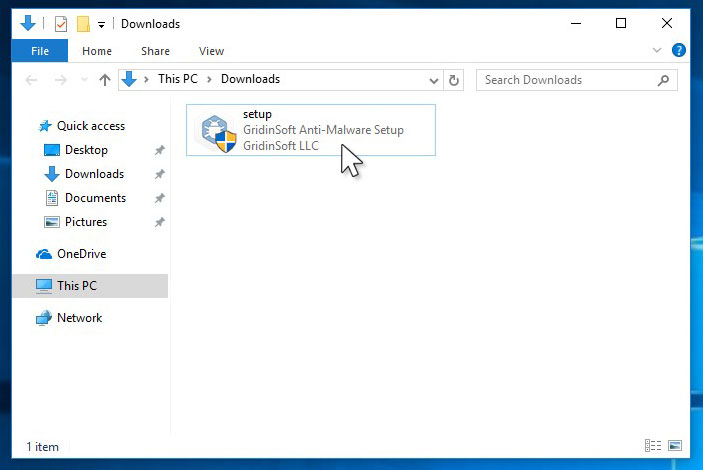
Run the setup file.
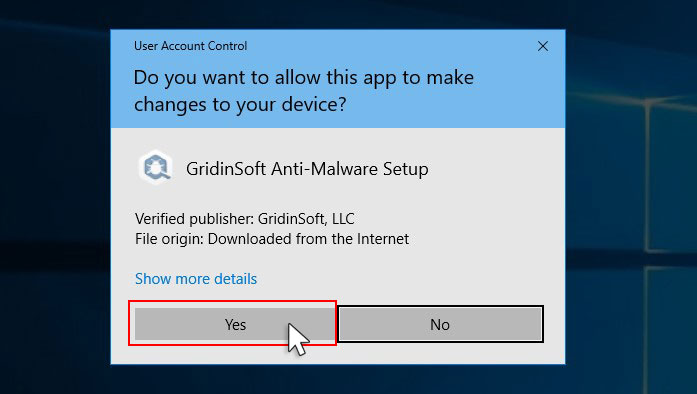
Press “Install” button.
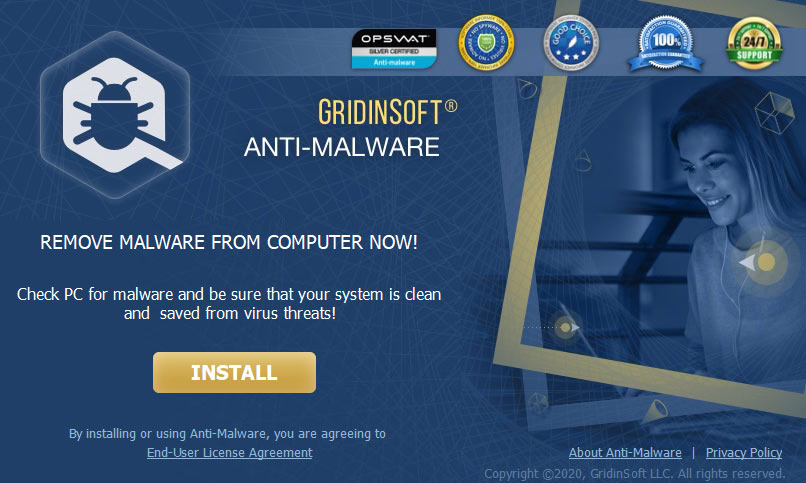
Once installed, Anti-Malware will automatically run.
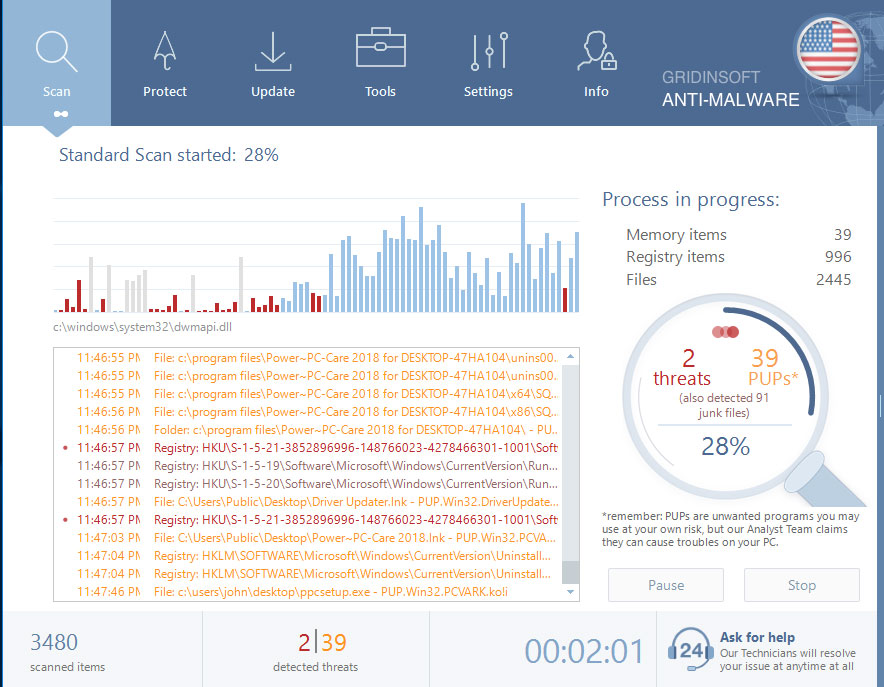
Wait for the Anti-Malware scan to complete.
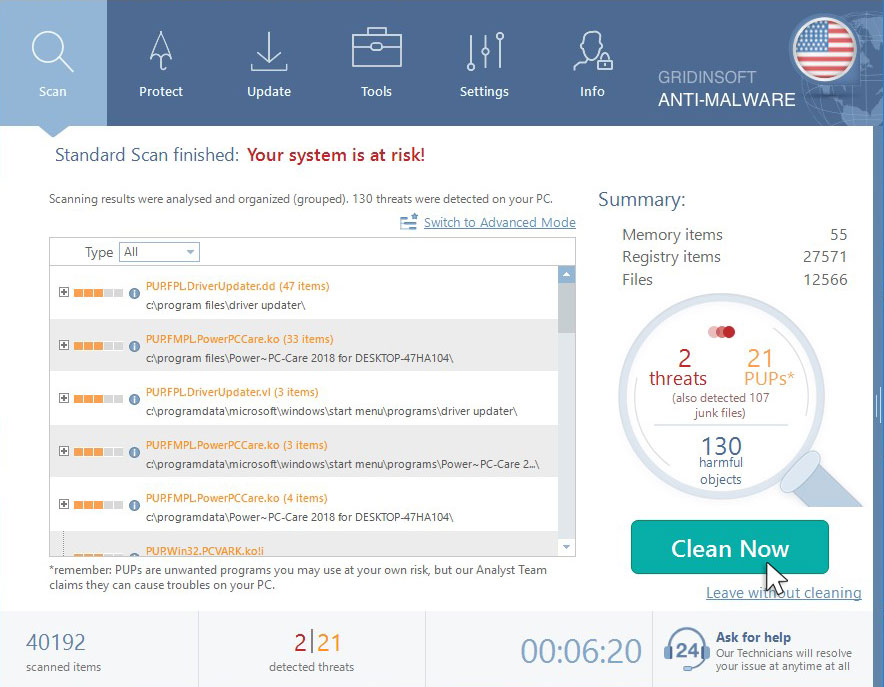
Click on “Clean Now”.
Are Your Protected?
If the guide doesn’t help you to remove VirTool:Win32/CeeInject.MY!bit you can always ask me in the comments for getting help.


Leave a Comment