
“VirTool:Win32/Obfuscator.XZ” is a classification used by Microsoft Defender to identify a potential threat that exhibits characteristics of a VirTool. VirTools are generally designed to obfuscate and hide the true intent or behavior of other malicious software. In this case, the “Obfuscator.XZ” variant suggests that the tool employs obfuscation techniques, possibly related to the compression format ‘XZ’, to disguise its presence and activities.
Behavioral Analysis
Our analysis indicates that “VirTool:Win32/Obfuscator.XZ” employs sophisticated obfuscation methods to make it difficult to reverse-engineer or analyze its code. This obfuscation could include encryption, packing, or code obfuscation techniques. The presence of such obfuscation implies an intent to evade detection and analysis by security tools.
Potential Impact
While “VirTool:Win32/Obfuscator.XZ” itself might not be directly malicious, it poses a risk due to its ability to facilitate other malicious activities. It could be used to package and deliver more harmful payloads, such as trojans, ransomware, or spyware. Its obfuscation techniques might hinder detection by traditional signature-based antivirus systems.
Detection and Mitigation
Microsoft Defender has implemented heuristics and behavioral analysis to detect the presence of “VirTool:Win32/Obfuscator.XZ”. While specific signatures might be difficult to generate due to the obfuscation, our advanced threat detection algorithms focus on identifying unusual patterns of behavior, such as attempts to modify system files, establish unauthorized network connections, or inject code into legitimate processes.
To mitigate the potential risks associated with “VirTool:Win32/Obfuscator.XZ”, we recommend:
- Keeping your operating system and security software up to date.
- Employing network security measures, such as firewalls and intrusion detection systems, to monitor unusual network activities.
- Regularly scanning your system using Microsoft Defender to identify and remove any potential threats.
- Avoiding downloading or running software from untrusted sources.
- Educating users about the risks of opening email attachments or clicking on suspicious links.
Most of Obfuscator.XZ are made use of to make a profit on you. The organized crime elaborates the range of unwanted programs to steal your credit card information, electronic banking credentials, and also various other information for fraudulent objectives.
Threat Summary:
| Threat Type | VirTool (Tool used for malicious purposes) |
| Detection Name | VirTool:Win32/Obfuscator.XZ |
| Level | Medium risk |
| Details | Obfuscator.XZ is a heuristic detection designed to detect a Trojan Virus generically. This malware is obfuscated and hidden. Obfuscator uses various methods, including encryption, compression, anti-debugging, and anti-emulation techniques, to hide its true purpose. |
Sorts of viruses that were well-spread 10 years ago are no more the source of the problem. Presently, the issue is a lot more obvious in the areas of blackmail or spyware. The challenge of repairing these concerns needs new solutions and different approaches.
Does your antivirus regularly report about the “Obfuscator.XZ”?
If you have actually seen a message suggesting the “VirTool:Win32/Obfuscator.XZ found”, then it’s an item of great news! The malware “VirTool:Win32/Obfuscator.XZ” was spotted and, most likely, deleted. Such messages do not indicate that there was an actually active Obfuscator.XZ on your tool. You could have just downloaded a data which contained VirTool:Win32/Obfuscator.XZ, so your anti-virus software application automatically removed it before it was launched and also created the difficulties. Alternatively, the malicious script on the contaminated web site might have been found as well as avoided prior to triggering any type of issues.
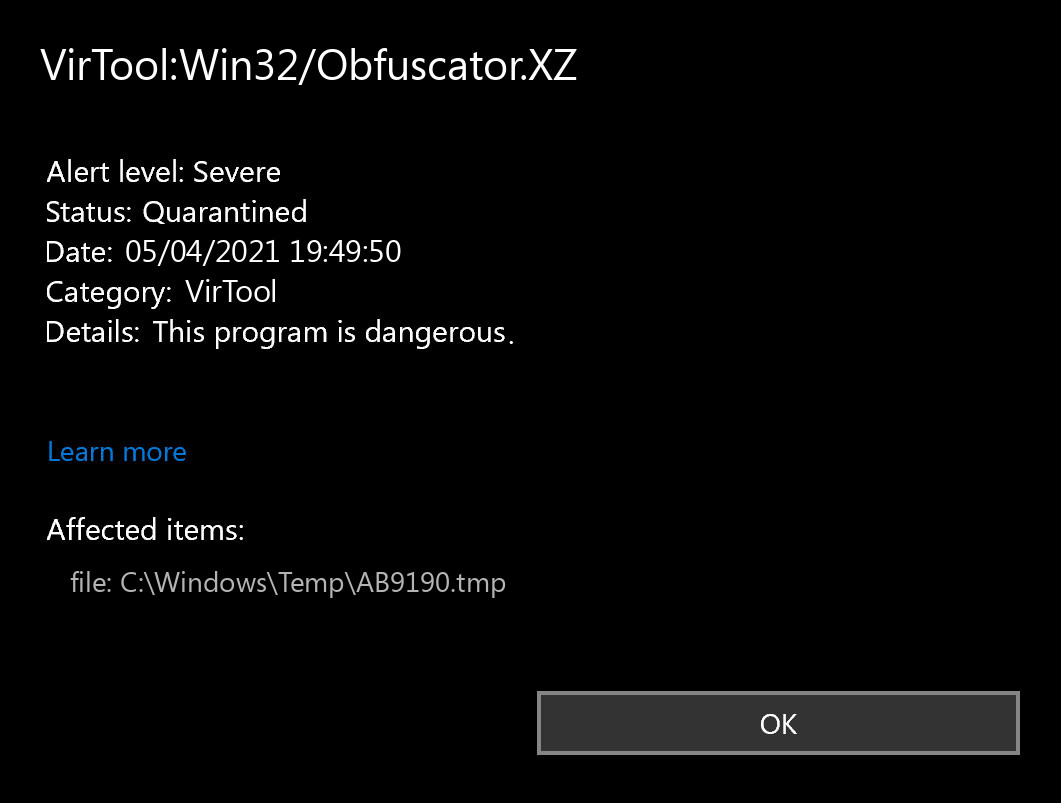
Microsoft Defender: “VirTool:Win32/Obfuscator.XZ”
To put it simply, the message “VirTool:Win32/Obfuscator.XZ Found” during the usual use your computer system does not suggest that the Obfuscator.XZ has completed its mission. If you see such a message then it could be the proof of you checking out the infected web page or packing the harmful documents. Attempt to prevent it in the future, but don’t fret too much. Try out opening up the antivirus program as well as checking the VirTool:Win32/Obfuscator.XZ detection log documents. This will certainly provide you even more info regarding what the specific Obfuscator.XZ was spotted and also what was specifically done by your anti-virus software application with it. Of course, if you’re not positive enough, describe the hands-on check– at any rate, this will be valuable.
How to scan for malware, spyware, ransomware, adware, and other threats.
If your computer works in an exceptionally sluggish means, the web pages open in an unusual manner, or if you see ads in places you’ve never anticipated, it’s feasible that your computer obtained infected as well as the infection is currently active. Spyware will track all your activities or reroute your search or web page to the places you do not intend to go to. Adware may contaminate your web browser and also the entire Windows OS, whereas the ransomware will certainly try to obstruct your system as well as require a significant ransom money quantity for your own documents.
How to scan your PC for VirTool:Win32/Obfuscator.XZ?
Use Safe Mode to fix the most complex VirTool:Win32/Obfuscator.XZ issues.
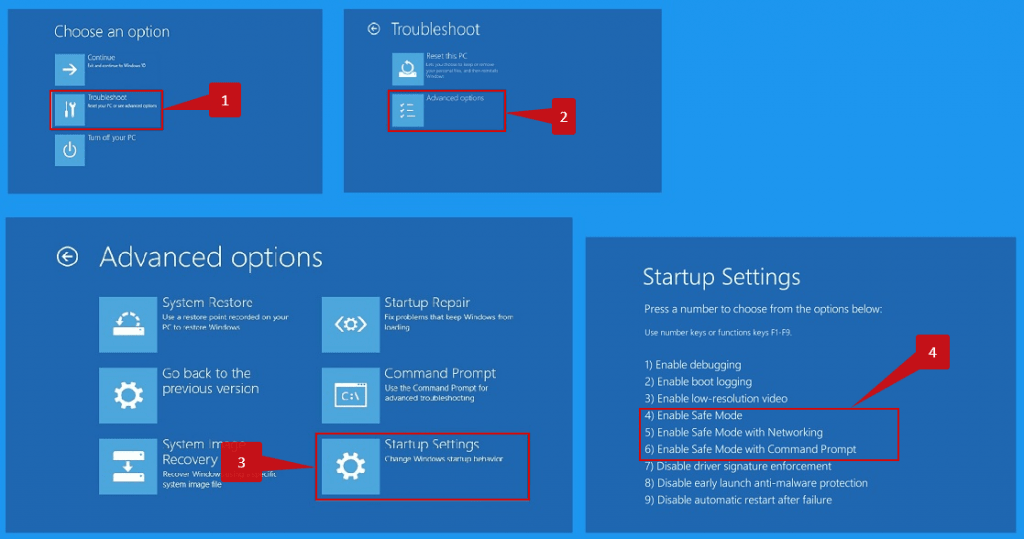
It’s not sufficient to merely use the antivirus for the safety and security of your device. You need to have much more extensive antivirus app. Not all malware can be found by regular antivirus scanners that largely try to find virus-type hazards. Your system might teem with “trash”, for example, toolbars, browser plugins, unethical search engines, bitcoin-miners, as well as various other kinds of unwanted programs used for earning money on your inexperience. Be cautious while downloading and install software on the web to stop your gadget from being filled with unwanted toolbars as well as various other scrap data.


Leave a Comment