
What is Trojan:Win32/Claretore.L infection?
In this short article you will find about the meaning of Trojan:Win32/Claretore.L and its unfavorable impact on your computer system. Such ransomware are a type of malware that is clarified by online frauds to demand paying the ransom money by a sufferer.
Most of the instances, Trojan:Win32/Claretore.L ransomware will certainly instruct its victims to launch funds move for the purpose of counteracting the amendments that the Trojan infection has presented to the sufferer’s tool.
Trojan:Win32/Claretore.L Summary
These alterations can be as follows:
- Executable code extraction;
- Injection with CreateRemoteThread in a remote process;
- Attempts to connect to a dead IP:Port (1 unique times);
- Creates RWX memory;
- Possible date expiration check, exits too soon after checking local time;
- The binary likely contains encrypted or compressed data.;
- Code injection with CreateRemoteThread in a remote process;
- A process attempted to delay the analysis task by a long amount of time.;
- Tries to unhook or modify Windows functions monitored by Cuckoo;
- Installs itself for autorun at Windows startup;
- Creates a hidden or system file;
- Exhibits behavior characteristics of Vawtrak / Neverquest malware.;
- Likely virus infection of existing system binary;
- Creates a copy of itself;
- Creates a slightly modified copy of itself;
- Collects information to fingerprint the system;
- Anomalous binary characteristics;
- Ciphering the papers found on the sufferer’s disk drive — so the victim can no longer utilize the information;
- Preventing routine accessibility to the sufferer’s workstation;
Related domains:
| z.whorecord.xyz | Gen:Variant.Ransom.GlobeImposter.28 |
| a.tomx.xyz | Gen:Variant.Ransom.GlobeImposter.28 |
Trojan:Win32/Claretore.L
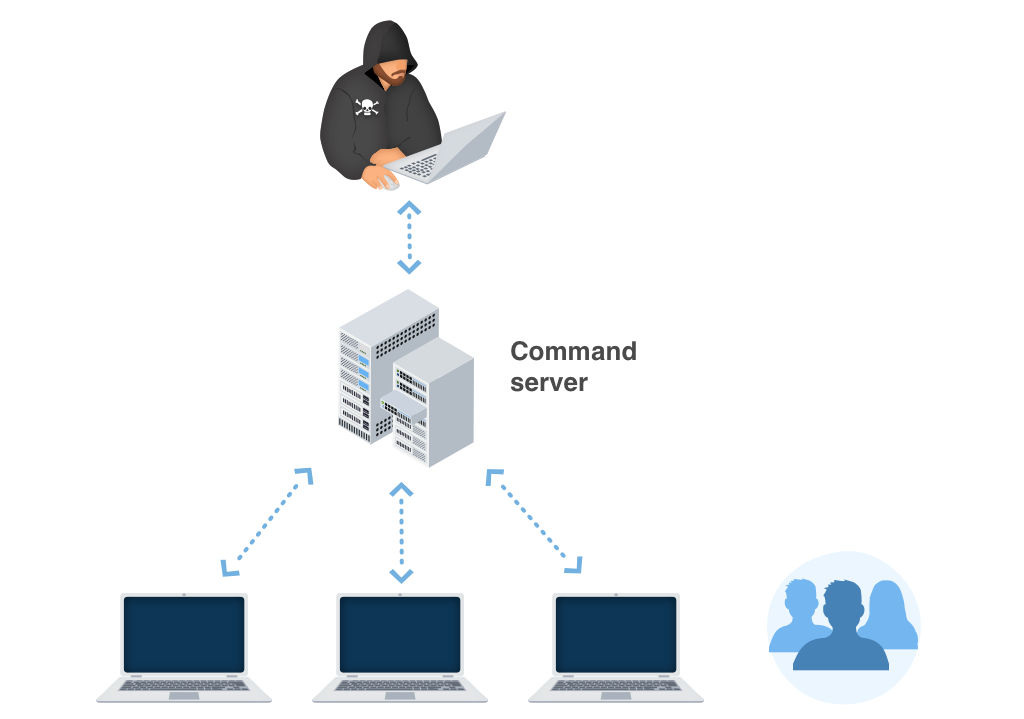
One of the most common networks where Trojan:Win32/Claretore.L Ransomware are infused are:
- By ways of phishing emails;
- As a repercussion of user winding up on a resource that hosts a harmful software application;
As soon as the Trojan is effectively injected, it will certainly either cipher the information on the sufferer’s computer or stop the device from working in a proper manner – while likewise positioning a ransom money note that points out the requirement for the sufferers to impact the settlement for the purpose of decrypting the records or bring back the data system back to the initial condition. In a lot of instances, the ransom note will certainly turn up when the customer restarts the COMPUTER after the system has actually already been damaged.
Trojan:Win32/Claretore.L circulation networks.
In different corners of the world, Trojan:Win32/Claretore.L expands by jumps and also bounds. Nonetheless, the ransom money notes as well as methods of extorting the ransom quantity may vary depending on specific local (regional) setups. The ransom money notes as well as methods of extorting the ransom amount might differ depending on particular regional (regional) settings.
For instance:
Faulty alerts concerning unlicensed software.
In certain locations, the Trojans frequently wrongfully report having discovered some unlicensed applications enabled on the sufferer’s gadget. The alert after that requires the customer to pay the ransom.
Faulty declarations about illegal content.
In countries where software program piracy is much less prominent, this technique is not as efficient for the cyber fraudulences. Conversely, the Trojan:Win32/Claretore.L popup alert may wrongly assert to be deriving from a law enforcement institution and also will certainly report having located child porn or various other prohibited data on the gadget.
Trojan:Win32/Claretore.L popup alert might falsely assert to be deriving from a law enforcement organization and also will certainly report having located child porn or other unlawful data on the device. The alert will likewise include a demand for the individual to pay the ransom.
Technical details
File Info:
crc32: CB1C7499md5: 1ab24b95594f610b62eca7bd2cfca25bname: 1AB24B95594F610B62ECA7BD2CFCA25B.mlwsha1: 9022a0f6ba4557a9810e220cee1e48040c87f7desha256: b334d092840ea47d59fcccc59b73d72a48502159149c653f52ff13aa5d36f427sha512: fbcb3c8bb01ac384fa1d6ee8bee3f1a87f82b1b35626e7817440efc39487e7b30c07d48f4e0d685fc4049fea3163da5541d5ef3e50425a094b0969af757cd5dassdeep: 3072:FmFRfqHZcbCvdmxdiEIJSMaLnLILmG0XQIc:FmFgHWbG4diZJSMkL6mGItype: PE32 executable (GUI) Intel 80386 (stripped to external PDB), for MS WindowsVersion Info:
0: [No Data]
Trojan:Win32/Claretore.L also known as:
| GridinSoft | Trojan.Ransom.Gen |
| Bkav | W32.AIDetect.malware2 |
| K7AntiVirus | Trojan ( 0055e4001 ) |
| Elastic | malicious (high confidence) |
| DrWeb | Trojan.Rodricter.56 |
| Cynet | Malicious (score: 100) |
| ALYac | Gen:Variant.Ransom.GlobeImposter.28 |
| Cylance | Unsafe |
| Zillya | Trojan.Bublik.Win32.10974 |
| Sangfor | Trojan.Win32.Save.a |
| CrowdStrike | win/malicious_confidence_100% (D) |
| Alibaba | Trojan:Win32/Claretore.e74e4684 |
| K7GW | Trojan ( 0055e4001 ) |
| Cybereason | malicious.5594f6 |
| Symantec | ML.Attribute.HighConfidence |
| ESET-NOD32 | Win32/Simda.P |
| APEX | Malicious |
| Avast | Win32:Crypt-OZA [Trj] |
| Kaspersky | HEUR:Trojan.Win32.Generic |
| BitDefender | Gen:Variant.Ransom.GlobeImposter.28 |
| NANO-Antivirus | Trojan.Win32.Bublik.blspns |
| MicroWorld-eScan | Gen:Variant.Ransom.GlobeImposter.28 |
| Tencent | Win32.Trojan.Bublik.Eaxm |
| Ad-Aware | Gen:Variant.Ransom.GlobeImposter.28 |
| Sophos | ML/PE-A + Mal/Encpk-ADD |
| Comodo | Backdoor.Win32.Simda.QBS@4urg0t |
| BitDefenderTheta | AI:Packer.E82A349621 |
| VIPRE | Backdoor.Win32.Simda.b (v) |
| TrendMicro | TROJ_SPNR.1ACP13 |
| McAfee-GW-Edition | BehavesLike.Win32.Generic.ch |
| FireEye | Generic.mg.1ab24b95594f610b |
| Emsisoft | Gen:Variant.Ransom.GlobeImposter.28 (B) |
| SentinelOne | Static AI – Malicious PE |
| Jiangmin | Trojan.Generic.cnmsi |
| Avira | TR/Crypt.XPACK.Gen |
| Antiy-AVL | Trojan/Generic.ASMalwS.13F9FC |
| Kingsoft | Win32.Heur.KVMH004.a.(kcloud) |
| Microsoft | Trojan:Win32/Claretore.L |
| Arcabit | Trojan.Ransom.GlobeImposter.28 |
| AegisLab | Trojan.Win32.Bublik.4!c |
| GData | Gen:Variant.Ransom.GlobeImposter.28 |
| TACHYON | Trojan/W32.Bublik.123904 |
| Acronis | suspicious |
| McAfee | Generic.dx!1AB24B95594F |
| MAX | malware (ai score=87) |
| VBA32 | SScope.Trojan.Simda.01718 |
| Panda | Generic Malware |
| TrendMicro-HouseCall | TROJ_SPNR.1ACP13 |
| Rising | [email protected] (RDML:cvJik+uXSskehTeg094+pw) |
| Yandex | Trojan.Simda!DTVxVxhg5uc |
| Ikarus | Trojan.Win32.Bublik |
| MaxSecure | Trojan.Malware.300983.susgen |
| Fortinet | W32/SearchRedirect.BDX!tr.bdr |
| AVG | Win32:Crypt-OZA [Trj] |
| Paloalto | generic.ml |
| Qihoo-360 | Win32/TrojanDropper.Generic.HxMB0BsA |
How to remove Trojan:Win32/Claretore.L ransomware?
Unwanted application has ofter come with other viruses and spyware. This threats can steal account credentials, or crypt your documents for ransom.
Reasons why I would recommend GridinSoft1
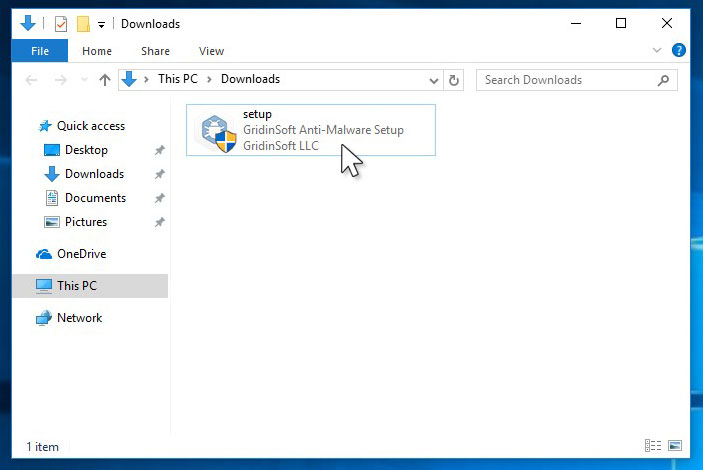
Run the setup file.
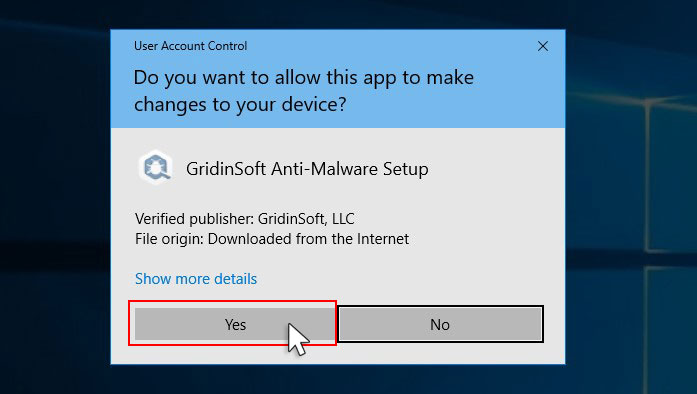
Press “Install” button.
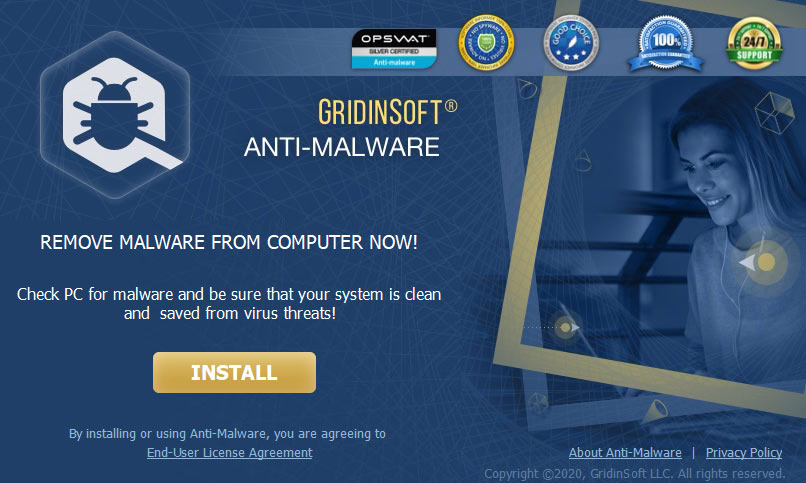
Once installed, Anti-Malware will automatically run.
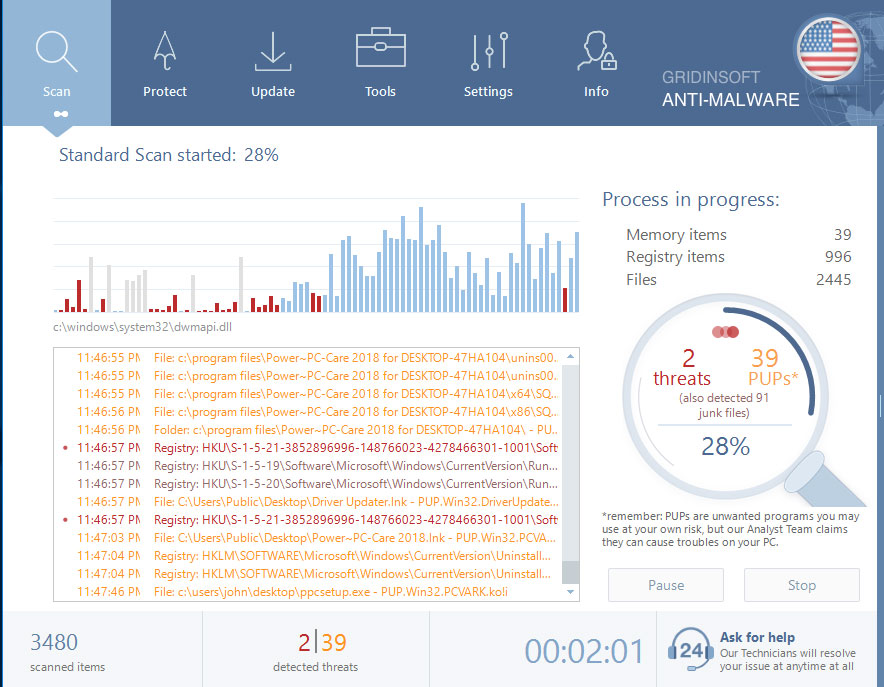
Wait for the Anti-Malware scan to complete.
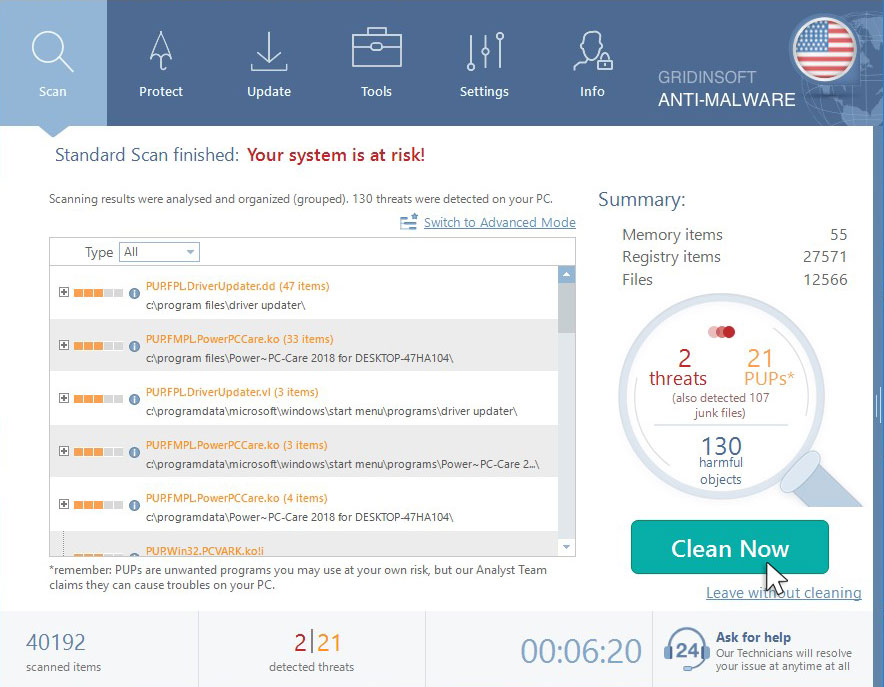
Click on “Clean Now”.
Are Your Protected?
If the guide doesn’t help you to remove Trojan:Win32/Claretore.L you can always ask me in the comments for getting help.


Leave a Comment