
If you come across a message indicating that your PC has detected the presence of the Trojan:Win32/Floxif.E, or if your computer is running slow and causing you significant frustration, you need to take immediate action to scan it for Floxif and clean it using the appropriate procedure. Now, I will provide you with step-by-step instructions on how to accomplish this.
The majority of Trojan:Win32/Floxif.E variants are designed with the intent of profiting from unsuspecting users. Organized criminal groups often employ these malicious programs to steal sensitive information such as credit card details, online banking credentials, and other personal data for fraudulent purposes.
The landscape of virus infections has evolved significantly over the past 10 years. The types of viruses that were once widespread are no longer the primary concern. Instead, the focus has shifted towards more prominent threats such as blackmail and spyware like Trojan:Win32/Floxif.E. Dealing with these emerging challenges requires the use of specialized software and innovative approaches.
Does your antivirus regularly report about the “Floxif”?
If you have received a message stating that the “Trojan:Win32/Floxif.E” has been detected, it’s actually good news! The computer virus “Trojan:Win32/Floxif.E” was identified and most likely removed. Such messages do not necessarily indicate that there was an active instance of Floxif on your device. It is possible that you downloaded a file containing Floxif, but your antivirus software detected and deleted it before it could cause any harm or issues. Alternatively, the malicious script on the infected website might have been detected and prevented from causing any trouble.
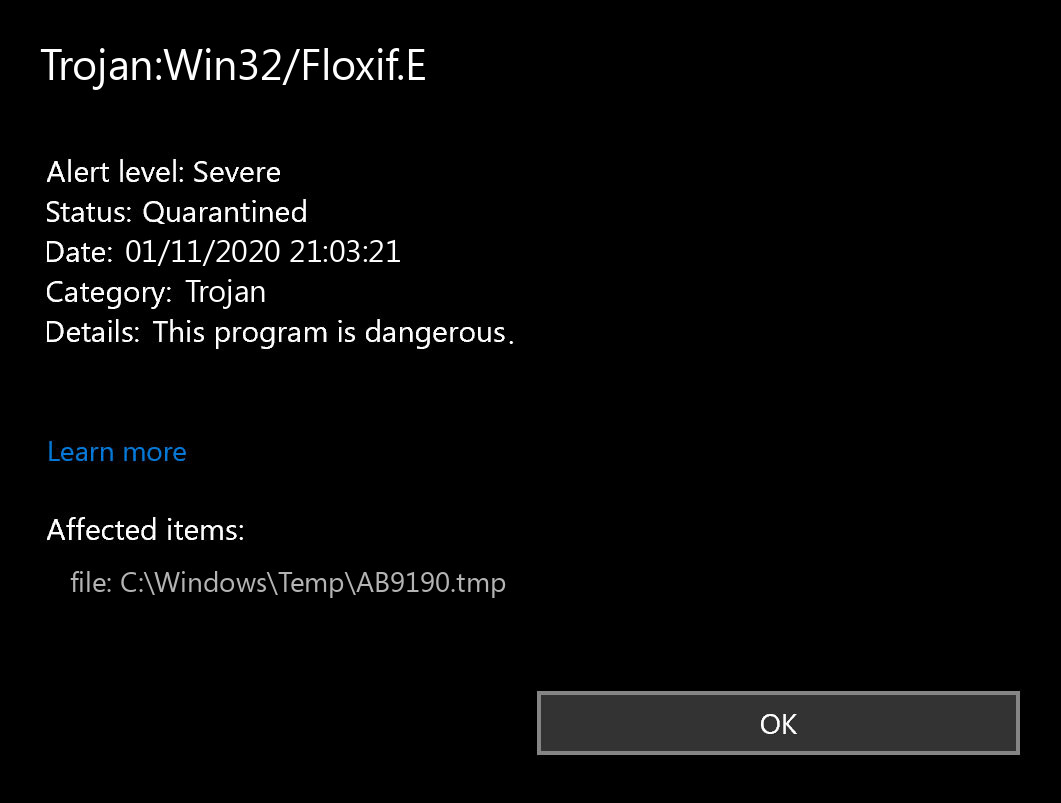
Microsoft Defender: “Trojan:Win32/Floxif.E”
Simply put, the message “Trojan:Win32/Floxif.E Found” during the common use of your computer system does not indicate that the Floxif has actually completed its objective. If you see such a message, it could be evidence of you visiting the infected page or filling in the malicious documents. Attempt to avoid it in the future, yet do not fret excessively. Trying out opening up the antivirus program and checking the Floxif detection log file. This will offer you more information regarding what the precise Floxif was detected and what was specifically done by your anti-virus software application with it. Obviously, if you’re not confident enough, describe the manual scan– anyway, this will certainly be valuable.
How to scan for malware, spyware, ransomware, adware, and other threats.
If your system operates in an extremely lagging method, the websites open in a strange manner, or if you see ads in the position you’ve never expected, it’s feasible that your computer obtained contaminated and the virus is now active. Spyware will track all your tasks or reroute your search or home pages to the locations you don’t wish to visit. Adware might contaminate your web browser as well as also the entire Windows OS. In contrast, the ransomware will certainly attempt to obstruct your system as well as demand a tremendous ransom money amount for your very own files.
How to scan your PC for Trojan:Win32/Floxif.E?
Use Safe Mode to fix the most complex Trojan:Win32/Floxif.E issues.
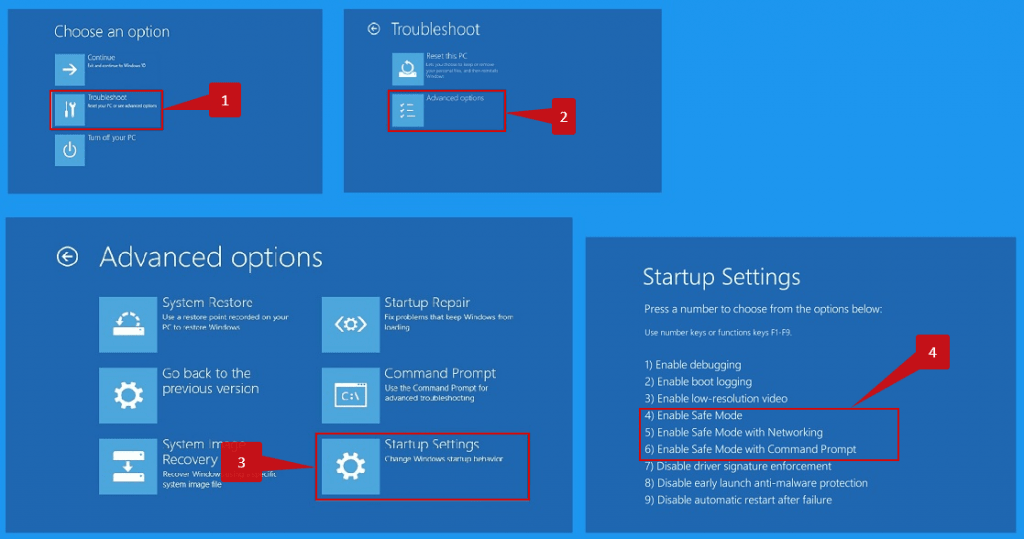
It’s not adequate to merely use the antivirus for the security of your PC. You require to have a much more thorough antivirus service. Not all malware can be spotted by typical antivirus scanners that largely look for virus-type hazards. Your system may have lots of “trash”, for example, toolbars, Chrome plugins, questionable online search engines, bitcoin-miners, and various other kinds of unwanted programs used for making money on your lack of experience. Beware while downloading apps on the web to stop your device from being loaded with unwanted toolbars and various other junk information.


Leave a Comment