
Trojan.Win32.Hosts2 is a type of Trojan malware that modifies the hosts file on a Windows system. The hosts file is a text file used by the operating system to map hostnames to IP addresses. By modifying this file, the Trojan can redirect the user’s web traffic to malicious or fraudulent websites.
Trojan.Win32.Hosts2 may be distributed through various methods, such as email attachments, malicious downloads, or exploiting vulnerabilities in software. Once installed on a system, it can make changes to the hosts file without the user’s knowledge, potentially leading to unwanted redirects, phishing attacks, or the delivery of other malware.
The purpose of Trojan.Win32.Hosts2 is usually to facilitate malicious activities, such as spreading more malware, stealing sensitive information, or generating revenue through click fraud. It can be challenging to detect and remove, as it may employ techniques to evade detection by security software.
To protect against Trojan.Win32.Hosts2 and similar threats, it is essential to have up-to-date antivirus software installed on your system. Regularly scan your computer for malware, keep your operating system and applications patched with the latest security updates, and exercise caution when opening email attachments or downloading files from untrusted sources.
If you suspect your system is infected with Trojan.Win32.Hosts2, it is recommended to run a full system scan with your antivirus software and follow any removal instructions provided.
Most of the situations, Trojan.Win32.Hosts2 virus will advise its targets to start funds transfer for the objective of reducing the effects of the modifications that the Trojan infection has actually introduced to the victim’s device.
Trojan.Win32.Hosts2 Summary
These alterations can be as adheres to:
- Unconventionial binary language: Chinese (Simplified);
- Unconventionial language used in binary resources: Chinese (Simplified);
- The sample wrote data to the system hosts file.;
- Ciphering the files situated on the victim’s hard disk — so the sufferer can no longer utilize the data;
- Preventing regular accessibility to the sufferer’s workstation;
Trojan.Win32.Hosts2
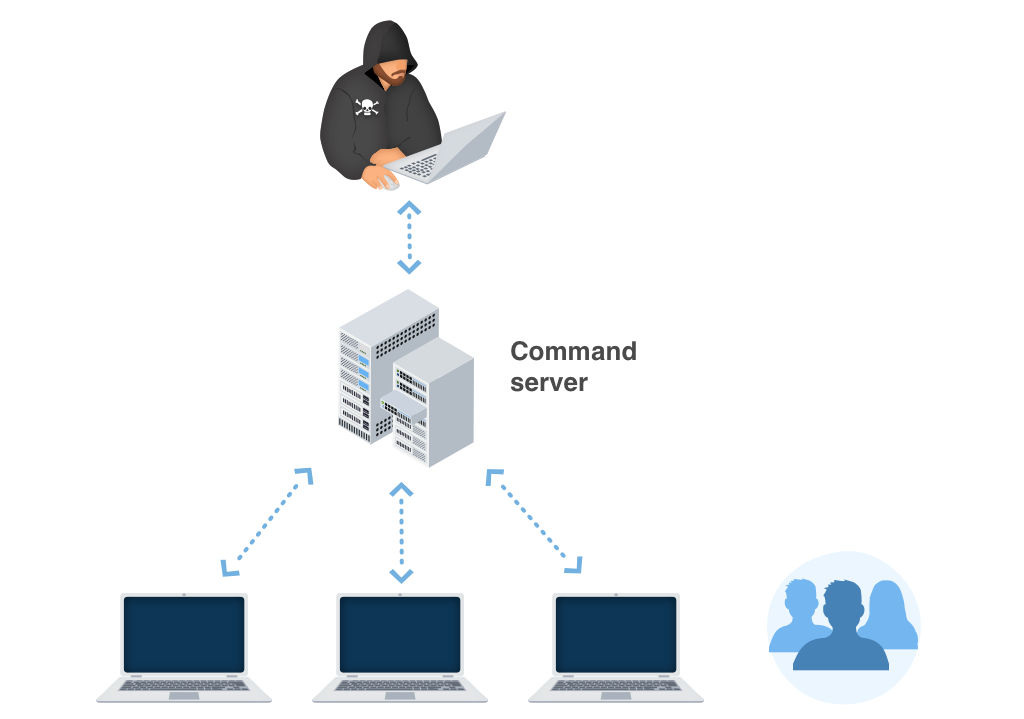
The most common networks through which Trojan.Win32.Hosts2 Trojans are injected are:
- By methods of phishing emails;
- As an effect of user ending up on a resource that hosts a harmful software application;
As soon as the Trojan is efficiently infused, it will either cipher the data on the target’s computer or prevent the tool from functioning in an appropriate way – while likewise placing a ransom note that states the requirement for the sufferers to impact the settlement for the objective of decrypting the papers or restoring the file system back to the initial condition. In many circumstances, the ransom note will come up when the customer reboots the COMPUTER after the system has already been harmed.
Trojan.Win32.Hosts2 distribution channels.
In numerous edges of the world, Trojan.Win32.Hosts2 expands by jumps as well as bounds. Nevertheless, the ransom notes and methods of obtaining the ransom money quantity may vary depending upon certain local (regional) settings. The ransom notes and techniques of obtaining the ransom money quantity might vary depending on certain neighborhood (regional) setups.
As an example:
Faulty signals regarding unlicensed software.
In specific areas, the Trojans typically wrongfully report having actually spotted some unlicensed applications made it possible for on the victim’s gadget. The sharp then demands the customer to pay the ransom money.
Faulty statements about unlawful web content.
In countries where software program piracy is less popular, this approach is not as efficient for the cyber frauds. Additionally, the Trojan.Win32.Hosts2 popup alert might falsely declare to be stemming from a law enforcement establishment as well as will certainly report having located kid porn or other unlawful data on the tool.
Trojan.Win32.Hosts2 popup alert may falsely declare to be obtaining from a regulation enforcement organization and will certainly report having situated youngster pornography or other unlawful information on the device. The alert will similarly contain a requirement for the user to pay the ransom money.
Technical details
File Info:
crc32: 56B5CE0Dmd5: 218fdaf668fbea3f08ac61bda2b1e0a7name: 218FDAF668FBEA3F08AC61BDA2B1E0A7.mlwsha1: d12d979d77f6203e60658899f950ead9c99288f6sha256: 1ce2c1b0ca617e1ab0f2f4df56ccb47a266def91931a63c0c79dfab0cb9a2ab3sha512: d1006f930c4f541f3125353800ecf6efdcc48847f738b04adafeb27797dd77667713ea8ea1387ff7fde5b46aa333fdd243a1c80236e8902c4fdd668b38c14d00ssdeep: 12288:vPDzH1NBC4O/3vyUIykWACqSyfkKI71DPRKauPXjba:vPHH1N04e3bINWB1DRduP3type: PE32 executable (GUI) Intel 80386, for MS WindowsVersion Info:
LegalCopyright: x4f5cx8005x7248x6743x6240x6709 x8bf7x5c0ax91cdx5e76x4f7fx7528x6b63x7248FileVersion: 1.0.0.0Comments: x672cx7a0bx5e8fx4f7fx7528x6613x8bedx8a00x7f16x5199(http://www.eyuyan.com)ProductName: x6613x8bedx8a00x7a0bx5e8fProductVersion: 1.0.0.0FileDescription: x6613x8bedx8a00x7a0bx5e8fTranslation: 0x0804 0x04b0
Trojan.Win32.Hosts2 also known as:
| Bkav | W32.AIDetect.malware2 |
| K7AntiVirus | Trojan ( 005246d51 ) |
| Elastic | malicious (high confidence) |
| Cynet | Malicious (score: 100) |
| CAT-QuickHeal | Risktool.Flystudio.18570 |
| Cylance | Unsafe |
| Sangfor | Win.Malware.Zusy-6840460-0 |
| K7GW | Trojan ( 005246d51 ) |
| Cybereason | malicious.d77f62 |
| Cyren | W32/Agent.EW.gen!Eldorado |
| ESET-NOD32 | a variant of Win32/Packed.FlyStudio.AA potentially unwanted |
| APEX | Malicious |
| Avast | Win32:Evo-gen [Susp] |
| ClamAV | Win.Malware.Zusy-6840460-0 |
| Kaspersky | Trojan.Win32.Hosts2.gen |
| Sophos | Generic ML PUA (PUA) |
| Comodo | Worm.Win32.Dropper.RA@1qraug |
| BitDefenderTheta | Gen:NN.ZexaF.34608.Xq0@aq761@mb |
| McAfee-GW-Edition | BehavesLike.Win32.Generic.bh |
| FireEye | Generic.mg.218fdaf668fbea3f |
| SentinelOne | Static AI – Malicious PE |
| eGambit | Unsafe.AI_Score_99% |
| Microsoft | Trojan:Win32/Emotet!ml |
| Gridinsoft | Trojan.Win32.Gen.bot!i |
| GData | Win32.Trojan.PSE.1FOH0JX |
| AhnLab-V3 | Dropper/Win32.Agent.C656419 |
| Acronis | suspicious |
| McAfee | GenericRXAA-FA!218FDAF668FB |
| Malwarebytes | PUP.Optional.ChinAd |
| Panda | Trj/Genetic.gen |
| Rising | Malware.Heuristic!ET#87% (RDMK:cmRtazqX6L8bZIJjWLbglERbncod) |
| Yandex | Trojan.GenAsa!UlEPEDzlS9s |
| MaxSecure | Dropper.Dinwod.frindll |
| AVG | Win32:Evo-gen [Susp] |
| Qihoo-360 | Win32/Ransom.WannaCry.HgIASQEA |
How to remove Trojan.Win32.Hosts2 virus?
Unwanted application has ofter come with other viruses and spyware. This threats can steal account credentials, or crypt your documents for ransom.
Reasons why I would recommend GridinSoft1
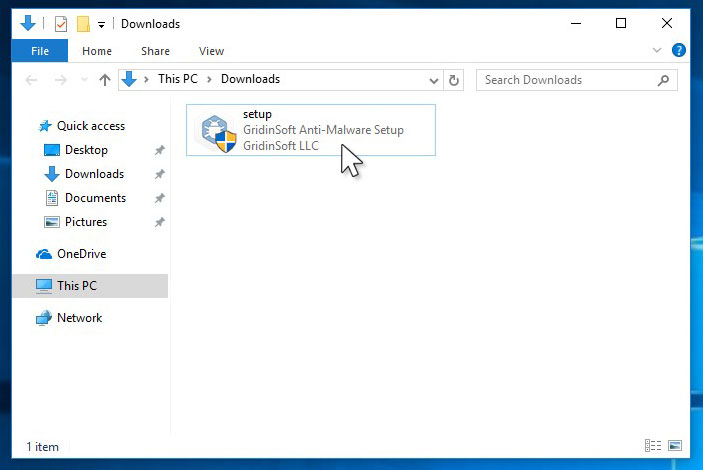
Run the setup file.
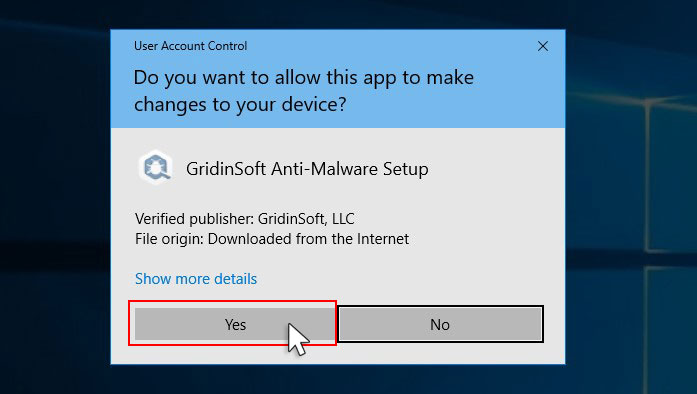
Press “Install” button.
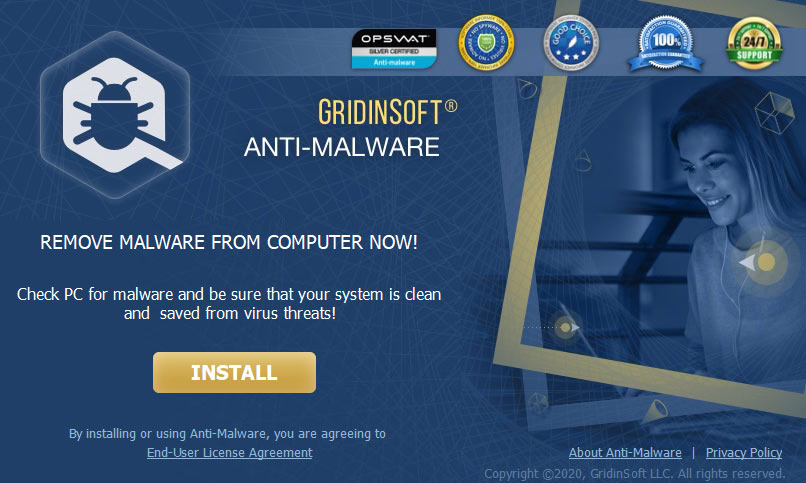
Once installed, Anti-Malware will automatically run.
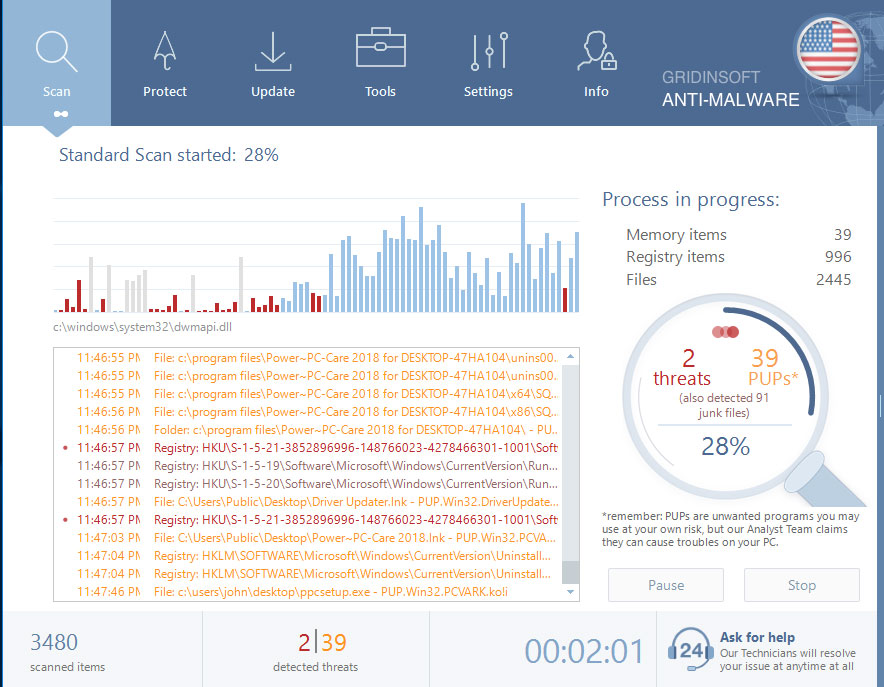
Wait for the Anti-Malware scan to complete.
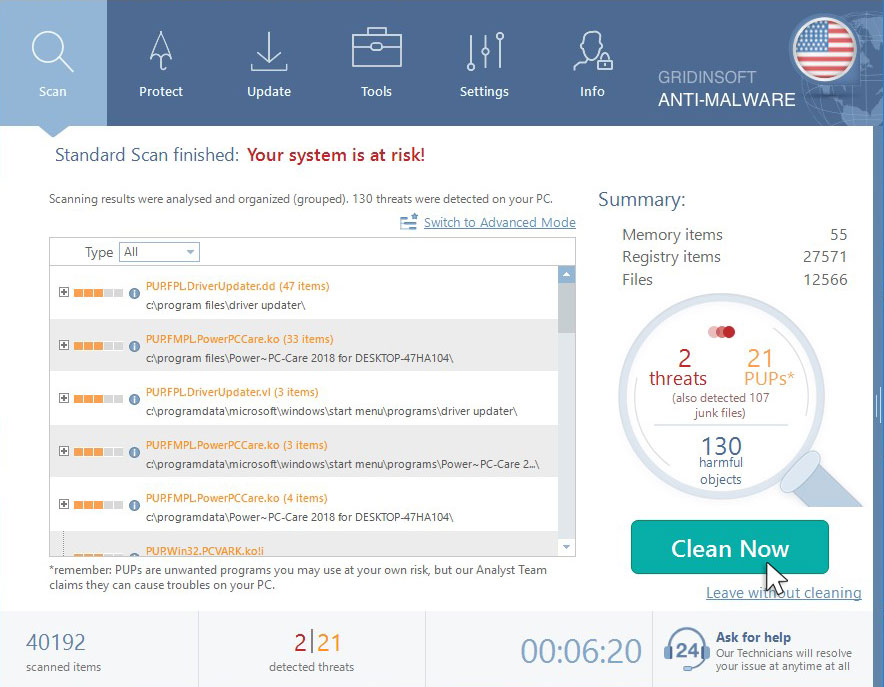
Click on “Clean Now”.
Are Your Protected?
If the guide doesn’t help you to remove Trojan.Win32.Hosts2 you can always ask me in the comments for getting help.


Leave a Comment