
Trojan:Win32/Cloxer is a specific detection name used by antivirus software, such as Microsoft Defender Antivirus, to identify a particular variant of the Cloxer Trojan. Trojans are malicious software that disguise themselves as legitimate files or software to deceive users and perform unauthorized activities on infected systems.
Trojan:Win32/Cloxer specifically refers to the variant of the Cloxer Trojan that has been identified and categorized by antivirus vendors. This trojan may have different distribution methods and payload capabilities, but its primary goal is to gain unauthorized access, collect sensitive information, or cause harm to the compromised system.
It is important to have robust antivirus protection and keep your system and software up to date to minimize the risk of being infected by Trojan:Win32/Cloxer or any other malicious software. Regularly scanning your system for malware and practicing safe browsing habits can also help prevent such threats.
The majority of Cloxer are used to make a profit on you. The organized crime specifies the variety of malicious programs to steal your credit card information, electronic banking qualifications, and also other information for deceptive functions.
Threat Summary:
| Name | Cloxer Trojan |
| Detection | Trojan:Win32/Cloxer |
| Details | It is designed to gain unauthorized access, steal sensitive information, and perform malicious activities on infected systems. The trojan can compromise your privacy, cause system instability, and potentially lead to financial loss or identity theft. |
Sorts of viruses that were well-spread 10 years ago are no longer the resource of the trouble. Presently, the problem is a lot more evident in the locations of blackmail or spyware. The difficulty of fixing these problems requires new tools and also different methods.
Does your antivirus regularly report about the “Cloxer”?
If you have actually seen a message indicating the “Trojan:Win32/Cloxer found”, then it’s an item of great news! The virus “Trojan:Win32/Cloxer” was identified and also, probably, deleted. Such messages do not imply that there was a really energetic Cloxer on your gadget. You could have merely downloaded a file that contained Trojan:Win32/Cloxer, so your anti-virus software program automatically erased it before it was launched and also caused the troubles. Alternatively, the harmful script on the contaminated internet site can have been detected and prevented prior to causing any type of troubles.
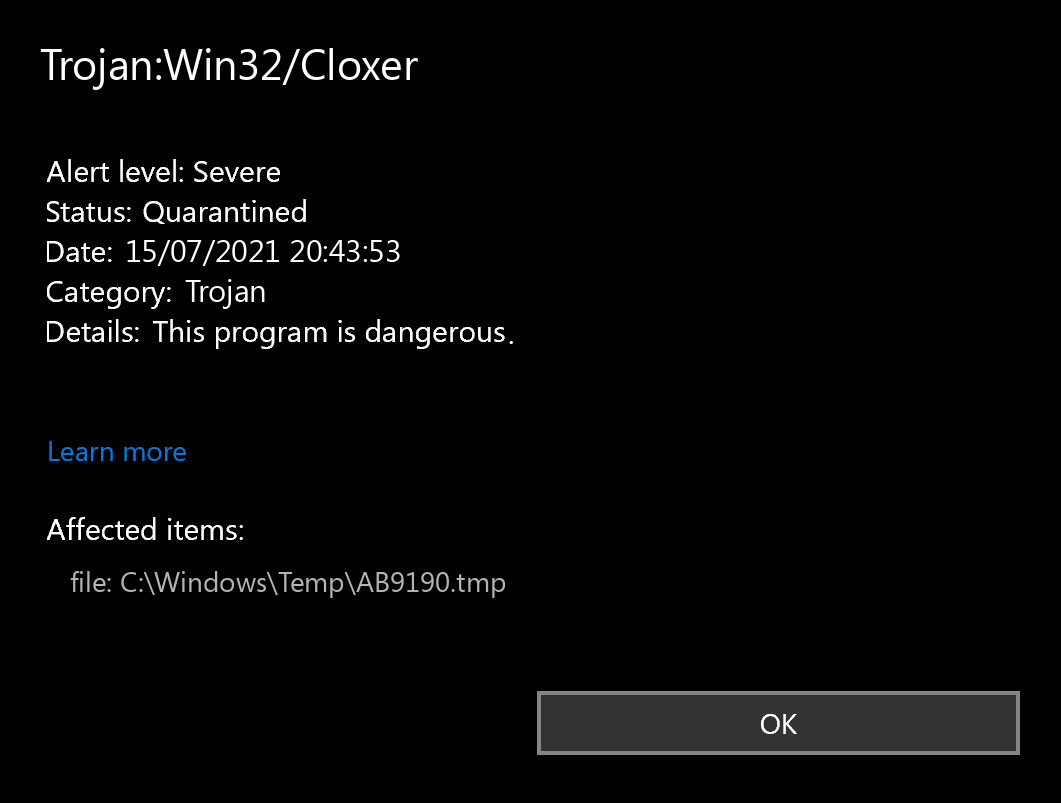
Microsoft Defender: “Trojan:Win32/Cloxer”
To put it simply, the message “Trojan:Win32/Cloxer Found” during the common use your computer does not suggest that the Cloxer has completed its objective. If you see such a message after that maybe the proof of you visiting the infected web page or filling the destructive file. Try to avoid it in the future, but do not fret excessive. Trying out opening up the antivirus program as well as checking the Trojan:Win32/Cloxer detection log documents. This will provide you more details regarding what the exact Cloxer was identified as well as what was particularly done by your antivirus software program with it. Obviously, if you’re not positive sufficient, describe the hand-operated scan– anyway, this will certainly be handy.
How to scan for malware, spyware, ransomware, adware, and other threats.
If your computer works in an extremely slow means, the websites open in an odd manner, or if you see ads in places you’ve never ever expected, it’s feasible that your computer obtained infected as well as the virus is now active. Spyware will certainly track all your tasks or redirect your search or web page to the areas you do not intend to go to. Adware may contaminate your web browser as well as even the entire Windows OS, whereas the ransomware will try to block your PC as well as require a remarkable ransom money quantity for your very own data.
How to scan your PC for Trojan:Win32/Cloxer?
Use Safe Mode to fix the most complex Trojan:Win32/Cloxer issues.
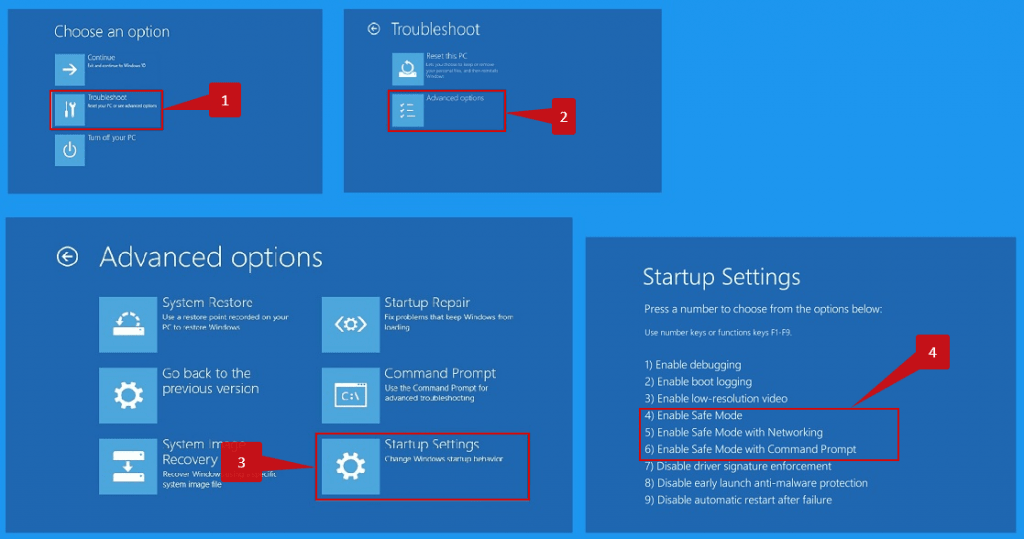
It’s not adequate to just use the antivirus for the safety of your device. You need to have a more detailed antivirus app. Not all malware can be spotted by regular antivirus scanners that primarily seek virus-type threats. Your computer may have plenty of “trash”, as an example, toolbars, internet browser plugins, questionable online search engines, bitcoin-miners, and also other types of unwanted software used for earning money on your inexperience. Be cautious while downloading and install programs on the internet to stop your tool from being filled with unwanted toolbars as well as various other junk information.


Leave a Comment