
Script:SNH-gen [Trj] is a generic detection name for Trojan horse malware that infects computer systems by exploiting security vulnerabilities in web browsers or other software. This type of malware is usually spread through malicious websites, spam emails, or fake software updates.
Script:SNH-gen [Trj] is a potentially harmful script or code that exhibits characteristics of a Trojan. It signifies that the antivirus program has detected a suspicious script that could potentially be used for malicious purposes, such as unauthorized access, data theft, or system exploitation.
To protect against Script:SNH-gen and other Trojan Virus malware, it’s important to keep your operating system and software up to date with the latest security patches, avoid downloading software from untrusted sources, and use a reputable antivirus program to scan your system regularly for infections.
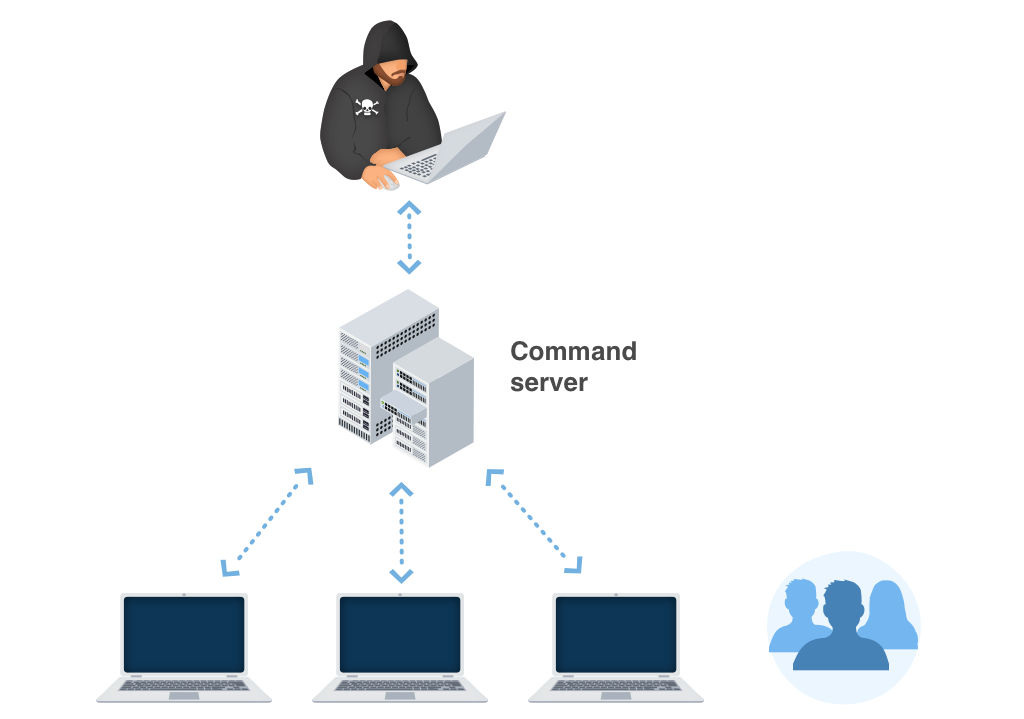
Most of the instances, Script:SNH-gen [Trj] ransomware will instruct its targets to start funds move for the objective of neutralizing the changes that the Trojan infection has introduced to the victim’s PC.
Script:SNH-gen [Trj] Summary
These adjustments can be as follows:
- At least one process crashed during execution;
- Repeatedly searches for a not-found process, may want to run with startbrowser=1 option;
- Reads data out of its binary image. The trick allows the malware to read data from your computer’s memory.
Everything you run, type, or click on your computer goes through the memory. This includes passwords, bank account numbers, emails, and other confidential information. With this vulnerability, there is the potential for a malicious program to read that data.
- Attempts to modify desktop wallpaper;
- Attempts to repeatedly call a single API many times to delay analysis time. This significantly complicates the work of the virus analyzer. Typical malware tactics!
- Ciphering the documents found on the victim’s hard disk drive — so the sufferer can no more make use of the information;
- Preventing regular accessibility to the sufferer’s workstation;
Script:SNH-gen [Trj]
The most typical networks whereby Script:SNH-gen [Trj] Trojans are injected are:
- By ways of phishing e-mails;
- As an effect of user ending up on a source that hosts a destructive software;
As quickly as the Trojan is efficiently injected, it will either cipher the data on the victim’s PC or protect against the tool from functioning correctly – while additionally positioning a ransom note that states the demand for the sufferers to impact the settlement for the objective of decrypting the papers or restoring the data system to the first problem. In most circumstances, the ransom money note will show up when the client restarts the PC after the system has been harmed.
Script:SNH-gen [Trj] distribution networks.
In different corners of the globe, Script:SNH-gen [Trj] grows by leaps as well as bounds. However, the ransom notes and techniques of obtaining the ransom quantity may vary depending on particular regional (regional) settings. The ransom money notes and also methods of extorting the ransom money quantity may vary depending on particular local (local) settings.
As an example:
Faulty signals about unlicensed software applications.
In particular locations, the Trojans frequently wrongfully report having found some unlicensed applications made it possible for on the sufferer’s gadget. The alert then requires the individual to pay the ransom money.
Faulty declarations concerning prohibited web content.
In nations where software program piracy is less popular, this method is not as efficient for the cyber scams. Alternatively, the Script:SNH-gen [Trj] popup alert may wrongly assert to be originating from a law enforcement establishment as well as will report having situated youngster pornography or various other unlawful information on the device.
Script:SNH-gen [Trj] popup alert might wrongly claim to be acquiring from a law enforcement organization and also will certainly report having situated youngster pornography or various other unlawful information on the device. The alert will similarly contain a requirement for the user to pay the ransom.
Technical details
File Info:
crc32: FF5143A8md5: c3230bd420e8fc6f651552c89b0aea2bname: C3230BD420E8FC6F651552C89B0AEA2B.mlwsha1: 86e09639f378c910deb4f0339b80f43b86878c6csha256: 6a2fb14067575e715d4ef3de24573c17bbf45c048d9e78b7ff0df0ba234bd173sha512: 78488d70fad00b3f8767d0c2ca7dc82a811c35bc2219865ca736579919faa4881ddf109421f5394c5f548ffa7975a9c2d3569de897717f681bd638bf6c0cd6bcssdeep: 49152:EJZoQrbTFZY1WNFiNZgZ+R2a6VNjdftohM6CnU:EtrbTA1HLgZG2a6VNpfto+NnUtype: PE32 executable (GUI) Intel 80386, for MS WindowsVersion Info:
CompiledScript: AutoIt v3 Script: 3, 3, 8, 1FileVersion: 3, 3, 8, 1FileDescription: Translation: 0x0809 0x04b0
Script:SNH-gen [Trj] also known as:
| Bkav | W32.AIDetect.malware1 |
| K7AntiVirus | Spyware ( 004fbe541 ) |
| Elastic | malicious (high confidence) |
| DrWeb | Trojan.Encoder.24597 |
| Cynet | Malicious (score: 100) |
| CAT-QuickHeal | Program.Wacapew |
| ALYac | Trojan.GenericKD.41415387 |
| Cylance | Unsafe |
| Sangfor | Trojan.Win32.Save.a |
| CrowdStrike | win/malicious_confidence_100% (D) |
| K7GW | Spyware ( 004fbe541 ) |
| Cybereason | malicious.420e8f |
| Cyren | W32/Autoit.AQQU-2891 |
| ESET-NOD32 | multiple detections |
| APEX | Malicious |
| Avast | Script:SNH-gen [Trj] |
| ClamAV | Win.Malware.Autoit-6912463-0 |
| Kaspersky | Trojan-Dropper.Win32.Autoit.abceqi |
| BitDefender | Trojan.GenericKD.41415387 |
| MicroWorld-eScan | Trojan.GenericKD.41415387 |
| Ad-Aware | Trojan.GenericKD.41415387 |
| Sophos | ML/PE-A |
| BitDefenderTheta | AI:Packer.E19D7A3317 |
| TrendMicro | Ransom.AutoIt.CRYPTEIGHT.SMTH |
| McAfee-GW-Edition | BehavesLike.Win32.Dropper.tc |
| FireEye | Generic.mg.c3230bd420e8fc6f |
| Emsisoft | Trojan.GenericKD.41415387 (B) |
| Avira | HEUR/AGEN.1116018 |
| Microsoft | Trojan:Win32/Wacatac.B!ml |
| Arcabit | Trojan.Generic.D277F2DB |
| GData | Trojan.GenericKD.41415387 |
| AhnLab-V3 | Dropper/Win32.RL_Autoit.R366525 |
| Acronis | suspicious |
| McAfee | BackDoor-FDOZ |
| MAX | malware (ai score=81) |
| VBA32 | Trojan.Autoit.F |
| Malwarebytes | Generic.Trojan.Malicious.DDS |
| TrendMicro-HouseCall | Ransom.AutoIt.CRYPTEIGHT.SMTH |
| Rising | Ransom.Crypt888/Autoit!1.C27B (CLASSIC) |
| Ikarus | Trojan-Ransom.Crypt888 |
| MaxSecure | Trojan.Autoit.AZA |
| Fortinet | AutoIt/Agent.BQ!tr |
| AVG | Script:SNH-gen [Trj] |
How to remove Script:SNH-gen [Trj] virus?
Unwanted application has often come with other viruses and spyware. This threat can steal account credentials or crypt your documents for ransom.
Reasons why I would recommend GridinSoft1
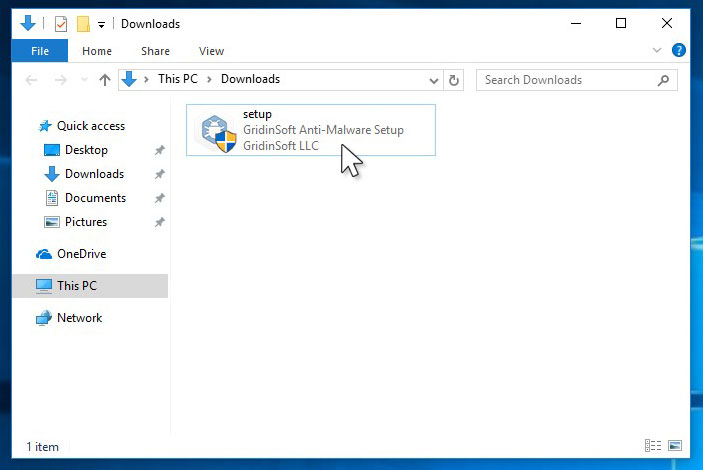
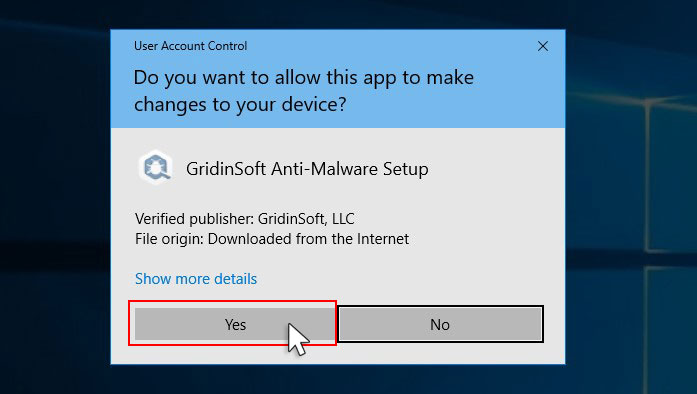
Run the setup file.
Press “Install” button.
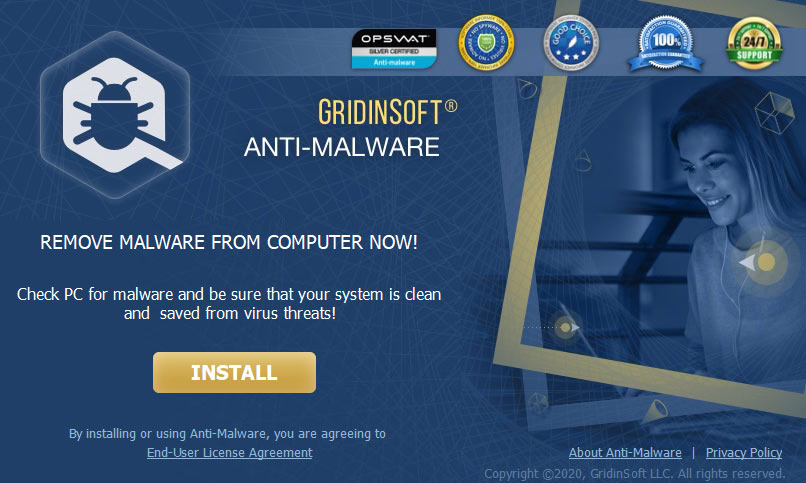
Once installed, Anti-Malware will automatically run.
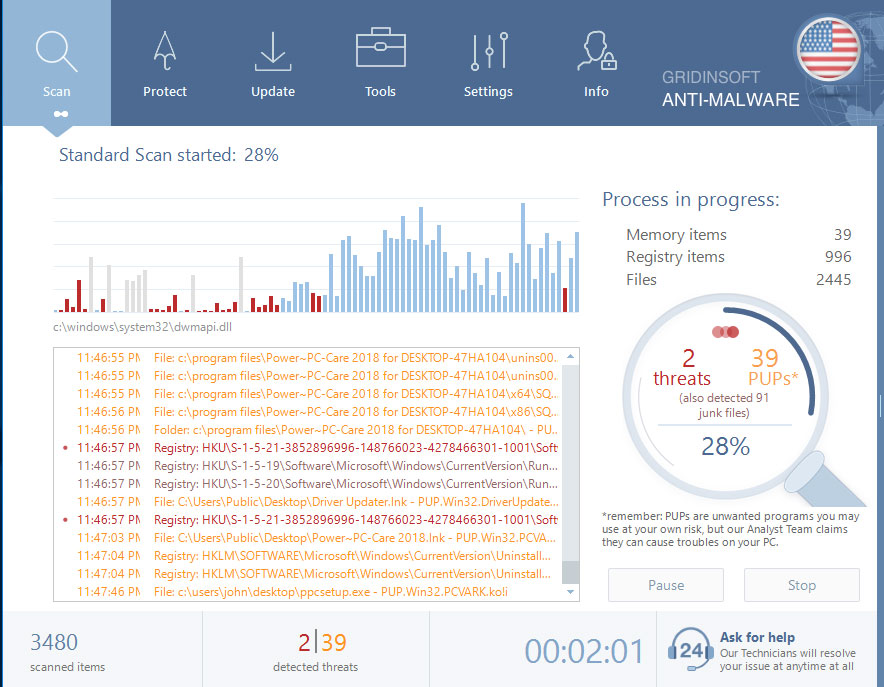
Wait for the Anti-Malware scan to complete.
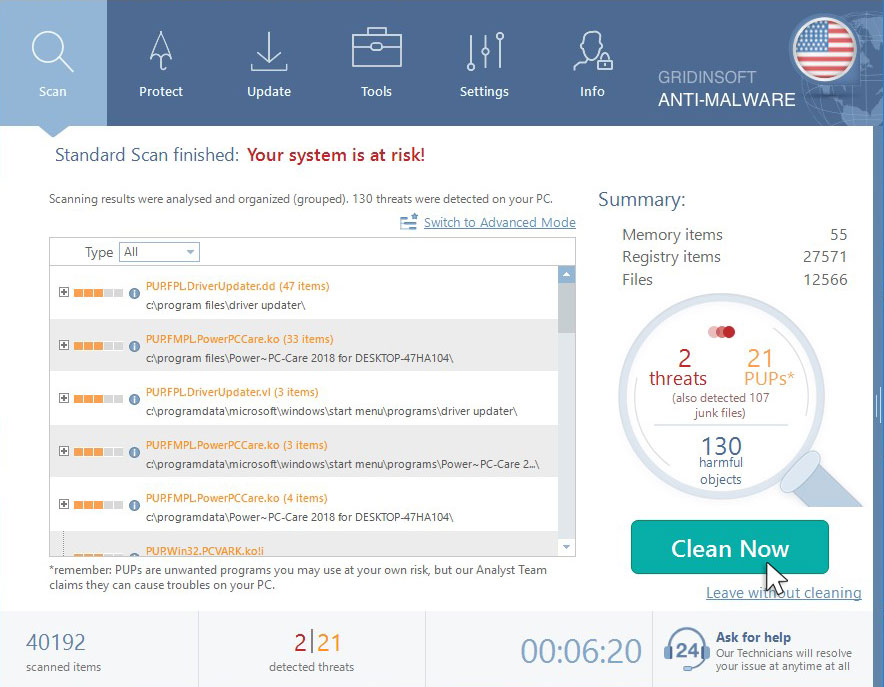
Click on “Clean Now”.
Are Your Protected?
If the guide doesn’t help you to remove Script:SNH-gen [Trj], you can always ask me in the comments to get help.


Leave a Comment