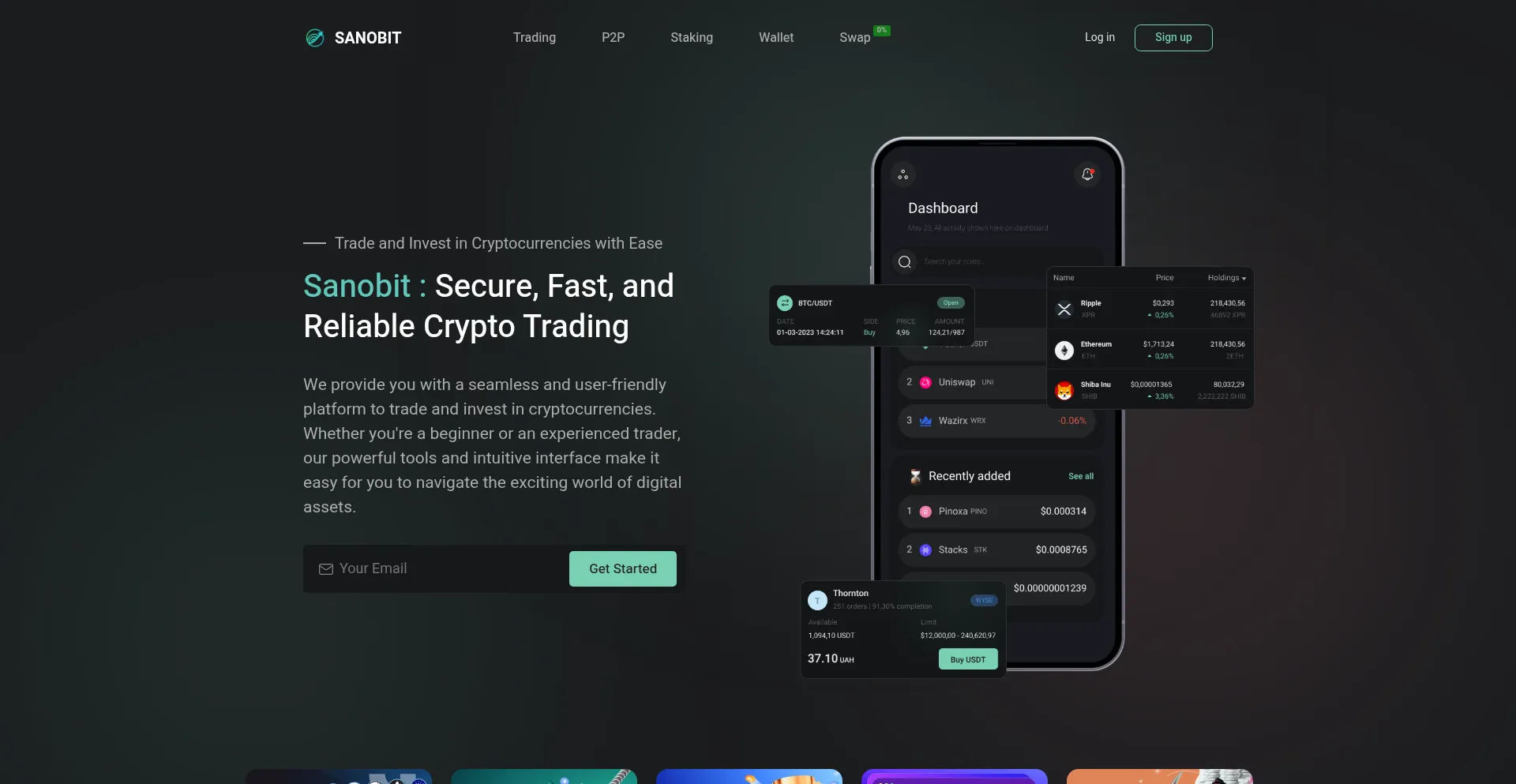
Sanobit is yet another version of the same old crypto scam playbook. It doesn’t even change the exact site layout – literally even the logo remains the same after about a 100 sites which are exact copies under a different name. First, there’s a casual message about how well they’re doing. Then a screenshot of fake returns. Then “You should try it too.” So you make a small deposit. The entire scheme is created to steal your crypto while keeping the illusion of credibility. Sanobit is a psychological scam more than anything. The site exists to steal funds through fabricated balances, celebrity deepfakes, and social media promotions. By the time you realize it’s fake your crypto is gone.
| Target Site | Sanobit.com |
| Server Host | AS13335 Cloudflare, Inc. Server location: United States, San Francisco |
| Host IP | 104.21.16.1 |
| Threat Level | HIGH THREAT |
| Primary Risk | Web-based Investment Fraud |
| Deception Technique | Fraudulent influencer advertisement + phishing scheme |
| Initial Detection | Under surveillance since 2025-07-11 |
| Estimated Victims | Extensive impact documented |
| Operational Status | OPERATIONAL – Actively defrauding people |
| Economic Impact | Major economic impact calculated |
What is the Sanobit Scam?
The Sanobit.com scam is a digital fraud that masquerades as a legitimate crypto service. It has totally no official support and operates outside any official supervision. The scam counts on fake celebrity advertisements and social media marketing to attract users. Once shut down, Sanobit rotates domain names frequently to stay active despite takedowns and user reports.
Sanobit Scam
The scam starts through massive social media campaigns, often via deepfake videos distributed across popular platforms like major social media platforms like YouTube, TikTok, Facebook, and Instagram. These videos showcase fabricated promotions from well-known influencers like Jeff Bezos, Oprah Winfrey, or Richard Branson. Upon watching these convincing promotions, viewers are enticed to explore the Sanobit website. The second people enter the promotional code, a false crypto amount is displayed in their account. When users attempt to withdraw the fake balance, they are told to deposit a small amount of Bitcoin, commonly 0.005 BTC, under the guise of “activating” the withdrawal.
This is the trap. Once the deposit is made, the site either stops responding or returns errors. The stolen Bitcoin goes directly to the scammers. The site then either becomes unresponsive, displays error messages, or disappears altogether. The platform’s only function is to scam. To evade detection, Sanobit frequently changes its domain name while maintaining the same site layout, scam structure, and fake functionalities, allowing the scam to continue uninterrupted.
What to Do if You’ve been scammed by Sanobit?
If you’ve fallen for the Sanobit or Flareportal scam is to protect what you still have. The top priority is to secure your digital assets, including any wallets, linked bank accounts, or authentication tools that may have been exposed. While it’s natural to want to recover lost money, chasing it prematurely can often lead to more losses. Many scammers set up Don’t respond to follow-up messages from any party claiming to help. Instead of searching for fast fixes, users should focus on protection and documentation. Trying to recover funds too quickly – especially by relying on “recovery services” – can lead to more theft. Take this time to preserve your remaining digital assets.
Damage Control
- Urgently revoke any authorization you granted to questionable websites.
- Transfer remaining assets from the compromised wallet to a new, clean wallet.
- Change passwords and enable two-factor authentication on associated accounts.
- Avoid clicking further links from scam messages or downloading anything.
- Notify authorities and relevant government agencies.
- Maintain detailed documentation of the entire fraud.
- Exercise caution about sharing wallet addresses that could be used by criminals.
- Monitor blockchain activity from your compromised wallet to detect future unauthorized movements.
- Be skeptical of “crypto recovery” services that contact you – these are often secondary scams.
- Exclusively rely on assistance information from official organizations in the blockchain industry.
Reacting with calm and precision reduces further risk. Your primary goal now is to harden your digital defenses and contain the fallout of the scam. Your primary goal now is to harden your digital defenses and contain the fallout of the scam.
What Are the Usual Sanobit Red Flags?
Crypto scams like Sanobit usually rely on a wide-net, low-effort approach. Most scams are designed to trick a large audience quickly and do not rely on precision. Recognizing red flags is key. Staying calm and detail-oriented helps. Emotional reactions – especially excitement or fear – are the scammer’s greatest allies. Levelheadedness is your best defense.
One of the most telling signs is the use of celebrity images or videos where public figures appear to endorse the platform. When you see well-known public figures promoting unknown platforms with no official endorsement, it’s most likely a manipulation attempt.
Unsolicited offers promising free Bitcoin or large earnings are always suspicious. Scams like Sanobit use fabricated balances to simulate success and bait the user into participation.
If a platform asks for a deposit in order to unlock your own supposed funds, it is almost certainly a scam. No legitimate service locks withdrawals behind “activation” payments. This trick is designed to create urgency and confusion.
Scams like Sanobit avoid legal transparency. Real platforms are licensed, offer support, and clearly list terms and contact methods. Scam sites avoid all of that.
New or recently registered domain names that host the platform are another clue. The Sanobit scam repeats its format across domains, making them look the same even under different names.
Tips to Stay Protected From Crypto Scams Like Sanobit
Avoidance is easier than recovery. Crypto scams like Sanobit are With the right awareness, most people can recognize these traps quickly. The red flags outlined above, when recognized early, offer strong protection. Apply the following tips to achieve a high level of safety in your crypto activity.
Protection Tips :
- Always be skeptical of offers that promise free crypto or guaranteed returns.
- Stay suspicious of every crypto platform marketed through random content.
- Always verify celebrity promotions through verified accounts.
- Use separate wallets for high-risk interactions. Keep your main assets offline or in a wallet not used for online transactions.
- Look for regulatory licensing or legal identifiers before signing up for any service.
- Regularly monitor wallet permissions using token approval tools, and revoke access after each interaction with a smart contract.
- Do not connect your wallet to unknown websites – even if the interface looks professional.
- Always use isolated addresses for risky transactions.
- Frequently cancel suspicious account authorizations to reduce risk.
- Never download unknown files or screen share with “support” agents who reach out via email or DM.
Your best protection against scams like Sanobit is keeping educated and skeptical – these scams count on victims responding immediately without analyzing.