
What is Ransom:Win32/NetWalker.MLS!MTB infection?
In this article you will certainly find concerning the interpretation of Ransom:Win32/NetWalker.MLS!MTB and also its negative effect on your computer. Such ransomware are a form of malware that is specified by on the internet fraudulences to demand paying the ransom money by a victim.
Most of the cases, Ransom:Win32/NetWalker.MLS!MTB virus will instruct its sufferers to launch funds move for the function of counteracting the modifications that the Trojan infection has introduced to the victim’s device.
Ransom:Win32/NetWalker.MLS!MTB Summary
These alterations can be as complies with:
- Executable code extraction. Cybercriminals often use binary packers to hinder the malicious code from reverse-engineered by malware analysts. A packer is a tool that compresses, encrypts, and modifies a malicious file’s format. Sometimes packers can be used for legitimate ends, for example, to protect a program against cracking or copying.
- Attempts to connect to a dead IP:Port (1 unique times);
- Creates RWX memory. There is a security trick with memory regions that allows an attacker to fill a buffer with a shellcode and then execute it. Filling a buffer with shellcode isn’t a big deal, it’s just data. The problem arises when the attacker is able to control the instruction pointer (EIP), usually by corrupting a function’s stack frame using a stack-based buffer overflow, and then changing the flow of execution by assigning this pointer to the address of the shellcode.
- A process attempted to delay the analysis task.;
- Repeatedly searches for a not-found process, may want to run with startbrowser=1 option;
- Reads data out of its own binary image. The trick that allows the malware to read data out of your computer’s memory.
Everything you run, type, or click on your computer goes through the memory. This includes passwords, bank account numbers, emails, and other confidential information. With this vulnerability, there is the potential for a malicious program to read that data.
- A process created a hidden window;
- Performs some HTTP requests;
- Unconventionial language used in binary resources: Arabic (Saudi Arabia);
- The binary likely contains encrypted or compressed data. In this case, encryption is a way of hiding virus’ code from antiviruses and virus’ analysts.
- Uses Windows utilities for basic functionality;
- Attempts to delete volume shadow copies;
- Attempts to repeatedly call a single API many times in order to delay analysis time. This significantly complicates the work of the virus analyzer. Typical malware tactics!
- Modifies boot configuration settings;
- Attempts to modify proxy settings. This trick used for inject malware into connection between browser and server;
- Clears Windows events or logs;
- Attempts to disable UAC.
User Account Control or just UAC is a part of the Windows security system which prevents apps from making unwanted changes on PC.
UAC includes several technologies 1:
- File and egistry Virtualization;
- Same-desktop Elevation;
- Filtered Token;
- User Interface Privilege Isolation;
- Protected Mode Internet Explorer;
- Installer Detection;
- Attempts to modify UAC prompt behavior;
- Anomalous binary characteristics. This is a way of hiding virus’ code from antiviruses and virus’ analysts.
- Uses suspicious command line tools or Windows utilities;
- Ciphering the records found on the victim’s hard drive — so the sufferer can no more use the information;
- Preventing regular access to the victim’s workstation. This is the typical behavior of a virus called locker. It blocks access to the computer until the victim pays the ransom.
Similar behavior
Related domains
| ocsp.digicert.com | Trojan.Ransom.Avaddon |
| www.msftconnecttest.com | Trojan.Ransom.Avaddon |
| api.myip.com | Trojan.Ransom.Avaddon |
Ransom:Win32/NetWalker.MLS!MTB
One of the most common channels whereby Ransom:Win32/NetWalker.MLS!MTB Trojans are infused are:
- By methods of phishing e-mails. Email phishing is a cyber attack that uses disguised email as a goal is to trick the recipient into believing that the message is something they want or need — a request from their bank, for instance, or a note from someone in their company — and to click a link for download a malware.
- As a repercussion of customer winding up on a resource that hosts a harmful software program;
As quickly as the Trojan is effectively infused, it will certainly either cipher the information on the victim’s computer or prevent the tool from functioning in an appropriate way – while likewise positioning a ransom note that mentions the demand for the targets to impact the repayment for the purpose of decrypting the records or recovering the file system back to the preliminary problem. In many circumstances, the ransom note will certainly come up when the client restarts the COMPUTER after the system has currently been damaged.
Ransom:Win32/NetWalker.MLS!MTB circulation networks.
In different corners of the world, Ransom:Win32/NetWalker.MLS!MTB expands by jumps and also bounds. Nevertheless, the ransom notes and also tricks of obtaining the ransom money amount may differ depending on particular neighborhood (regional) settings. The ransom notes as well as methods of extorting the ransom quantity may vary depending on particular regional (regional) setups.
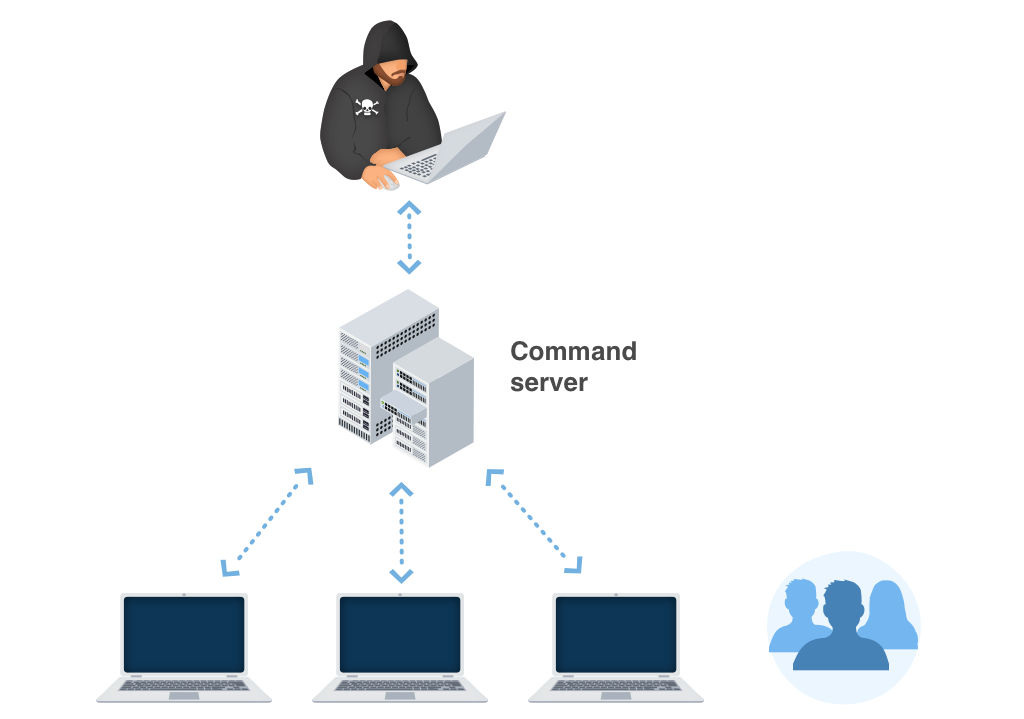
As an example:
Faulty alerts regarding unlicensed software.
In particular locations, the Trojans commonly wrongfully report having discovered some unlicensed applications enabled on the sufferer’s device. The sharp then demands the customer to pay the ransom.
Faulty statements regarding illegal web content.
In nations where software application piracy is much less prominent, this approach is not as reliable for the cyber fraudulences. Alternatively, the Ransom:Win32/NetWalker.MLS!MTB popup alert might incorrectly declare to be deriving from a police establishment and will report having situated youngster porn or other illegal data on the tool.
Ransom:Win32/NetWalker.MLS!MTB popup alert might wrongly claim to be acquiring from a legislation enforcement establishment and also will certainly report having situated kid pornography or other illegal data on the tool. The alert will similarly contain a need for the user to pay the ransom.
Technical details
File Info:
crc32: 2F894847md5: ccede1200a6e8eff54a358fa1e6d119aname: upload_filesha1: e62fbe82dc5c1efbdecfd94791e023002d3c178bsha256: e24f69aa8738d14b85ad76a1783d51120b8b6ba467190fe7d8f96ad2969c8fdfsha512: d4c7e45c2f509e43b521bfbcd67474ef271fa12088f7a57794ba866cdd41ddd3e9ee8fc776b31dd0a0811e62542b813e97c0f3404f4e416066c1338193f7f6c7ssdeep: 49152:Q6otv8NVQqr7XXpwM+DbhzFG13Dyz6fRG+A+85fbhl7zsPS0mc+8aun:QDB8XQqDXf+D9FG1dp9m5fb37zsf+yntype: PE32 executable (GUI) Intel 80386, for MS WindowsVersion Info:
LegalCopyright: Copyright (C) 2014 AVG Technologies CZ, s.r.o.InternalName: aswQuick.exeFileVersion: 17.3.3443.0CompanyName: AVG Technologies CZ, s.r.o.ProductName: AVG Internet Security System ProductVersion: 17.3.3443.0FileDescription: AVG Virus scannerOriginalFilename: aswQuick.exeTranslation: 0x0409 0x04e4
Ransom:Win32/NetWalker.MLS!MTB also known as:
| GridinSoft | Trojan.Ransom.Gen |
| Bkav | W32.AIDetectVM.malware1 |
| MicroWorld-eScan | Trojan.GenericKD.43568561 |
| FireEye | Generic.mg.ccede1200a6e8eff |
| Qihoo-360 | Generic/HEUR/QVM18.1.E943.Malware.Gen |
| ALYac | Trojan.Ransom.Avaddon |
| Cylance | Unsafe |
| VIPRE | Trojan.Win32.Generic!BT |
| AegisLab | Trojan.Win32.DelShad.4!c |
| CrowdStrike | win/malicious_confidence_90% (W) |
| BitDefender | Trojan.GenericKD.43568561 |
| K7GW | Trojan ( 004befdb1 ) |
| TrendMicro | Ransom_NetWalker.R06BC0DGV20 |
| BitDefenderTheta | Gen:NN.ZexaF.34144.i!1@aKnPDJaO |
| Symantec | ML.Attribute.HighConfidence |
| ESET-NOD32 | a variant of Win32/Packed.EnigmaProtector.J suspicious |
| APEX | Malicious |
| Paloalto | generic.ml |
| Kaspersky | Trojan.Win32.DelShad.dva |
| Alibaba | Ransom:Win32/NetWalker.0d5d3f89 |
| ViRobot | Trojan.Win32.Z.Netwalker.2229144 |
| Rising | PUF.Pack-Enigma!1.BA33 (CLOUD) |
| Ad-Aware | Trojan.GenericKD.43568561 |
| Emsisoft | Trojan.GenericKD.43568561 (B) |
| F-Secure | Trojan.TR/DelShad.djauj |
| Invincea | heuristic |
| Trapmine | malicious.high.ml.score |
| Sophos | Mal/Generic-S |
| SentinelOne | DFI – Suspicious PE |
| Webroot | W32.Malware.Gen |
| Avira | TR/DelShad.djauj |
| MAX | malware (ai score=99) |
| Arcabit | Trojan.Generic.D298CDB1 |
| ZoneAlarm | Trojan.Win32.DelShad.dva |
| Microsoft | Ransom:Win32/NetWalker.MLS!MTB |
| Cynet | Malicious (score: 100) |
| Acronis | suspicious |
| McAfee | Artemis!CCEDE1200A6E |
| VBA32 | Trojan.Inject |
| Malwarebytes | Trojan.Injector.Enigma |
| Panda | Trj/CI.A |
| TrendMicro-HouseCall | Ransom_NetWalker.R06BC0DGV20 |
| Ikarus | Trojan.Win32.Enigma |
| eGambit | Unsafe.AI_Score_99% |
| GData | Win32.Trojan.Kryptik.6E9GI0 |
| AVG | Win32:Malware-gen |
| Cybereason | malicious.2dc5c1 |
| Avast | Win32:Malware-gen |
How to remove Ransom:Win32/NetWalker.MLS!MTB virus?
Unwanted application has ofter come with other viruses and spyware. This threats can steal account credentials, or crypt your documents for ransom.
Reasons why I would recommend GridinSoft2
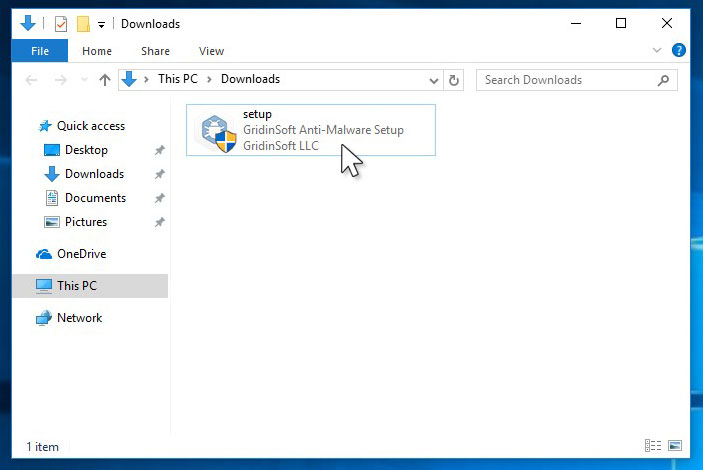
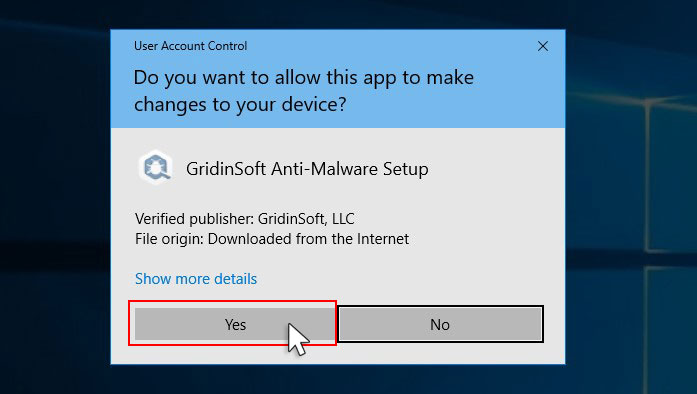
Run the setup file.
Press “Install” button.
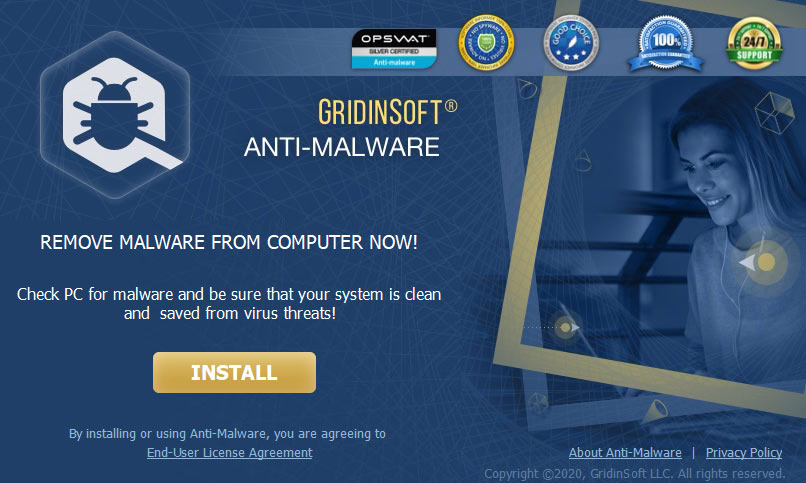
Once installed, Anti-Malware will automatically run.
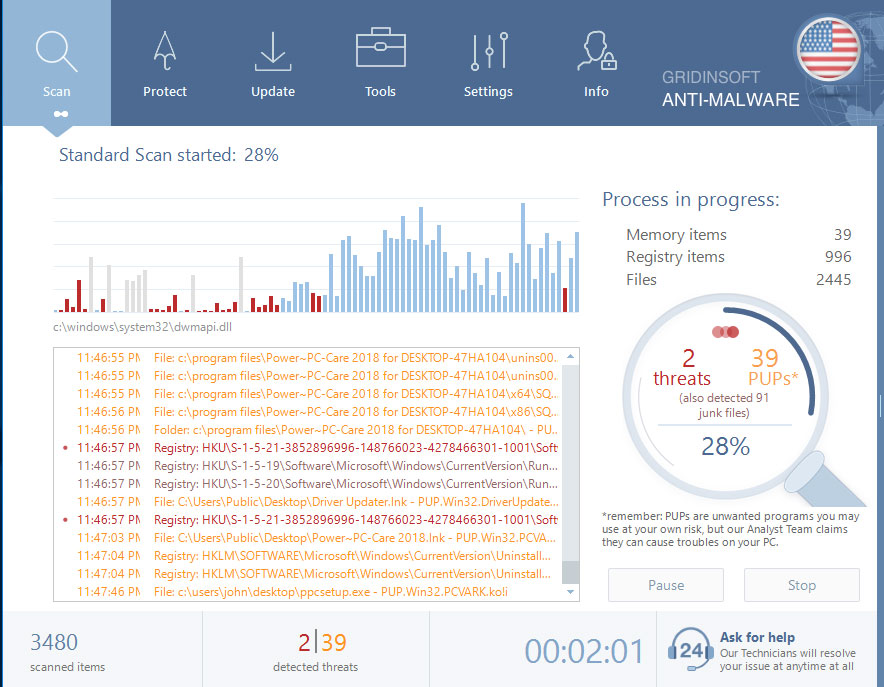
Wait for the Anti-Malware scan to complete.
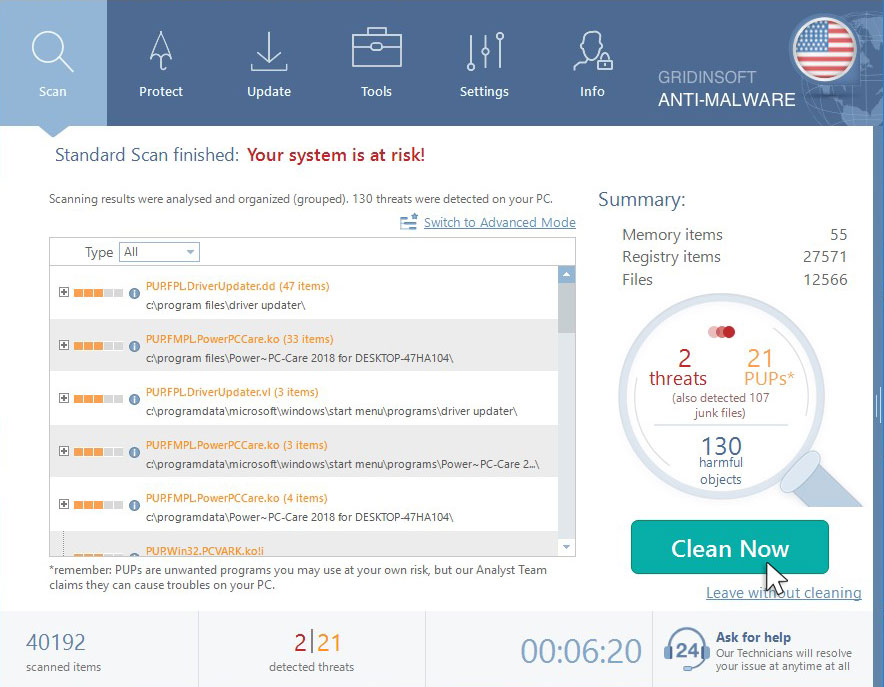
Click on “Clean Now”.
Are Your Protected?
If the guide doesn’t help you to remove Ransom:Win32/NetWalker.MLS!MTB you can always ask me in the comments for getting help.
References
- Microsoft Ignite: How to disable User Account Control (UAC) on Windows Server


Leave a Comment