
What is Ransom:Win32/Conti.ZC infection?
In this post you will discover about the meaning of Ransom:Win32/Conti.ZC as well as its unfavorable impact on your computer system. Such ransomware are a type of malware that is specified by online scams to demand paying the ransom money by a sufferer.
In the majority of the cases, Ransom:Win32/Conti.ZC virus will instruct its targets to start funds move for the objective of neutralizing the modifications that the Trojan infection has introduced to the sufferer’s tool.
Ransom:Win32/Conti.ZC Summary
These adjustments can be as complies with:
- A process attempted to delay the analysis task.;
- Attempts to connect to a dead IP:Port (255 unique times);
- A process created a hidden window;
- Uses Windows utilities for basic functionality;
- Attempts to delete volume shadow copies;
- Attempts to repeatedly call a single API many times in order to delay analysis time. This significantly complicates the work of the virus analyzer. Typical malware tactics!
- Ciphering the papers located on the target’s hard disk — so the victim can no more utilize the data;
- Preventing regular access to the victim’s workstation. This is the typical behavior of a virus called locker. It blocks access to the computer until the victim pays the ransom.
Similar behavior
Related domains
| z.whorecord.xyz | Trojanransom.Generic |
| a.tomx.xyz | Trojanransom.Generic |
Ransom:Win32/Conti.ZC
One of the most regular channels through which Ransom:Win32/Conti.ZC Trojans are infused are:
- By methods of phishing e-mails. Email phishing is a cyber attack that uses disguised email as a goal is to trick the recipient into believing that the message is something they want or need — a request from their bank, for instance, or a note from someone in their company — and to click a link for download a malware.
- As a repercussion of customer winding up on a source that organizes a malicious software;
As quickly as the Trojan is effectively injected, it will certainly either cipher the information on the sufferer’s computer or protect against the device from functioning in a correct way – while additionally positioning a ransom money note that points out the demand for the victims to effect the settlement for the purpose of decrypting the papers or bring back the documents system back to the initial problem. In many instances, the ransom money note will certainly turn up when the client reboots the COMPUTER after the system has actually already been harmed.
Ransom:Win32/Conti.ZC circulation channels.
In various edges of the globe, Ransom:Win32/Conti.ZC grows by jumps and also bounds. Nevertheless, the ransom money notes and tricks of extorting the ransom money amount might vary relying on specific regional (local) settings. The ransom money notes and also methods of obtaining the ransom money quantity might differ depending on certain local (regional) settings.
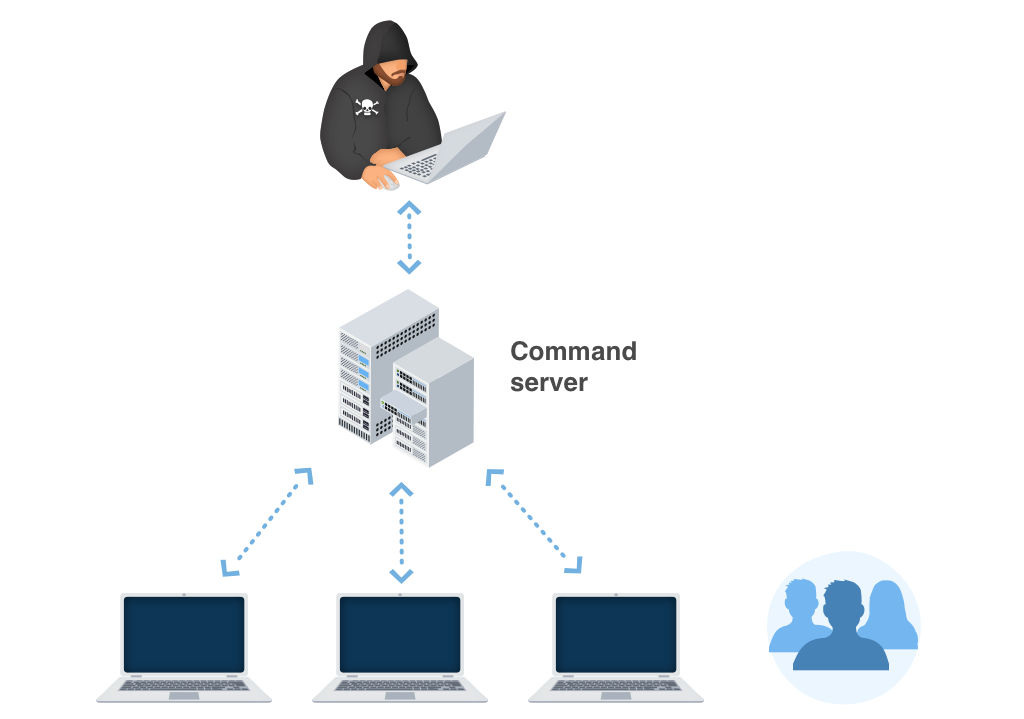
For instance:
Faulty alerts regarding unlicensed software.
In specific areas, the Trojans frequently wrongfully report having identified some unlicensed applications allowed on the sufferer’s gadget. The sharp then requires the individual to pay the ransom money.
Faulty declarations about prohibited web content.
In countries where software piracy is much less preferred, this method is not as efficient for the cyber frauds. Additionally, the Ransom:Win32/Conti.ZC popup alert might incorrectly claim to be stemming from a police institution and will report having situated kid porn or various other illegal information on the tool.
Ransom:Win32/Conti.ZC popup alert may wrongly declare to be acquiring from a regulation enforcement establishment and also will report having situated youngster pornography or various other illegal data on the tool. The alert will similarly include a requirement for the user to pay the ransom money.
Technical details
File Info:
crc32: FCA61B07md5: 2dc5a4338d438ea4e78878cff4cfe2cfname: 2DC5A4338D438EA4E78878CFF4CFE2CF.mlwsha1: cfdd6e3a69b12d43af94cb0441db3e1ef93f74f8sha256: 1ce8a939b3e7d84c59c12dc9e1091532f4336dac533847b6533b01d9dcf494e9sha512: 32a8d6f2fa1e472aefa8cc41cb59b5b67e84d336ca35c5b1f5d2a2ad2eae5a7ba1cbfba17f75261b0220a5d896b72bb4b95c5c86a6c8bda4b9bf50463f2222fcssdeep: 3072:mbgz9OJcW+b7d55P96aqwKDpi68oLlmqMVHKXhtK+Ux/fcVIx5xa:59uQb7V9KwKDpiSLl6B6hmplPatype: PE32 executable (GUI) Intel 80386, for MS WindowsVersion Info:
0: [No Data]
Ransom:Win32/Conti.ZC also known as:
| GridinSoft | Trojan.Ransom.Gen |
| K7AntiVirus | Trojan ( 0057b6f81 ) |
| Elastic | malicious (high confidence) |
| DrWeb | Trojan.Encoder.33949 |
| Cynet | Malicious (score: 100) |
| CAT-QuickHeal | Trojanransom.Generic |
| ALYac | Trojan.Ransom.Conti |
| Cylance | Unsafe |
| Zillya | Trojan.Filecoder.Win32.18843 |
| Sangfor | Ransom.Win32.Cryptor.gen |
| CrowdStrike | win/malicious_confidence_100% (W) |
| Alibaba | Ransom:Win32/generic.ali2000010 |
| K7GW | Trojan ( 0057b6f81 ) |
| Cybereason | malicious.38d438 |
| Cyren | W32/Trojan.BDUQ-1595 |
| Symantec | Trojan Horse |
| ESET-NOD32 | a variant of Win32/Filecoder.Conti.R |
| APEX | Malicious |
| Avast | Win32:RansomX-gen [Ransom] |
| Kaspersky | HEUR:Trojan-Ransom.Win32.Cryptor.gen |
| BitDefender | Trojan.GenericKD.36860772 |
| NANO-Antivirus | Trojan.Win32.Ransom.iutnhn |
| ViRobot | Trojan.Win32.Z.Conti.195072 |
| MicroWorld-eScan | Trojan.GenericKD.36860772 |
| Tencent | Malware.Win32.Gencirc.11bec728 |
| Ad-Aware | Trojan.GenericKD.36860772 |
| Sophos | Mal/Generic-S + Troj/Ransom-GGN |
| BitDefenderTheta | AI:Packer.80ADE8311F |
| VIPRE | Trojan.Win32.Generic!BT |
| TrendMicro | Ransom_Conti.R044C0DDT21 |
| McAfee-GW-Edition | Artemis!Trojan |
| FireEye | Generic.mg.2dc5a4338d438ea4 |
| Emsisoft | Trojan.GenericKD.36860772 (B) |
| Jiangmin | Trojan.Generic.dzzcl |
| Webroot | W32.Malware.Gen |
| Avira | TR/Ransom.bfgai |
| eGambit | Unsafe.AI_Score_56% |
| Kingsoft | Win32.Troj.Undef.(kcloud) |
| Microsoft | Ransom:Win32/Conti.ZC |
| Gridinsoft | Ransom.Win32.Banker.oa!s1 |
| AegisLab | Trojan.Win32.Generic.j!c |
| ZoneAlarm | HEUR:Trojan-Ransom.Win32.Generic |
| GData | Trojan.GenericKD.36860772 |
| TACHYON | Ransom/W32.Conti.195072.B |
| AhnLab-V3 | Ransomware/Win.Conti.C4439359 |
| McAfee | GenericRXAA-AA!2DC5A4338D43 |
| MAX | malware (ai score=100) |
| VBA32 | BScope.TrojanBanker.Trickster |
| Malwarebytes | Malware.AI.4287410764 |
| Panda | Trj/GdSda.A |
| TrendMicro-HouseCall | Ransom_Conti.R044C0DDT21 |
| Rising | Ransom.Cryptor!8.10A9 (CLOUD) |
| Yandex | Trojan.Filecoder!9sHMPHCWJCs |
| Ikarus | Win32.Outbreak |
| MaxSecure | Trojan.Malware.10307848.susgen |
| Fortinet | W32/Conti.F!tr.ransom |
| AVG | Win32:RansomX-gen [Ransom] |
How to remove Ransom:Win32/Conti.ZC virus?
Unwanted application has ofter come with other viruses and spyware. This threats can steal account credentials, or crypt your documents for ransom.
Reasons why I would recommend GridinSoft1
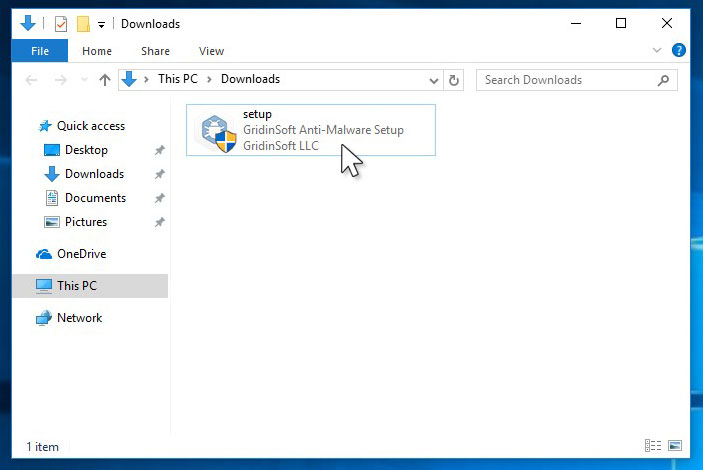
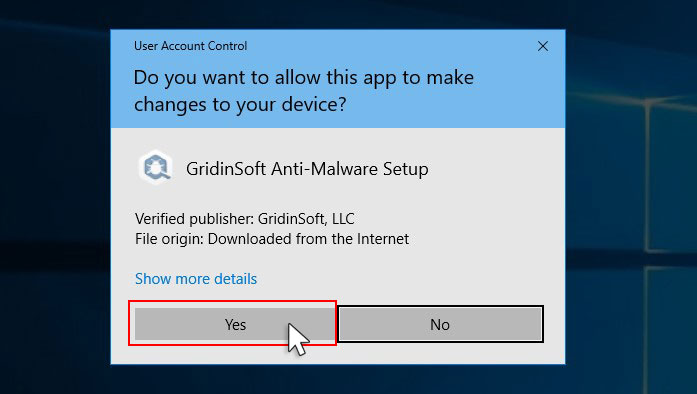
Run the setup file.
Press “Install” button.
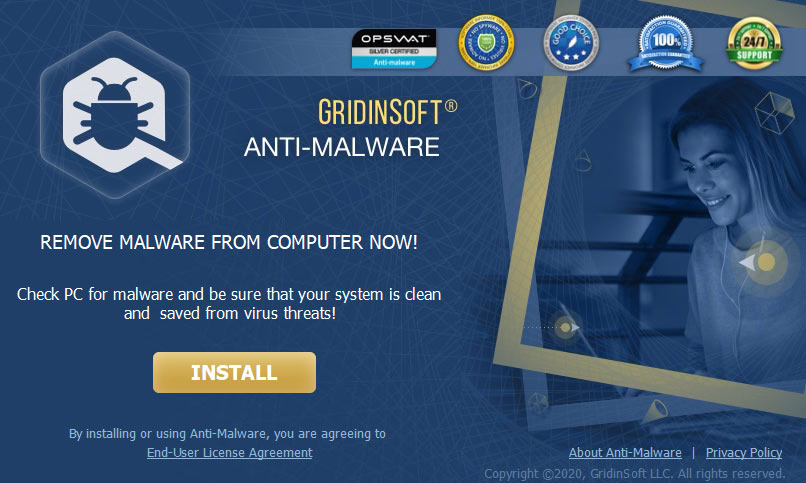
Once installed, Anti-Malware will automatically run.
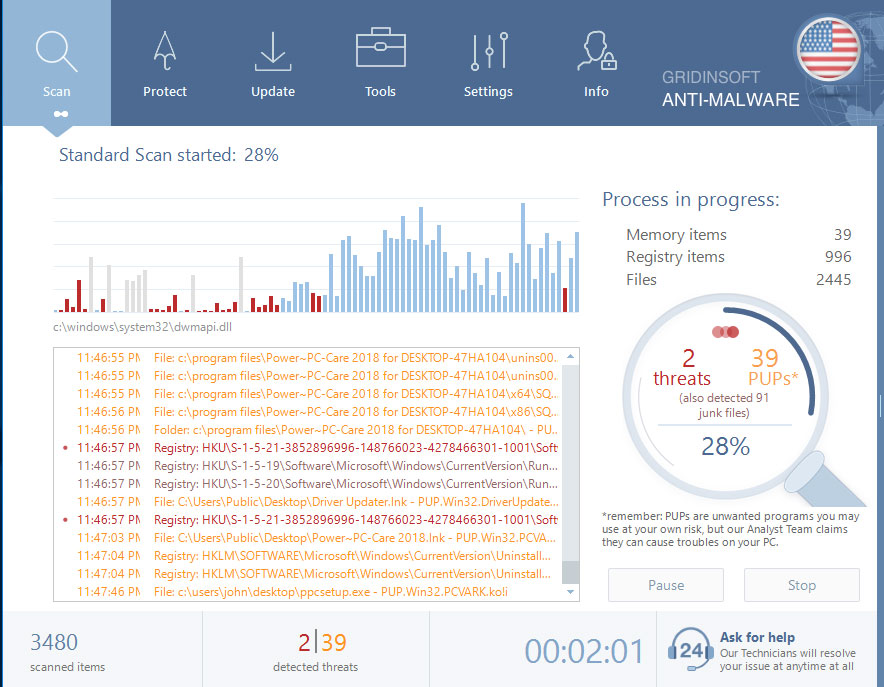
Wait for the Anti-Malware scan to complete.
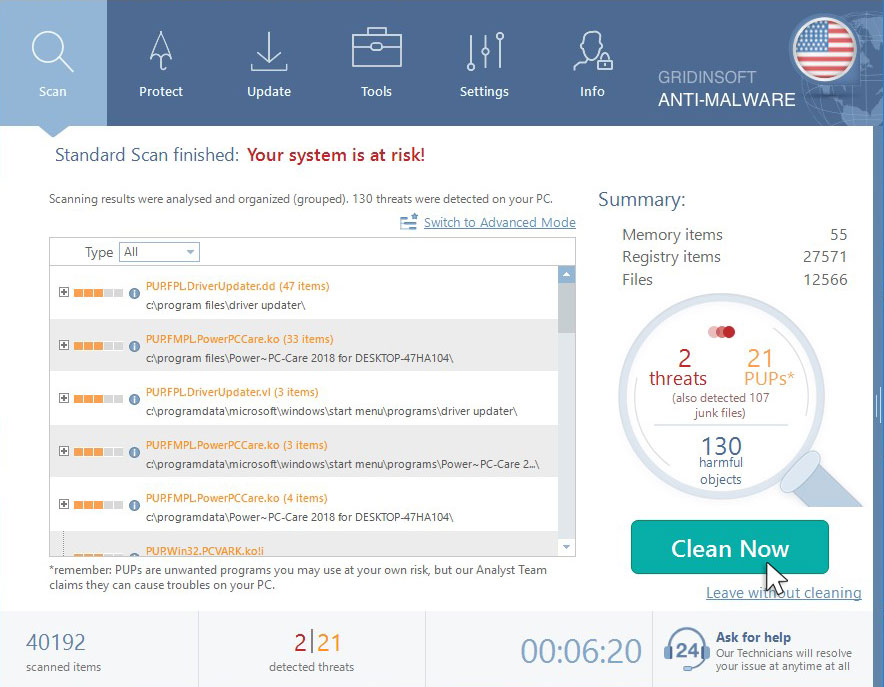
Click on “Clean Now”.
Are Your Protected?
If the guide doesn’t help you to remove Ransom:Win32/Conti.ZC you can always ask me in the comments for getting help.


Leave a Comment